Department of Orthopaedics, The Second Affiliated Hospital and Yuying Children's Hospital of Wenzhou Medical University, Wenzhou, Zhejiang Province, China.
Zhejiang Provincial Key Laboratory of Orthopaedics, Wenzhou, Zhejiang Province, China.
J Cell Mol Med. 2017 Dec;21(12):3322-3336. doi: 10.1111/jcmm.13235. Epub 2017 Jul 12.
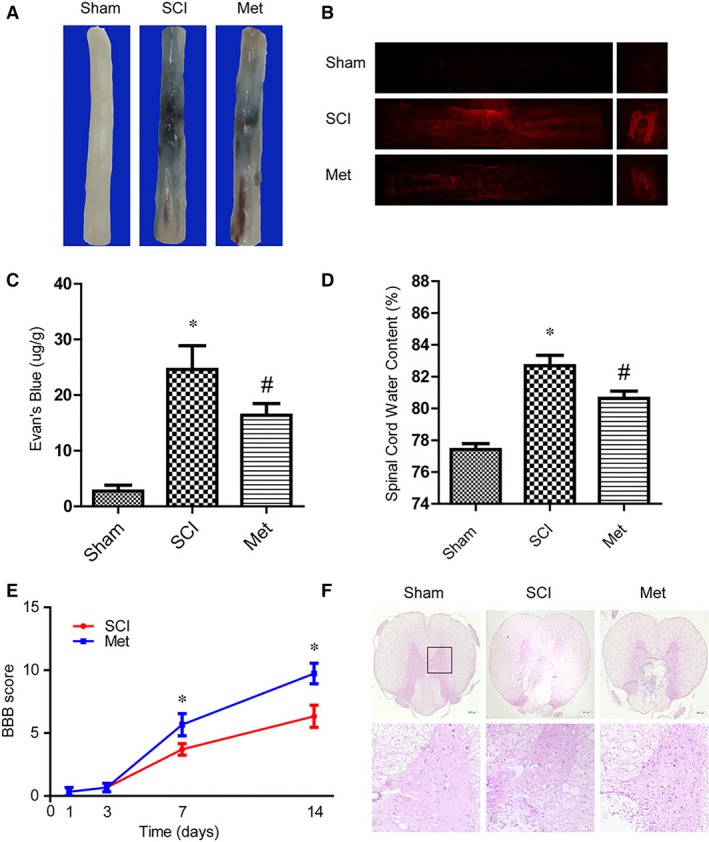
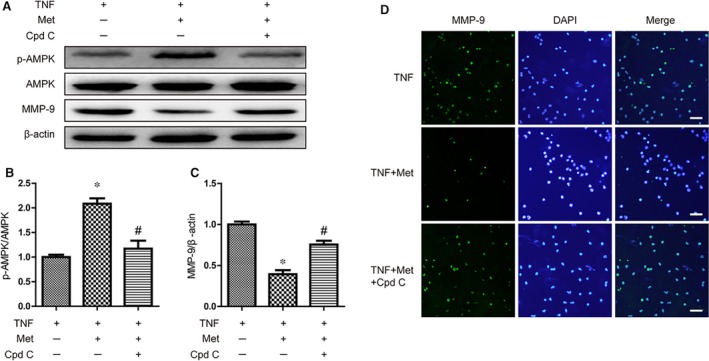
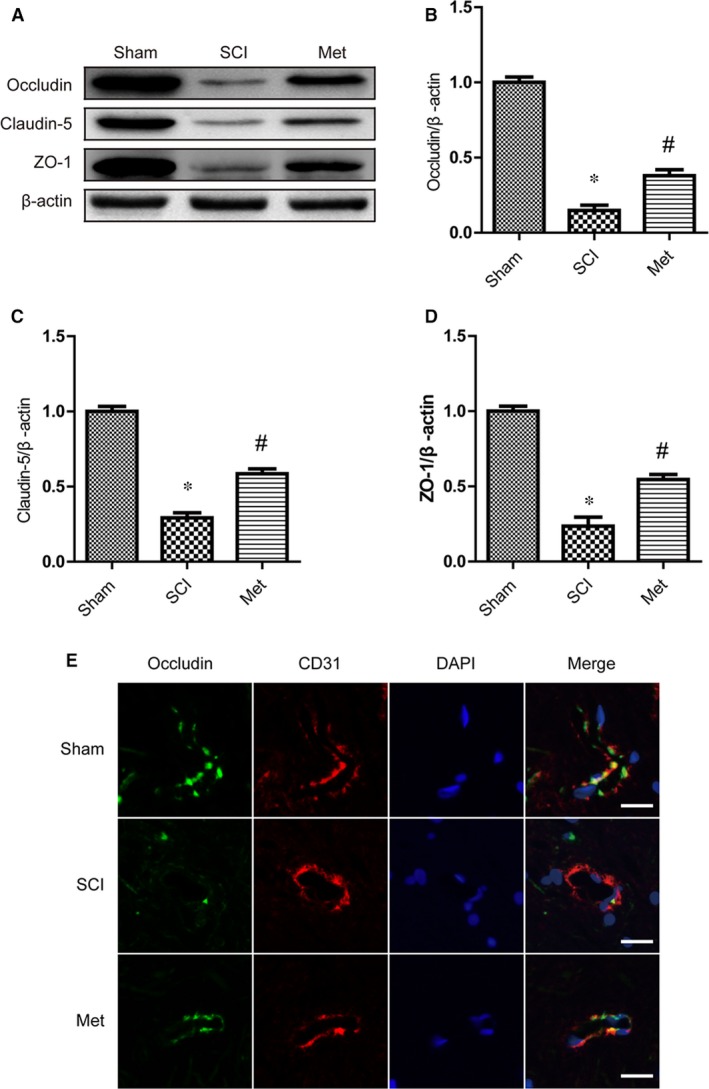
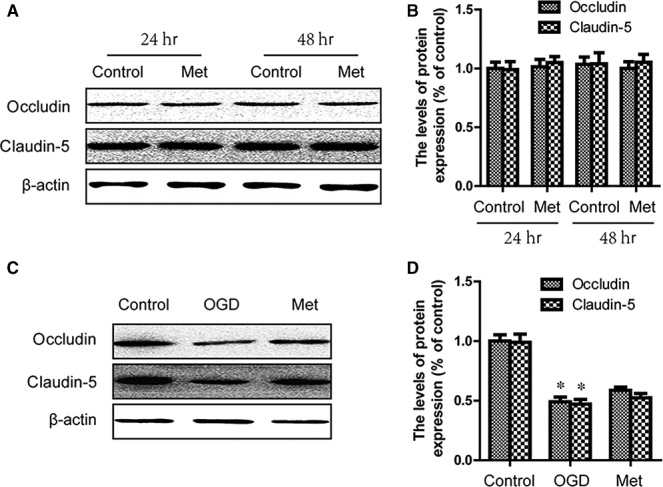
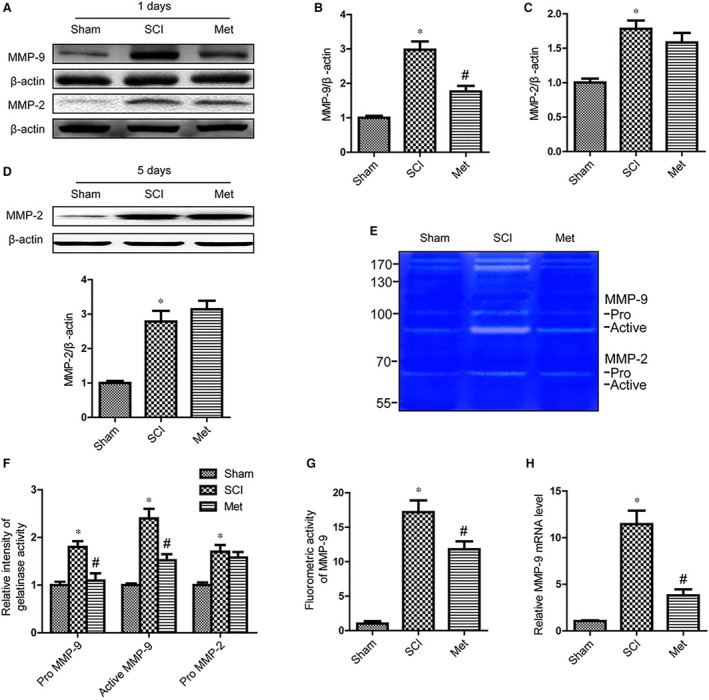
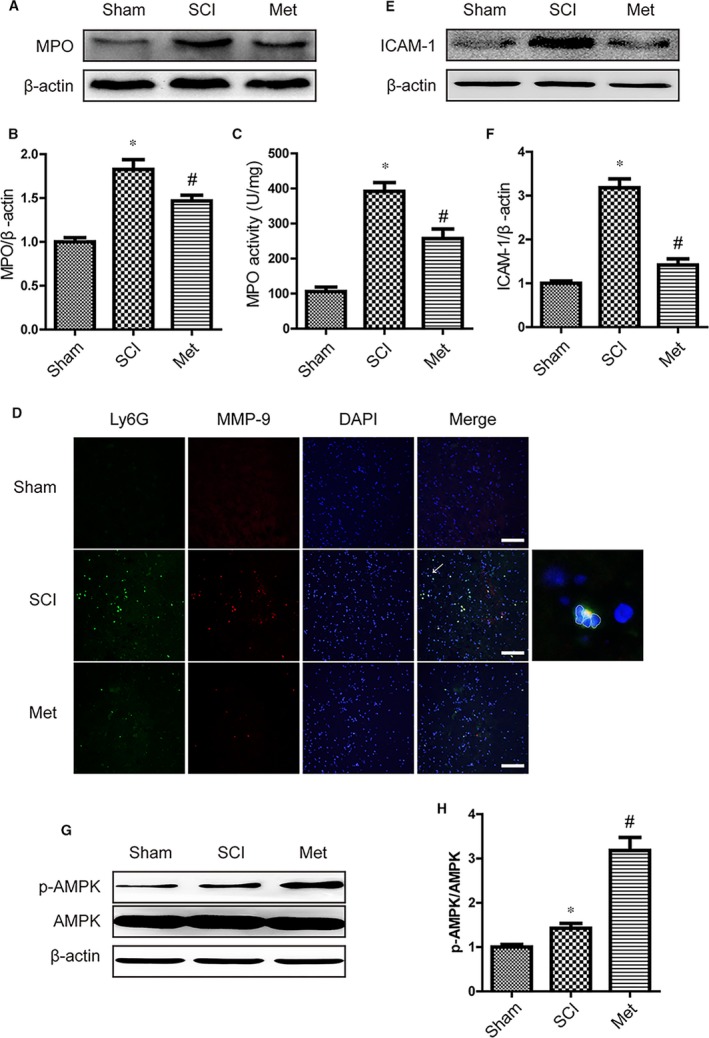
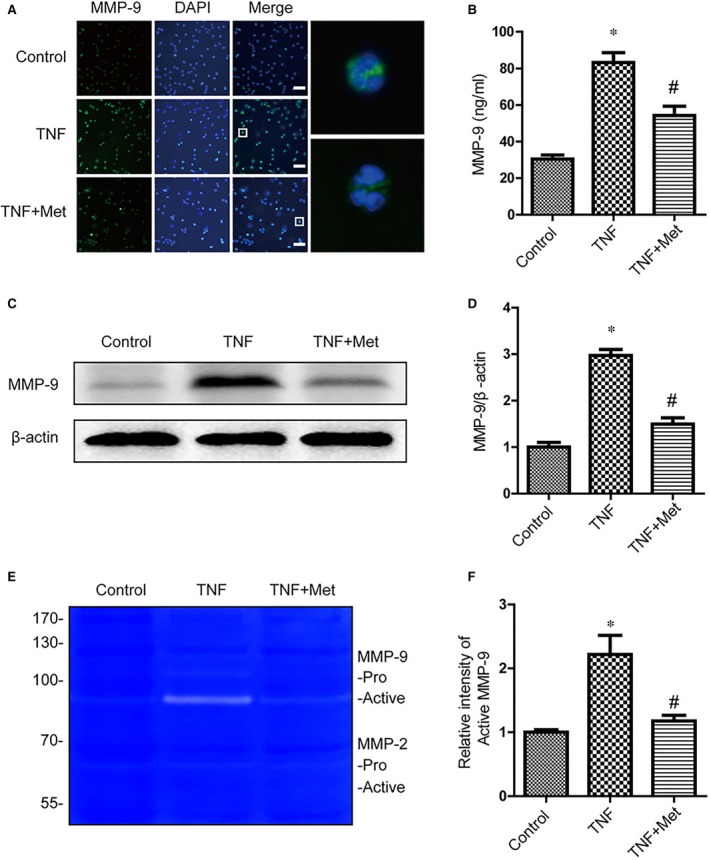
Blood-spinal cord barrier (BSCB) disruption is a major process for the secondary injury of spinal cord injury (SCI) and is considered to be a therapeutic target for SCI. Previously, we demonstrated that metformin could improve functional recovery after SCI; however, the effect of metformin on BSCB is still unknown. In this study, we found that metformin could prevent the loss of tight junction (TJ) proteins at day 3 after SCI in vivo, but in vitro there was no significant difference of these proteins between control and metformin treatment in endothelial cells. This indicated that metformin-induced BSCB protection might not be mediated by up-regulating TJ proteins directly, but by inhibiting TJ proteins degradation. Thus, we investigated the role of metformin on MMP-9 and neutrophils infiltration. Neutrophils infiltration is the major source of the enhanced MMP-9 in SCI. Our results showed that metformin decreased MMP-9 production and blocked neutrophils infiltration at day 1 after injury, which might be related to ICAM-1 down-regulation. Also, our in vitro study showed that metformin inhibited TNF-α-induced MMP-9 up-regulation in neutrophils, which might be mediated via an AMPK-dependent pathway. Together, it illustrated that metformin prevented the breakdown of BSCB by inhibiting neutrophils infiltration and MMP-9 production, but not by up-regulating TJ proteins expression. Our study may help to better understand the working mechanism of metformin on SCI.
血-脊髓屏障(BSCB)破坏是脊髓损伤(SCI)继发性损伤的主要过程,被认为是 SCI 的治疗靶点。先前,我们证明了二甲双胍可以改善 SCI 后的功能恢复;然而,二甲双胍对 BSCB 的影响尚不清楚。在这项研究中,我们发现二甲双胍可以防止 SCI 后第 3 天体内紧密连接(TJ)蛋白的丢失,但在体外,内皮细胞中 TJ 蛋白在对照组和二甲双胍治疗组之间没有显著差异。这表明,二甲双胍诱导的 BSCB 保护可能不是通过直接上调 TJ 蛋白来介导的,而是通过抑制 TJ 蛋白的降解来介导的。因此,我们研究了二甲双胍对 MMP-9 和中性粒细胞浸润的作用。中性粒细胞浸润是 SCI 中增强 MMP-9 的主要来源。我们的结果表明,二甲双胍在损伤后第 1 天减少了 MMP-9 的产生并阻止了中性粒细胞的浸润,这可能与 ICAM-1 的下调有关。此外,我们的体外研究表明,二甲双胍抑制了 TNF-α诱导的中性粒细胞中 MMP-9 的上调,这可能是通过 AMPK 依赖途径介导的。综上所述,二甲双胍通过抑制中性粒细胞浸润和 MMP-9 的产生来防止 BSCB 的破坏,而不是通过上调 TJ 蛋白的表达来实现。我们的研究可能有助于更好地理解二甲双胍对 SCI 的作用机制。