Department of Orthopaedics, Taizhou Hospital, Wenzhou Medical University, Linhai, Zhejiang, 317000 PR China.
Key Laboratory of Orthopaedics of Zhejiang Province, Department of Orthopaedics, The Second Affiliated Hospital, Wenzhou Medical University, Wenzhou, Zhejiang, 325035 PR China.
Int J Biol Sci. 2017 Nov 27;13(12):1520-1531. doi: 10.7150/ijbs.21107. eCollection 2017.
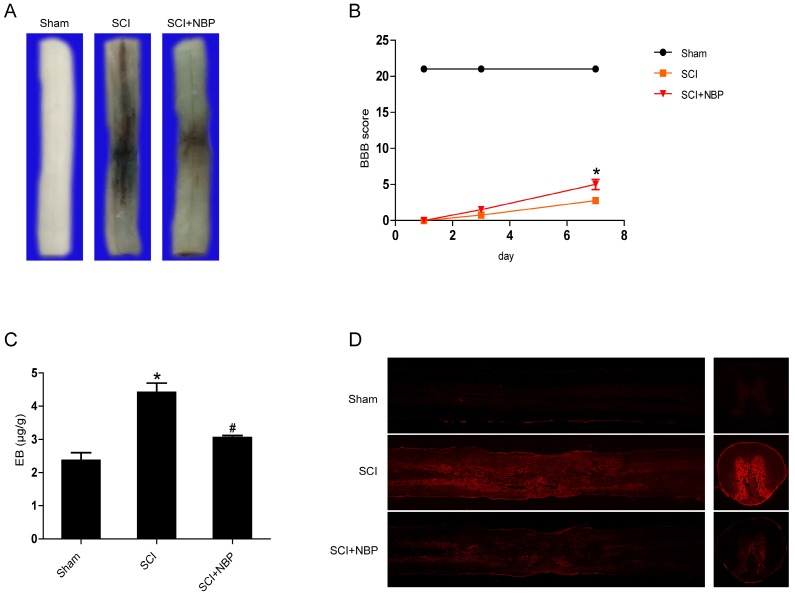
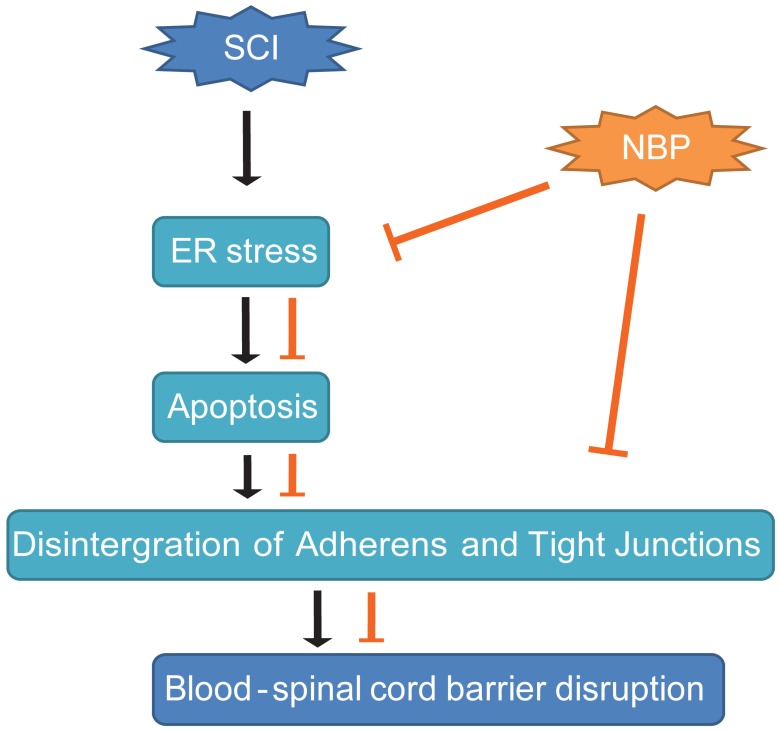
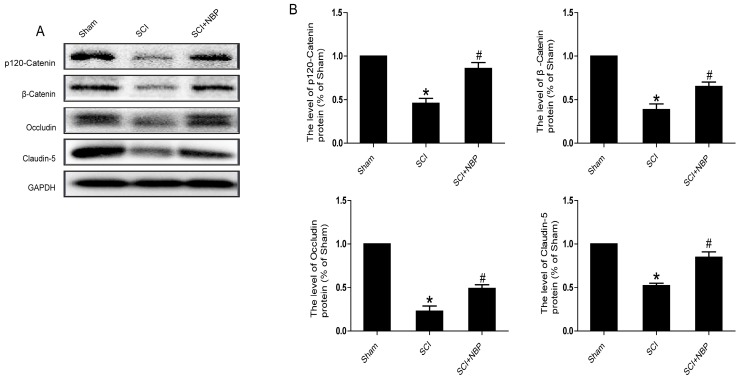
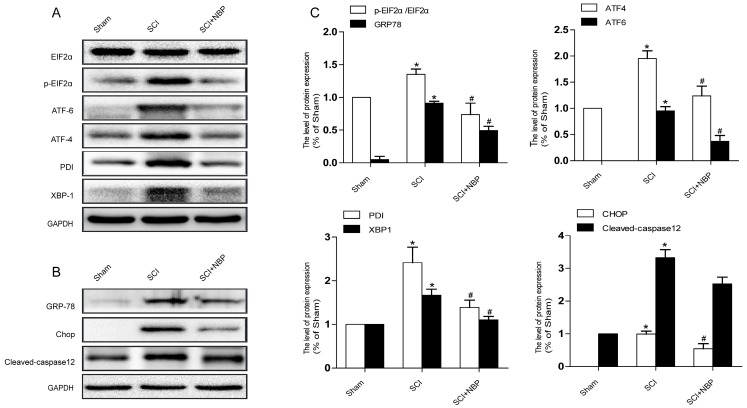
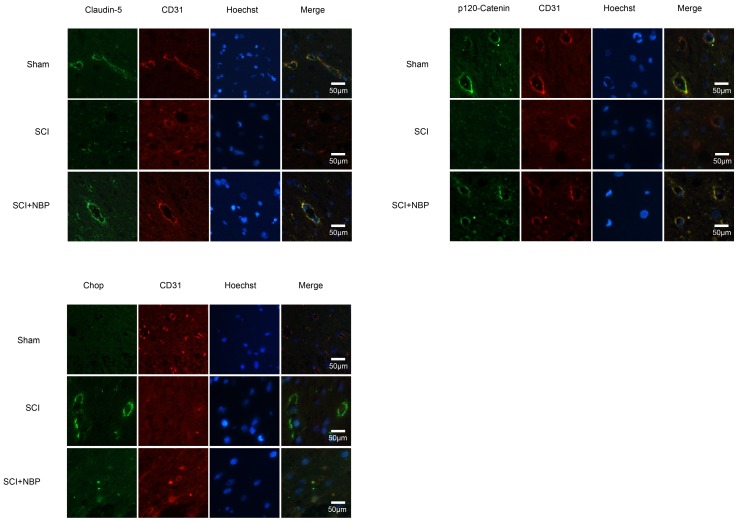
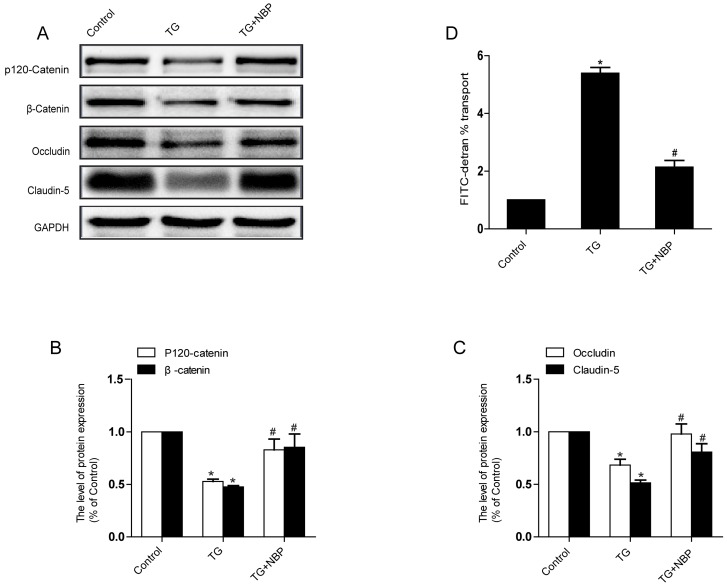
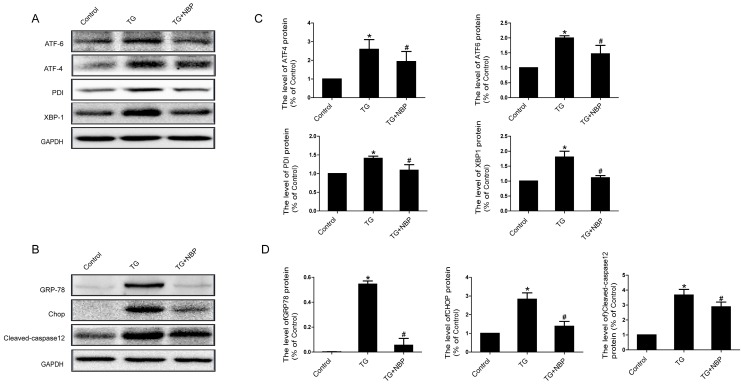
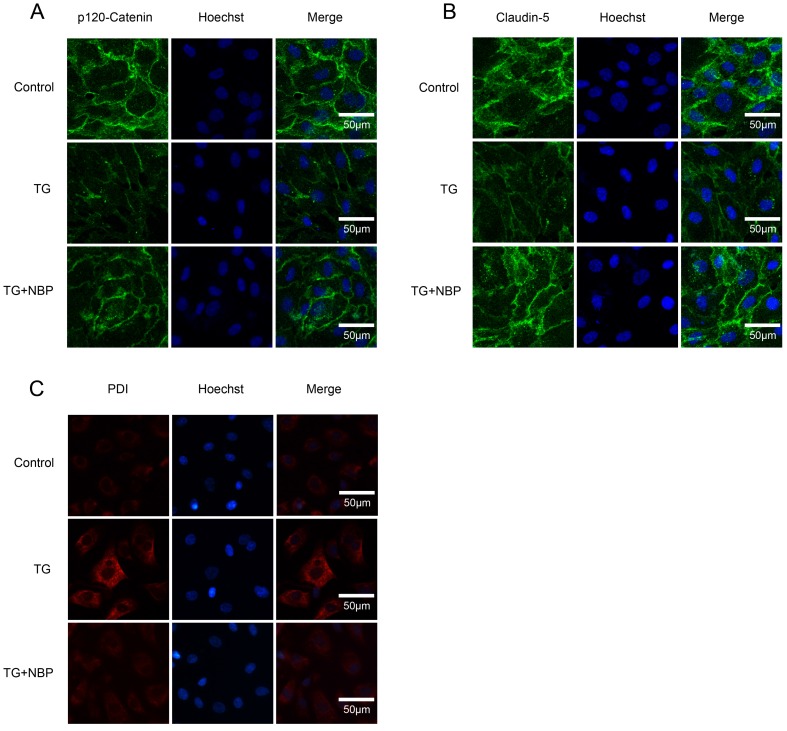
After spinal cord injury (SCI), the destruction of blood-spinal cord barrier (BSCB) is shown to accelerate gathering of noxious blood-derived components in the nervous system, leading to secondary neurodegenerative damages. SCI activates endoplasmic reticulum stress (ER stress), which is considered to evoke secondary damages of neurons and glia. Recent evidence indicates that Dl-3-n-butylphthalide (NBP) has the neuroprotective effect in ischaemic brain injury, but whether it has protective effects on SCI or not is largely unclear. Here, we show that NBP prevented BSCB disruption after SCI via inhibition of ER stress. Following a moderate contusion injury of the T9 level of spinal cord, NBP was administered by oral gavage and further treated once a day. NBP significantly attenuated BSCB permeability and breakdown of adherens junction (AJ) and tight junction (TJ) proteins, then improved locomotion recovery following SCI. The protective role of NBP on BSCB disruption is associated with the restrain of ER stress caused by SCI. Furthermore, NBP considerably constrained the expression of ER stress-associated proteins and degradation of TJ and AJ in human brain microvascular endothelial cells (HBMECs) treated with TG. In conclusion, our results indicate that ER stress is associated with the disruption of BSCB integrity after injury, NBP attenuates BSCB disruption via inhibiting ER stress and improve functional recovery following SCI.
脊髓损伤(SCI)后,血脊髓屏障(BSCB)的破坏被认为会加速有害的血液来源成分在神经系统中的聚集,导致继发性神经退行性损伤。SCI 会激活内质网应激(ER 应激),这被认为会引发神经元和神经胶质细胞的继发性损伤。最近的证据表明,Dl-3-正丁基苯酞(NBP)在缺血性脑损伤中有神经保护作用,但它是否对 SCI 有保护作用还不清楚。在这里,我们表明 NBP 通过抑制 ER 应激来防止 SCI 后 BSCB 的破坏。在 T9 脊髓水平中度挫伤损伤后,通过口服灌胃给予 NBP,并进一步每天治疗一次。NBP 显著减轻了 BSCB 的通透性和黏附连接(AJ)和紧密连接(TJ)蛋白的破坏,随后改善了 SCI 后的运动功能恢复。NBP 对 BSCB 破坏的保护作用与 SCI 引起的 ER 应激的抑制有关。此外,NBP 显著抑制了 TG 处理的人脑血管内皮细胞(HBMEC)中与 ER 应激相关的蛋白表达和 TJ 和 AJ 的降解。总之,我们的结果表明,ER 应激与损伤后 BSCB 完整性的破坏有关,NBP 通过抑制 ER 应激来减轻 BSCB 的破坏,并改善 SCI 后的功能恢复。