Newell-Fugate Annie E, Lenz Katherine, Skenandore Cassandra, Nowak Romana A, White Bryan A, Braundmeier-Fleming Andrea
Department of Veterinary Physiology and Pharmacology, Texas A&M University, College Station, Texas, United States of America.
Department of Animal Sciences, University of Illinois at Urbana-Champaign, Urbana, Illinois, United States of America.
PLoS One. 2017 Jul 13;12(7):e0179542. doi: 10.1371/journal.pone.0179542. eCollection 2017.
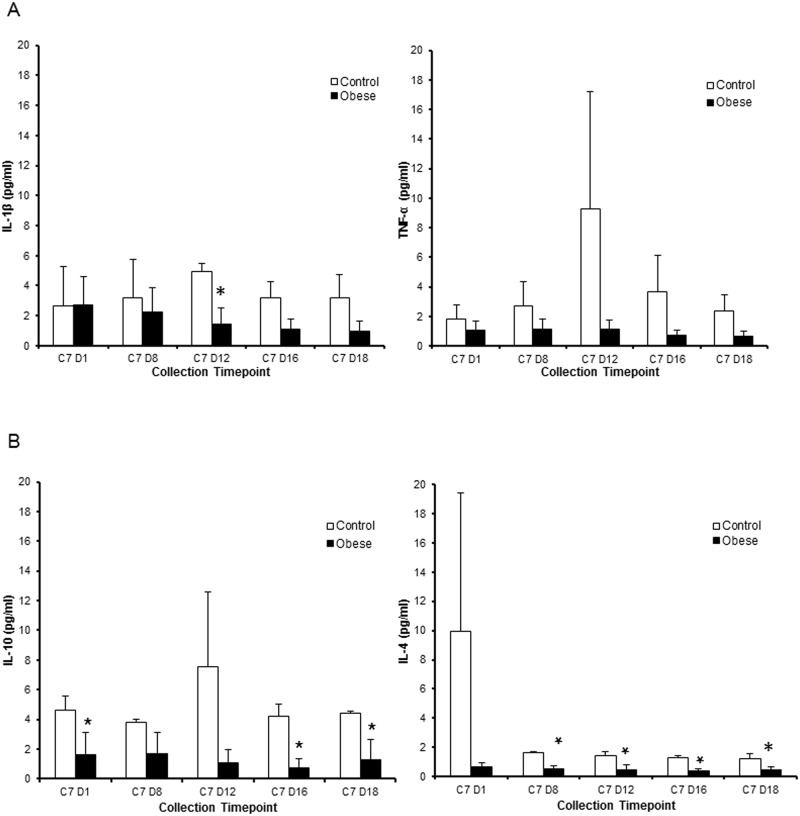
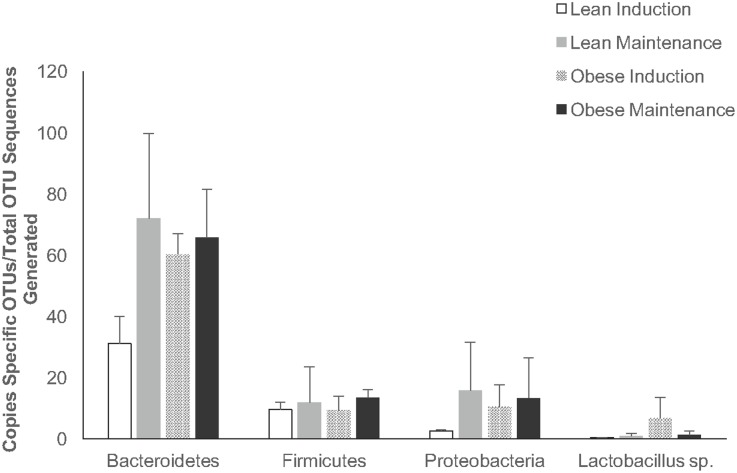
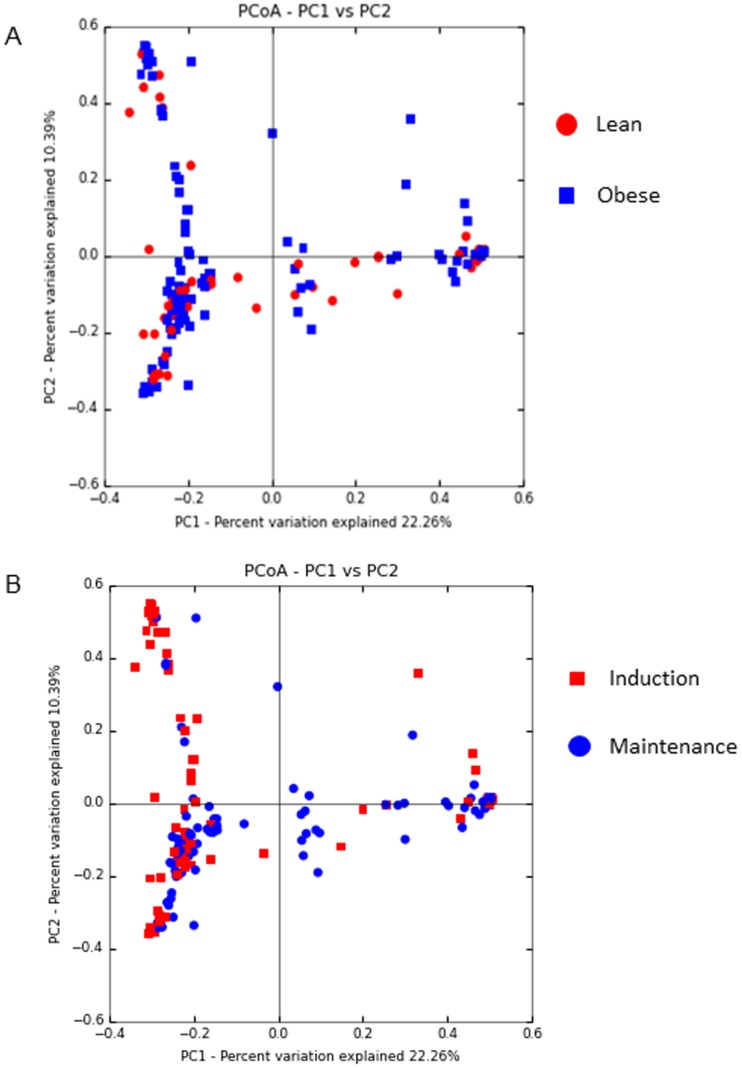
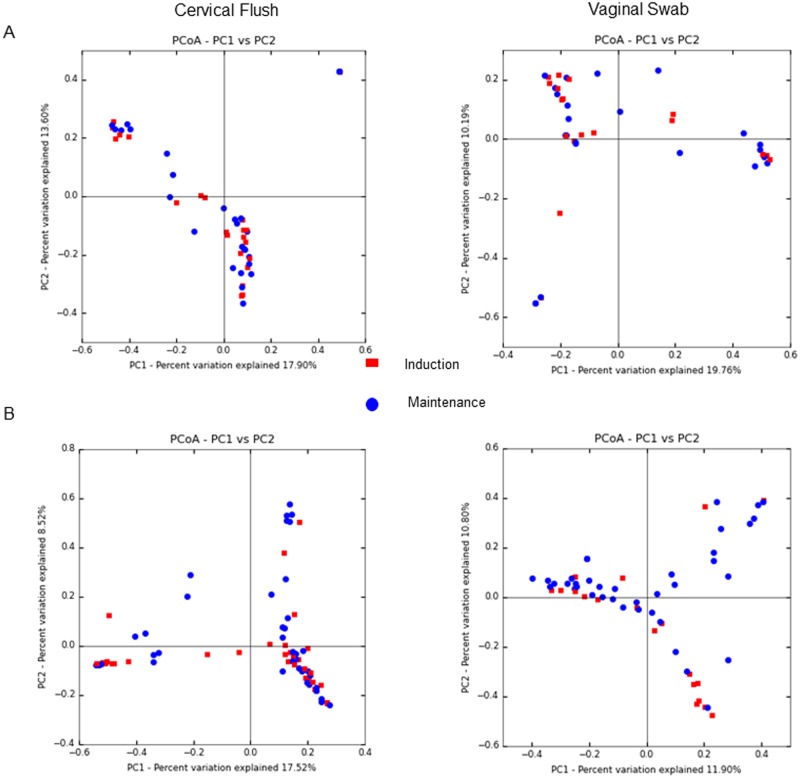
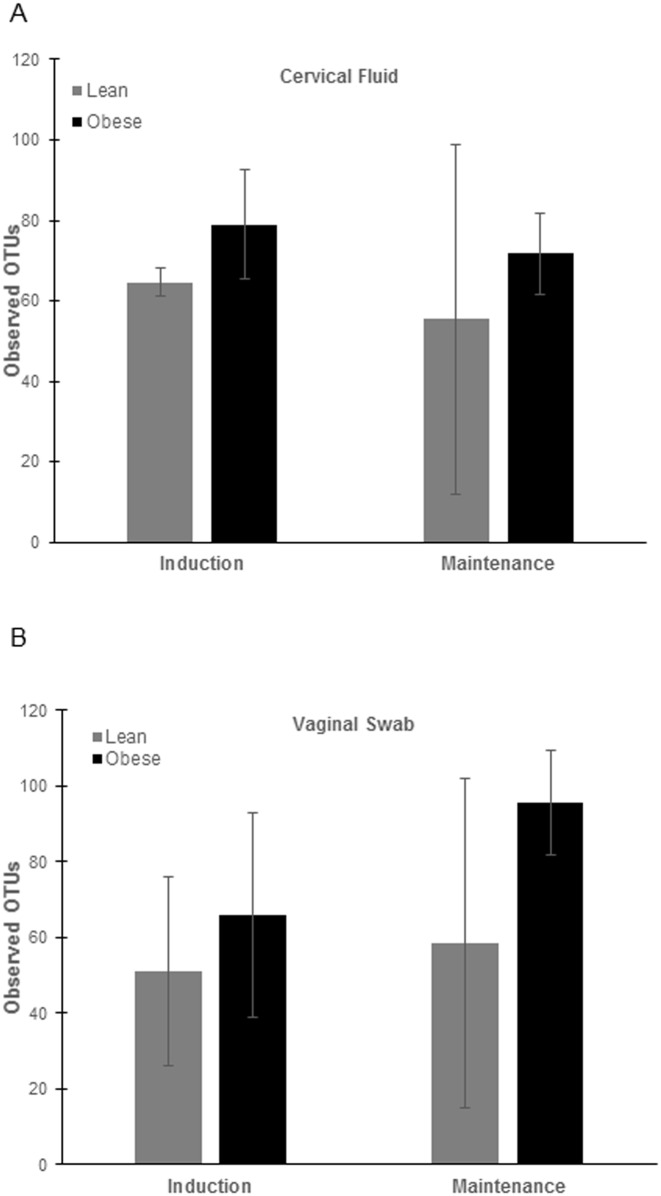
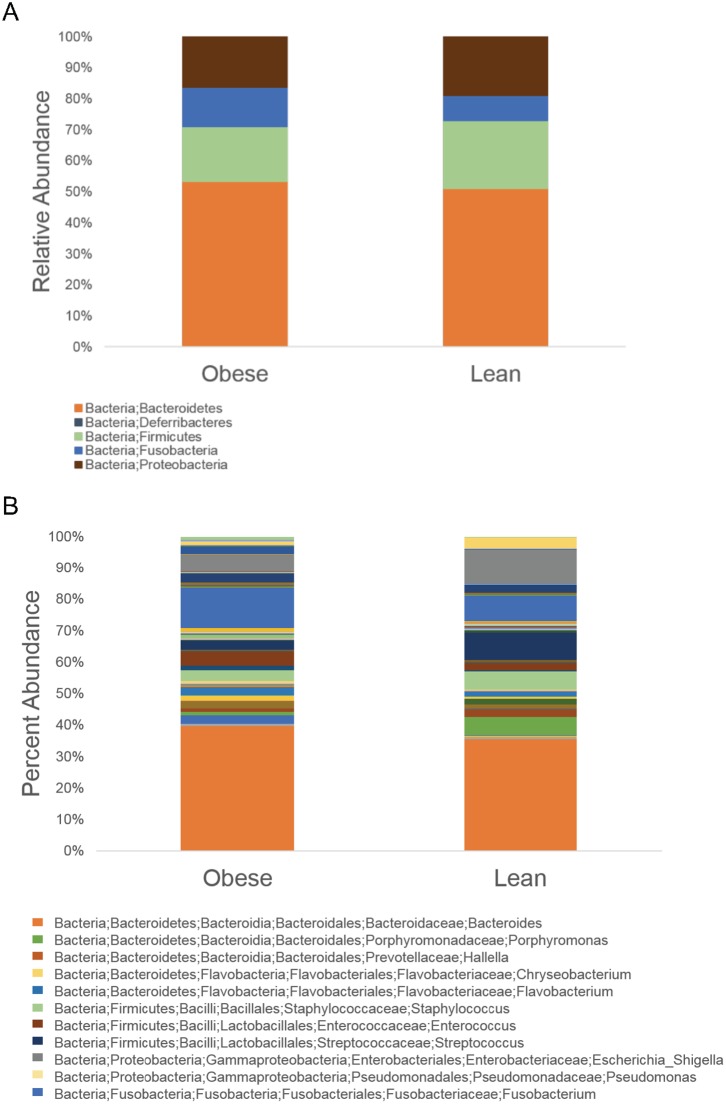
Forty percent of American women are obese and at risk for type II diabetes, impaired immune function, and altered microbiome diversity, thus impacting overall health. We investigated whether obesity induced by an excess calorie, high fat diet containing hydrogenated fats, fructose, and coconut oil (HFD) altered glucose homeostasis, peripheral immunity, and urogenital microbial dynamics. We hypothesized that HFD would cause hyperglycemia, increase peripheral inflammation, and alter urogenital microbiota to favor bacterial taxonomy associated with inflammation. We utilized female Ossabaw mini-pigs to model a 'thrifty' metabolic phenotype associated with increased white adipose tissue mass. Pigs were fed HFD (4570 kcal/pig/day) or lean (2000 kcal/pig/day) diet for a total of 9 estrous cycles (~6 months). To determine the effect of cycle stage on cytokines and the microbiome, animals had samples collected during cycles 7 and 9 on certain days of the cycle: D1, 4, 8, 12, 16, 18. Vaginal swabs or cervical flushes assessed urogenital microbiota. Systemic fatty acids, insulin, glucose, and cytokines were analyzed. Pig weights and morphometric measurements were taken weekly. Obese pigs had increased body weight, length, heart and belly girth but similar glucose concentrations. Obese pigs had decreased cytokine levels (IL-1β, TNF-α, IL-4, IL-10), arachidonic acid and plasma insulin, but increased levels of vaccenic acid. Obese pigs had greater urogenital bacterial diversity, including several taxa known for anti-inflammatory properties. Overall, induction of obesity did not induce inflammation but shifted the microbial communities within the urogenital tract to an anti-inflammatory phenotype. We postulate that the coconut oil in the HFD oil may have supported normal glucose homeostasis and modulated the immune response, possibly through regulation of microbial community dynamics and fatty acid metabolism. This animal model holds promise for the study of how different types of obesity and high fat diets may affect metabolism, immune phenotype, and microbial dynamics.
40%的美国女性肥胖,面临患II型糖尿病、免疫功能受损和微生物群多样性改变的风险,从而影响整体健康。我们研究了由含氢化脂肪、果糖和椰子油的高热量、高脂肪饮食(HFD)诱导的肥胖是否会改变葡萄糖稳态、外周免疫和泌尿生殖微生物动态。我们假设HFD会导致高血糖、增加外周炎症,并改变泌尿生殖微生物群,以利于与炎症相关的细菌分类群。我们利用雌性奥萨巴小型猪来模拟与白色脂肪组织质量增加相关的“节俭”代谢表型。猪被喂食HFD(约4570千卡/猪/天)或瘦肉(约2000千卡/猪/天)饮食,共9个发情周期(约6个月)。为了确定周期阶段对细胞因子和微生物群的影响,在周期7和9的特定日期采集动物样本:第1、4、8、12、16、18天。阴道拭子或宫颈冲洗液用于评估泌尿生殖微生物群。分析全身脂肪酸、胰岛素、葡萄糖和细胞因子。每周测量猪的体重和形态学指标。肥胖猪体重、体长、心脏和腹围增加,但血糖浓度相似。肥胖猪细胞因子水平(IL-1β、TNF-α、IL-4、IL-10)、花生四烯酸和血浆胰岛素降低,但反式vaccenic酸水平升高。肥胖猪的泌尿生殖细菌多样性更高,包括几种具有抗炎特性的分类群。总体而言,肥胖的诱导并未引发炎症,但将泌尿生殖道内的微生物群落转变为抗炎表型。我们推测,HFD中的椰子油可能支持正常的葡萄糖稳态并调节免疫反应,可能是通过调节微生物群落动态和脂肪酸代谢实现的。这种动物模型有望用于研究不同类型的肥胖和高脂肪饮食如何影响代谢、免疫表型和微生物动态。