Jiao Jinghua, Wang Yuheng, Sun Xiaofeng, Jiang Xiaojing
Department of Anesthesiology, The First Affiliated Hospital, China Medical University, Shenyang 110001, China.
Department of Anesthesiology, Central Hospital, Shenyang Medical College, Shenyang 110024, China.
Evid Based Complement Alternat Med. 2017;2017:3826506. doi: 10.1155/2017/3826506. Epub 2017 Jun 19.
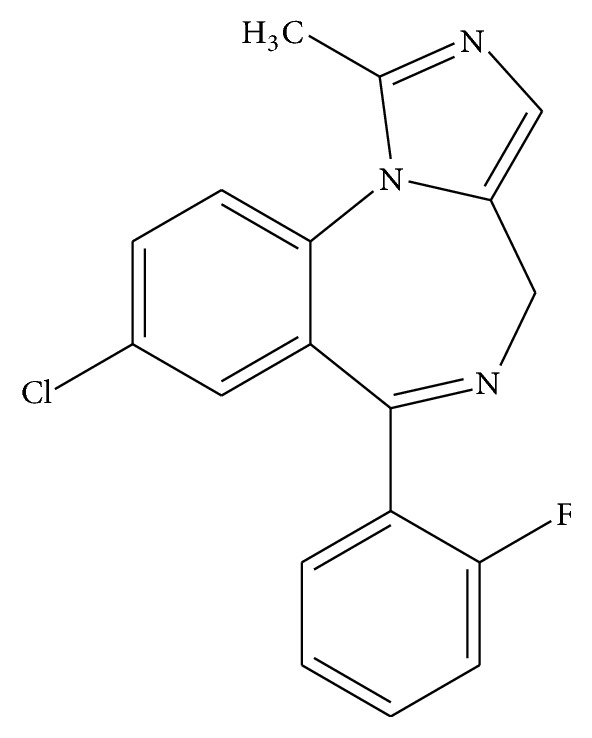
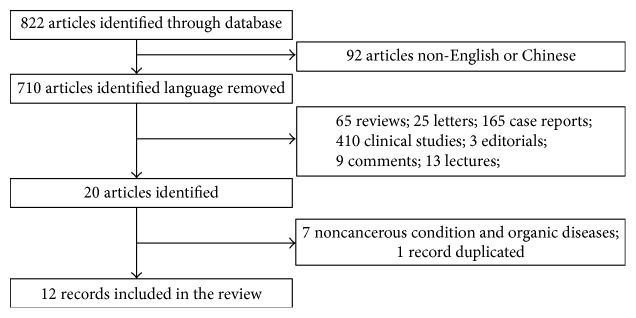
With its high worldwide mortality and morbidity, cancer has gained increasing attention and novel anticancer drugs have become the focus for cancer research. Recently, studies have shown that most anesthetic agents can influence the activity of tumor cells. Midazolam is a -aminobutyric acid A (GABA) receptor agonist, used widely for preoperative sedation and as an adjuvant during neuraxial blockade. Some studies have indicated the potential for midazolam as a novel therapeutic cancer drug; however, the mechanism by which midazolam affects cancer cells needs to be clarified. This systematic review aims to summarize the progress in assessing the molecular mechanism of midazolam as an anticancer agent.
癌症在全球范围内具有较高的死亡率和发病率,因此受到了越来越多的关注,新型抗癌药物已成为癌症研究的焦点。最近,研究表明大多数麻醉剂都能影响肿瘤细胞的活性。咪达唑仑是一种γ-氨基丁酸A(GABA)受体激动剂,广泛用于术前镇静以及作为神经阻滞期间的辅助药物。一些研究表明咪达唑仑有作为新型治疗性抗癌药物的潜力;然而,咪达唑仑影响癌细胞的机制尚需阐明。本系统评价旨在总结评估咪达唑仑作为抗癌剂的分子机制方面的进展。