Department of Chemistry, University of Cambridge, Lensfield Road, Cambridge CB2 1EW, UK.
Illawarra Health and Medical Research Institute (IHMRI), University of Wollongong, NSW 2522, Australia.
Biochim Biophys Acta Mol Basis Dis. 2017 Nov;1863(11):2762-2771. doi: 10.1016/j.bbadis.2017.07.007. Epub 2017 Jul 13.
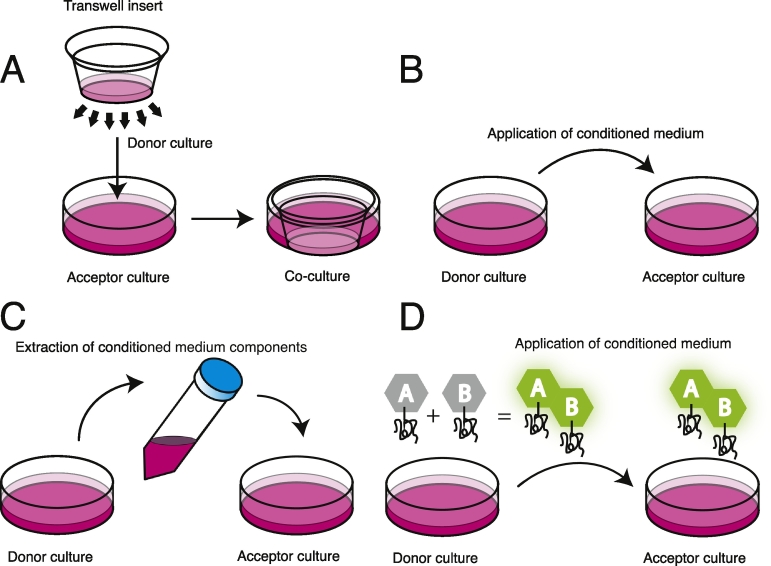
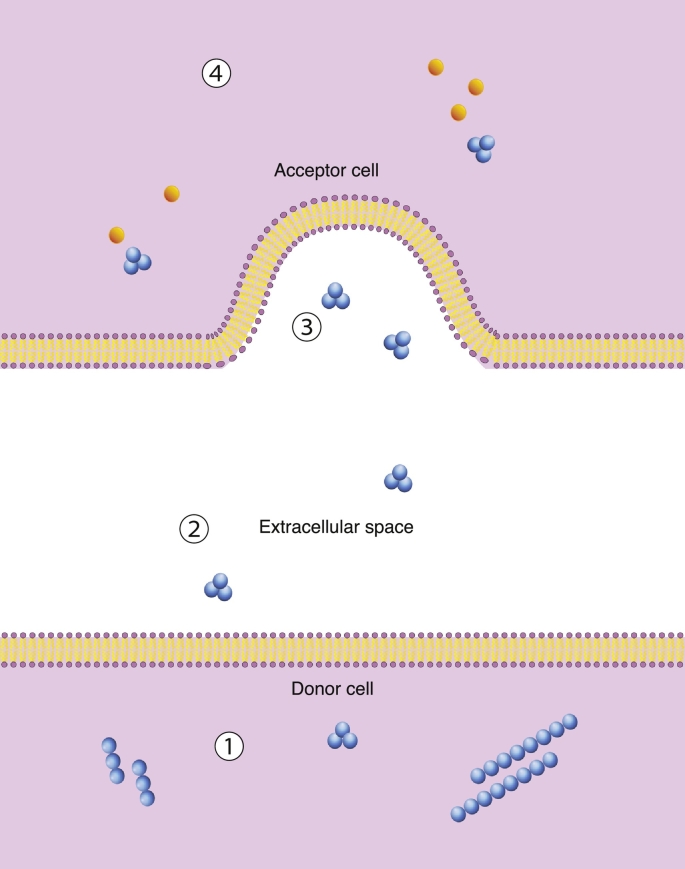
Amyotrophic lateral sclerosis (ALS) is a neurodegenerative disease involving the formation of cytoplasmic aggregates by proteins including TDP-43 and SOD1, in affected cells in the central nervous system (CNS). Pathology spreads from an initial site of onset to contiguous anatomical regions. There is evidence that for disease-associated proteins, including TDP-43 and SOD1, non-native protein conformers can promote misfolding of the natively folded counterparts, and cell-to-cell transfer of pathological aggregates may underlie the spread of the disease throughout the CNS. A variety of studies have demonstrated that SOD1 is released by neuron-like cells into the surrounding culture medium, either in their free state or encapsulated in extracellular vesicles such as exosomes. Extracellular SOD1 can then be internalised by naïve cells incubated in this conditioned medium, leading to the misfolding and aggregation of endogenous intracellular SOD1; an effect that propagates over serial passages. A similar phenomenon has also been observed with other proteins associated with protein misfolding and progressive neurological disorders, including tau, α-synuclein and both mammalian and yeast prions. Conditioned media experiments using TDP-43 have been less conclusive, with evidence for this protein undergoing intercellular transfer being less straightforward. In this review, we describe the properties of TDP-43 and SOD1 and look at the evidence for their respective abilities to participate in cell-to-cell transfer via conditioned medium, and discuss how variations in the nature of cell-to-cell transfer suggests that a number of different mechanisms are involved in the spreading of pathology in ALS.
肌萎缩侧索硬化症(ALS)是一种神经退行性疾病,涉及包括 TDP-43 和 SOD1 在内的蛋白质在中枢神经系统(CNS)中受影响的细胞中形成细胞质聚集体。病理学从初始发病部位扩散到相邻的解剖区域。有证据表明,对于包括 TDP-43 和 SOD1 在内的疾病相关蛋白,非天然构象的蛋白质可以促进天然折叠的蛋白质错误折叠,并且病理聚集体的细胞间转移可能是疾病在整个中枢神经系统中传播的基础。各种研究表明,SOD1 以游离状态或封装在细胞外囊泡(如外泌体)中,由神经元样细胞释放到周围的培养基中。然后,在这种条件培养基中孵育的幼稚细胞可以内化细胞外 SOD1,导致内源性细胞内 SOD1 的错误折叠和聚集;这种效应在连续传代中传播。与蛋白质错误折叠和进行性神经障碍相关的其他蛋白质,包括 tau、α-突触核蛋白以及哺乳动物和酵母朊病毒,也观察到类似的现象。使用 TDP-43 的条件培养基实验不太确定,该蛋白质发生细胞间转移的证据不太直接。在这篇综述中,我们描述了 TDP-43 和 SOD1 的特性,并研究了它们各自通过条件培养基参与细胞间转移的能力的证据,并讨论了细胞间转移性质的变化如何表明涉及 ALS 中病理学传播的多种不同机制。