Center for Neuroscience, Shantou University Medical College, 22 Xin Ling Road, Shantou, Guangdong 515041, People's Republic of China.
Center for Neuroscience, Shantou University Medical College, 22 Xin Ling Road, Shantou, Guangdong 515041, People's Republic of China
Dis Model Mech. 2017 Sep 1;10(9):1117-1128. doi: 10.1242/dmm.029801. Epub 2017 Jul 14.
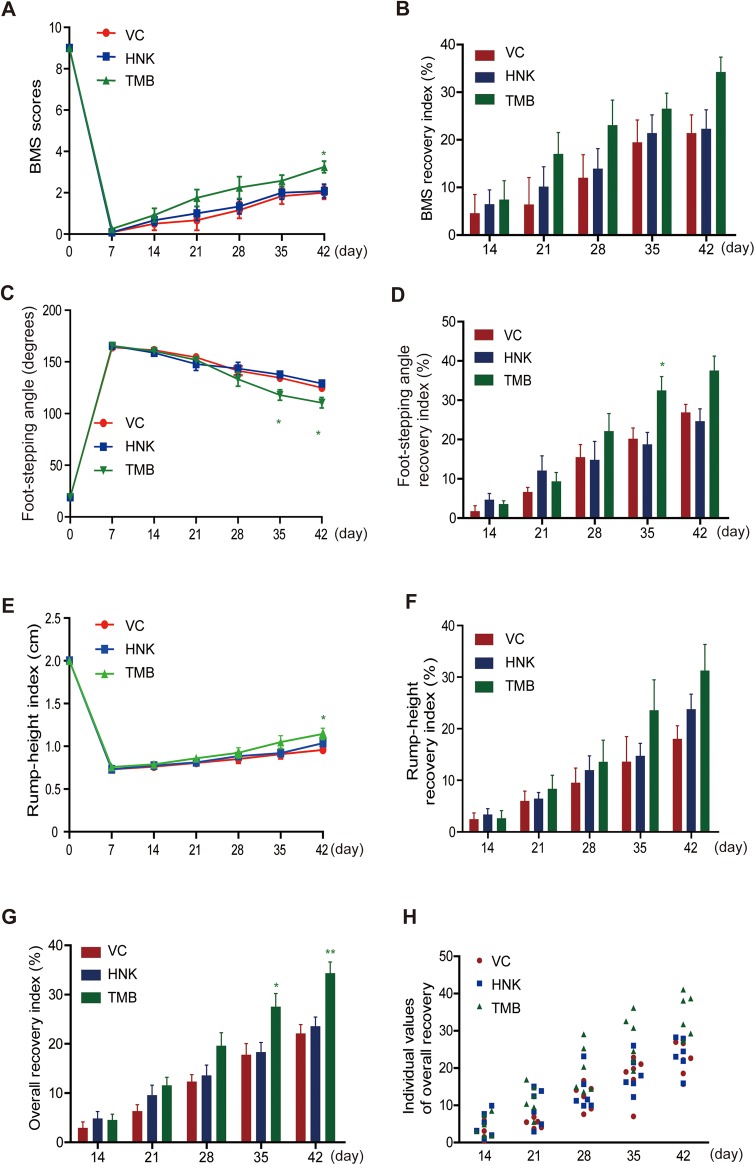
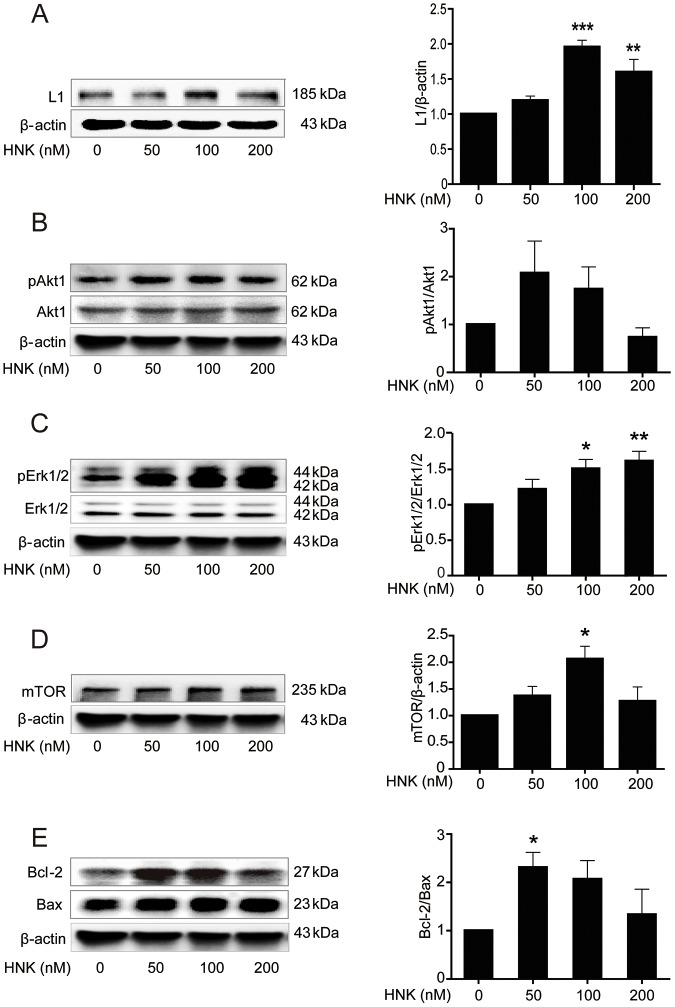
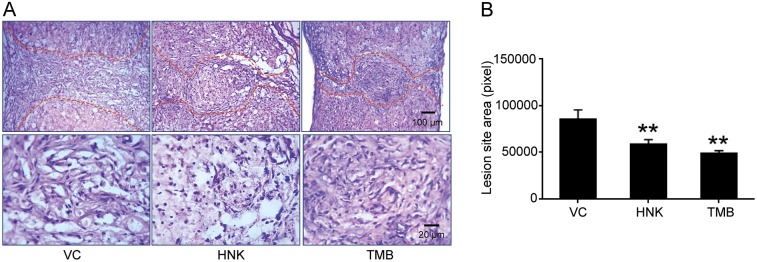
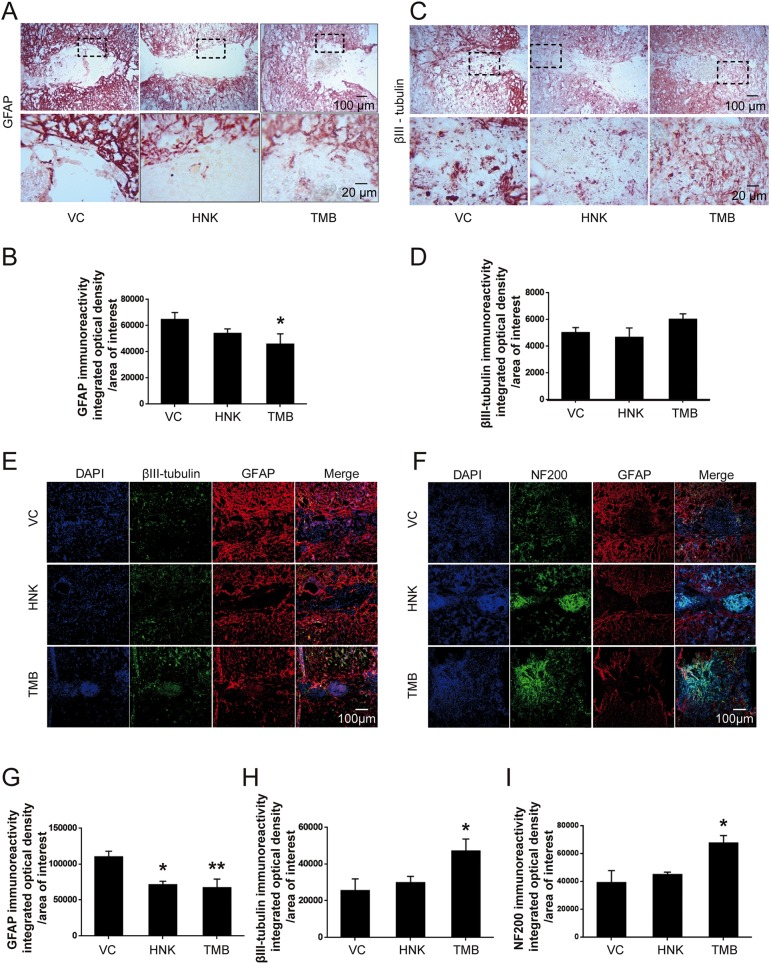
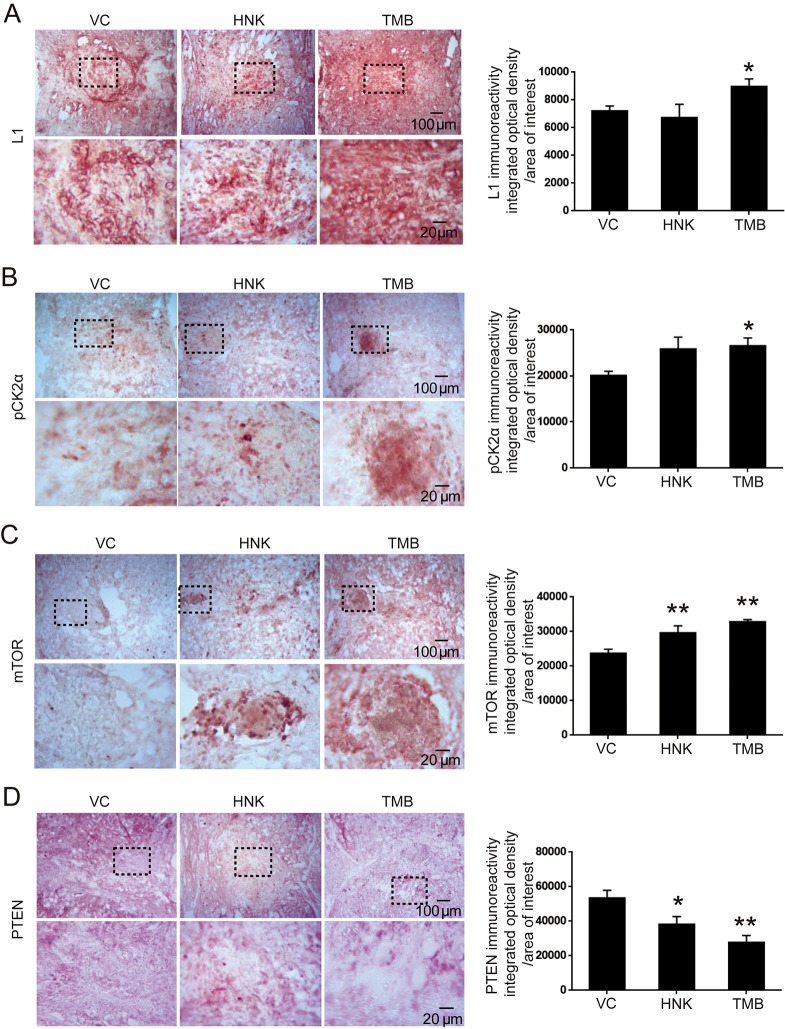
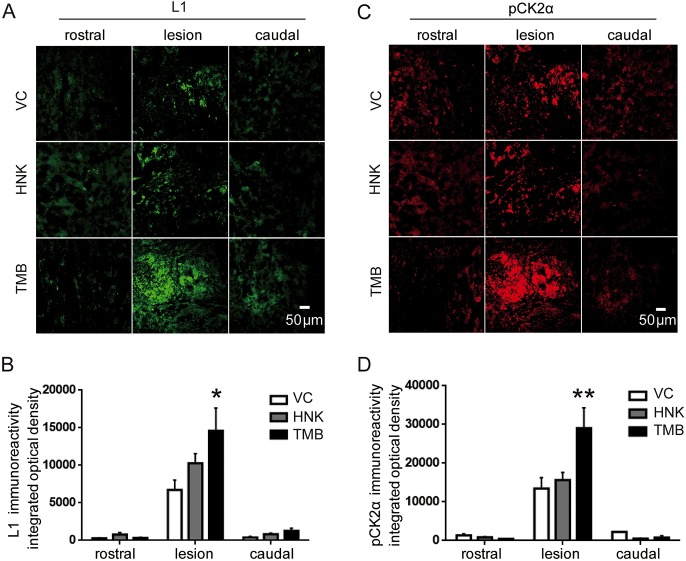
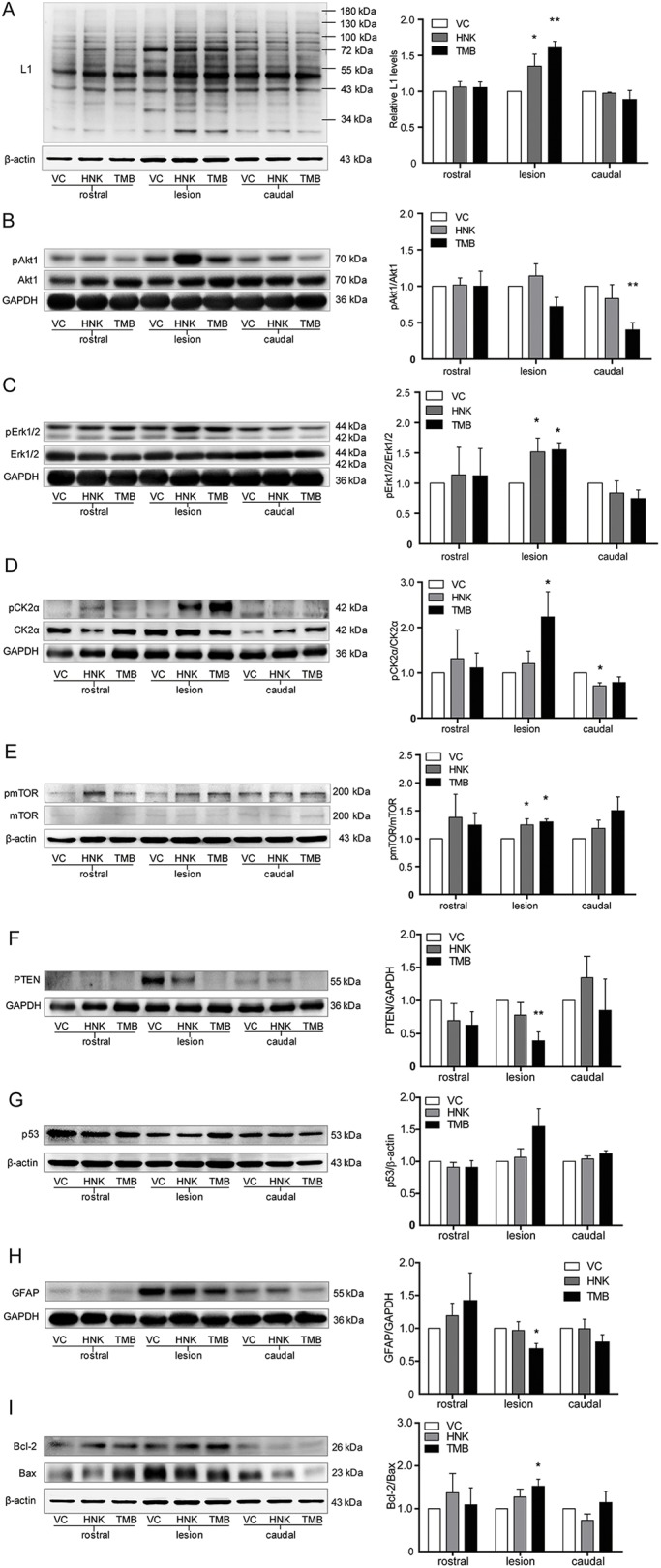
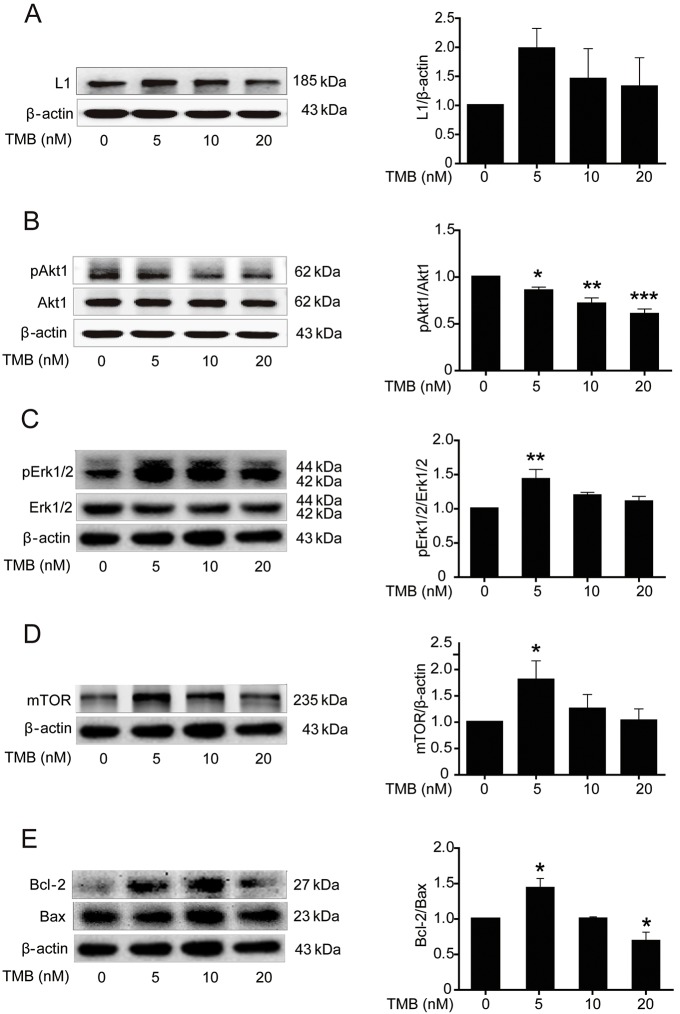
Curing spinal cord injury (SCI) in mammals is a daunting task because of the lack of permissive mechanisms and strong inhibitory responses at and around the lesion. The neural cell adhesion molecule L1CAM (L1) has been shown to favor axonal regrowth and enhance neuronal survival and synaptic plasticity but delivery of full-length L1 or its extracellular domain could encounter difficulties in translation to therapy in humans. We have, therefore, identified several small organic compounds that bind to L1 and stimulate neuronal survival, neuronal migration and neurite outgrowth in an L1-dependent manner. Here, we assessed the functions of two L1 mimetics, trimebutine and honokiol, in regeneration following SCI in young adult mice. Using the Basso Mouse Scale (BMS) score, we found that ground locomotion in trimebutine-treated mice recovered better than honokiol-treated or vehicle-receiving mice. Enhanced hindlimb locomotor functions in the trimebutine group were observed at 6 weeks after SCI. Immunohistology of the spinal cords rostral and caudal to the lesion site showed reduced areas and intensities of glial fibrillary acidic protein immunoreactivity in both trimebutine and honokiol groups, whereas increased regrowth of axons was observed only in the trimebutine-treated group. Both L1- and L1 mimetic-mediated intracellular signaling cascades in the spinal cord lesion sites were activated by trimebutine and honokiol, with trimebutine being more effective than honokiol. These observations suggest that trimebutine and, to a lesser extent under the present experimental conditions, honokiol have a potential for therapy in regeneration of mammalian spinal cord injuries.
治疗哺乳动物的脊髓损伤(SCI)是一项艰巨的任务,因为在损伤部位及其周围缺乏允许的机制和强烈的抑制反应。神经细胞粘附分子 L1CAM(L1)已被证明有利于轴突再生,并增强神经元存活和突触可塑性,但全长 L1 或其细胞外结构域的传递在向人类治疗的转化中可能会遇到困难。因此,我们已经鉴定出几种与 L1 结合并以 L1 依赖性方式刺激神经元存活、神经元迁移和突起生长的小分子化合物。在这里,我们评估了两种 L1 模拟物,曲美布汀和厚朴酚,在年轻成年小鼠 SCI 后再生中的功能。使用 Basso 小鼠量表(BMS)评分,我们发现曲美布汀治疗组的地面运动恢复优于厚朴酚治疗组或载体治疗组。SCI 后 6 周观察到曲美布汀组的后肢运动功能明显增强。损伤部位脊髓的组织化学研究显示,在曲美布汀和厚朴酚组中,神经胶质纤维酸性蛋白免疫反应的面积和强度均降低,而只有在曲美布汀治疗组中观察到轴突的再生增加。曲美布汀和厚朴酚均可激活脊髓损伤部位的 L1 和 L1 模拟物介导的细胞内信号级联反应,其中曲美布汀比厚朴酚更有效。这些观察结果表明,曲美布汀和在目前的实验条件下,厚朴酚在哺乳动物脊髓损伤的再生治疗中有一定的潜力。