Webb Lauren M, Lundie Rachel J, Borger Jessica G, Brown Sheila L, Connor Lisa M, Cartwright Adam Nr, Dougall Annette M, Wilbers Ruud Hp, Cook Peter C, Jackson-Jones Lucy H, Phythian-Adams Alexander T, Johansson Cecilia, Davis Daniel M, Dewals Benjamin G, Ronchese Franca, MacDonald Andrew S
Manchester Collaborative Centre for Inflammation Research, University of Manchester, Manchester, UK.
Institute of Immunology and Infection Research, Centre for Immunity, Infection and Evolution, University of Edinburgh, Edinburgh, UK.
EMBO J. 2017 Aug 15;36(16):2404-2418. doi: 10.15252/embj.201695345. Epub 2017 Jul 17.
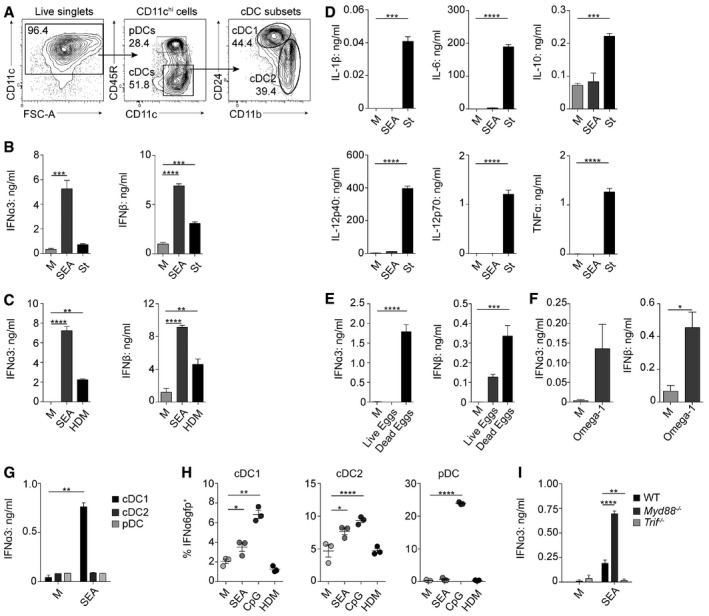
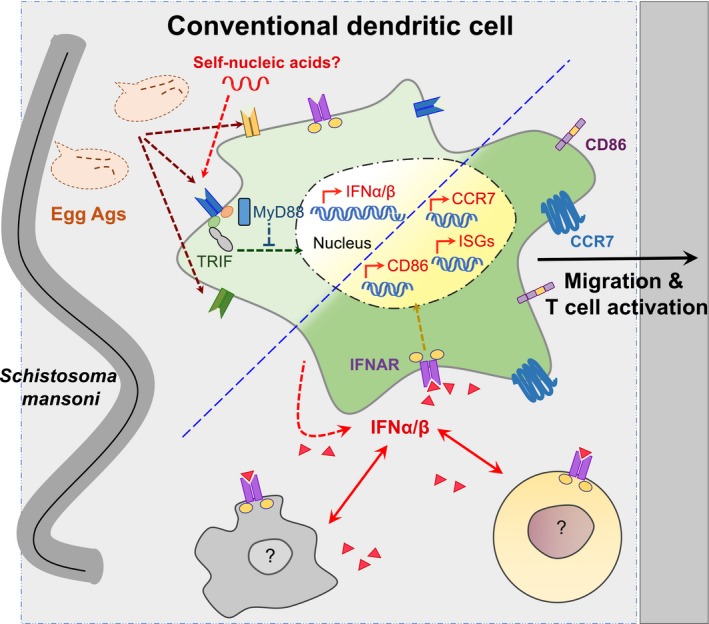
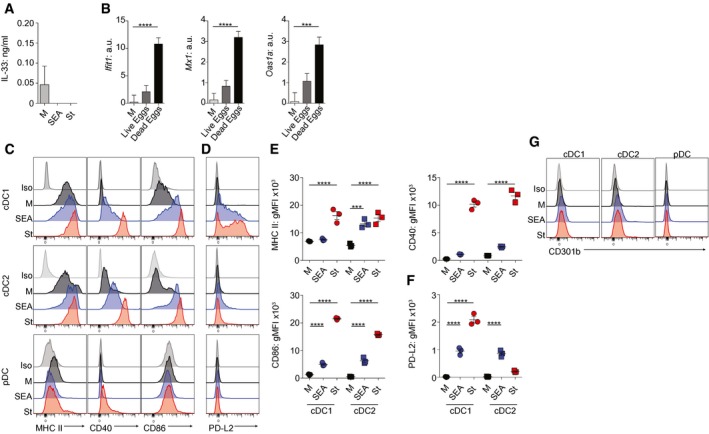
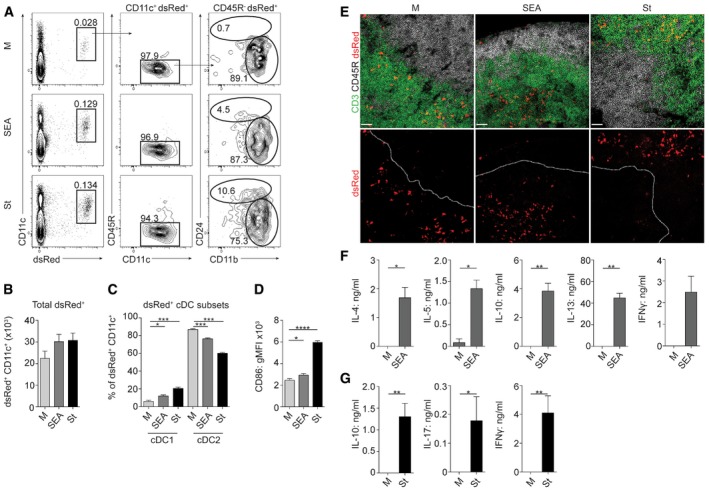
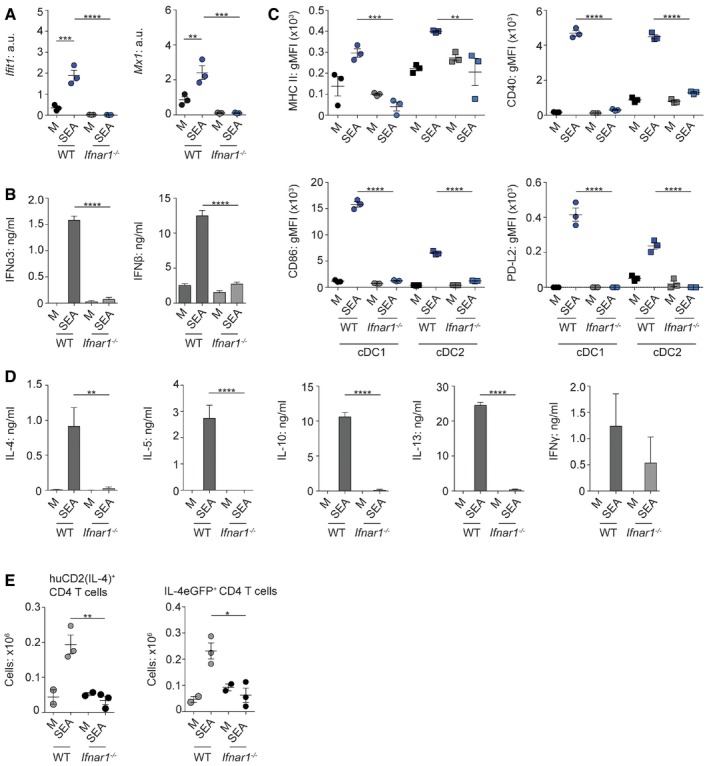
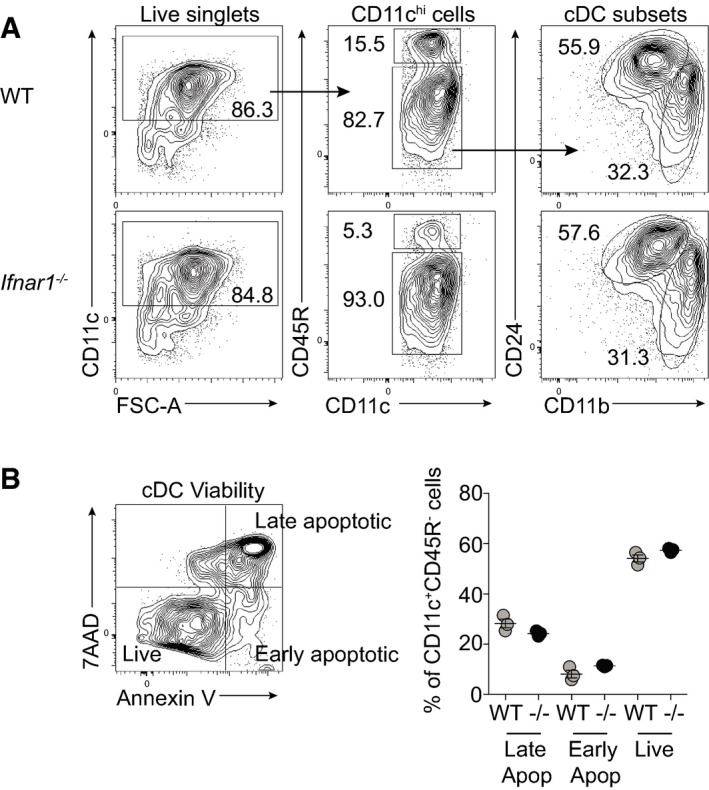
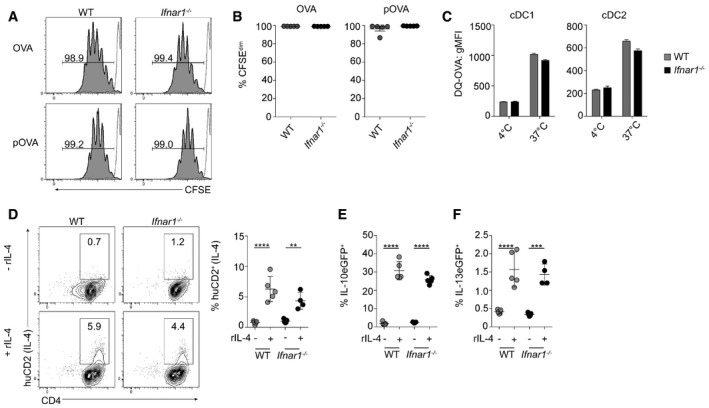
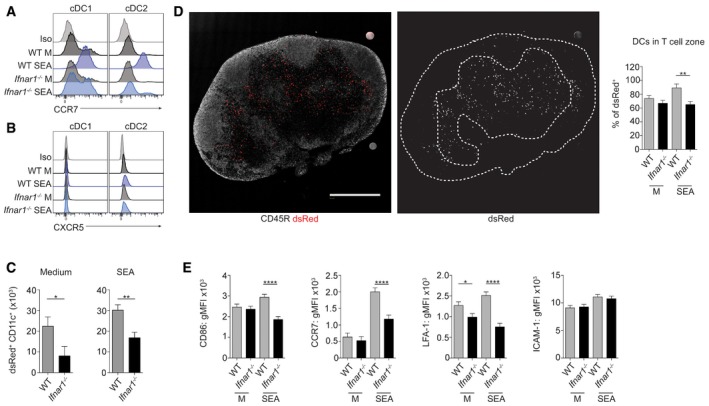
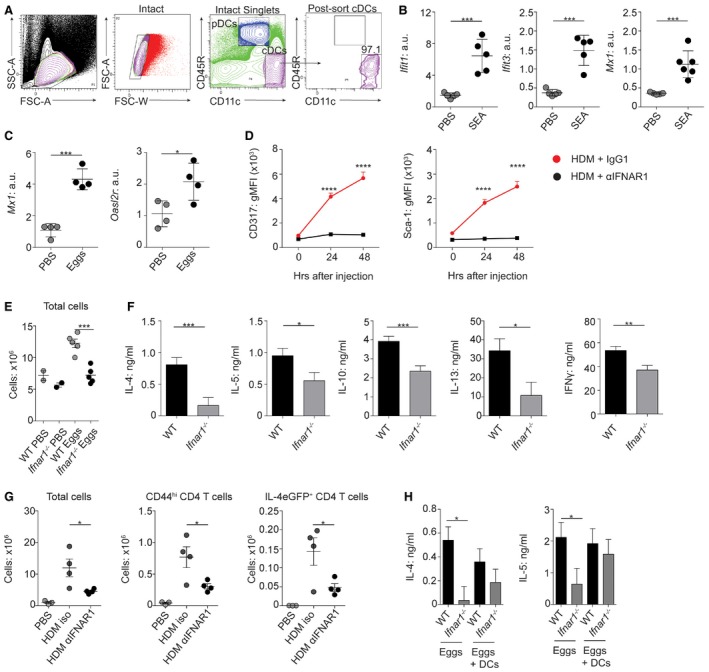
Type 2 inflammation is a defining feature of infection with parasitic worms (helminths), as well as being responsible for widespread suffering in allergies. However, the precise mechanisms involved in T helper (Th) 2 polarization by dendritic cells (DCs) are currently unclear. We have identified a previously unrecognized role for type I IFN (IFN-I) in enabling this process. An IFN-I signature was evident in DCs responding to the helminth or the allergen house dust mite (HDM). Further, IFN-I signaling was required for optimal DC phenotypic activation in response to helminth antigen (Ag), and efficient migration to, and localization with, T cells in the draining lymph node (dLN). Importantly, DCs generated from mice were incapable of initiating Th2 responses These data demonstrate for the first time that the influence of IFN-I is not limited to antiviral or bacterial settings but also has a central role to play in DC initiation of Th2 responses.
2型炎症是寄生虫(蠕虫)感染的一个显著特征,也是导致过敏症患者普遍痛苦的原因。然而,目前尚不清楚树突状细胞(DC)促使辅助性T细胞(Th)2极化的确切机制。我们发现了I型干扰素(IFN-I)在促成这一过程中以前未被认识到的作用。在对蠕虫或变应原屋尘螨(HDM)作出反应的DC中,IFN-I特征明显。此外,为了最佳地响应蠕虫抗原(Ag)而进行DC表型激活,以及有效地迁移到引流淋巴结(dLN)并与T细胞定位在一起,IFN-I信号传导是必需的。重要的是,从小鼠产生的DC无法启动Th2反应。这些数据首次证明,IFN-I的影响不仅限于抗病毒或细菌环境,而且在DC启动Th2反应中也起着核心作用。