Department of Urology, South Campus, Ren Ji Hospital, School of Medicine, Shanghai Jiaotong University, Shanghai, China.
Department of Urology, Shanghai General Hospital, School of Medicine, Shanghai Jiao Tong University, Shanghai, China.
Exp Mol Med. 2017 Jul 21;49(7):e357. doi: 10.1038/emm.2017.98.
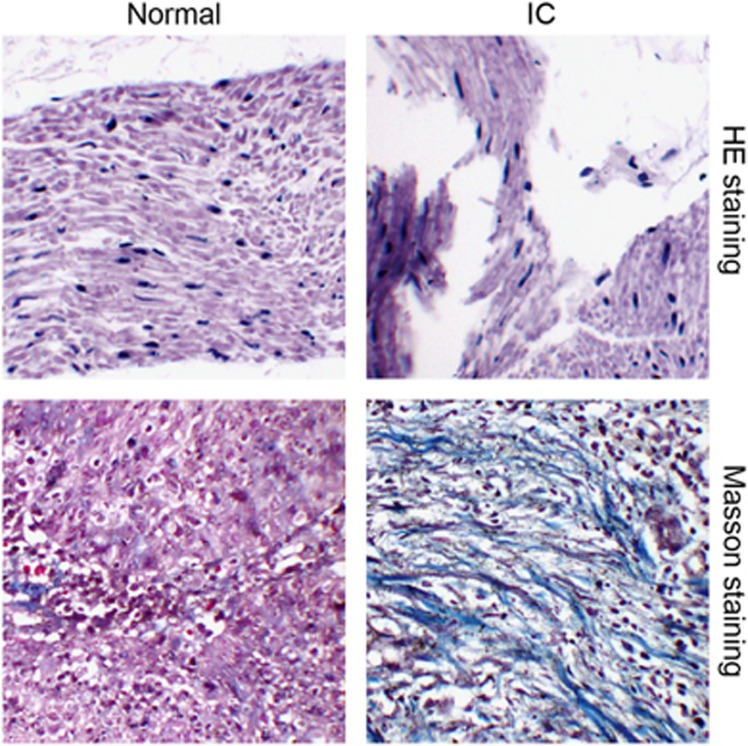
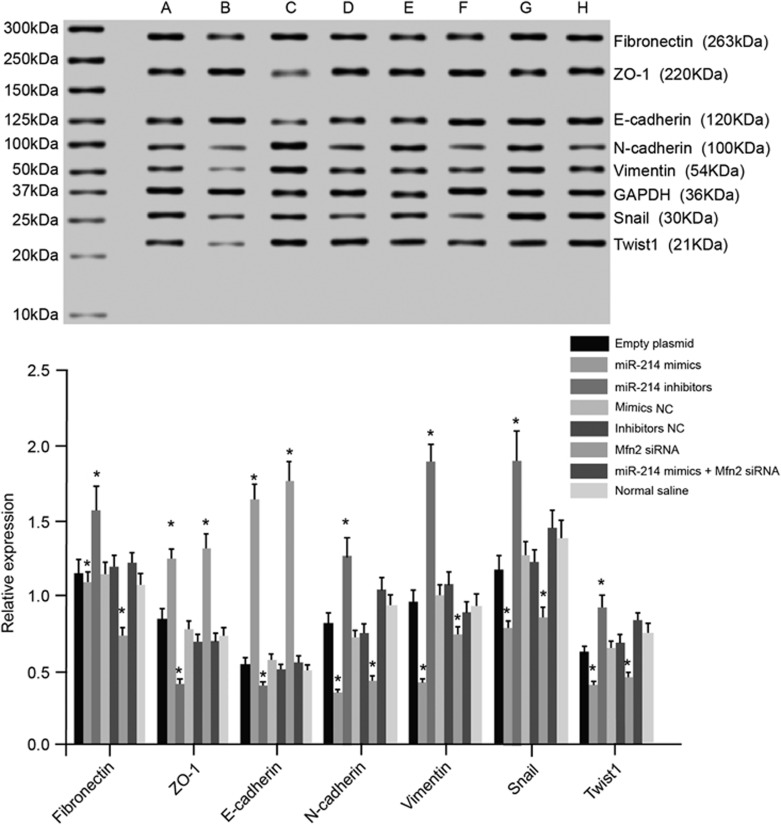
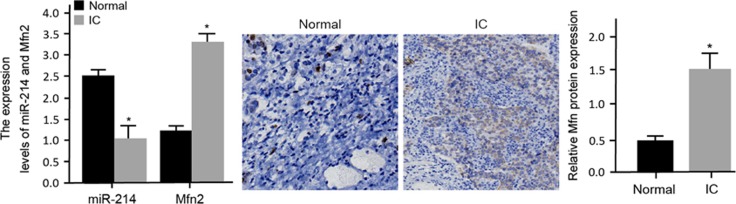
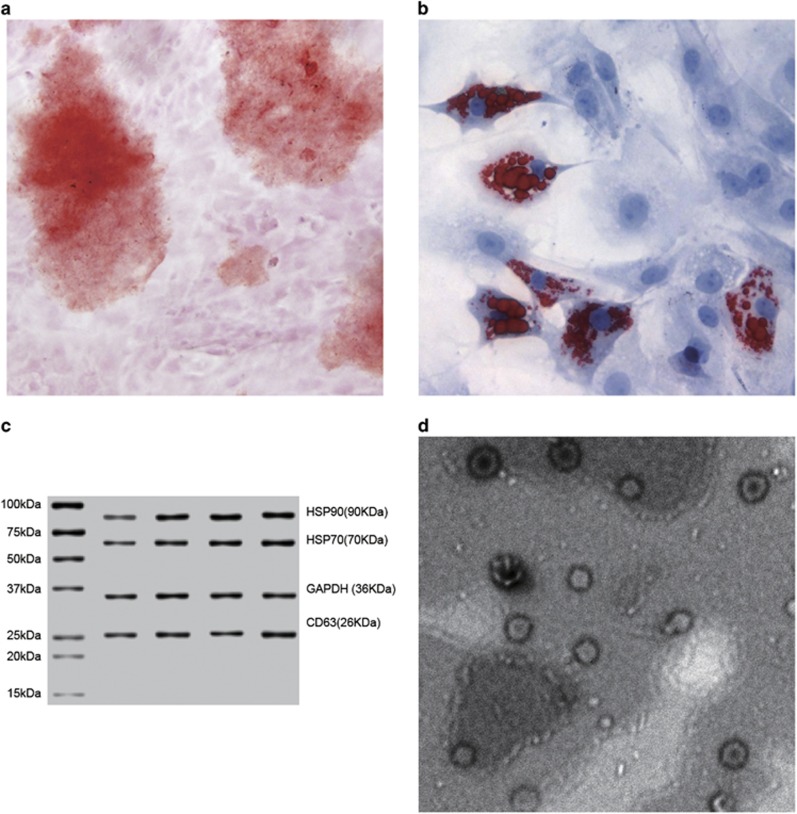
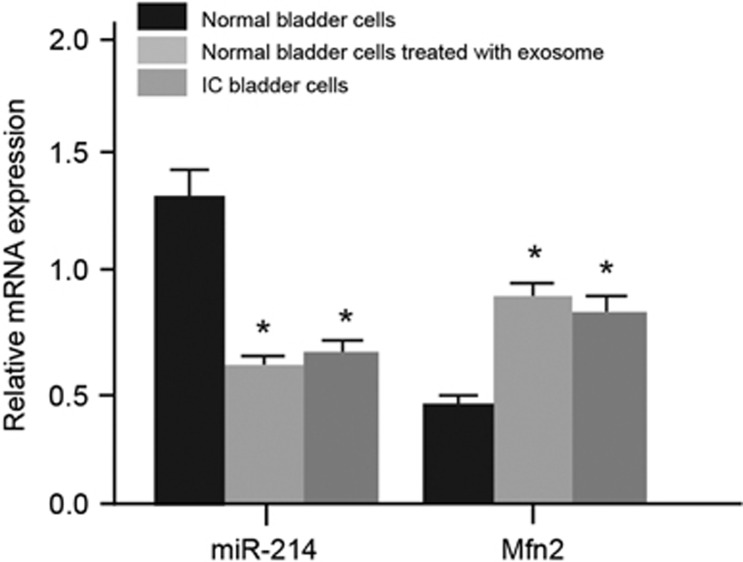
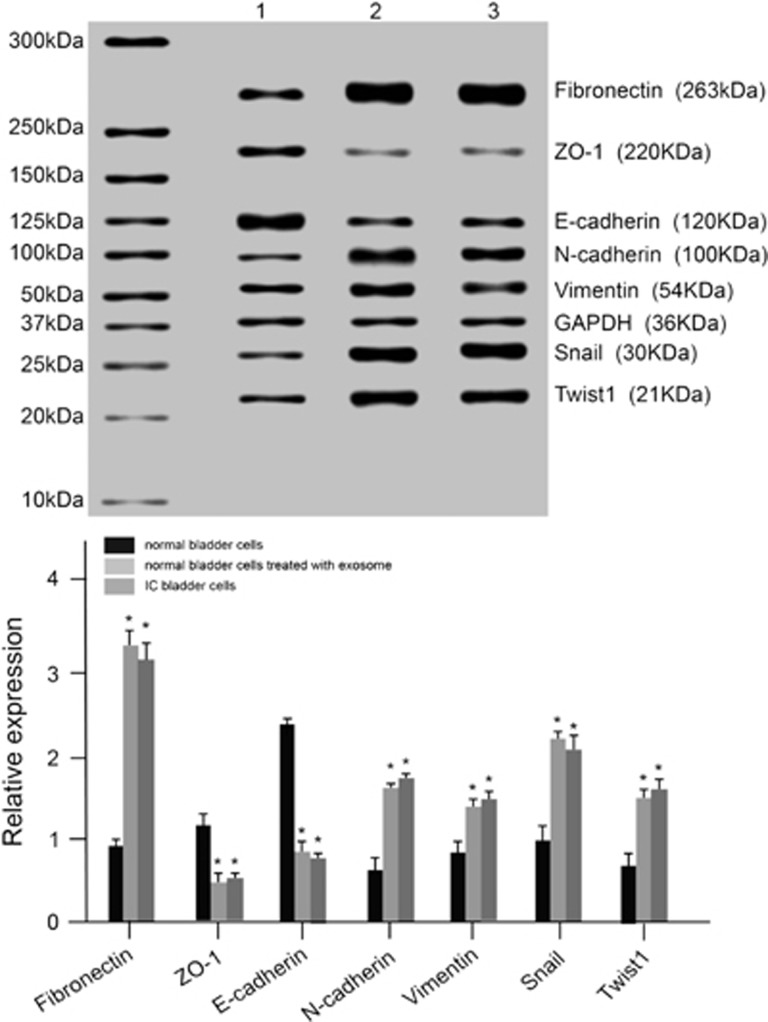
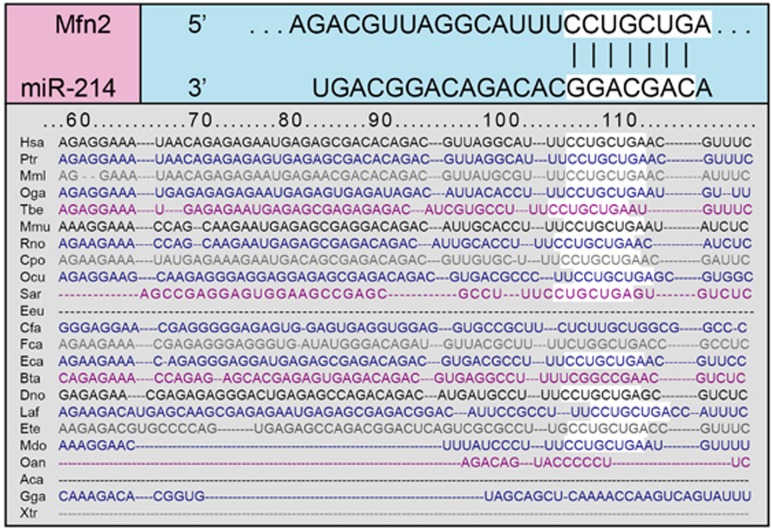
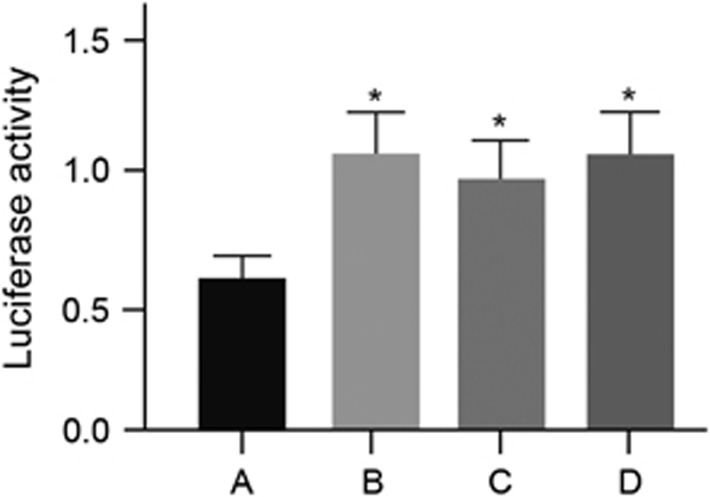
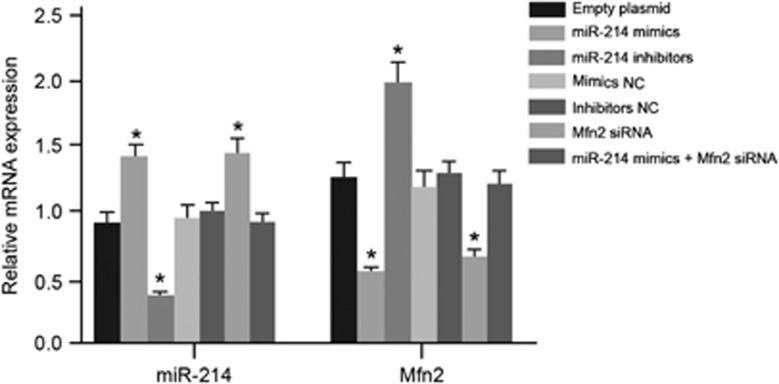
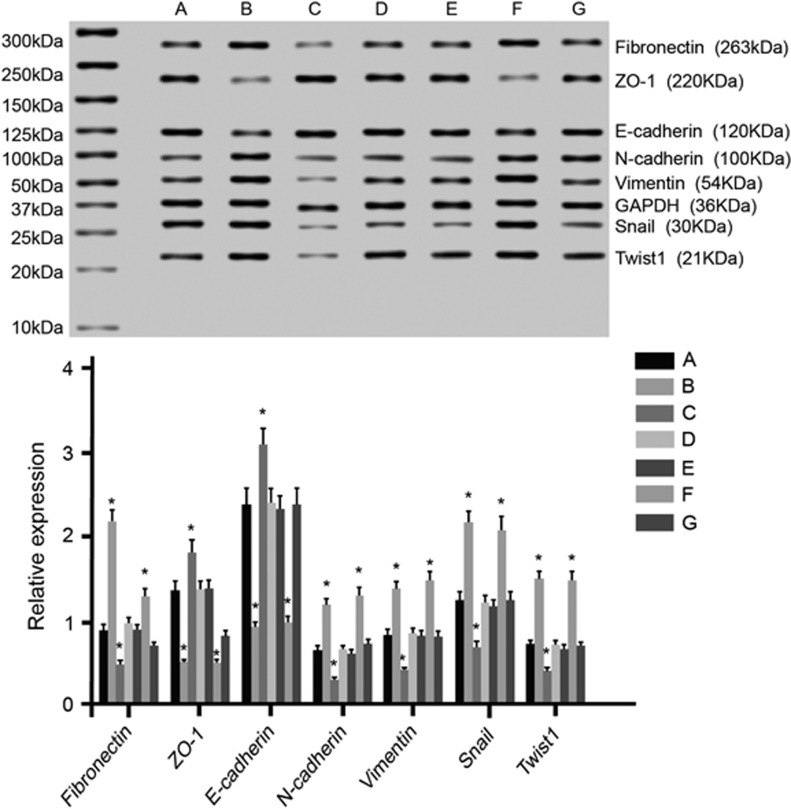
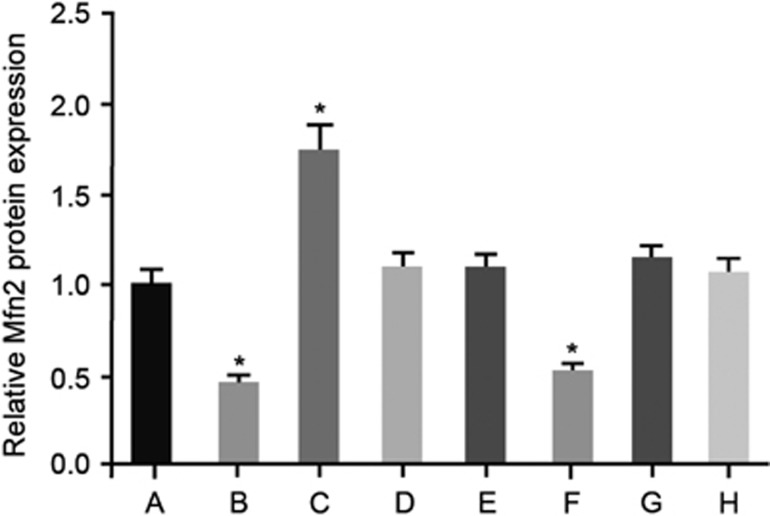
Our study aims to investigate the roles that microRNA-214 (miR-214) plays in the epithelial mesenchymal transition (EMT) process and the development of interstitial cystitis (IC) in postmenopausal women by targeting Mitofusin 2 (Mfn2). IC bladder tissues and adjacent normal bladder tissues were collected from postmenopausal women. Immunohistochemistry (IHC) staining was conducted. The target relationship between miR-214 and Mfn2 was determined by a dual luciferase reporter gene assay. Adipose-derived mesenchymal stem cells (ADMSCs) were extracted from postmenopausal rats and assigned to the blank, mimics, miR-214 inhibitors, mimics negative control (NC), inhibitors NC, Mfn2 siRNA, miR-214 inhibitors and Mfn2 siRNA groups. Exosomes secreted by transfected ADMSCs were instilled into the bladders of postmenopausal rats. The expression of miR-214 and Mfn2 mRNA and EMT markers was assessed by qRT-PCR and western blotting. It was confirmed that Mfn2 was the target gene of miR-214 in IC. Compared with the normal bladder tissues, miR-214 decreased, but Mfn2 increased in IC bladder tissues. Compared with the blank group, the expression of miR-214 and the expression levels of N-cadherin, Fibronectin, Twist1, Snail and Vimentin mRNA and protein increased, whereas the expression levels of Mfn2, E-cadherin and ZO-1 mRNA and protein decreased in the miR-214 mimics and Mfn2 groups. The expression of MiR-214 and the expression levels of N-cadherin, Fibronectin, Twist1, Snail and Vimentin mRNA and protein decreased, whereas the expression levels of Mfn2, E-cadherin and ZO-1 mRNA and protein increased in the miR-214 inhibitors group. Our findings indicate that the inhibition of miR-214 promotes the EMT process and contributes to bladder wall fibrosis by up-regulating Mfn2, thus leading to the occurrence of IC in postmenopausal women.
我们的研究旨在通过靶向线粒体融合蛋白 2(Mfn2)来探讨微小 RNA-214(miR-214)在绝经后妇女的上皮间质转化(EMT)过程和间质性膀胱炎(IC)发展中的作用。收集绝经后妇女的 IC 膀胱组织和相邻正常膀胱组织。进行免疫组织化学(IHC)染色。通过双荧光素酶报告基因检测确定 miR-214 和 Mfn2 之间的靶关系。从绝经后大鼠中提取脂肪间充质干细胞(ADMSCs),并将其分为空白组、模拟物组、miR-214 抑制剂组、模拟物阴性对照组(NC)、抑制剂 NC 组、Mfn2 siRNA 组、miR-214 抑制剂和 Mfn2 siRNA 组。转染的 ADMSCs 分泌的外泌体被注入绝经后大鼠的膀胱中。通过 qRT-PCR 和 Western blot 评估 miR-214 和 Mfn2 mRNA 和 EMT 标志物的表达。证实 Mfn2 是 IC 中 miR-214 的靶基因。与正常膀胱组织相比,IC 膀胱组织中 miR-214 减少,而 Mfn2 增加。与空白组相比,miR-214 模拟物和 Mfn2 组 miR-214 和 N-钙黏蛋白、纤连蛋白、Twist1、Snail 和波形蛋白 mRNA 和蛋白的表达增加,而 Mfn2、E-钙黏蛋白和 ZO-1 mRNA 和蛋白的表达减少。miR-214 抑制剂组 miR-214 的表达和 N-钙黏蛋白、纤连蛋白、Twist1、Snail 和波形蛋白 mRNA 和蛋白的表达降低,而 Mfn2、E-钙黏蛋白和 ZO-1 mRNA 和蛋白的表达增加。我们的研究结果表明,抑制 miR-214 通过上调 Mfn2 促进 EMT 过程,并导致膀胱壁纤维化,从而导致绝经后妇女发生 IC。