Tajebe Fitsumbrhan, Getahun Mulusew, Adem Emebet, Hailu Asrat, Lemma Mulualem, Fikre Helina, Raynes John, Tamiru Aschalew, Mulugeta Zemenay, Diro Ermias, Toulza Frederic, Shkedy Ziv, Ayele Tadesse, Modolell Manuel, Munder Markus, Müller Ingrid, Takele Yegnasew, Kropf Pascale
Department of Immunology and Molecular Biology, University of Gondar, Gondar, Ethiopia.
Leishmaniasis Research and Treatment Centre, University of Gondar, Gondar, Ethiopia.
PLoS Negl Trop Dis. 2017 Jul 21;11(7):e0005727. doi: 10.1371/journal.pntd.0005727. eCollection 2017 Jul.
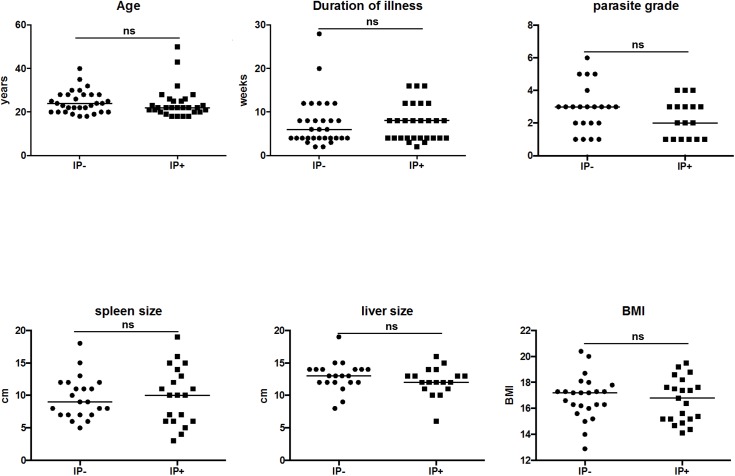
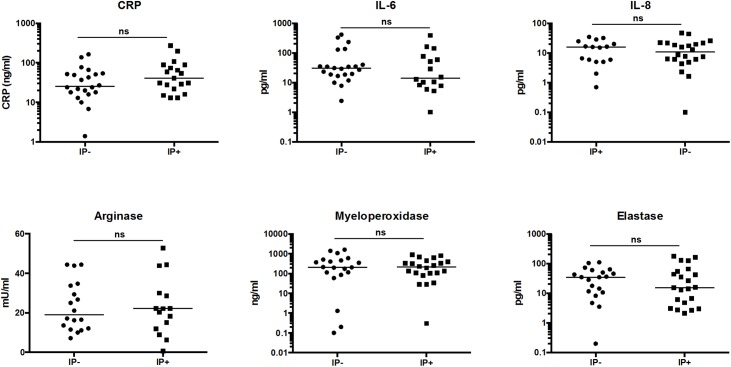
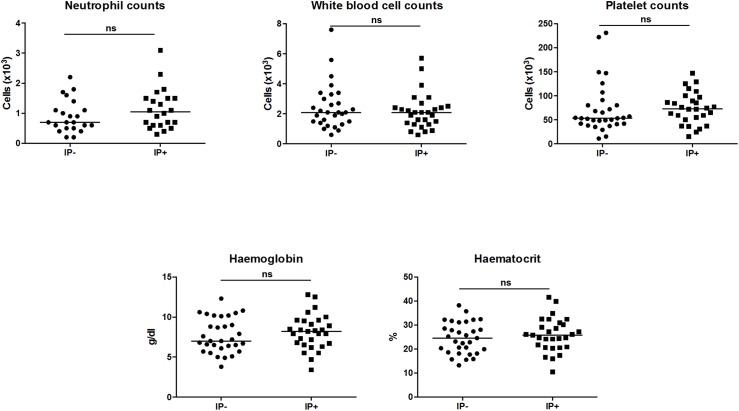
Visceral leishmaniasis (VL) is a neglected tropical disease that affects the poorest communities and can cause substantial morbidity and mortality. Visceral leishmaniasis is characterized by the presence of Leishmania parasites in the spleen, liver and bone marrow, hepatosplenomegaly, pancytopenia, prolonged fever, systemic inflammation and low body mass index (BMI). The factors impacting on the severity of VL are poorly characterized. Here we performed a cross-sectional study to assess whether co-infection of VL patients with intestinal parasites influences disease severity, assessed with clinical and haematological data, inflammation, cytokine profiles and BMI. Data from VL patients was similar to VL patients co-infected with intestinal parasites, suggesting that co-infection of VL patients with intestinal parasites does not alter disease severity.
内脏利什曼病(VL)是一种被忽视的热带疾病,影响着最贫困的社区,可导致严重的发病和死亡。内脏利什曼病的特征是脾脏、肝脏和骨髓中存在利什曼原虫寄生虫、肝脾肿大、全血细胞减少、长期发热、全身炎症和低体重指数(BMI)。影响VL严重程度的因素尚不明确。在此,我们进行了一项横断面研究,以评估VL患者合并肠道寄生虫感染是否会影响疾病严重程度,通过临床和血液学数据、炎症、细胞因子谱和BMI进行评估。VL患者的数据与合并肠道寄生虫感染的VL患者相似,这表明VL患者合并肠道寄生虫感染不会改变疾病严重程度。