Coates Bria M, Staricha Kelly L, Ravindran Nandini, Koch Clarissa M, Cheng Yuan, Davis Jennifer M, Shumaker Dale K, Ridge Karen M
Department of Pediatrics, Feinberg School of Medicine, Northwestern University, Chicago, IL, United States.
Ann & Robert H. Lurie Children's Hospital of Chicago, Chicago, IL, United States.
Front Immunol. 2017 Jul 10;8:782. doi: 10.3389/fimmu.2017.00782. eCollection 2017.
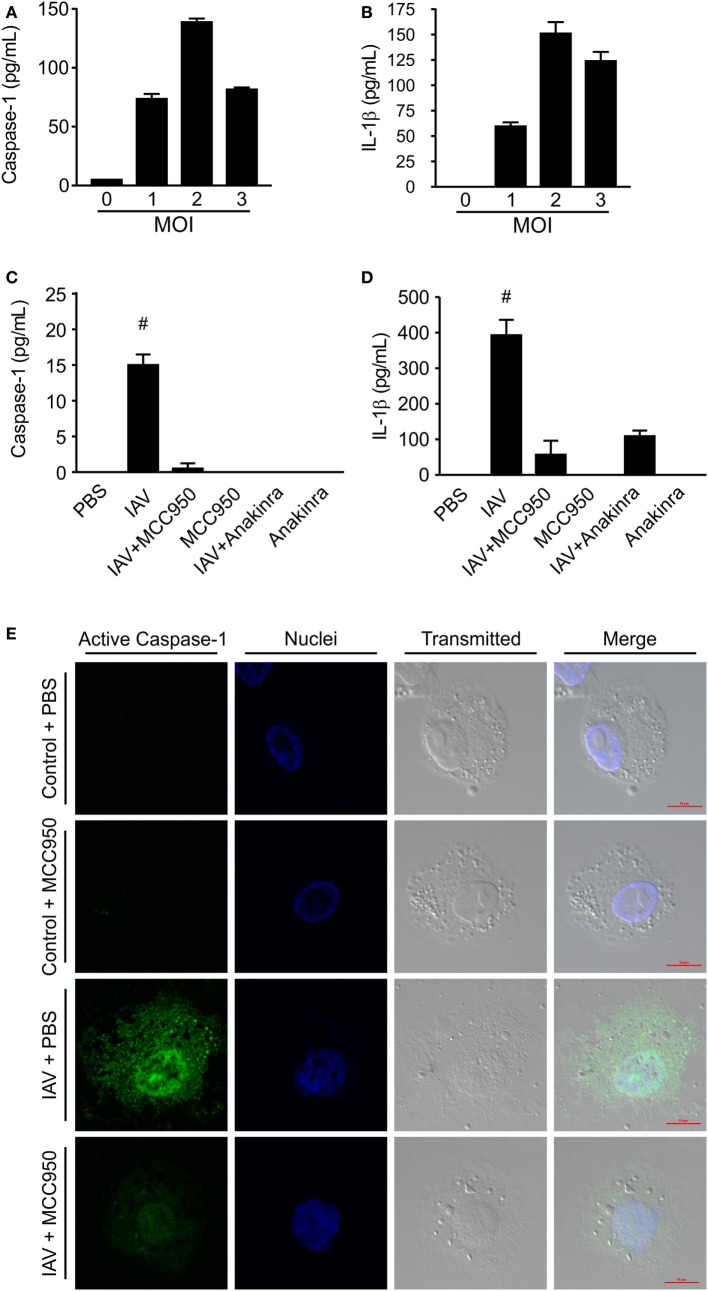
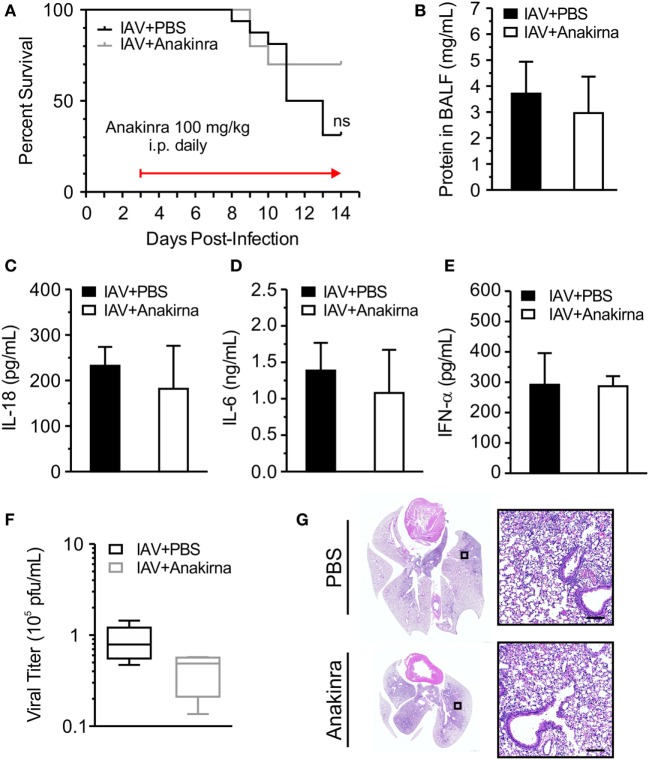
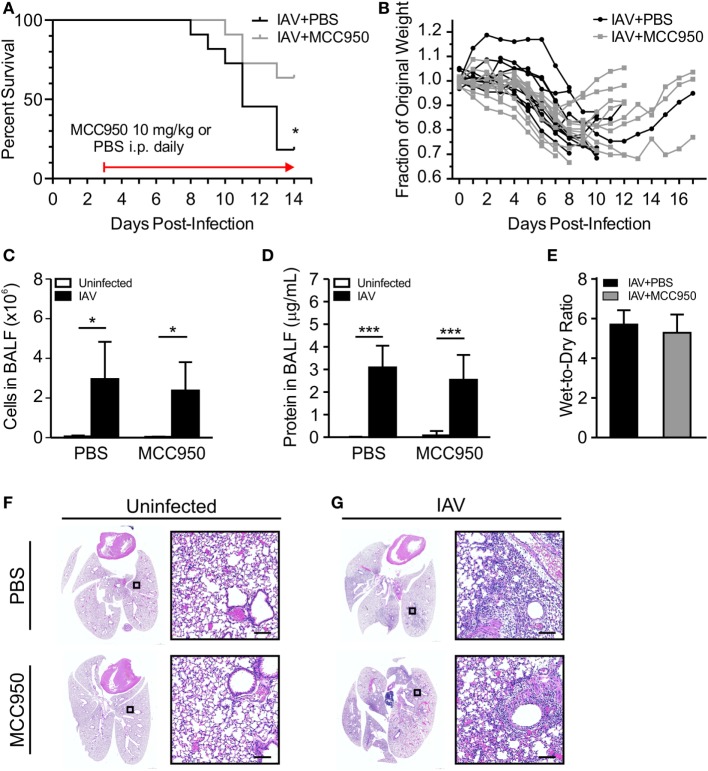
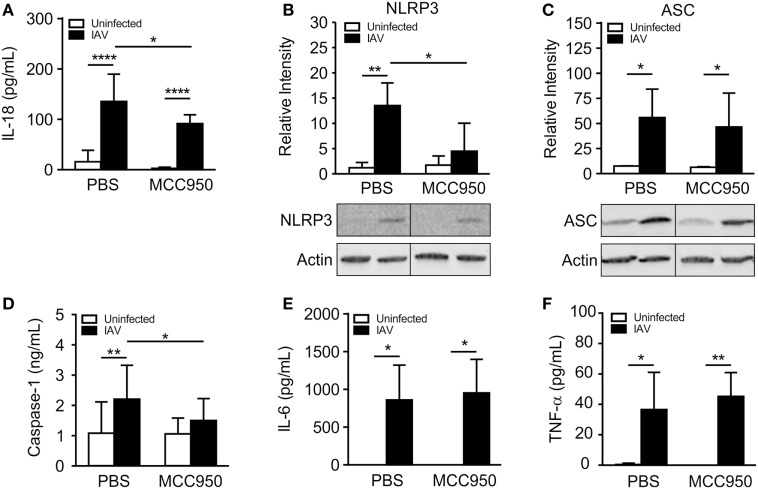
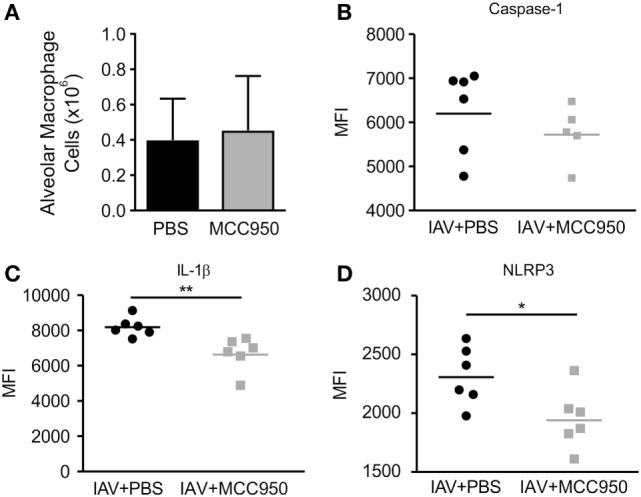
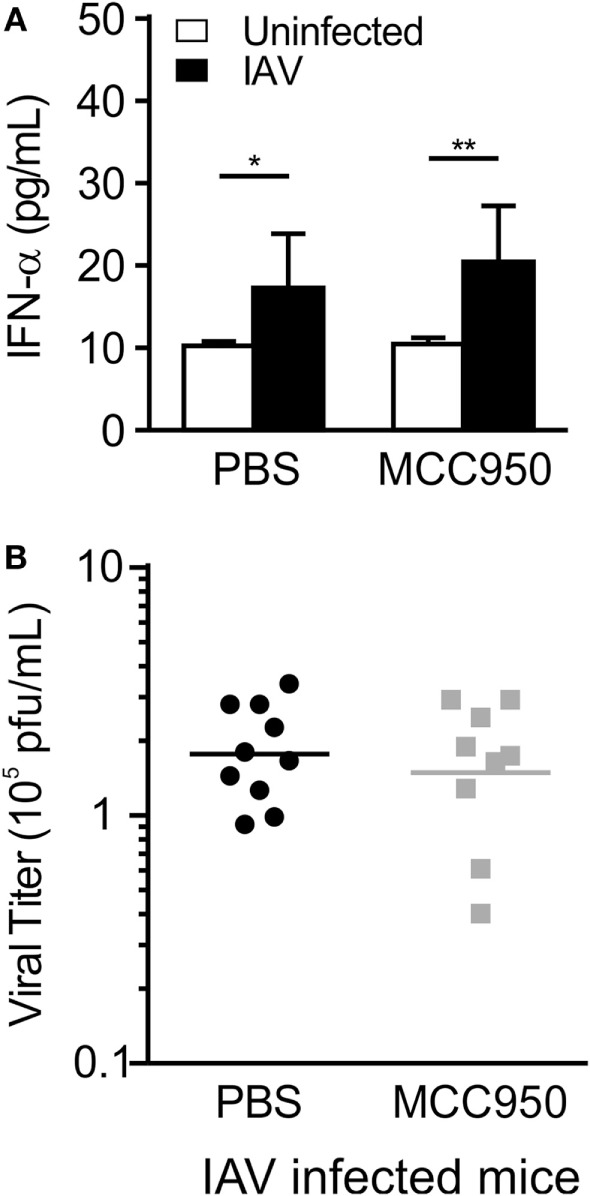
Influenza A virus (IAV) is a significant cause of life-threatening lower respiratory tract infections in children. Antiviral therapy is the mainstay of treatment, but its effectiveness in this age group has been questioned. In addition, damage inflicted on the lungs by the immune response to the virus may be as important to the development of severe lung injury during IAV infection as the cytotoxic effects of the virus itself. A crucial step in the immune response to IAV is activation of the NOD-like receptor protein 3 (NLRP3) inflammasome and the subsequent secretion of the inflammatory cytokines, interleukin-1β (IL-1β), and interleukin-18 (IL-18). The IAV matrix 2 proton channel (M2) has been shown to be an important activator of the NLRP3 inflammasome during IAV infection. We sought to interrupt this ion channel-mediated activation of the NLRP3 inflammasome through inhibition of NLRP3 or the cytokine downstream from its activation, IL-1β. Using our juvenile mouse model of IAV infection, we show that inhibition of the NLRP3 inflammasome with the small molecule inhibitor, MCC950, beginning 3 days after infection with IAV, improves survival in juvenile mice. Treatment with MCC950 reduces NLRP3 levels in lung homogenates, decreases IL-18 secretion into the alveolar space, and inhibits NLRP3 inflammasome activation in alveolar macrophages. Importantly, inhibition of the NLRP3 inflammasome with MCC950 does not impair viral clearance. In contrast, inhibition of IL-1β signaling with the IL-1 receptor antagonist, anakinra, is insufficient to protect juvenile mice from IAV. Our findings suggest that targeting the NLRP3 inflammasome in juvenile IAV infection may improve disease outcomes in this age group.
甲型流感病毒(IAV)是导致儿童危及生命的下呼吸道感染的重要原因。抗病毒治疗是主要的治疗手段,但其在该年龄组中的有效性受到质疑。此外,病毒免疫反应对肺部造成的损伤在IAV感染期间对严重肺损伤的发展可能与病毒本身的细胞毒性作用同样重要。对IAV免疫反应的关键步骤是NOD样受体蛋白3(NLRP3)炎性小体的激活以及随后炎性细胞因子白细胞介素-1β(IL-1β)和白细胞介素-18(IL-18)的分泌。IAV基质2质子通道(M2)已被证明是IAV感染期间NLRP3炎性小体的重要激活剂。我们试图通过抑制NLRP3或其激活下游的细胞因子IL-1β来阻断这种离子通道介导的NLRP3炎性小体激活。使用我们的IAV感染幼年小鼠模型,我们发现用小分子抑制剂MCC950在感染IAV后3天开始抑制NLRP3炎性小体,可提高幼年小鼠的存活率。用MCC950治疗可降低肺匀浆中的NLRP3水平,减少IL-至肺泡腔的分泌,并抑制肺泡巨噬细胞中NLRP3炎性小体的激活。重要的是,用MCC950抑制NLRP3炎性小体不会损害病毒清除。相比之下,用IL-1受体拮抗剂阿那白滞素抑制IL-1β信号传导不足以保护幼年小鼠免受IAV感染。我们的研究结果表明,在幼年IAV感染中靶向NLRP3炎性小体可能改善该年龄组的疾病结局。 18分泌到肺泡腔中,并抑制肺泡巨噬细胞中NLRP3炎性小体的激活。重要的是,用MCC950抑制NLRP3炎性小体不会损害病毒清除。相比之下,用IL-1受体拮抗剂阿那白滞素抑制IL-1β信号传导不足以保护幼年小鼠免受IAV感染。我们的研究结果表明,在幼年IAV感染中靶向NLRP3炎性小体可能改善该年龄组的疾病结局。