Senneby A, Davies J R, Svensäter G, Neilands J
Department of Oral and Maxillofacial Radiology, Malmö University, Faculty of Odontology, 205 06, Malmö, SE, Sweden.
Department of Oral Biology, Faculty of Odontology, Malmö University, Malmö, Sweden.
BMC Microbiol. 2017 Jul 25;17(1):165. doi: 10.1186/s12866-017-1074-7.
The ecological plaque hypothesis explains caries development as the result of the enrichment of acid tolerant bacteria in dental biofilms in response to prolonged periods of low pH. Acid production by an acid tolerant microflora causes demineralisation of tooth enamel and thus, individuals with a greater proportion of acid tolerant bacteria would be expected to be more prone to caries development. Biofilm acid tolerance could therefore be a possible biomarker for caries prediction. However, little is known about the stability of biofilm acid tolerance over time in vivo or the distribution throughout the oral cavity. Therefore the aim of this study was to assess intra-individual differences in biofilm acid-tolerance between different tooth surfaces and inter-individual variation as well as stability of acid tolerance over time.
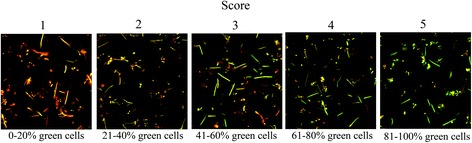
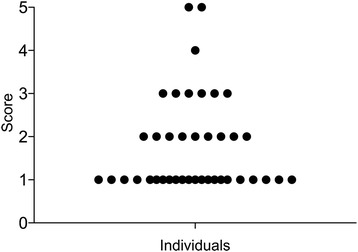
The majority of the adolescents showed low scores for biofilm acid tolerance. In 14 of 20 individuals no differences were seen between the three tooth sites examined. In the remaining six, acid-tolerance at the premolar site differed from one of the other sites. At 51 of 60 tooth sites, acid-tolerance at baseline was unchanged after 1 month. However, acid tolerance values changed over a 1-year period in 50% of the individuals.
Biofilm acid tolerance showed short-term stability and low variation between different sites in the same individual suggesting that the acid tolerance could be a promising biological biomarker candidate for caries prediction. Further evaluation is however needed and prospective clinical trials are called for to evaluate the diagnostic accuracy.
生态菌斑假说是指龋病的发生是由于牙菌斑中耐酸细菌在长时间低pH环境下富集所致。耐酸微生物产生的酸会导致牙釉质脱矿,因此,耐酸细菌比例较高的个体预计更容易发生龋齿。因此,生物膜耐酸性可能是龋齿预测的一个潜在生物标志物。然而,关于生物膜耐酸性在体内随时间的稳定性或在口腔中的分布情况,我们知之甚少。因此,本研究的目的是评估不同牙齿表面之间生物膜耐酸性的个体内差异、个体间差异以及耐酸性随时间的稳定性。
大多数青少年的生物膜耐酸性得分较低。在20名个体中,有14名在检查的三个牙齿部位之间未发现差异。在其余6名个体中,前磨牙部位的耐酸性与其他部位之一不同。在60个牙齿部位中的51个,1个月后基线时的耐酸性未发生变化。然而,50%的个体在1年期间耐酸性值发生了变化。
生物膜耐酸性显示出短期稳定性,且同一人不同部位之间差异较小,这表明耐酸性可能是一种有前景的龋齿预测生物标志物候选指标。然而,仍需要进一步评估,并需要进行前瞻性临床试验来评估其诊断准确性。