Kaur Gurmeet, Balamurugan P, Princy S Adline
Quorum Sensing Laboratory, Centre for Research in Infectious Diseases, School of Chemical and Biotechnology, SASTRA UniversityThanjavur, India.
Front Cell Infect Microbiol. 2017 Jul 12;7:313. doi: 10.3389/fcimb.2017.00313. eCollection 2017.
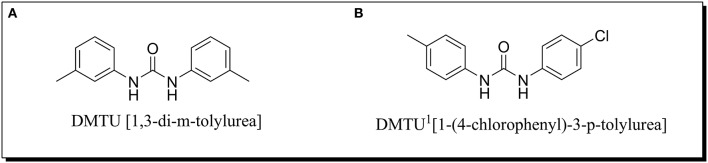
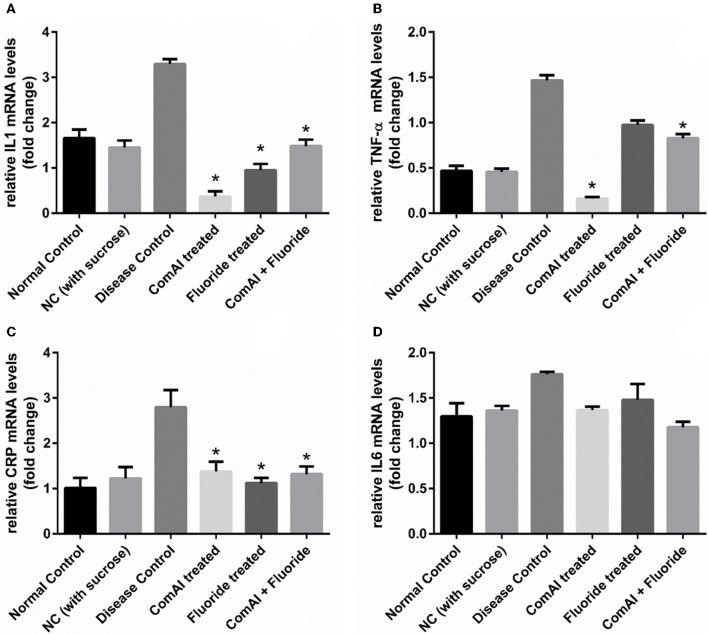
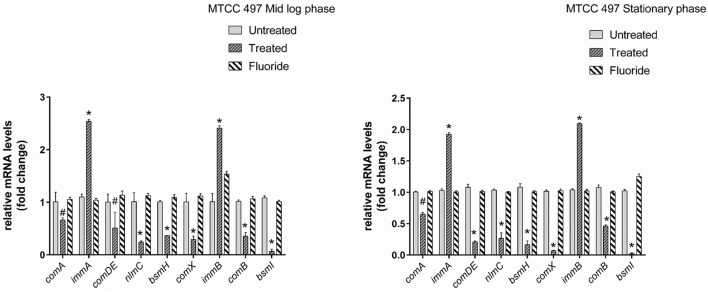
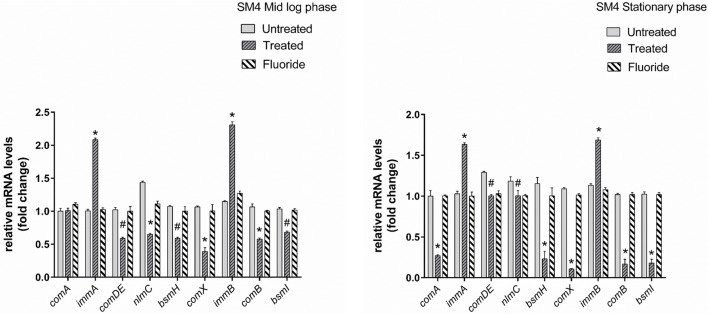
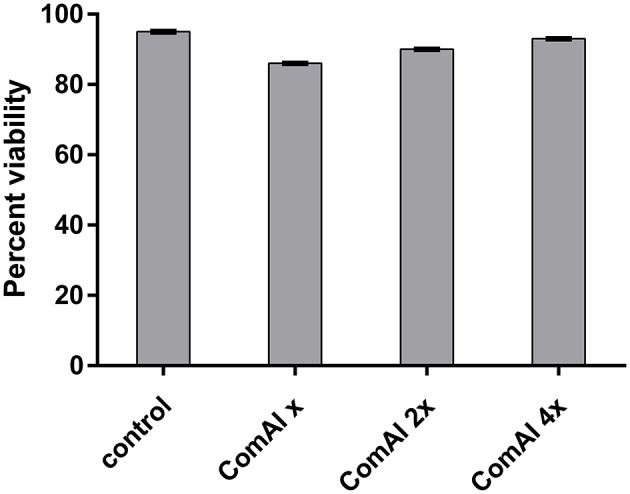
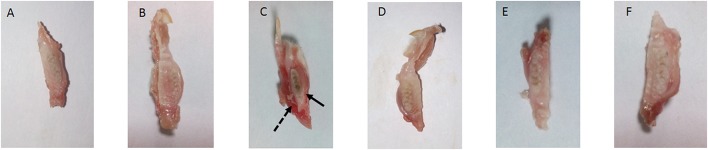
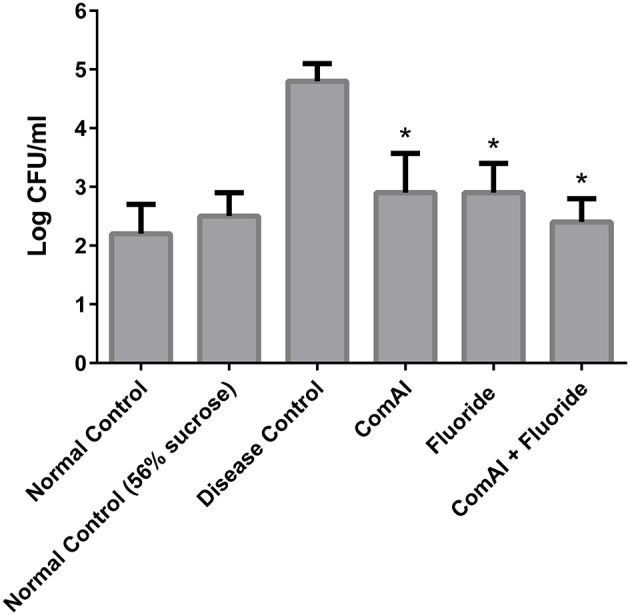
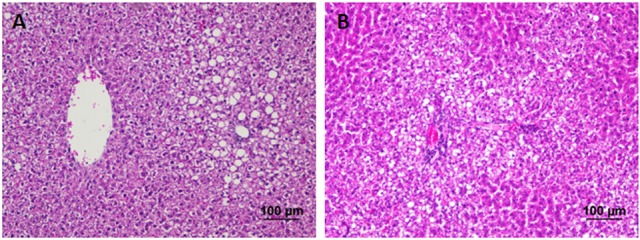
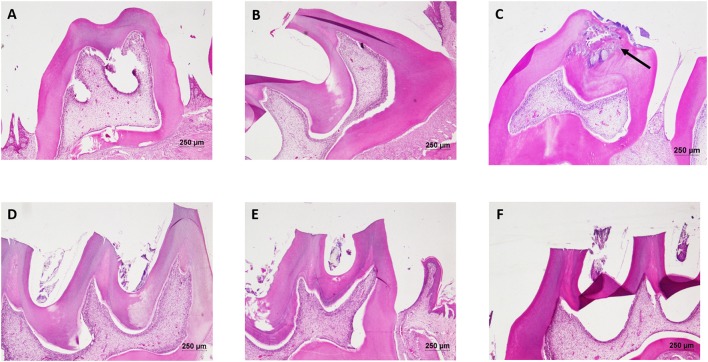
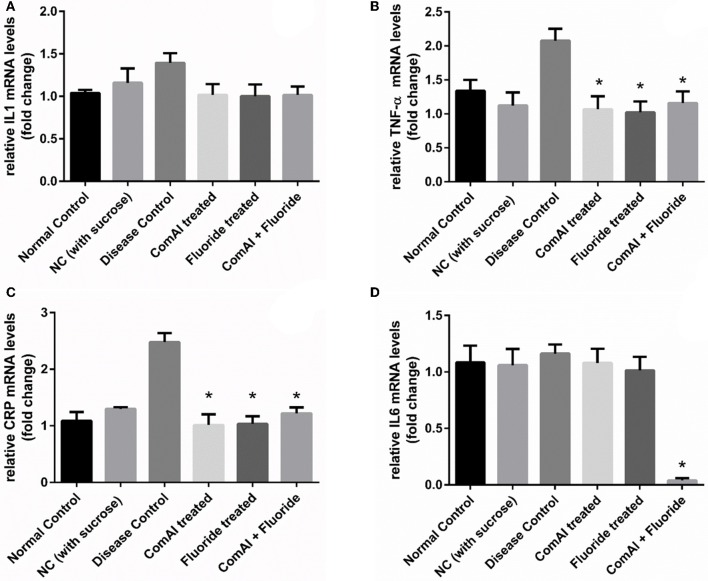
Dental caries occurs as a result of dysbiosis among commensal and pathogenic bacteria leading to demineralization of enamel within a dental biofilm (plaque) as a consequence of lower pH in the oral cavity. In our previous study, we have reported 1,3-disubstituted ureas particularly, 1,3-di-m-tolylurea (DMTU) could inhibit the biofilm formation along with lower concentrations of fluoride (31.25 ppm) without affecting bacterial growth. In the present study, RT-qPCR analysis showed the target specific molecular mechanism of DMTU. treatment with DMTU, alone or in combination with fluoride, resulted in inhibition of caries (biofilm development of ) using a Wistar rat model for dental caries. The histopathological analysis reported the development of lesions on dentine in infected subjects whereas the dentines of treated rodents were found to be intact and healthy. Reduction in inflammatory markers in rodents' blood and liver samples was observed when treated with DMTU. Collectively, data speculate that DMTU is an effective anti-biofilm and anti-inflammatory agent, which may improve the cariostatic properties of fluoride.
龋齿是由于共生菌和致病菌之间的生态失调导致牙菌斑中牙釉质脱矿,这是口腔中pH值降低的结果。在我们之前的研究中,我们报道了1,3-二取代脲,特别是1,3-二间甲苯基脲(DMTU)可以在较低浓度的氟化物(31.25 ppm)下抑制生物膜形成,而不影响细菌生长。在本研究中,RT-qPCR分析显示了DMTU的靶向特异性分子机制。单独或与氟化物联合使用DMTU进行治疗,使用Wistar大鼠龋齿模型可抑制龋齿(生物膜形成)。组织病理学分析报告了受感染受试者牙本质上病变的发展,而经治疗的啮齿动物的牙本质被发现是完整且健康的。用DMTU治疗时,观察到啮齿动物血液和肝脏样本中的炎症标志物减少。总体而言,数据推测DMTU是一种有效的抗生物膜和抗炎剂,可能会改善氟化物的防龋性能。