Alvarez-Silva María Camila, Álvarez-Yela Astrid Catalina, Gómez-Cano Fabio, Zambrano María Mercedes, Husserl Johana, Danies Giovanna, Restrepo Silvia, González-Barrios Andrés Fernando
Grupo de Diseño de Productos y Procesos (GDPP), Department of Chemical Engineering, Universidad de los Andes, Bogotá, Colombia.
Laboratorio de Micología y Fitopatología (LAMFU), Department of Biological Sciences, Universidad de los Andes, Bogotá, Colombia.
PLoS One. 2017 Aug 2;12(8):e0181826. doi: 10.1371/journal.pone.0181826. eCollection 2017.
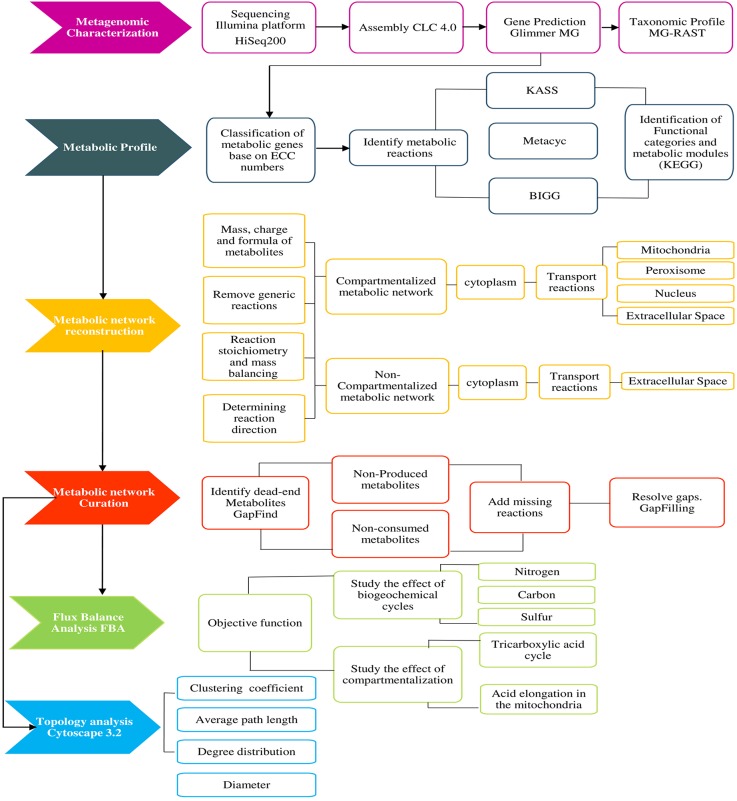
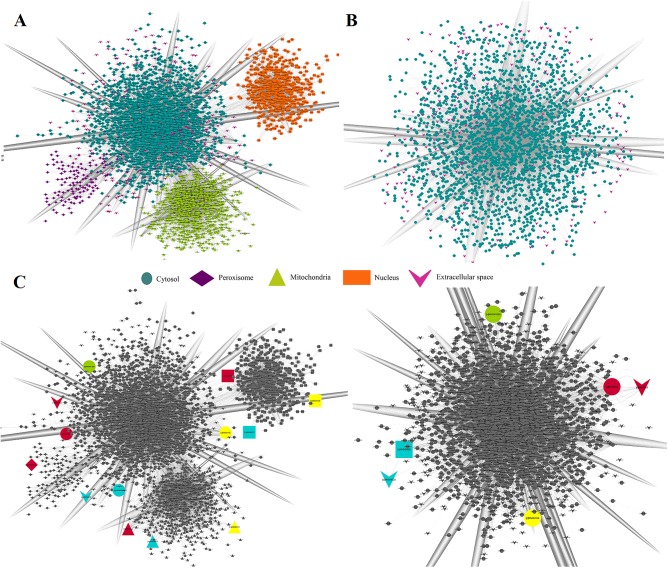
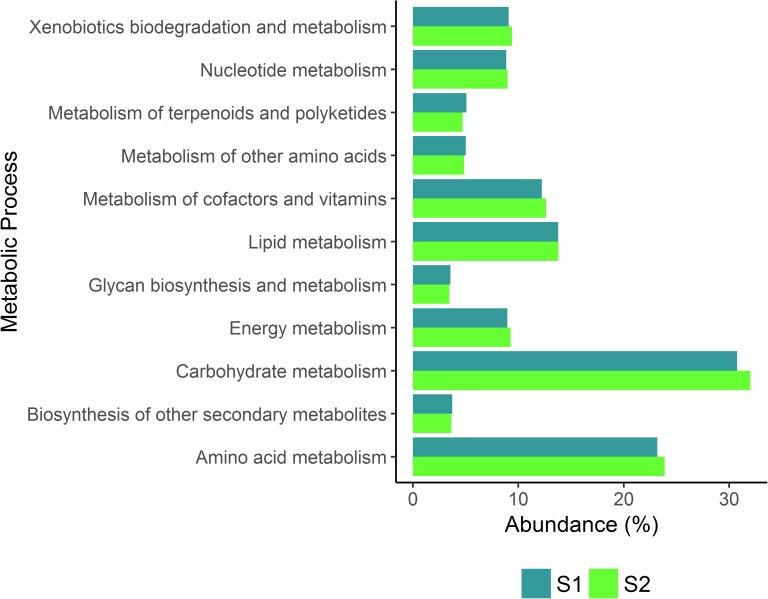
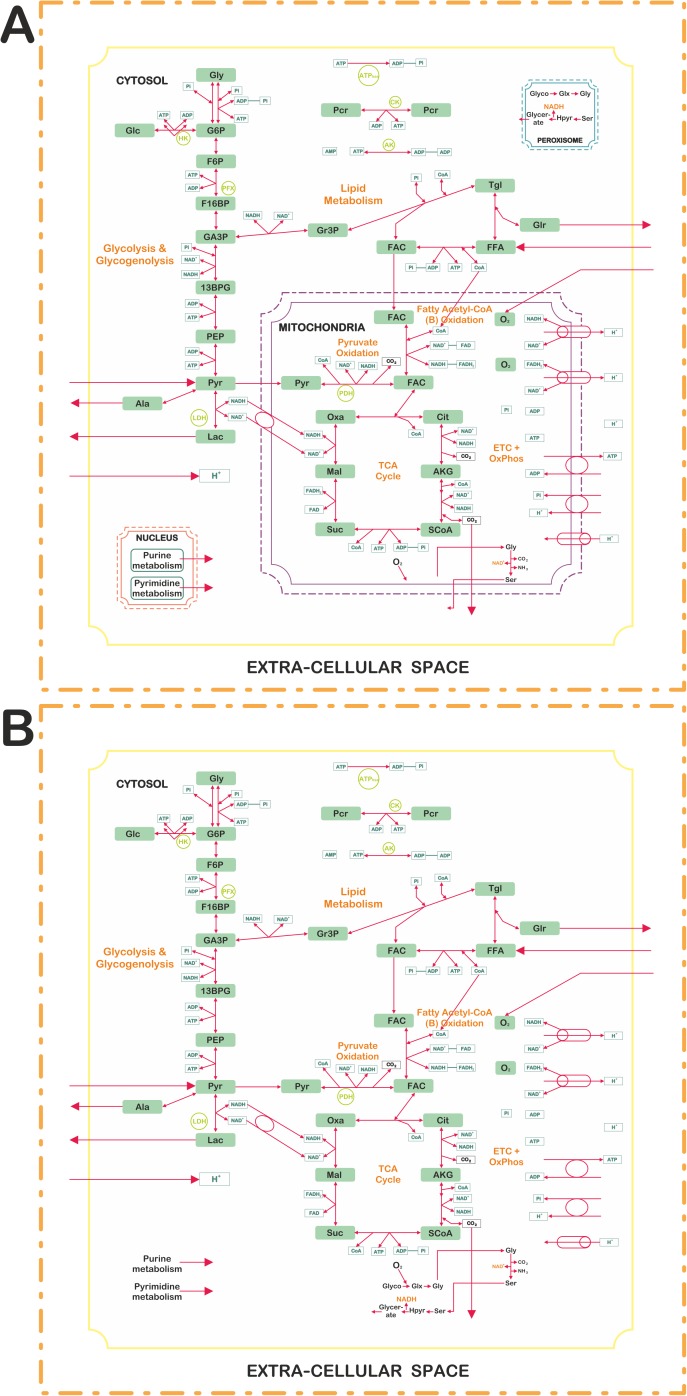
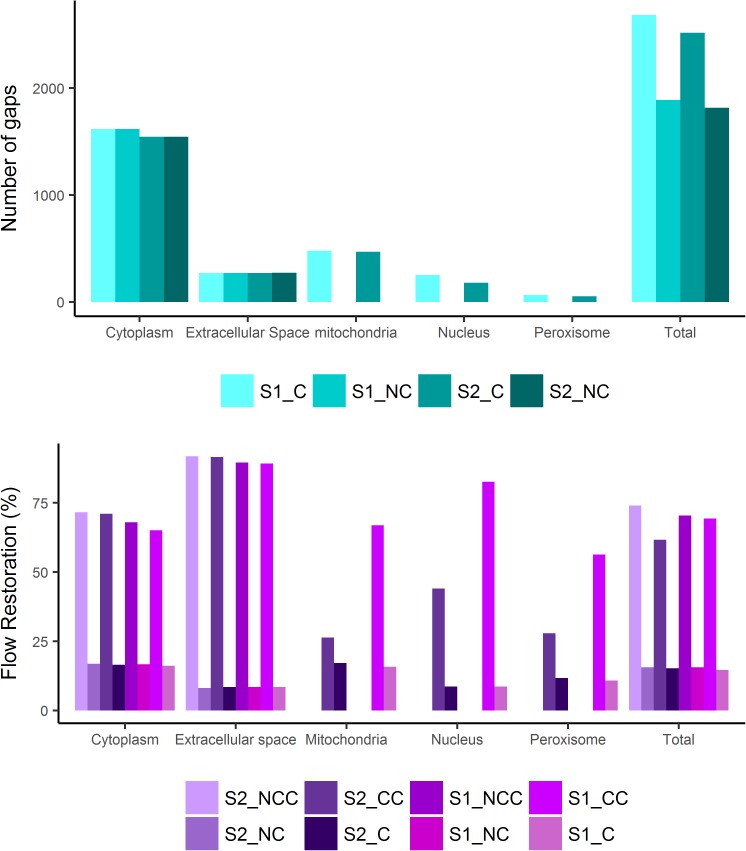
Soil microbial communities are responsible for a wide range of ecological processes and have an important economic impact in agriculture. Determining the metabolic processes performed by microbial communities is crucial for understanding and managing ecosystem properties. Metagenomic approaches allow the elucidation of the main metabolic processes that determine the performance of microbial communities under different environmental conditions and perturbations. Here we present the first compartmentalized metabolic reconstruction at a metagenomics scale of a microbial ecosystem. This systematic approach conceives a meta-organism without boundaries between individual organisms and allows the in silico evaluation of the effect of agricultural intervention on soils at a metagenomics level. To characterize the microbial ecosystems, topological properties, taxonomic and metabolic profiles, as well as a Flux Balance Analysis (FBA) were considered. Furthermore, topological and optimization algorithms were implemented to carry out the curation of the models, to ensure the continuity of the fluxes between the metabolic pathways, and to confirm the metabolite exchange between subcellular compartments. The proposed models provide specific information about ecosystems that are generally overlooked in non-compartmentalized or non-curated networks, like the influence of transport reactions in the metabolic processes, especially the important effect on mitochondrial processes, as well as provide more accurate results of the fluxes used to optimize the metabolic processes within the microbial community.
土壤微生物群落负责多种生态过程,对农业具有重要的经济影响。确定微生物群落执行的代谢过程对于理解和管理生态系统特性至关重要。宏基因组学方法能够阐明在不同环境条件和干扰下决定微生物群落功能的主要代谢过程。在此,我们展示了微生物生态系统在宏基因组学规模上的首个分区代谢重建。这种系统方法设想了一种无个体生物边界的元生物体,并允许在宏基因组学水平上对农业干预对土壤的影响进行计算机模拟评估。为了表征微生物生态系统,考虑了拓扑性质、分类学和代谢谱以及通量平衡分析(FBA)。此外,实施了拓扑和优化算法来进行模型的整理,以确保代谢途径之间通量的连续性,并确认亚细胞区室之间的代谢物交换。所提出的模型提供了关于生态系统的特定信息,这些信息在非分区或未整理的网络中通常被忽视,例如运输反应在代谢过程中的影响,特别是对线粒体过程的重要影响,同时还提供了用于优化微生物群落内代谢过程的通量的更准确结果。