Pezzotti Giuseppe, Affatato Saverio, Rondinella Alfredo, Yorifuji Makiko, Marin Elia, Zhu Wenliang, McEntire Bryan, Bal Sonny B, Yamamoto Kengo
Ceramic Physics Laboratory, Kyoto Institute of Technology, Kyoto 606-8585, Japan.
Department of Orthopaedic Surgery, Tokyo Medical University, Tokyo 160-0023, Japan.
Materials (Basel). 2017 Apr 28;10(5):466. doi: 10.3390/ma10050466.
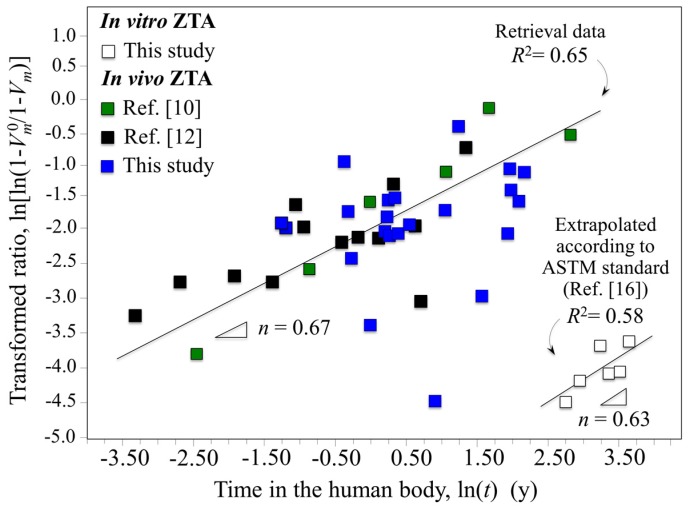
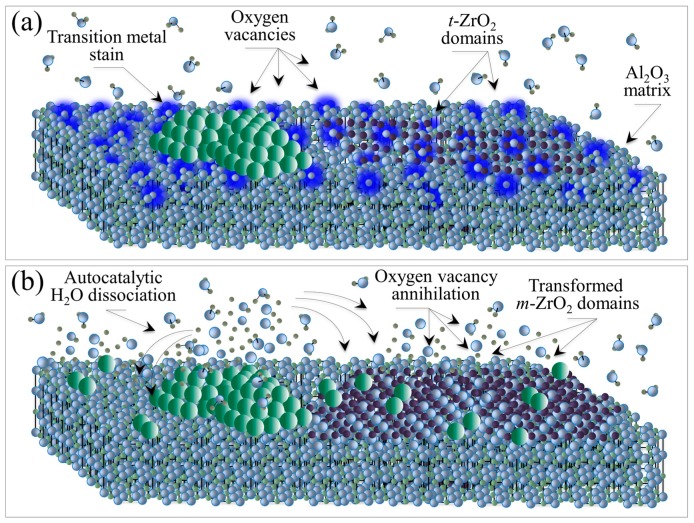
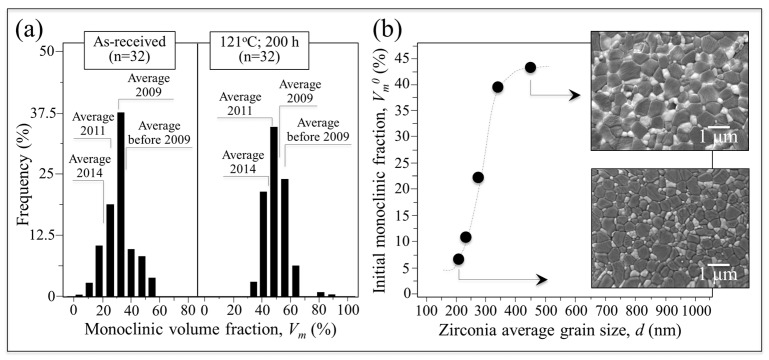
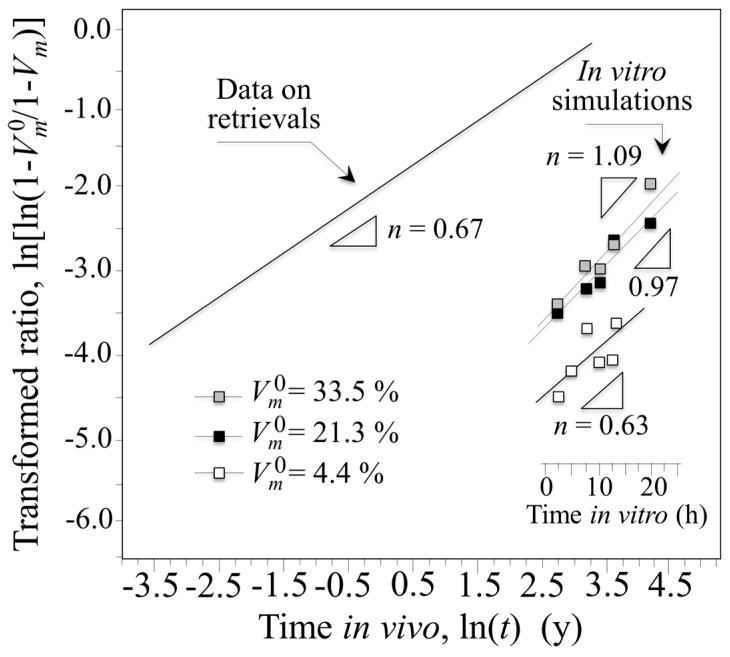
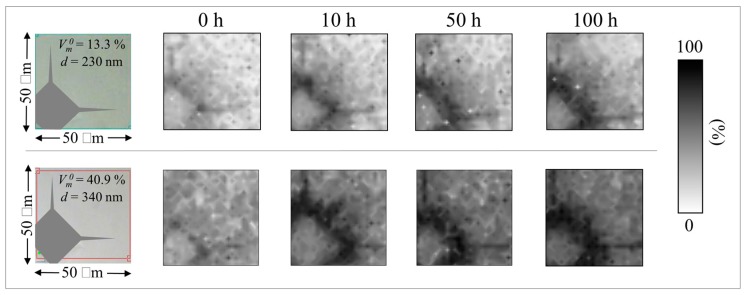
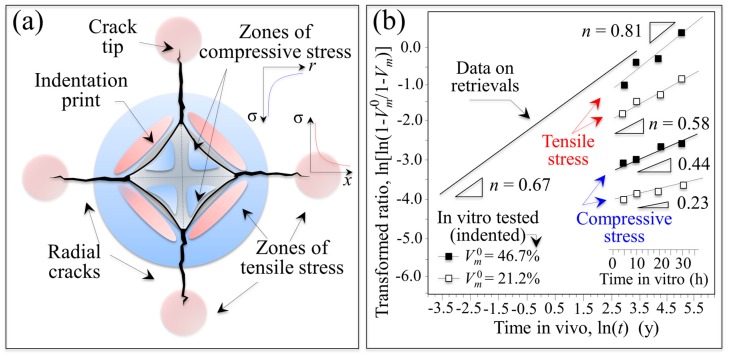
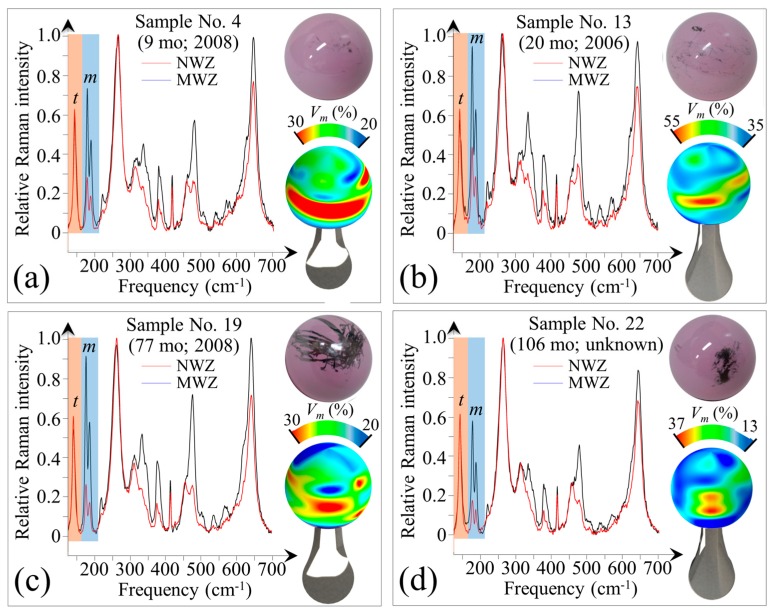
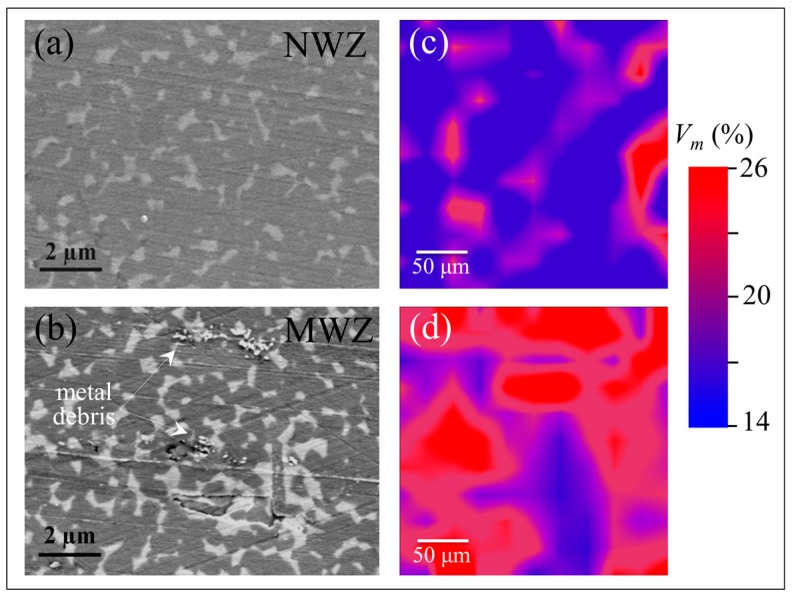
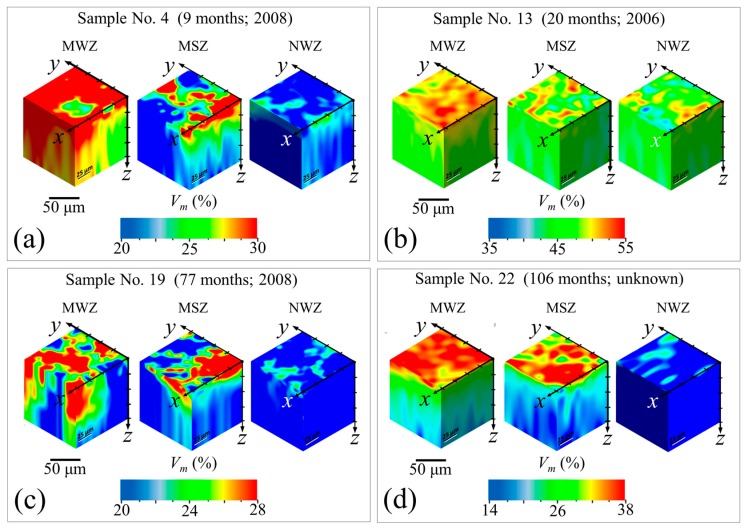
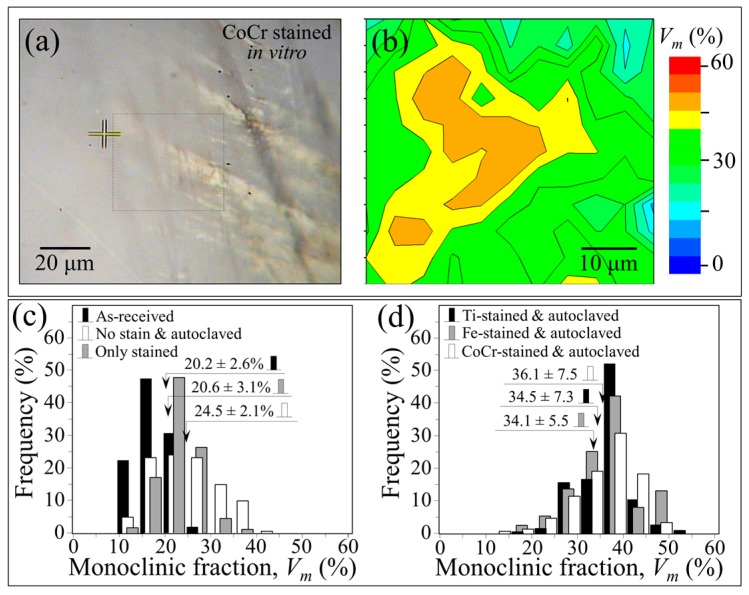
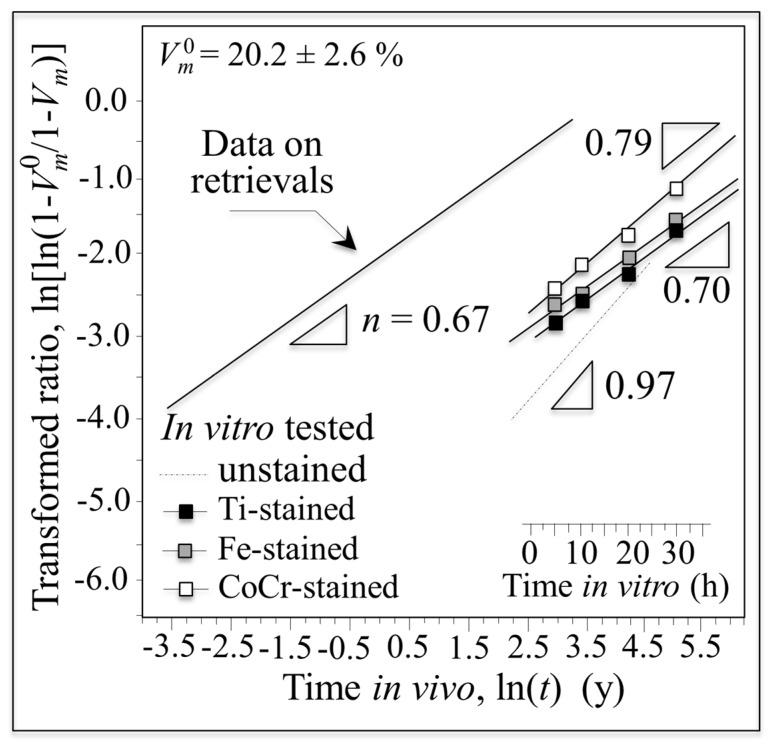
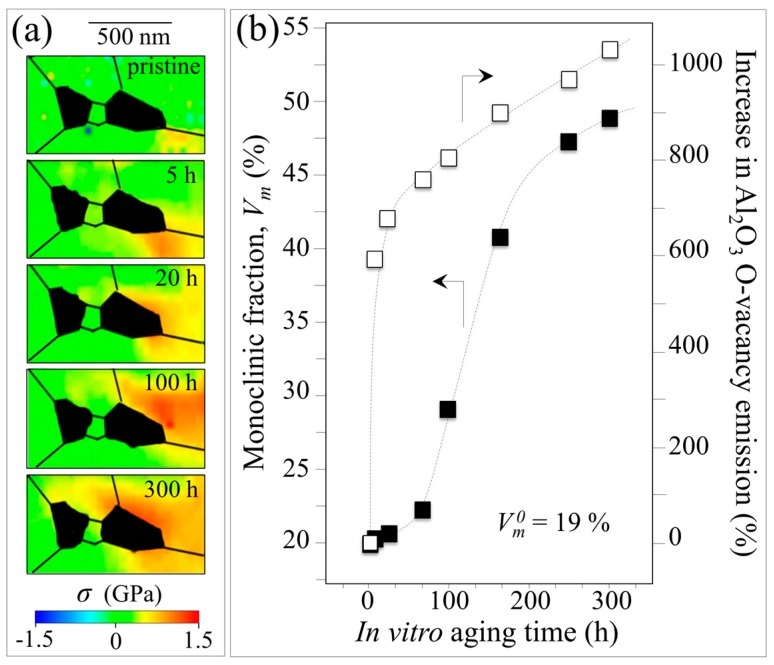
A clear discrepancy between predicted in vitro and actual in vivo surface phase stability of BIOLOX zirconia-toughened alumina (ZTA) femoral heads has been demonstrated by several independent research groups. Data from retrievals challenge the validity of the standard method currently utilized in evaluating surface stability and raise a series of important questions: (1) Why do in vitro hydrothermal aging treatments conspicuously fail to model actual results from the in vivo environment? (2) What is the preponderant microscopic phenomenon triggering the accelerated transformation in vivo? (3) Ultimately, what revisions of the current in vitro standard are needed in order to obtain consistent predictions of ZTA transformation kinetics in vivo? Reported in this paper is a new in toto method for visualizing the surface stability of femoral heads. It is based on CAD-assisted Raman spectroscopy to quantitatively assess the phase transformation observed in ZTA retrievals. Using a series of independent analytical probes, an evaluation of the microscopic mechanisms responsible for the polymorphic transformation is also provided. An outline is given of the possible ways in which the current hydrothermal simulation standard for artificial joints can be improved in an attempt to reduce the gap between in vitro simulation and reality.
几个独立的研究小组已经证明,在体外预测的BIOLOX氧化锆增韧氧化铝(ZTA)股骨头表面相稳定性与实际体内表面相稳定性之间存在明显差异。回收数据对目前用于评估表面稳定性的标准方法的有效性提出了质疑,并引发了一系列重要问题:(1)为什么体外水热老化处理明显无法模拟体内环境的实际结果?(2)引发体内加速转变的主要微观现象是什么?(3)最终,为了获得对ZTA在体内转变动力学的一致预测,当前的体外标准需要进行哪些修订?本文报道了一种全新的用于可视化股骨头表面稳定性的整体方法。它基于计算机辅助设计(CAD)的拉曼光谱技术,以定量评估在ZTA回收物中观察到的相变。通过一系列独立的分析探针,还对导致多晶型转变的微观机制进行了评估。概述了改进当前人工关节水热模拟标准的可能方法,以试图缩小体外模拟与实际情况之间的差距。