Müller Michael Thomas, Hilarius Konrad, Liebscher Marco, Lellinger Dirk, Alig Ingo, Pötschke Petra
Leibniz Institute of Polymer Research Dresden (IPF), Hohe Str. 6, 01069 Dresden, Germany.
Fraunhofer Institute for Structural Durability and System Reliability (LBF), Schlossgartenstraße 6, 64289 Darmstadt, Germany.
Materials (Basel). 2017 May 18;10(5):545. doi: 10.3390/ma10050545.
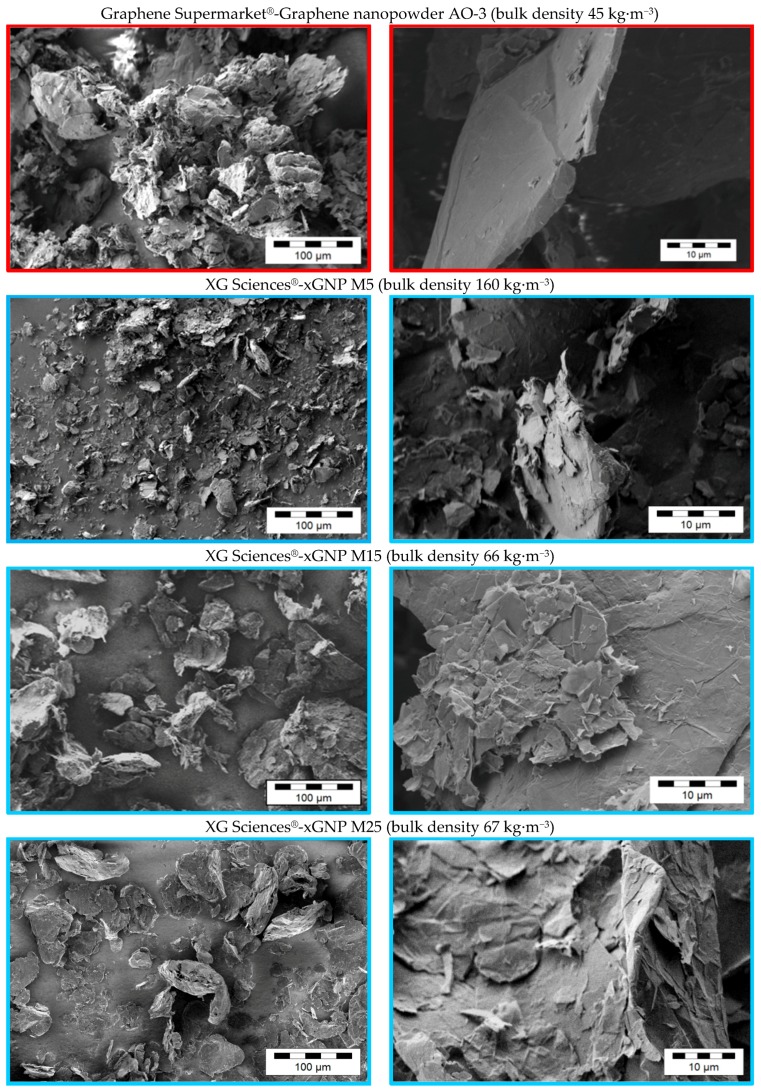
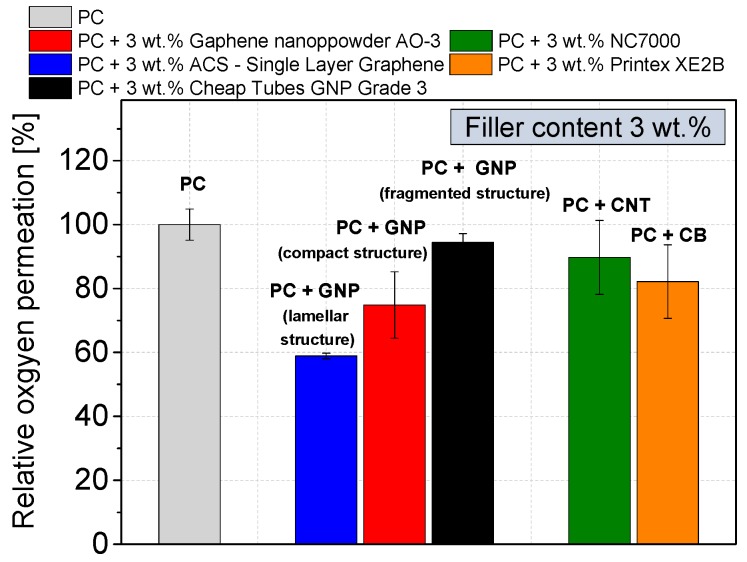
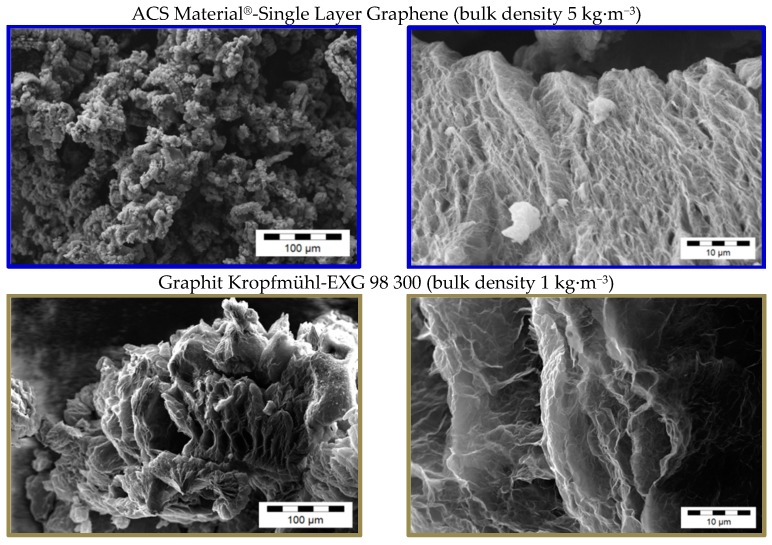
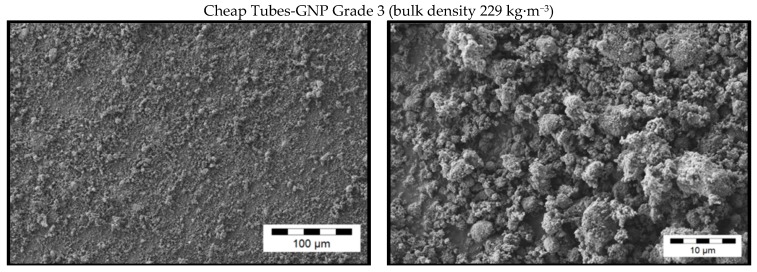
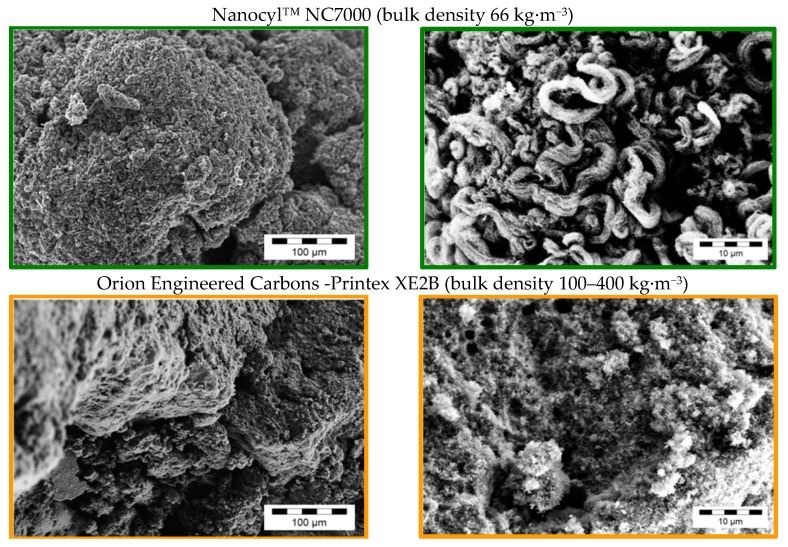
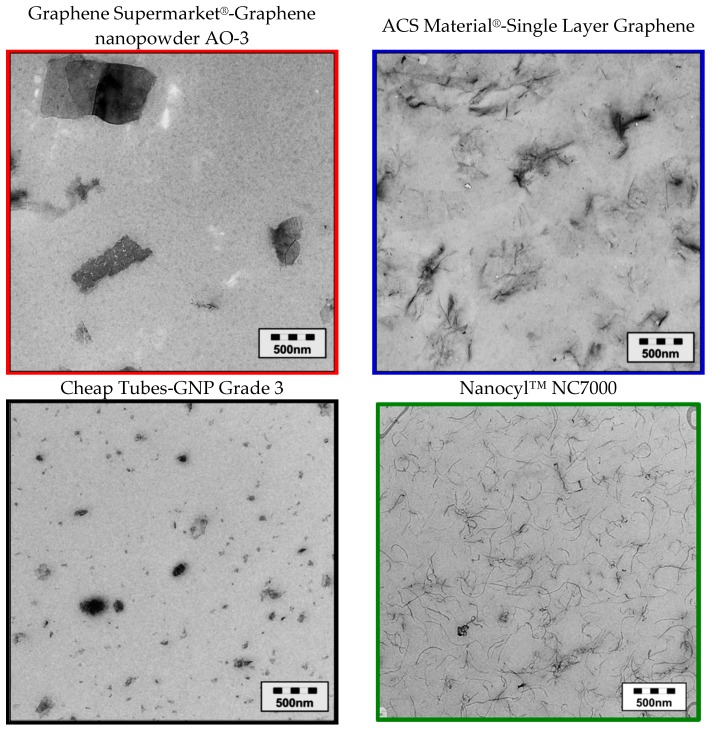
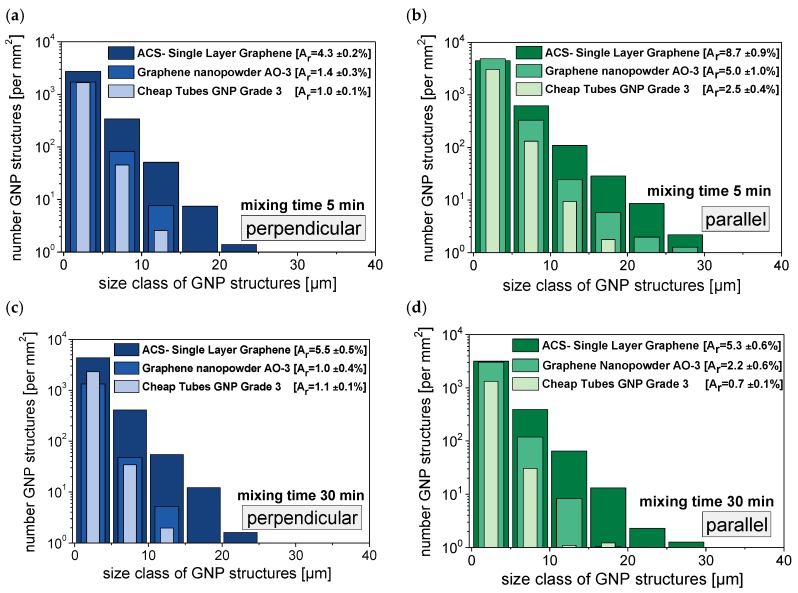
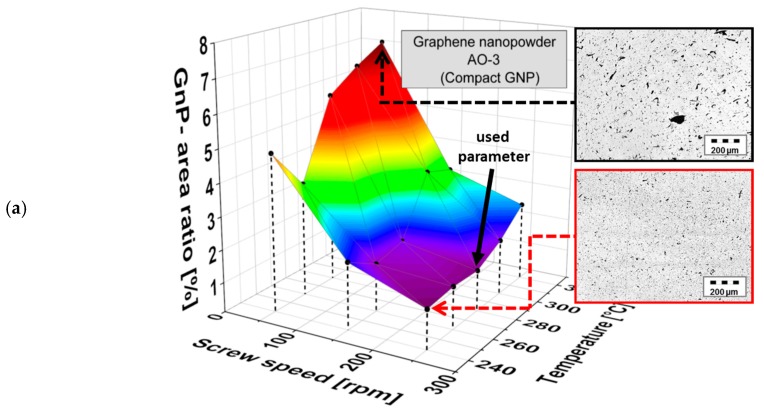
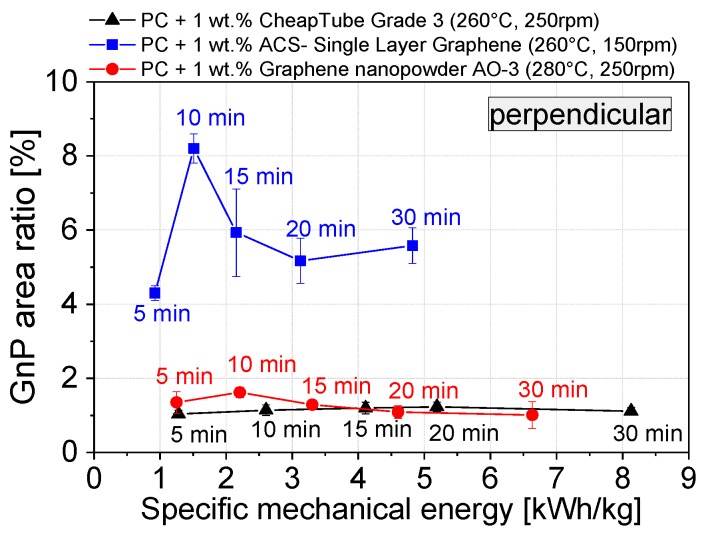
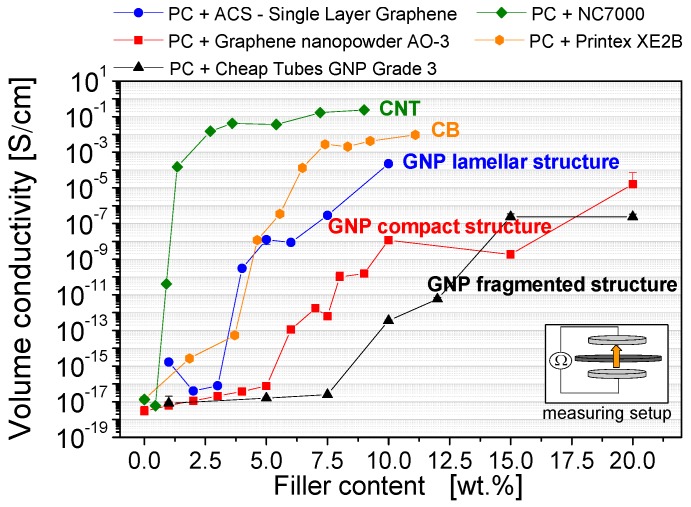
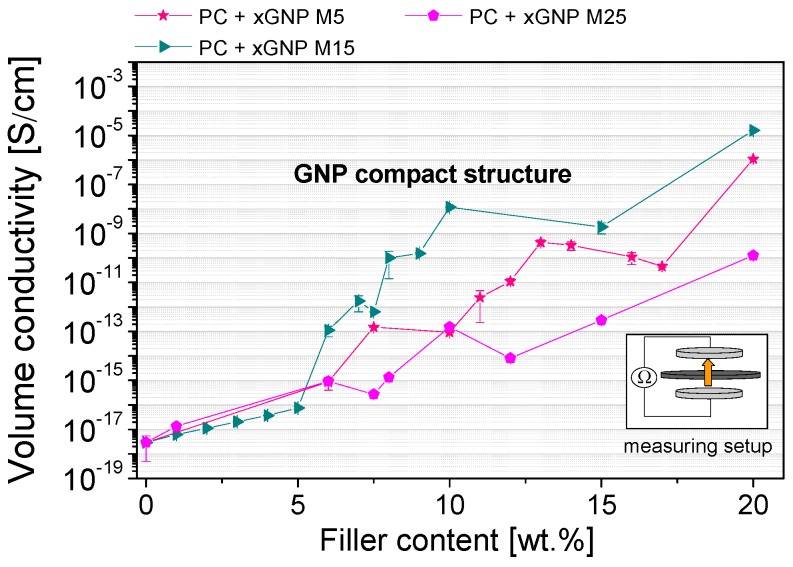
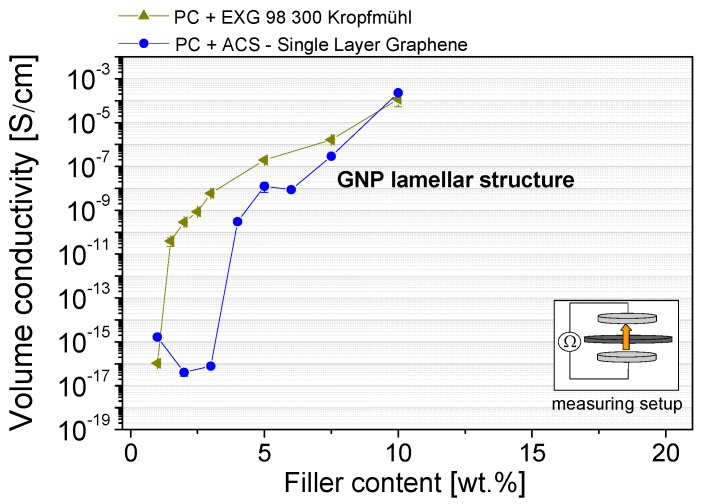
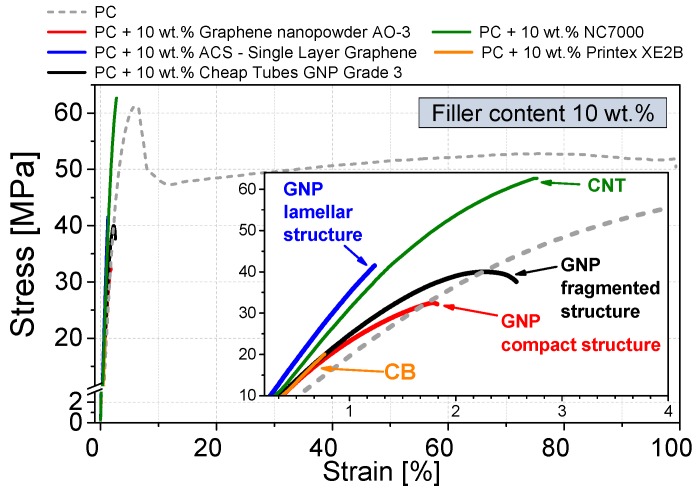
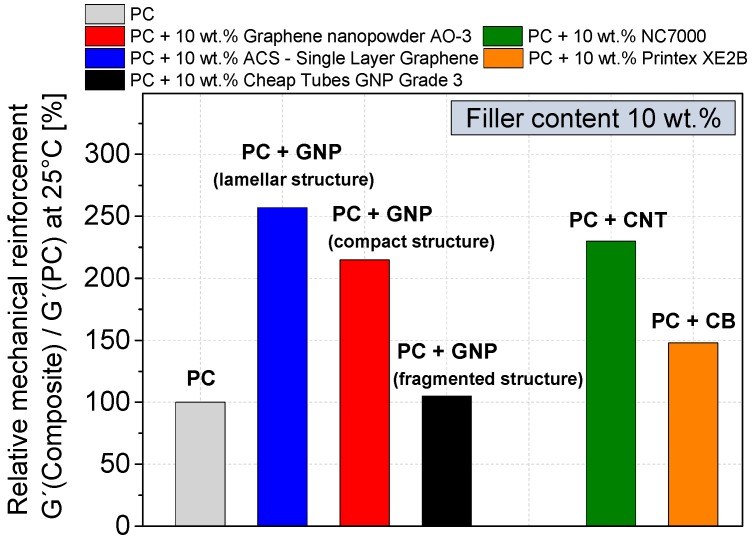
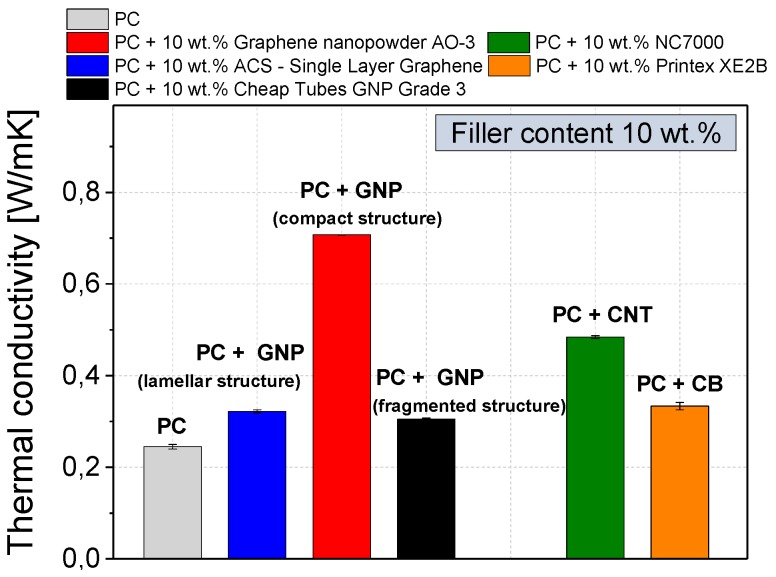
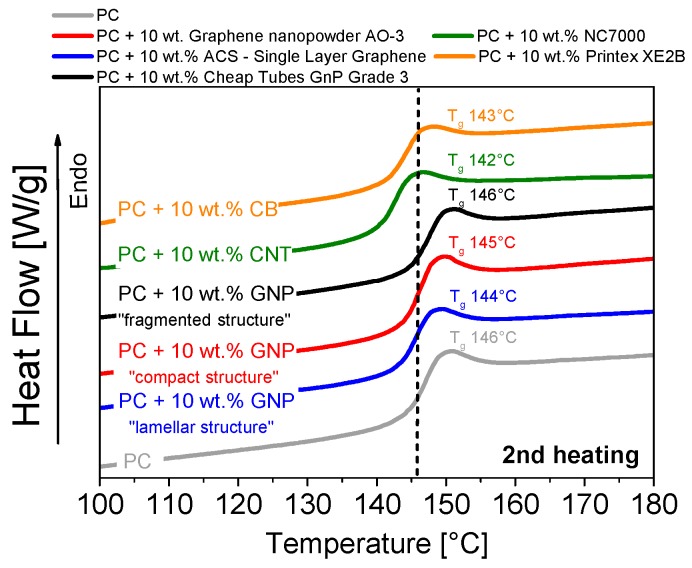
The influence of the morphology of industrial graphite nanoplate (GNP) materials on their dispersion in polycarbonate (PC) is studied. Three GNP morphology types were identified, namely lamellar, fragmented or compact structure. The dispersion evolution of all GNP types in PC is similar with varying melt temperature, screw speed, or mixing time during melt mixing. Increased shear stress reduces the size of GNP primary structures, whereby the GNP aspect ratio decreases. A significant GNP exfoliation to individual or few graphene layers could not be achieved under the selected melt mixing conditions. The resulting GNP macrodispersion depends on the individual GNP morphology, particle sizes and bulk density and is clearly reflected in the composite's electrical, thermal, mechanical, and gas barrier properties. Based on a comparison with carbon nanotubes (CNT) and carbon black (CB), CNT are recommended in regard to electrical conductivity, whereas, for thermal conductive or gas barrier application, GNP is preferred.
研究了工业石墨纳米片(GNP)材料的形态对其在聚碳酸酯(PC)中分散性的影响。确定了三种GNP形态类型,即层状、破碎状或致密结构。在熔融共混过程中,所有GNP类型在PC中的分散演变随熔融温度、螺杆转速或混合时间的变化而相似。增加剪切应力会减小GNP初级结构的尺寸,从而使GNP的长径比降低。在选定的熔融共混条件下,无法实现GNP显著剥离成单个或少数石墨烯层。所得GNP的宏观分散取决于单个GNP的形态、粒径和堆积密度,并明显反映在复合材料的电学、热学、力学和气体阻隔性能中。通过与碳纳米管(CNT)和炭黑(CB)比较,在导电性方面推荐使用CNT,而在导热或气体阻隔应用方面,GNP更受青睐。