Slouka Christoph, Kainz Theresa, Navickas Edvinas, Walch Gregor, Hutter Herbert, Reichmann Klaus, Fleig Jürgen
Institute of Chemical Technologies and Analytics, Vienna University of Technology, Getreidemarkt 9/164EC, 1060 Vienna, Austria.
Institute for Chemistry and Technology of Materials, Graz University of Technology, Stremayrgasse 9, 8010 Graz, Austria.
Materials (Basel). 2016 Nov 22;9(11):945. doi: 10.3390/ma9110945.
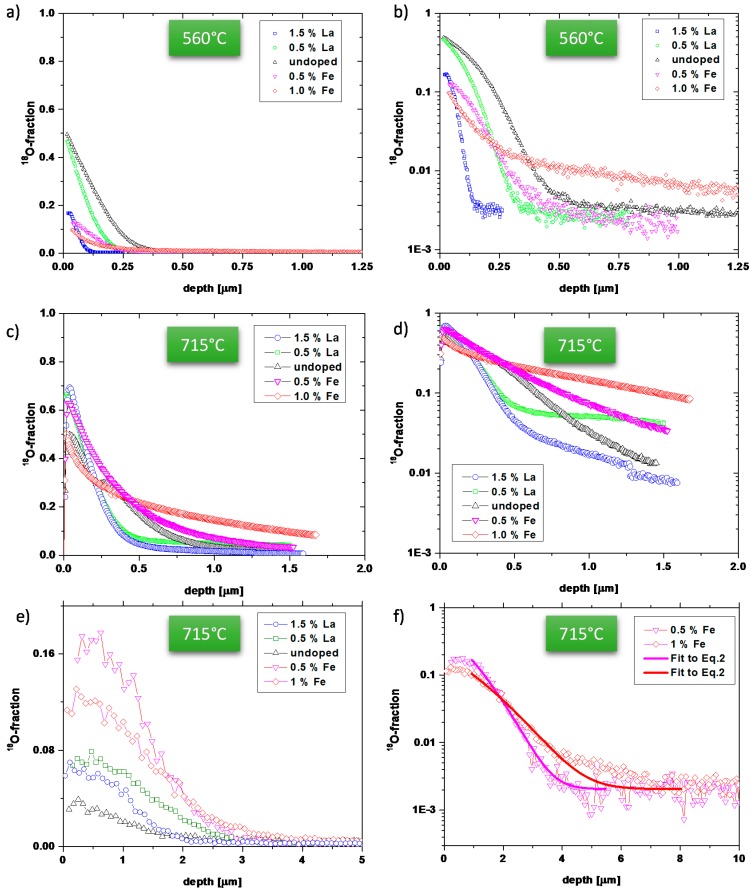
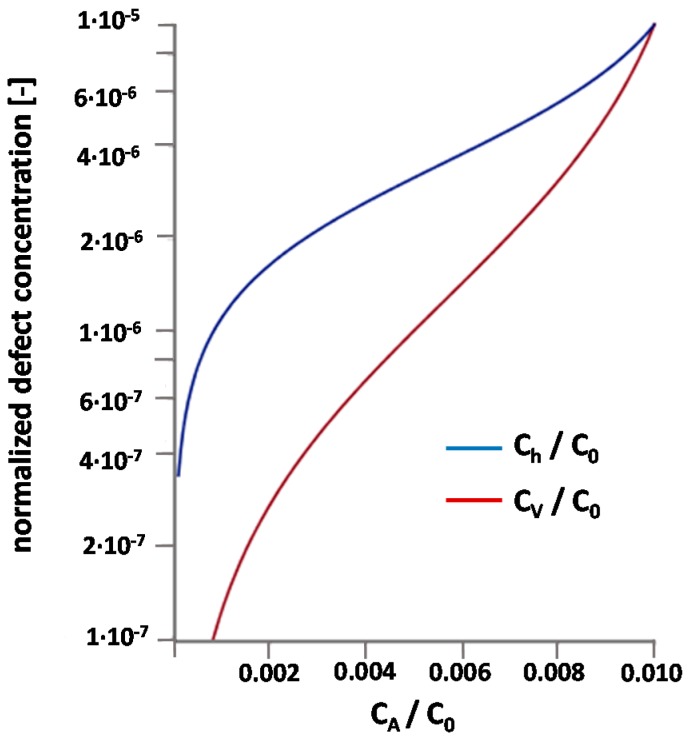
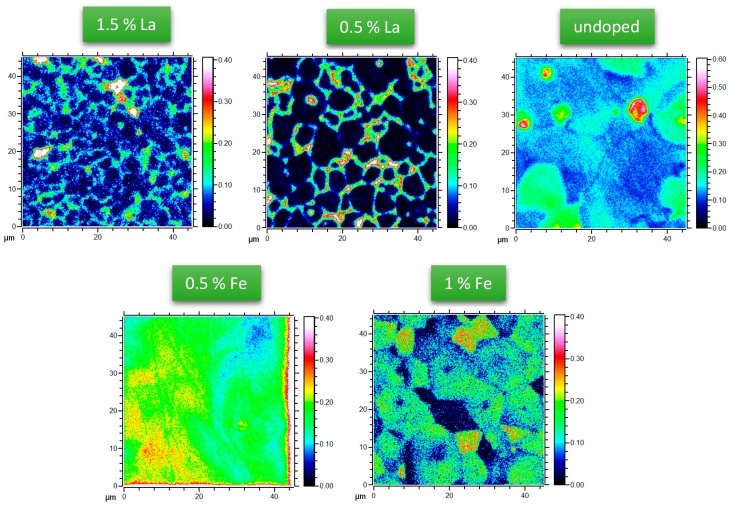
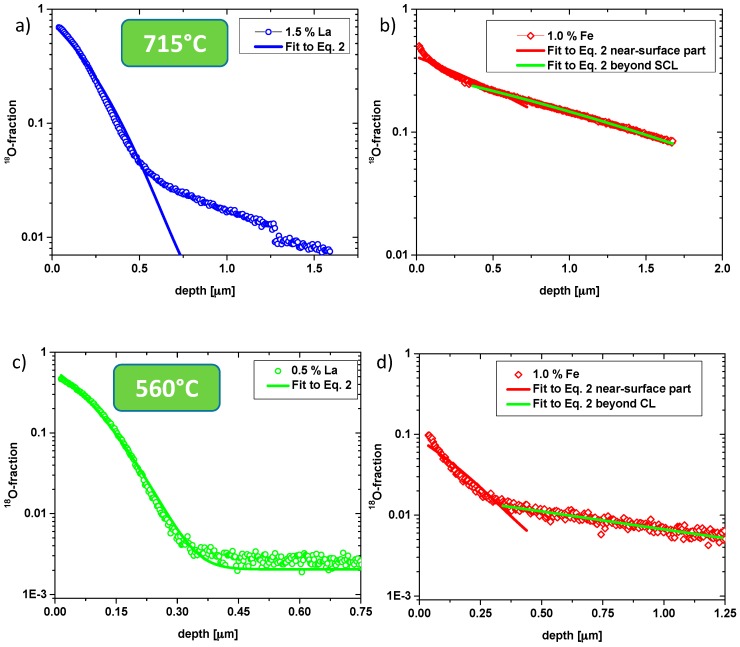
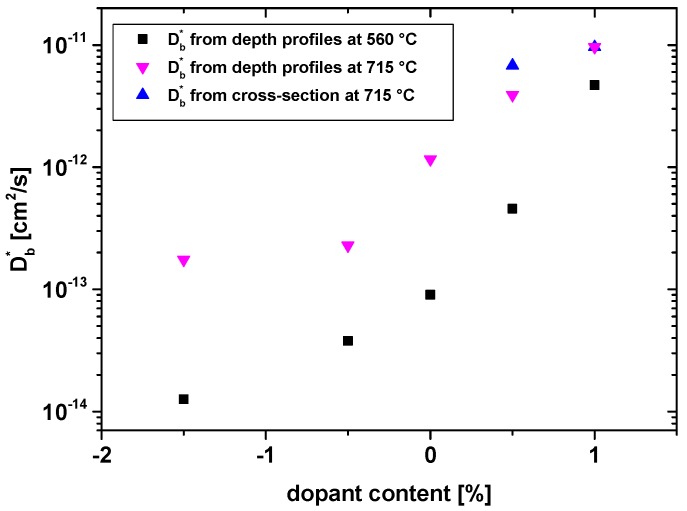
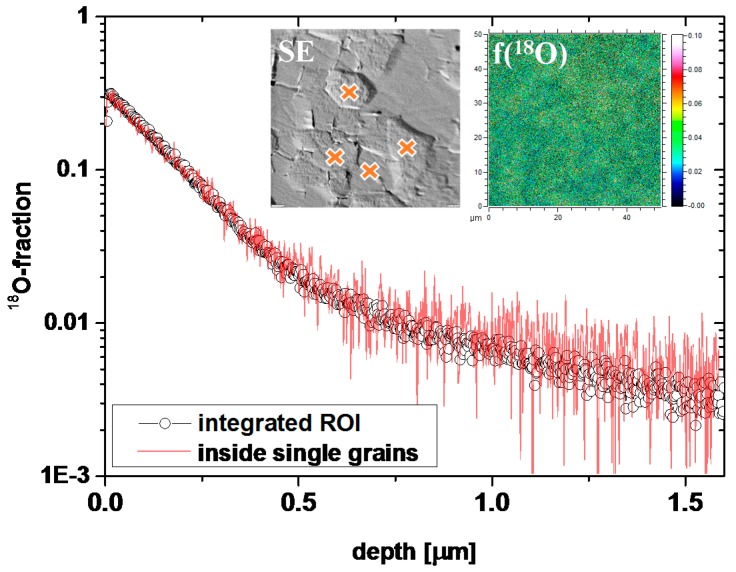
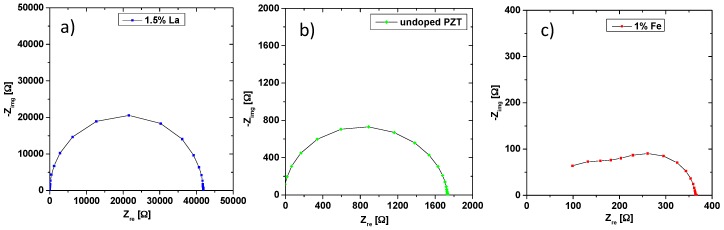
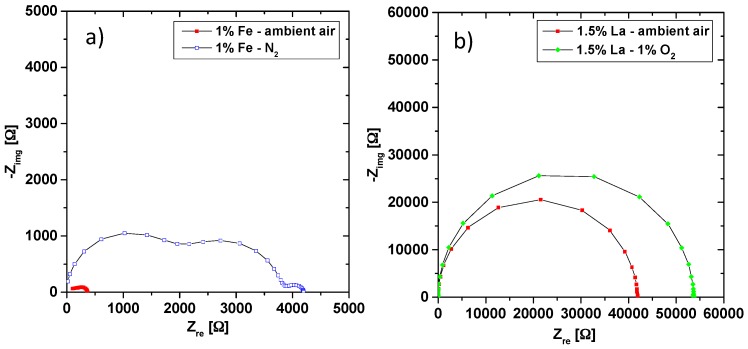
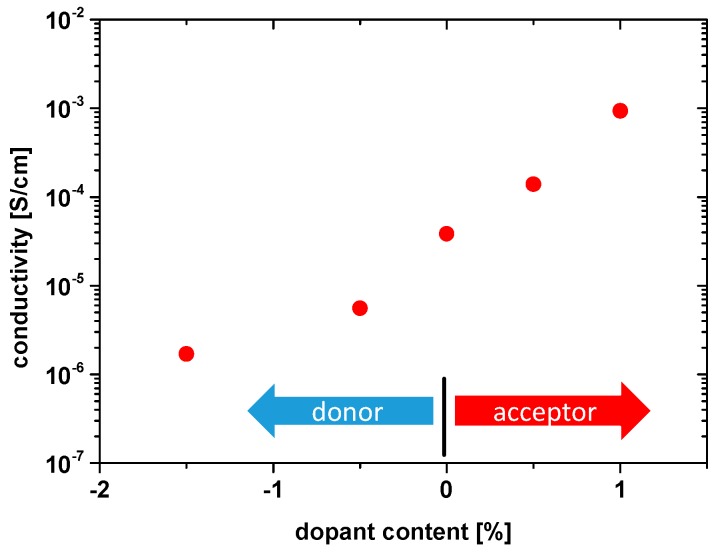
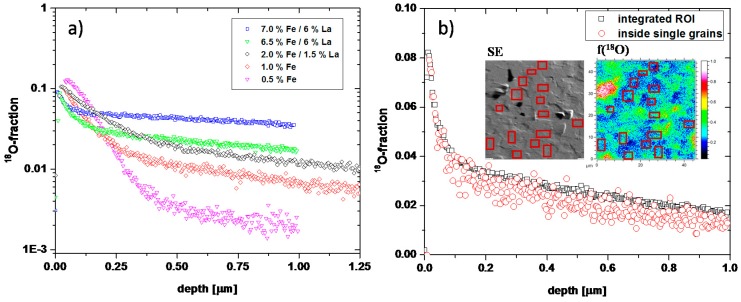
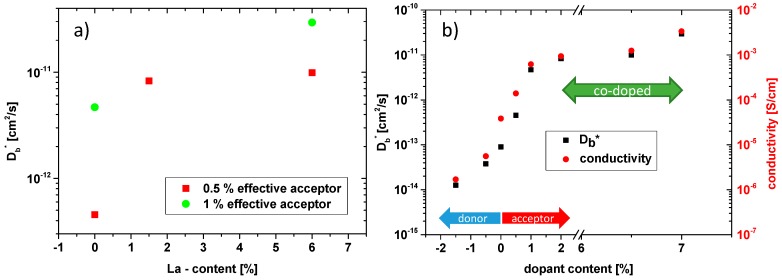
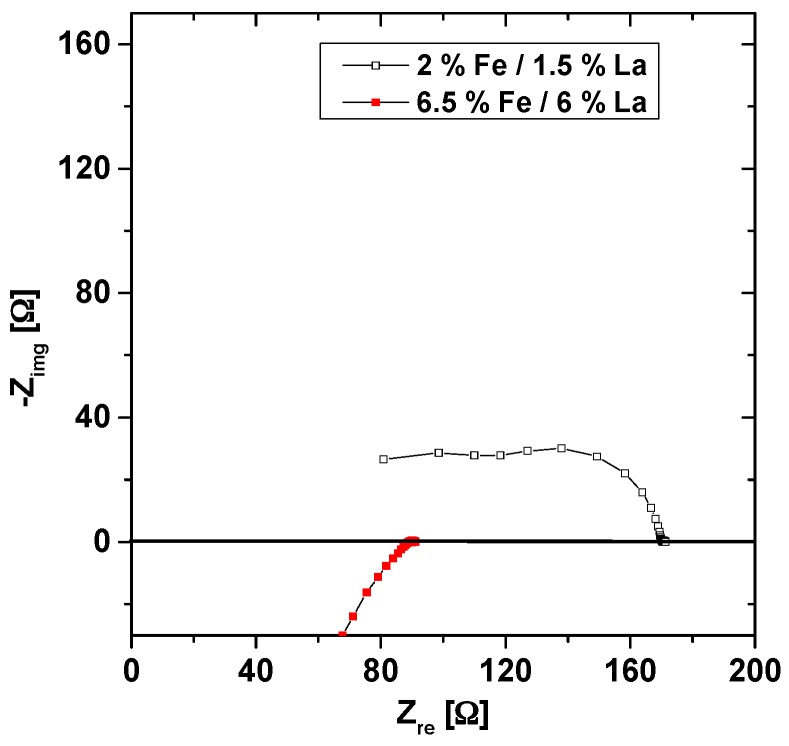
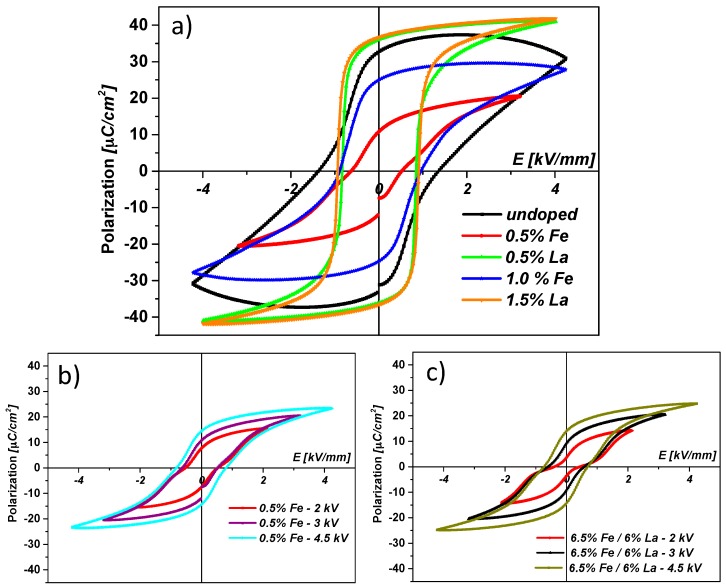
The different properties of acceptor-doped (hard) and donor-doped (soft) lead zirconate titanate (PZT) ceramics are often attributed to different amounts of oxygen vacancies introduced by the dopant. Acceptor doping is believed to cause high oxygen vacancy concentrations, while donors are expected to strongly suppress their amount. In this study, La donor-doped, Fe acceptor-doped and La/Fe-co-doped PZT samples were investigated by oxygen tracer exchange and electrochemical impedance spectroscopy in order to analyse the effect of doping on oxygen vacancy concentrations. Relative changes in the tracer diffusion coefficients for different doping and quantitative relations between defect concentrations allowed estimates of oxygen vacancy concentrations. Donor doping does not completely suppress the formation of oxygen vacancies; rather, it concentrates them in the grain boundary region. Acceptor doping enhances the amount of oxygen vacancies but estimates suggest that bulk concentrations are still in the ppm range, even for 1% acceptor doping. Trapped holes might thus considerably contribute to the charge balancing of the acceptor dopants. This could also be of relevance in understanding the properties of hard and soft PZT.
受主掺杂(硬)和施主掺杂(软)的锆钛酸铅(PZT)陶瓷的不同特性通常归因于掺杂剂引入的不同数量的氧空位。人们认为受主掺杂会导致高氧空位浓度,而施主掺杂预计会强烈抑制其数量。在本研究中,通过氧示踪剂交换和电化学阻抗谱对镧施主掺杂、铁受主掺杂和镧/铁共掺杂的PZT样品进行了研究,以分析掺杂对氧空位浓度的影响。不同掺杂的示踪剂扩散系数的相对变化以及缺陷浓度之间的定量关系使得能够估算氧空位浓度。施主掺杂并不能完全抑制氧空位的形成;相反,它将它们集中在晶界区域。受主掺杂增加了氧空位的数量,但估算表明,即使对于1%的受主掺杂,体相浓度仍处于ppm范围内。因此,捕获的空穴可能对受主掺杂剂的电荷平衡有很大贡献。这在理解硬PZT和软PZT的特性方面也可能具有相关性。