School of Fisheries, Aquaculture and Aquatic Sciences, Auburn University, Auburn, AL, 36849, USA.
Anatomy and Embryology Department, Faculty of Veterinary Medicine, Cairo University, Giza, 12211, Egypt.
Sci Rep. 2017 Aug 4;7(1):7301. doi: 10.1038/s41598-017-07223-7.
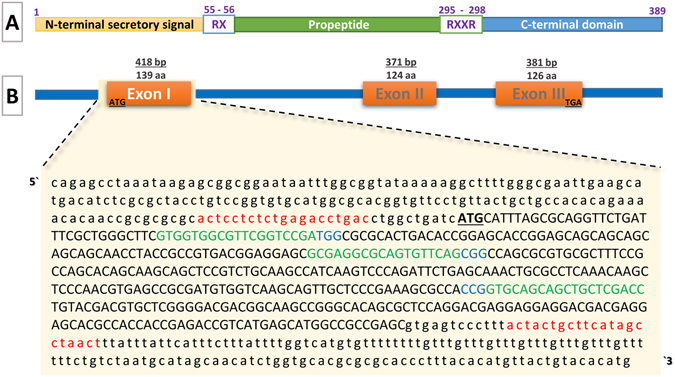
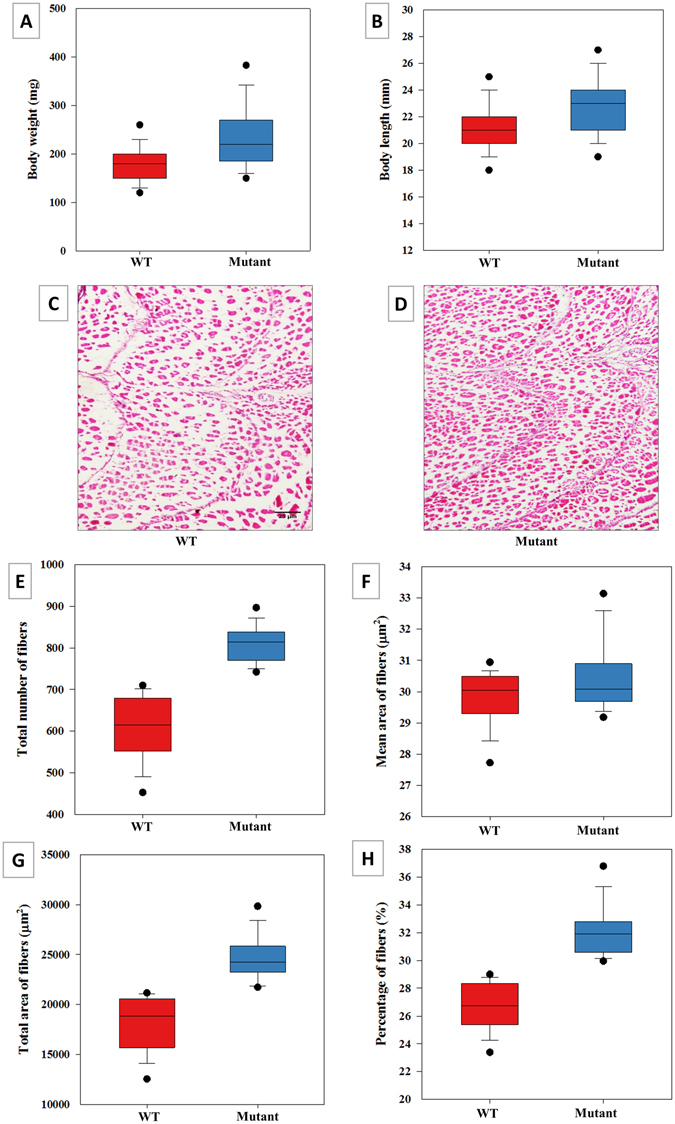
The myostatin (MSTN) gene is important because of its role in regulation of skeletal muscle growth in all vertebrates. In this study, CRISPR/Cas9 was utilized to successfully target the channel catfish, Ictalurus punctatus, muscle suppressor gene MSTN. CRISPR/Cas9 induced high rates (88-100%) of mutagenesis in the target protein-encoding sites of MSTN. MSTN-edited fry had more muscle cells (p < 0.001) than controls, and the mean body weight of gene-edited fry increased by 29.7%. The nucleic acid alignment of the mutated sequences against the wild-type sequence revealed multiple insertions and deletions. These results demonstrate that CRISPR/Cas9 is a highly efficient tool for editing the channel catfish genome, and opens ways for facilitating channel catfish genetic enhancement and functional genomics. This approach may produce growth-enhanced channel catfish and increase productivity.
肌肉生长抑制素(MSTN)基因在调节所有脊椎动物的骨骼肌生长中起着重要作用。在这项研究中,利用 CRISPR/Cas9 成功靶向了斑点叉尾鮰(Ictalurus punctatus)的肌肉抑制素基因 MSTN。CRISPR/Cas9 在 MSTN 的靶蛋白编码位点诱导了高突变率(88-100%)。与对照组相比,MSTN 编辑的鱼苗具有更多的肌肉细胞(p<0.001),并且基因编辑鱼苗的平均体重增加了 29.7%。与野生型序列相比,突变序列的核酸序列比对显示出多个插入和缺失。这些结果表明,CRISPR/Cas9 是编辑斑点叉尾鮰基因组的一种高效工具,并为促进斑点叉尾鮰遗传增强和功能基因组学开辟了途径。这种方法可能会产生生长增强的斑点叉尾鮰,提高生产力。