Ånmark Niclas, Karasev Andrey, Jönsson Pär Göran
Department of Materials Science and Engineering, KTH Royal Institute of Technology, Stockholm SE-100-44, Sweden.
Department of Materials and Manufacturing, Swerea KIMAB, Kista SE-164-40, Sweden.
Materials (Basel). 2015 Feb 16;8(2):751-783. doi: 10.3390/ma8020751.
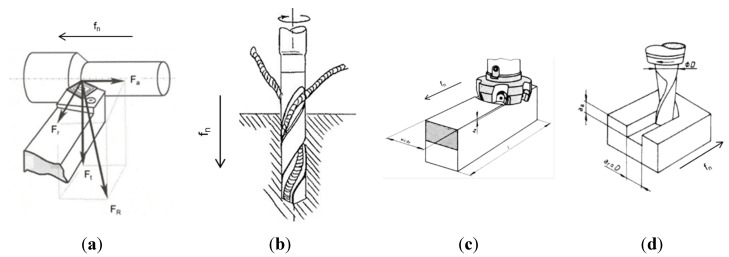
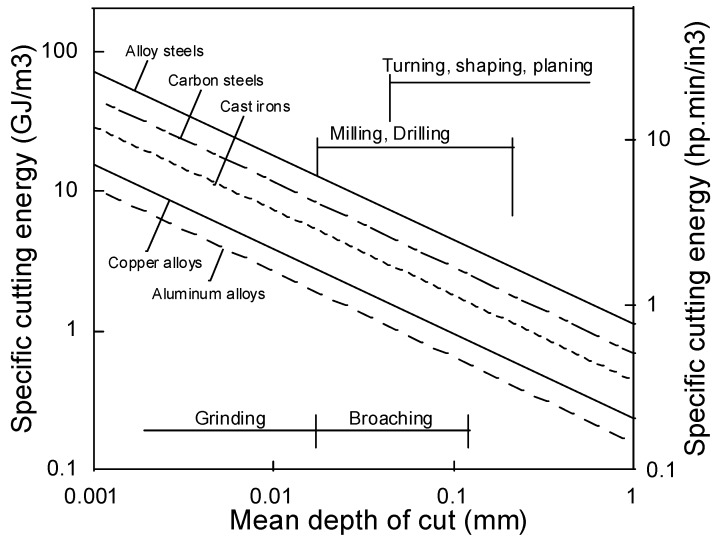
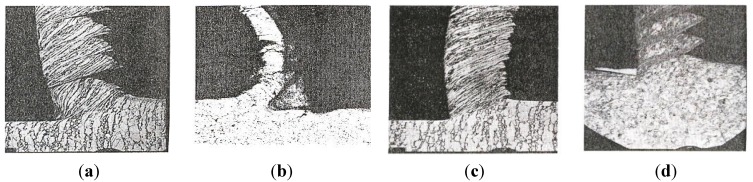
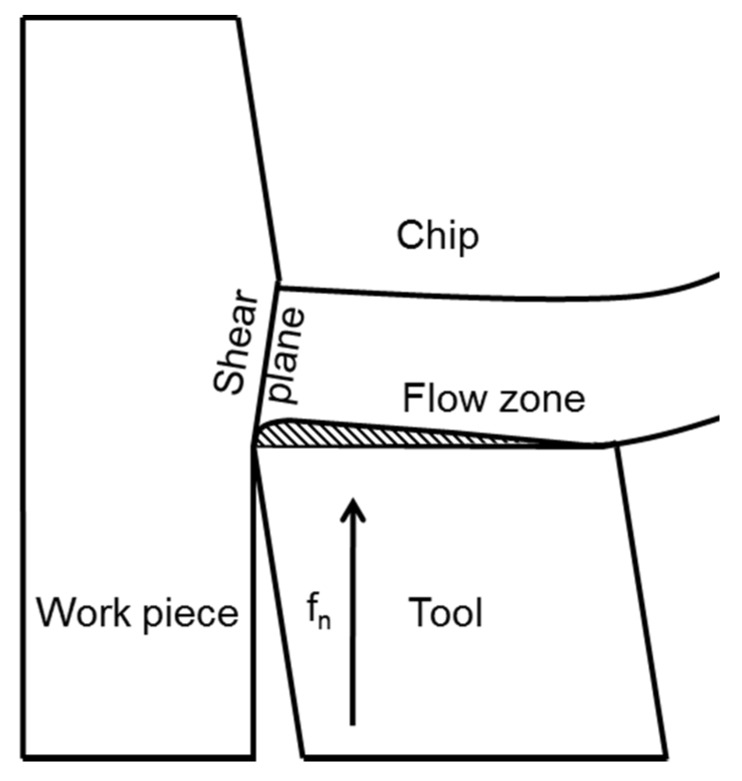
Considerable research has been conducted over recent decades on the role of non‑metallic inclusions and their link to the machinability of different steels. The present work reviews the mechanisms of steel fractures during different mechanical machining operations and the behavior of various non-metallic inclusions in a cutting zone. More specifically, the effects of composition, size, number and morphology of inclusions on machinability factors (such as cutting tool wear, power consumption, .) are discussed and summarized. Finally, some methods for modification of non-metallic inclusions in the liquid steel are considered to obtain a desired balance between mechanical properties and machinability of various steel grades.
近几十年来,针对非金属夹杂物的作用及其与不同钢材可加工性的联系开展了大量研究。本研究综述了不同机械加工操作过程中钢的断裂机制以及切削区内各种非金属夹杂物的行为。更具体地说,讨论并总结了夹杂物的成分、尺寸、数量和形态对可加工性因素(如刀具磨损、功耗等)的影响。最后,考虑了一些在液态钢中改性非金属夹杂物的方法,以在各种钢种的力学性能和可加工性之间取得理想的平衡。