Mathew Bobby, Lakshminrusimha Satyan
Department of Pediatrics, University at Buffalo, Buffalo, NY 14222, USA.
Children (Basel). 2017 Jul 28;4(8):63. doi: 10.3390/children4080063.
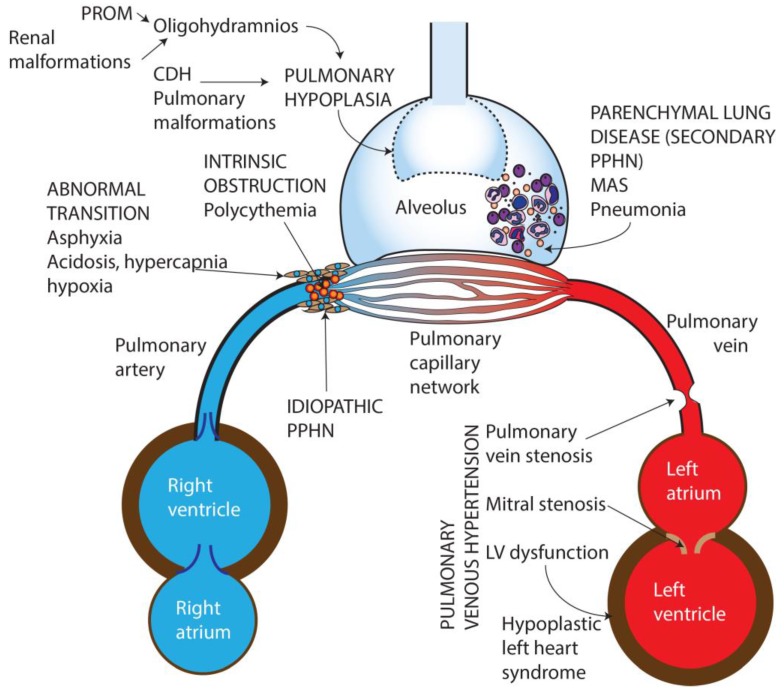
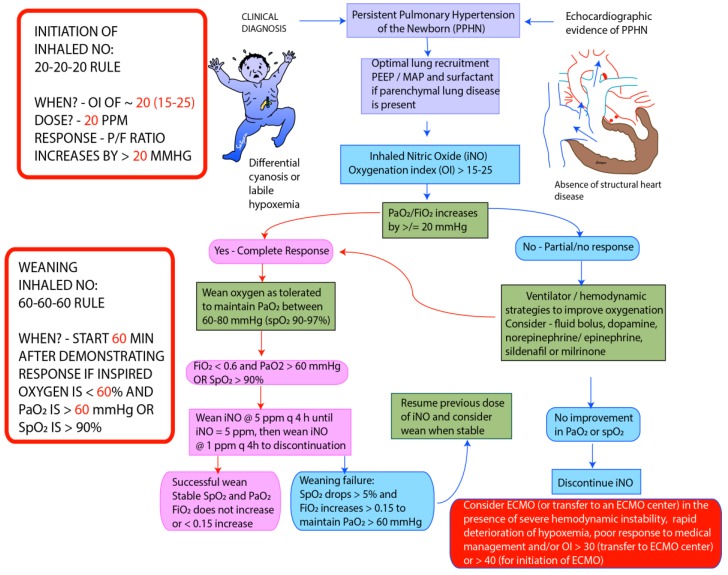
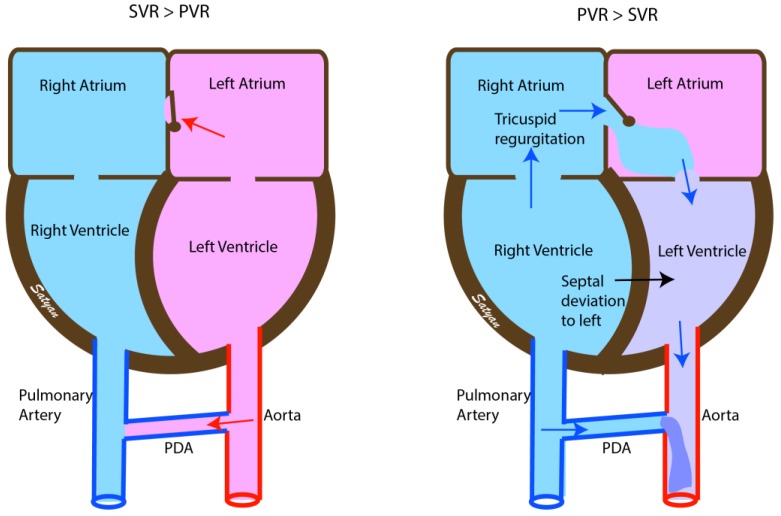
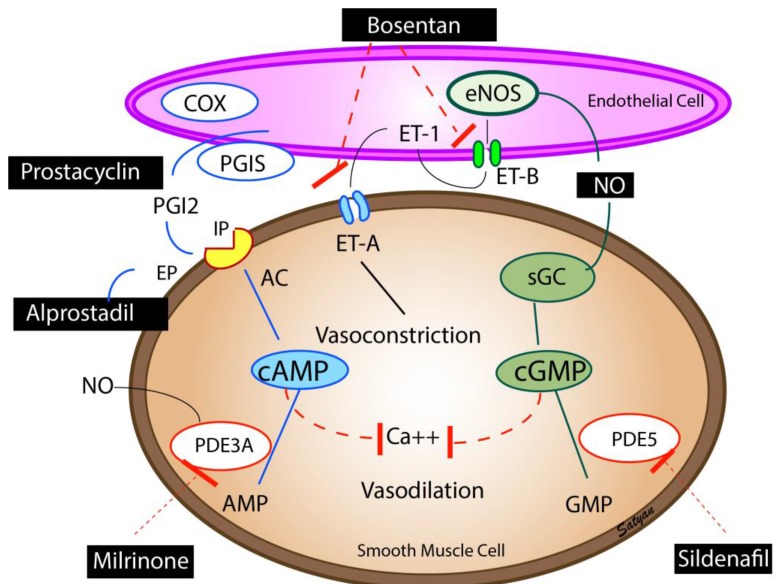
Persistent pulmonary hypertension of the newborn (PPHN) is a syndrome of failed circulatory adaptation at birth due to delay or impairment in the normal fall in pulmonary vascular resistance (PVR) that occurs following birth. The fetus is in a state of physiological pulmonary hypertension. In utero, the fetus receives oxygenated blood from the placenta through the umbilical vein. At birth, following initiation of respiration, there is a sudden precipitous fall in the PVR and an increase of systemic vascular resistance (SVR) due to the removal of the placenta from circulation. There is dramatic increase in pulmonary blood flow with a decrease in, and later reversal of shunts at the foramen ovale and ductus arteriosus. The failure of this normal physiological pulmonary transition leads to the syndrome of PPHN. PPHN presents with varying degrees of hypoxemic respiratory failure. Survival of infants with PPHN has significantly improved with the use of gentle ventilation, surfactant and inhaled nitric oxide (iNO). PPHN is associated with significant mortality and morbidity among survivors. Newer agents that target different enzymatic pathways in the vascular smooth muscle are in different stages of development and testing. Further research using these agents is likely to further reduce morbidity and mortality associated with PPHN.
新生儿持续性肺动脉高压(PPHN)是一种由于出生后肺血管阻力(PVR)未能正常下降或下降延迟、受损而导致的出生时循环适应失败综合征。胎儿处于生理性肺动脉高压状态。在子宫内,胎儿通过脐静脉从胎盘接受含氧血液。出生时,开始呼吸后,由于胎盘从循环中移除,PVR会突然急剧下降,全身血管阻力(SVR)增加。肺血流量显著增加,卵圆孔和动脉导管处的分流减少,随后发生逆转。这种正常生理性肺过渡的失败导致了PPHN综合征。PPHN表现为不同程度的低氧性呼吸衰竭。使用轻柔通气、表面活性剂和吸入一氧化氮(iNO)后,PPHN婴儿的存活率显著提高。PPHN与幸存者中的显著死亡率和发病率相关。针对血管平滑肌中不同酶途径的新型药物正处于不同的开发和测试阶段。使用这些药物的进一步研究可能会进一步降低与PPHN相关的发病率和死亡率。