Folarin Oluwabusayo R, Snyder Amanda M, Peters Douglas G, Olopade Funmilayo, Connor James R, Olopade James O
Department of Medical Laboratory Science, Ladoke Akintola University of TechnologyOsogbo, Nigeria.
Department of Neurosurgery, Pennsylvania State College of MedicineHershey, PA, United States.
Front Neuroanat. 2017 Jul 25;11:58. doi: 10.3389/fnana.2017.00058. eCollection 2017.
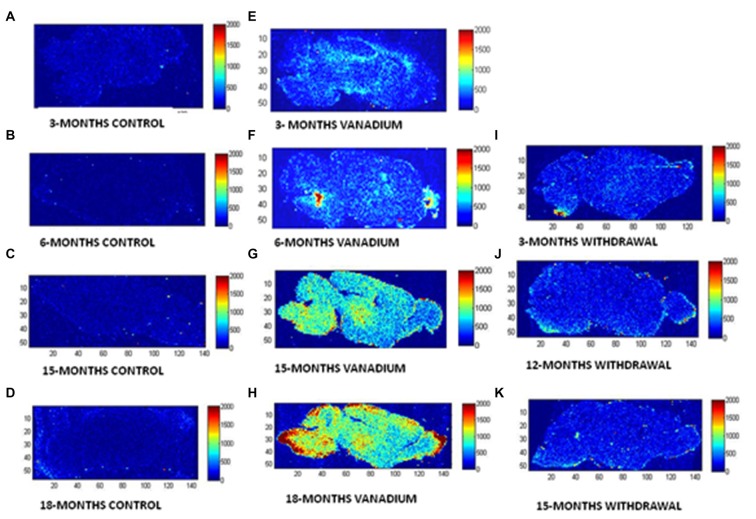
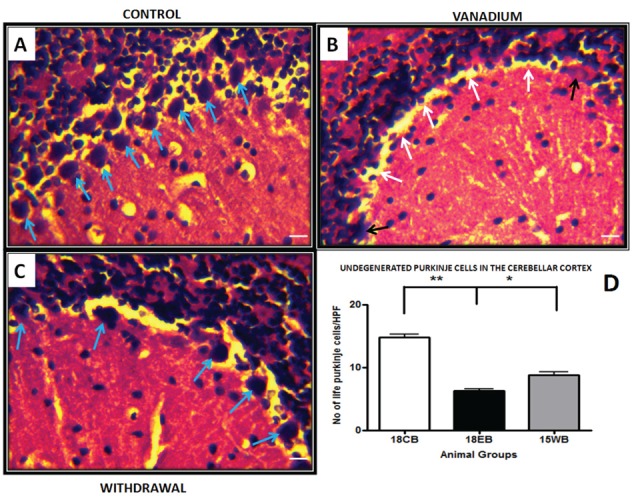
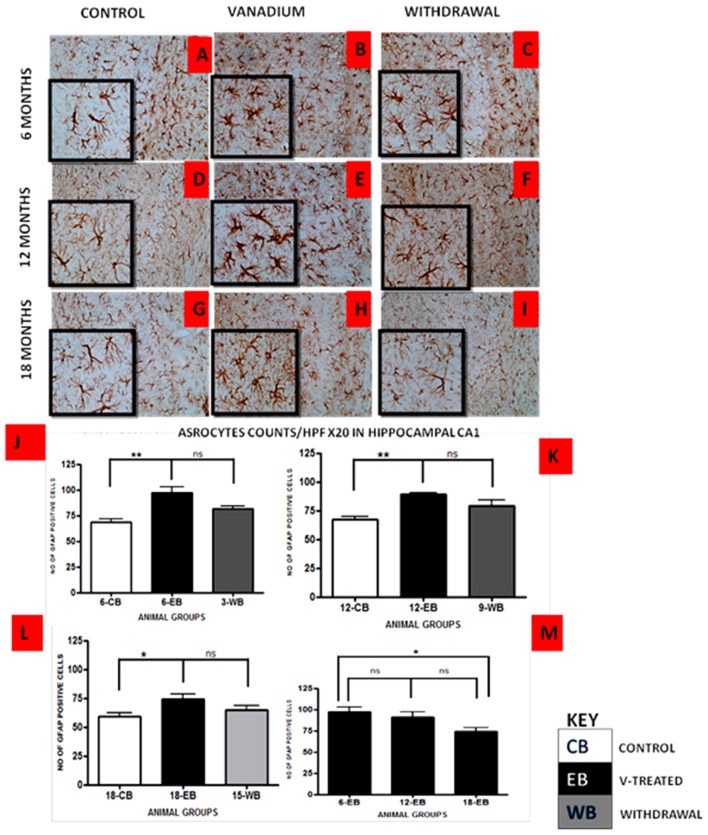
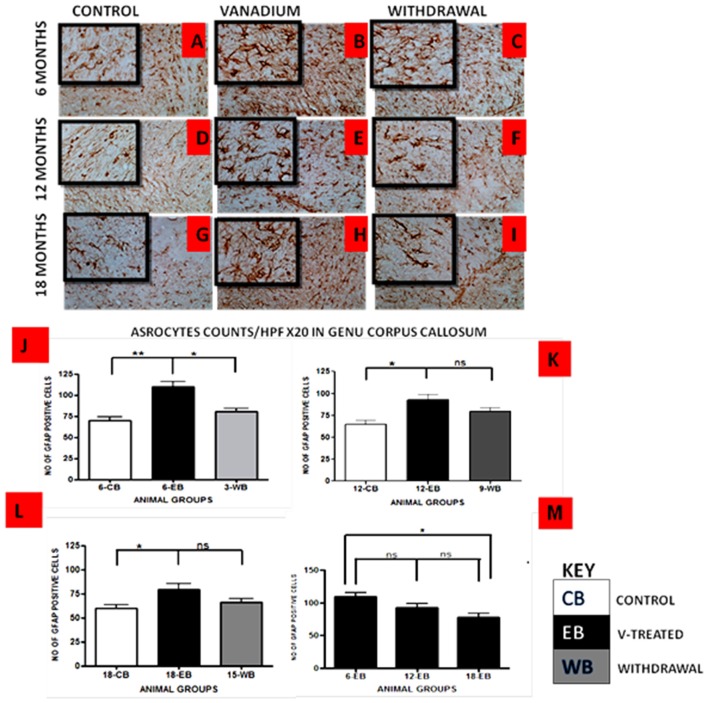
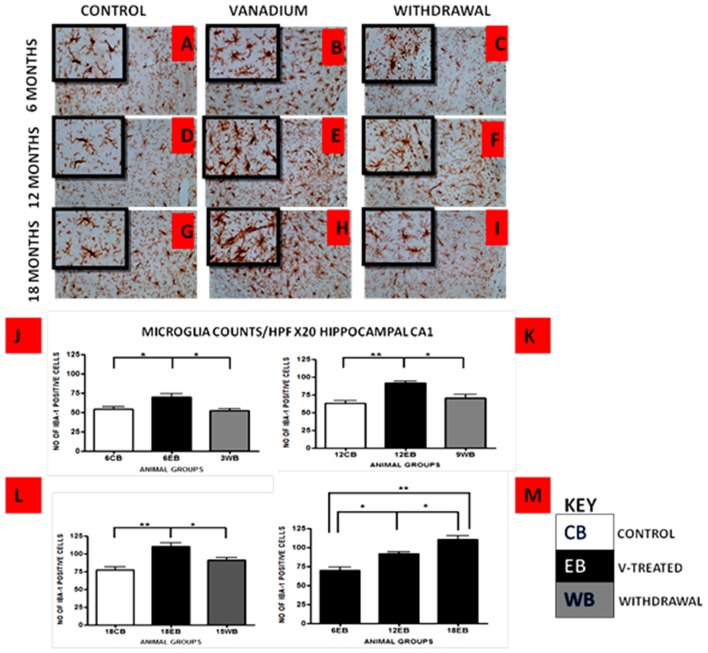
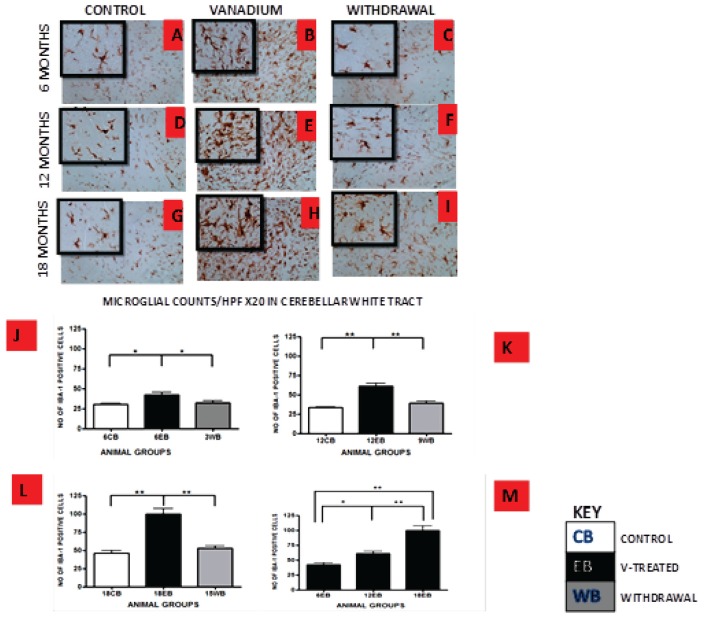
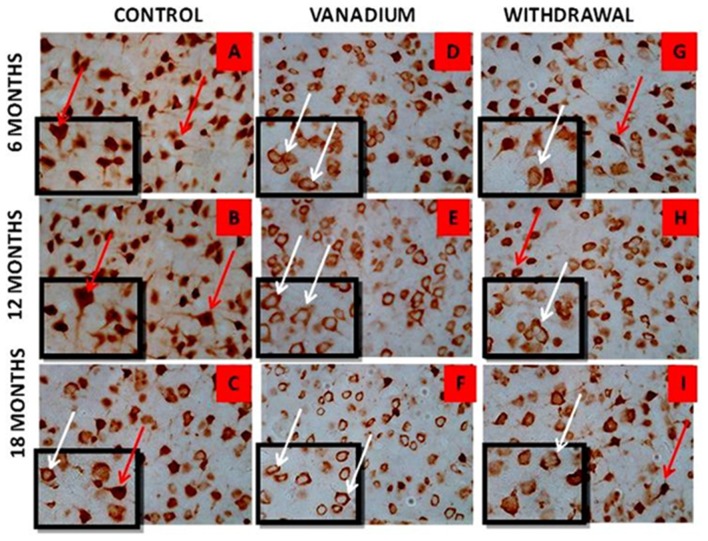
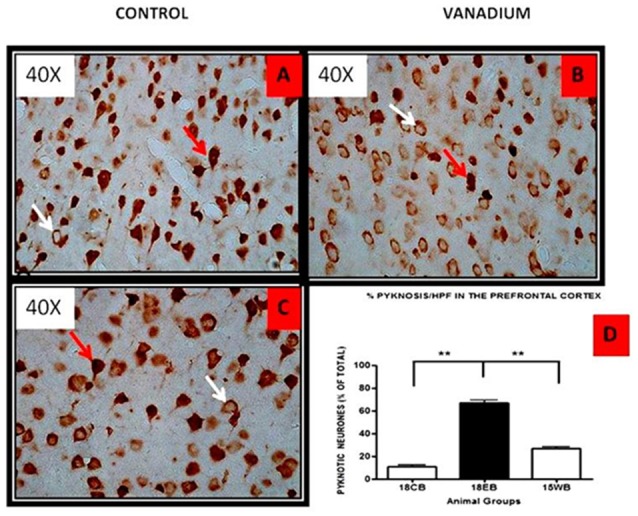
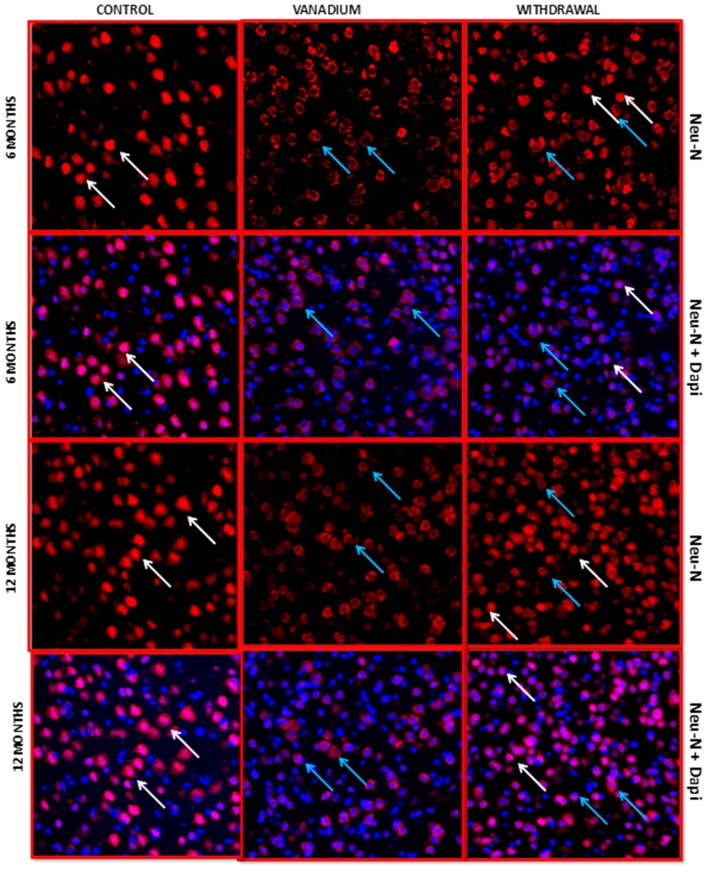
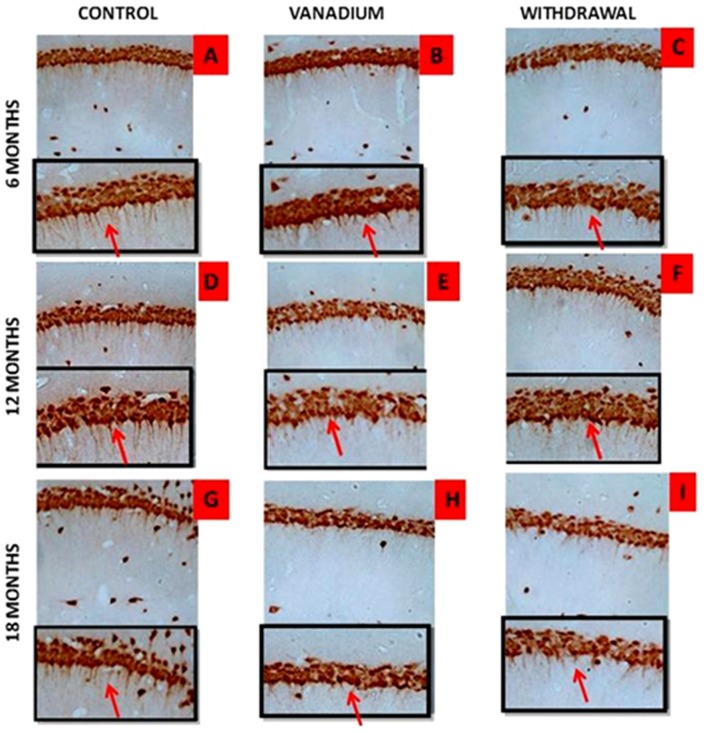
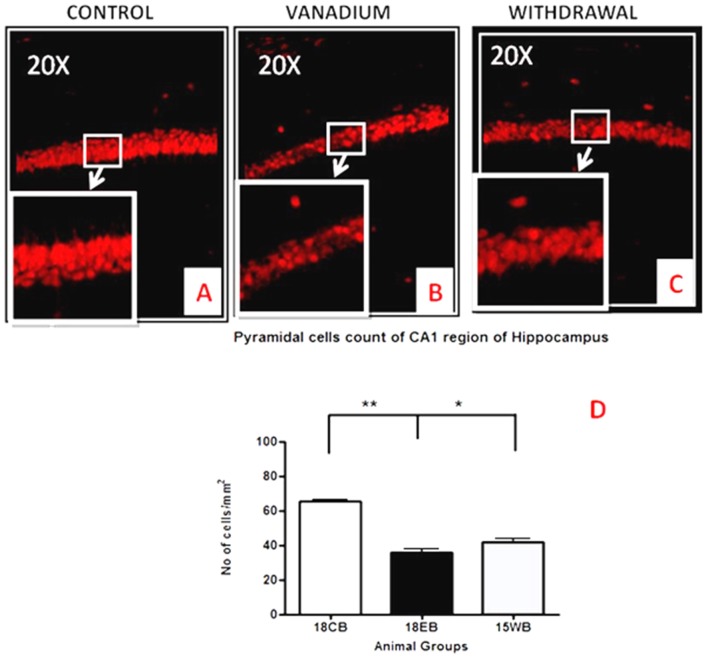
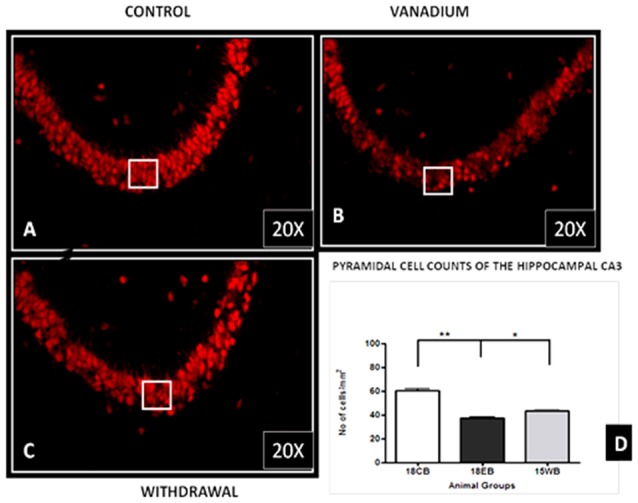
Vanadium is a potentially toxic environmental pollutant and induces oxidative damage in biological systems including the central nervous system (CNS). Its deposition in brain tissue may be involved in the pathogenesis of certain neurological disorders which after prolonged exposure can culminate into more severe pathology. Most studies on vanadium neurotoxicity have been done after acute exposure but in reality some populations are exposed for a lifetime. This work was designed to ascertain neurodegenerative consequences of chronic vanadium administration and to investigate the progressive changes in the brain after withdrawal from vanadium treatment. A total of 85 male BALB/c mice were used for the experiment and divided into three major groups of vanadium treated (intraperitoneally (i.p.) injected with 3 mg/kg body weight of sodium metavanadate and sacrificed every 3 months till 18 months); matched controls; and animals that were exposed to vanadium for 3 months and thereafter the metal was withdrawn. Brain tissues were obtained after animal sacrifice. Sagittal cut sections of paraffin embedded tissue (5 μm) were analyzed by the Laser ablation-inductively coupled plasma-mass spectrometry (LA-ICP-MS) to show the absorption and distribution of vanadium metal. Also, Haematoxylin and Eosin (H&E) staining of brain sections, and immunohistochemistry for Microglia (Iba-1), Astrocytes (GFAP), Neurons (Neu-N) and Neu-N + 4',6-diamidine-2'-pheynylindole dihydrochloride (Dapi) Immunofluorescent labeling were observed for morphological and morphometric parameters. The LA-ICP-MS results showed progressive increase in vanadium uptake with time in different brain regions with prediction for regions like the olfactory bulb, brain stem and cerebellum. The withdrawal brains still show presence of vanadium metal in the brain slightly more than the controls. There were morphological alterations (of the layering profile, nuclear shrinkage) in the prefrontal cortex, cellular degeneration (loss of dendritic arborization) and cell death in the Hippocampal CA1 pyramidal cells and Purkinje cells of the cerebellum, including astrocytic and microglial activation in vanadium exposed brains which were all attenuated in the withdrawal group. With exposure into old age, the evident neuropathology was microgliosis, while progressive astrogliosis became more attenuated. We have shown that chronic administration of vanadium over a lifetime in mice resulted in metal accumulation which showed regional variabilities with time. The metal profile and pathological effects were not completely eliminated from the brain even after a long time withdrawal from vanadium metal.
钒是一种具有潜在毒性的环境污染物,可在包括中枢神经系统(CNS)在内的生物系统中引发氧化损伤。其在脑组织中的沉积可能参与某些神经系统疾病的发病机制,长期接触后可能会发展为更严重的病理状况。大多数关于钒神经毒性的研究都是在急性暴露后进行的,但实际上有些人群会终身接触钒。这项研究旨在确定长期给予钒后的神经退行性后果,并研究停止钒治疗后大脑的渐进性变化。总共85只雄性BALB/c小鼠用于该实验,分为三大组:钒处理组(腹腔注射3mg/kg体重的偏钒酸钠,每3个月处死一批,直至18个月);匹配对照组;以及接触钒3个月后停止接触的动物组。动物处死后获取脑组织。对石蜡包埋组织的矢状切片(5μm)进行激光烧蚀-电感耦合等离子体质谱(LA-ICP-MS)分析,以显示钒金属的吸收和分布情况。此外,对脑切片进行苏木精和伊红(H&E)染色,并对小胶质细胞(Iba-1)、星形胶质细胞(GFAP)、神经元(Neu-N)以及神经元+4',6-二脒基-2'-苯基吲哚二盐酸盐(Dapi)进行免疫荧光标记,以观察形态学和形态计量学参数。LA-ICP-MS结果显示,随着时间的推移,不同脑区的钒摄取量逐渐增加,嗅球、脑干和小脑等区域的摄取量预计会更高。停止接触钒的小鼠大脑中钒金属的含量仍略高于对照组。在钒暴露组的大脑中,前额叶皮质出现了形态学改变(分层结构、核收缩)、细胞变性(树突分支减少)以及海马CA1锥体细胞和小脑浦肯野细胞的细胞死亡,包括星形胶质细胞和小胶质细胞的激活,而在停止接触钒的组中这些变化均有所减轻。随着年龄增长,明显的神经病理学变化是小胶质细胞增生,而进行性星形胶质细胞增生则有所减轻。我们已经表明,小鼠终身长期给予钒会导致金属蓄积,且金属蓄积量会随时间呈现区域差异。即使在停止接触钒金属很长时间后,大脑中的金属分布和病理效应也并未完全消除。