Annunziata Loredana, Visciano Pierina, Stramenga Arianna, Colagrande Maria Novella, Campana Guido, Scortichini Giampiero, Migliorati Giacomo, Compagnone Dario
Istituto Zooprofilattico Sperimentale dell'Abruzzo e del Molise "G. Caporale", Teramo, Italy.
Faculty of Bioscience and Technology for Food, Agriculture and Environment, University of Teramo, Teramo, Italy.
PLoS One. 2017 Aug 9;12(8):e0182831. doi: 10.1371/journal.pone.0182831. eCollection 2017.
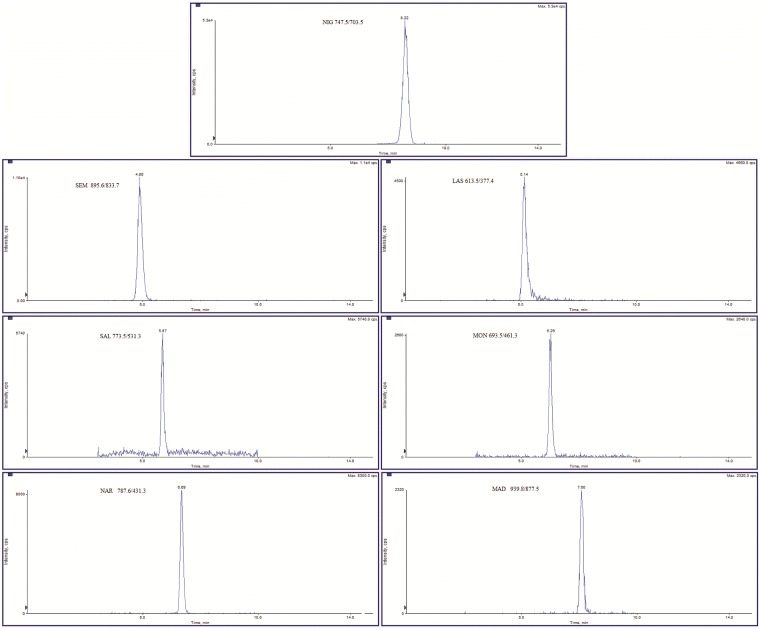
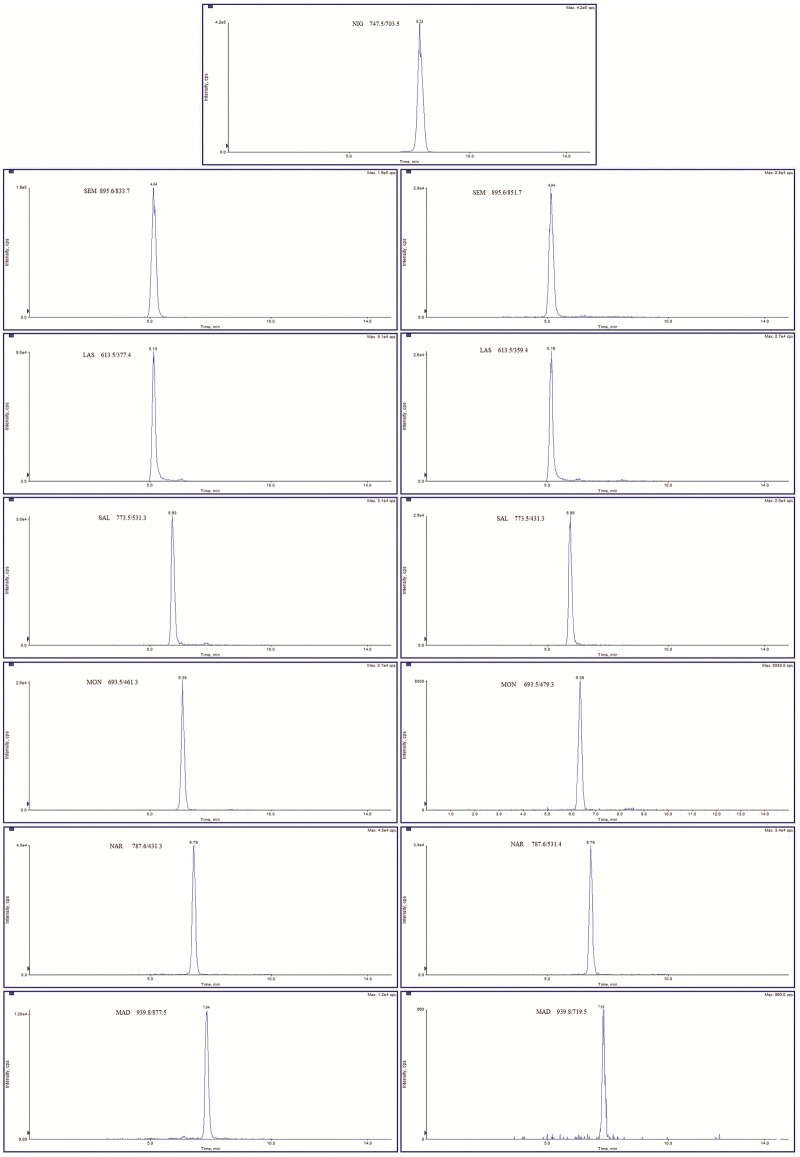
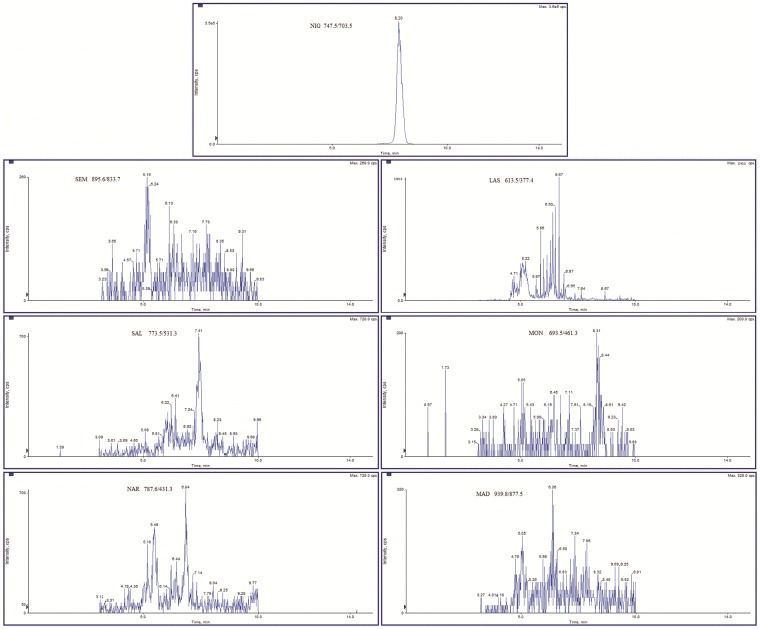
In this study samples of feedstuffs were collected from different feed mills and animal farms located in central Italy and analyzed for ionophore coccidiostat residues at carry-over levels by liquid chromatography-mass spectrometry. Since unavoidable cross-contamination of feedstuffs may occur during their production as well as distribution and storage, the collection of samples covered all these different stages. Residues of lasalocid, monensin, salinomycin and maduramicin were detected in 32.4% of samples, both at production and storage level. The maximum content for unavoidable carry-over set by Regulation (EU) No 574/2011 was exceeded in 11.3% of samples. The variability of the results highlighted the different approach of each investigated feed business operator to avoid any cross-contamination in non-target feed. The method developed in this study can be able to detect ionophore coccidiostats at low concentrations consequent to carry-over.
在本研究中,从位于意大利中部的不同饲料厂和养殖场采集了饲料样本,并通过液相色谱 - 质谱联用技术分析了其在残留水平下的离子载体抗球虫药残留量。由于饲料在生产、分销和储存过程中可能会不可避免地发生交叉污染,样本采集涵盖了所有这些不同阶段。在生产和储存阶段,32.4%的样本中检测到了拉沙洛西、莫能菌素、盐霉素和马杜霉素的残留。11.3%的样本超过了欧盟第574/2011号法规设定的不可避免残留的最大含量。结果的变异性突出了每个被调查的饲料企业经营者为避免非目标饲料中的任何交叉污染所采用的不同方法。本研究中开发的方法能够检测因残留而导致的低浓度离子载体抗球虫药。