Kanadasan Jegathish, Fauzi Auni Filzah Ahmad, Razak Hashim Abdul, Selliah Paramananthan, Subramaniam Vijaya, Yusoff Sumiani
StrucHMRS Group, Department of Civil Engineering, Faculty of Engineering, University of Malaya, Kuala Lumpur 50603, Malaysia.
Param Agricultural Soil Surveys Malaysia Sdn. Bhd., Petaling Jaya 46400, Malaysia.
Materials (Basel). 2015 Sep 22;8(9):6508-6530. doi: 10.3390/ma8095319.
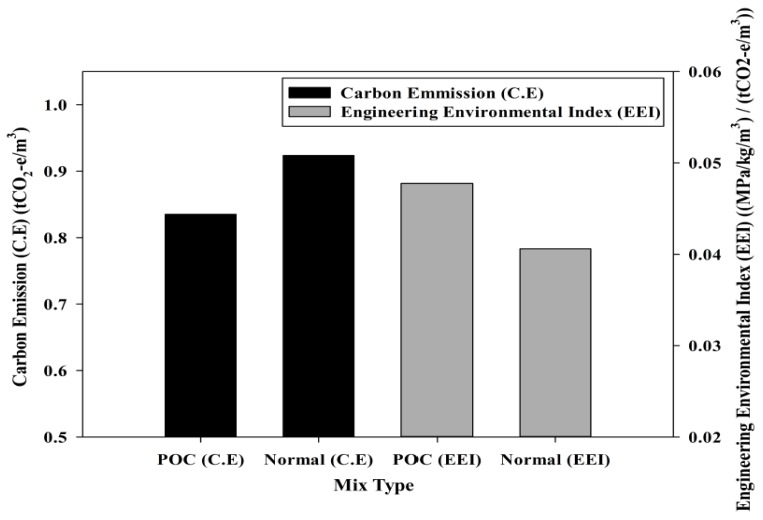
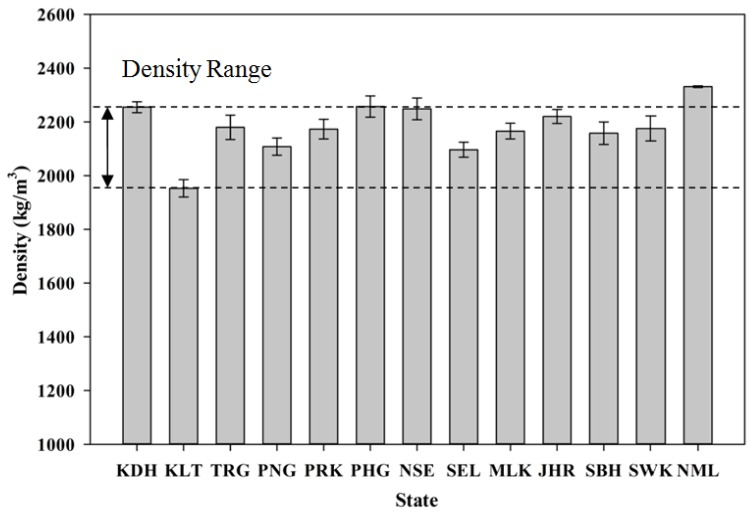
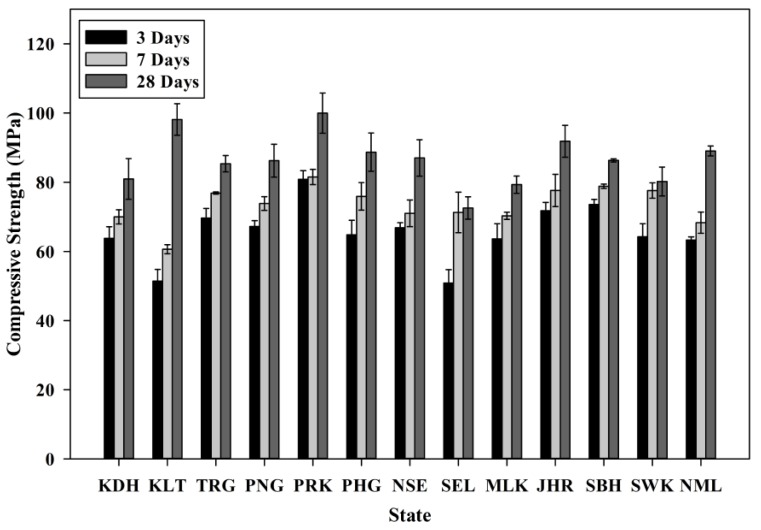
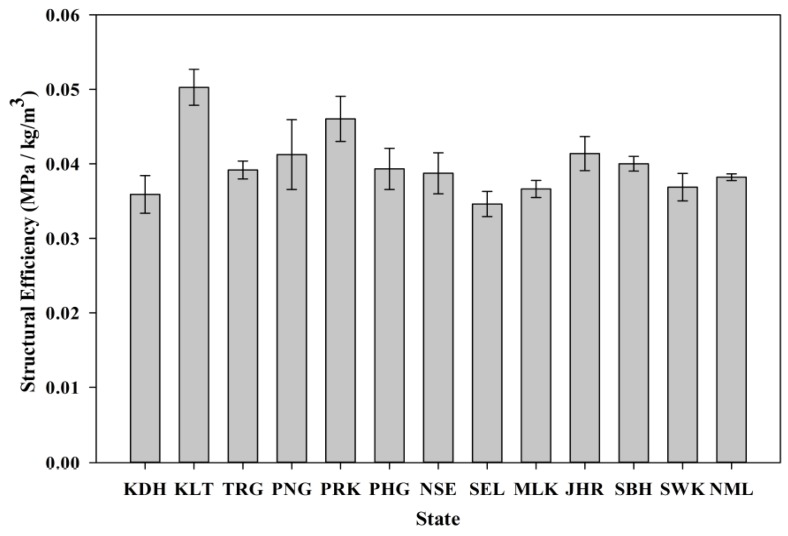
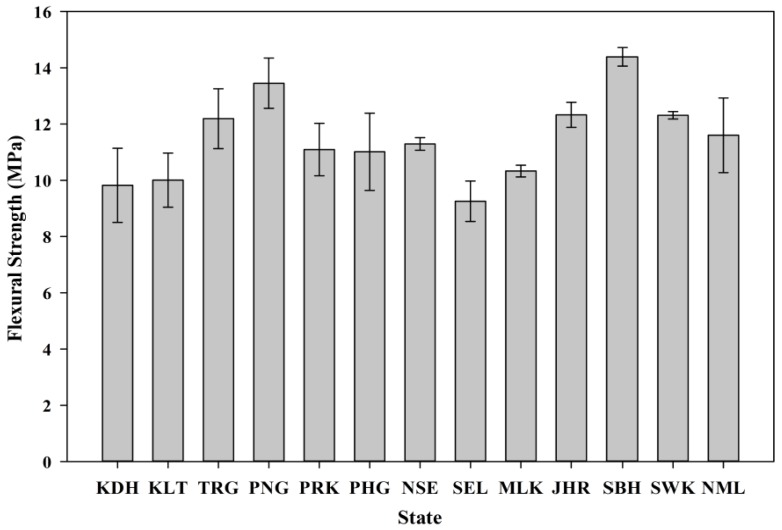
The agricultural industry in Malaysia has grown rapidly over the years. Palm oil clinker (POC) is a byproduct obtained from the palm oil industry. Its lightweight properties allows for its utilization as an aggregate, while in powder form as a filler material in concrete. POC specimens obtained throughout each state in Malaysia were investigated to evaluate the physical, chemical, and microstructure characteristics. Variations between each state were determined and their possible contributory factors were assessed. POC were incorporated as a replacement material for aggregates and their engineering characteristics were ascertained. Almost 7% of density was reduced with the introduction of POC as aggregates. A sustainability assessment was made through greenhouse gas emission (GHG) and cost factor analyses to determine the contribution of the addition of POC to the construction industry. Addition of POC helps to lower the GHG emission by 9.6% compared to control specimens. By channeling this waste into the construction industry, an efficient waste-management system can be promoted; thus, creating a cleaner environment. This study is also expected to offer some guides and directions for upcoming research works on the incorporation of POC.
多年来,马来西亚的农业产业发展迅速。棕榈油熟料(POC)是棕榈油产业的一种副产品。其轻质特性使其可作为骨料使用,而粉末形式则可作为混凝土中的填充材料。对在马来西亚各州获取的POC样本进行了研究,以评估其物理、化学和微观结构特征。确定了各州之间的差异,并评估了其可能的促成因素。将POC用作骨料的替代材料,并确定了其工程特性。引入POC作为骨料后,密度降低了近7%。通过温室气体排放(GHG)和成本因素分析进行了可持续性评估,以确定添加POC对建筑业的贡献。与对照样本相比,添加POC有助于将温室气体排放量降低9.6%。通过将这种废物引入建筑业,可以促进高效的废物管理系统;从而创造更清洁的环境。本研究预计还将为即将开展的关于POC掺入的研究工作提供一些指导和方向。