Department of Microbiology and Molecular Medicine, University of Geneva Medical School, Geneva, Switzerland.
Swiss Institute of Bioinformatics, University of Geneva Medical School, Geneva, Switzerland.
J Allergy Clin Immunol. 2018 Jun;141(6):2074-2084. doi: 10.1016/j.jaci.2017.07.018. Epub 2017 Aug 8.
The leading cause of acute illnesses, respiratory viruses, typically cause self-limited diseases, although severe complications can occur in fragile patients. Rhinoviruses (RVs), respiratory enteroviruses (EVs), influenza virus, respiratory syncytial viruses (RSVs), and coronaviruses are highly prevalent respiratory pathogens, but because of the lack of reliable animal models, their differential pathogenesis remains poorly characterized.
We sought to compare infections by respiratory viruses isolated from clinical specimens using reconstituted human airway epithelia.
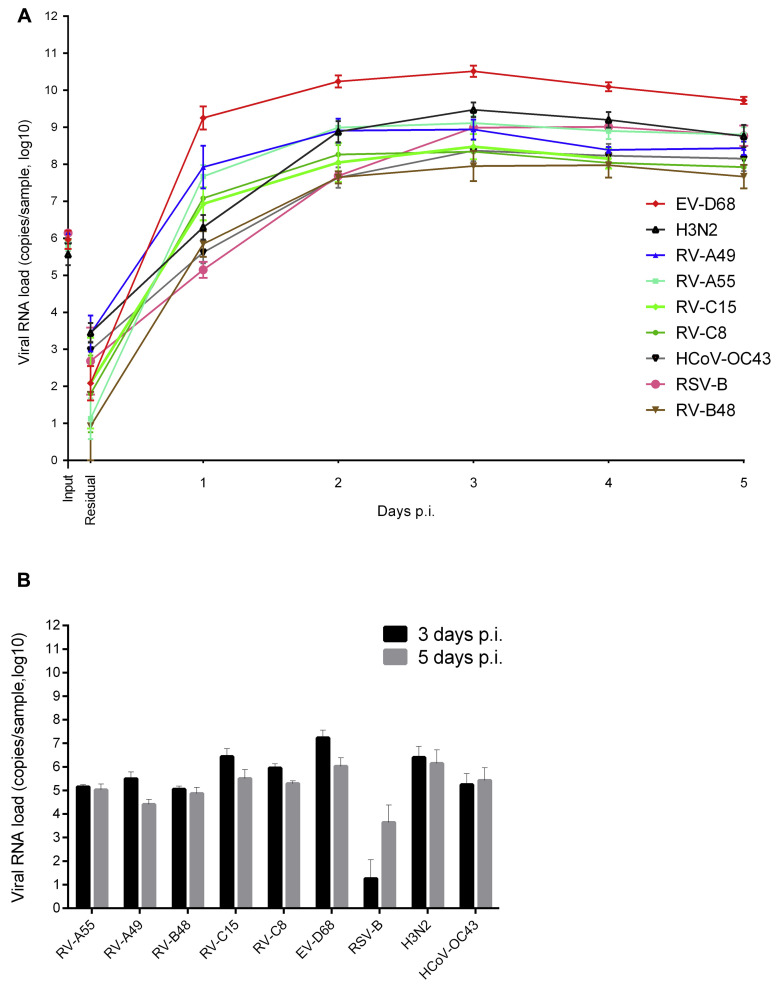
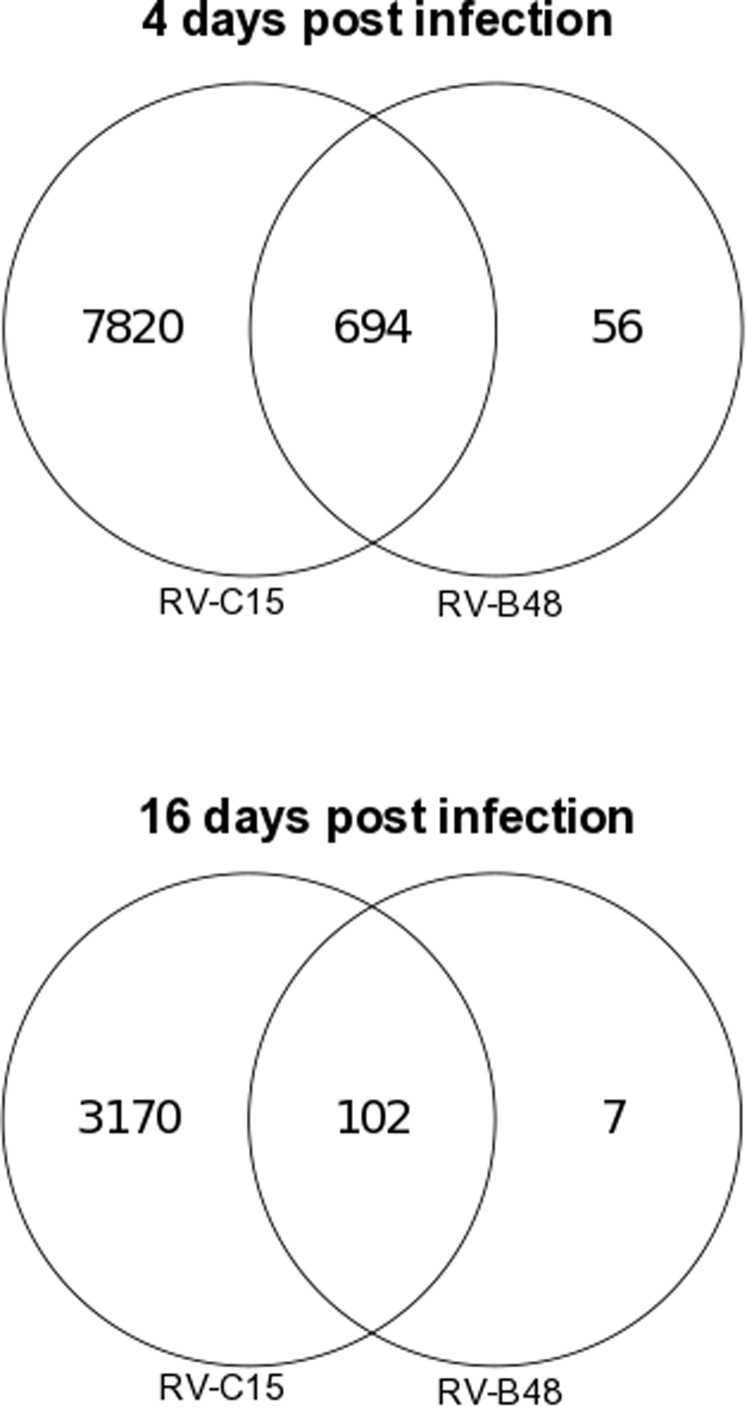
Tissues were infected with RV-A55, RV-A49, RV-B48, RV-C8, and RV-C15; respiratory EV-D68; influenza virus H3N2; RSV-B; and human coronavirus (HCoV)-OC43. Replication kinetics, cell tropism, effect on tissue integrity, and cytokine secretion were compared. Viral adaptation and tissue response were assessed through RNA sequencing.
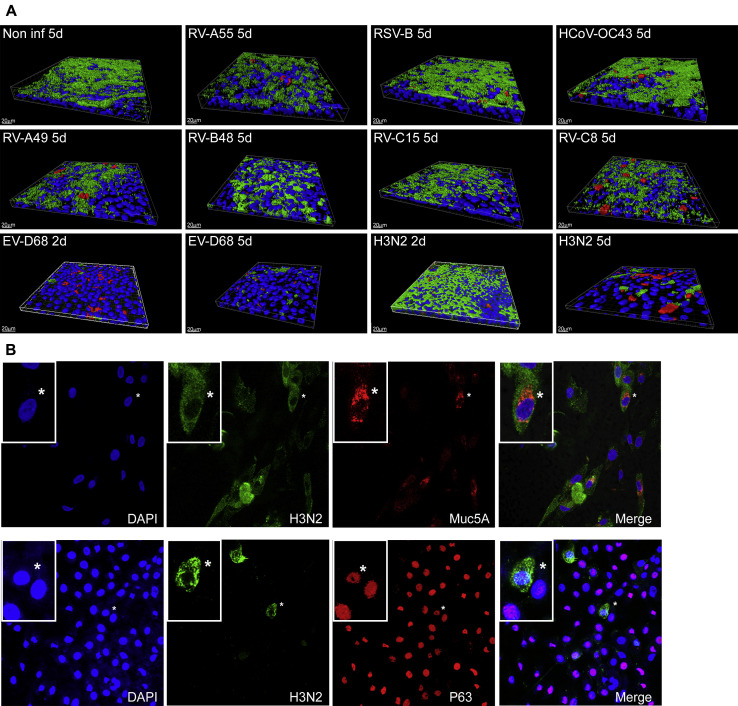
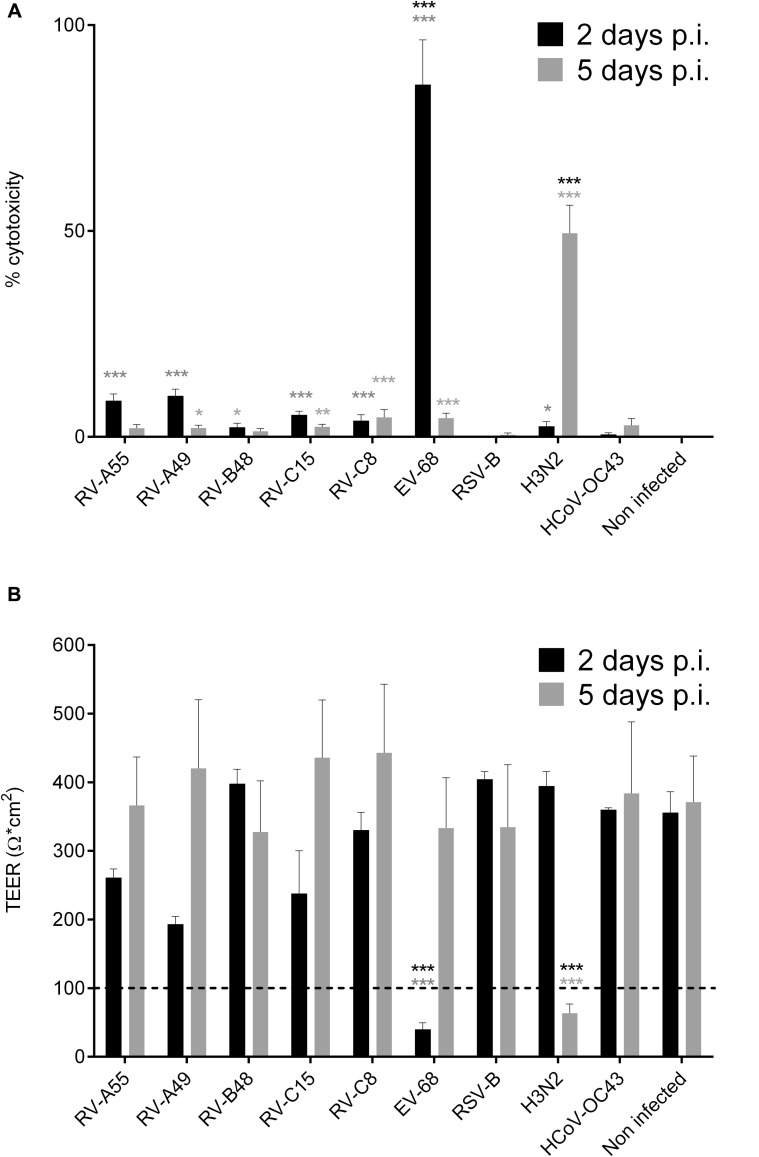
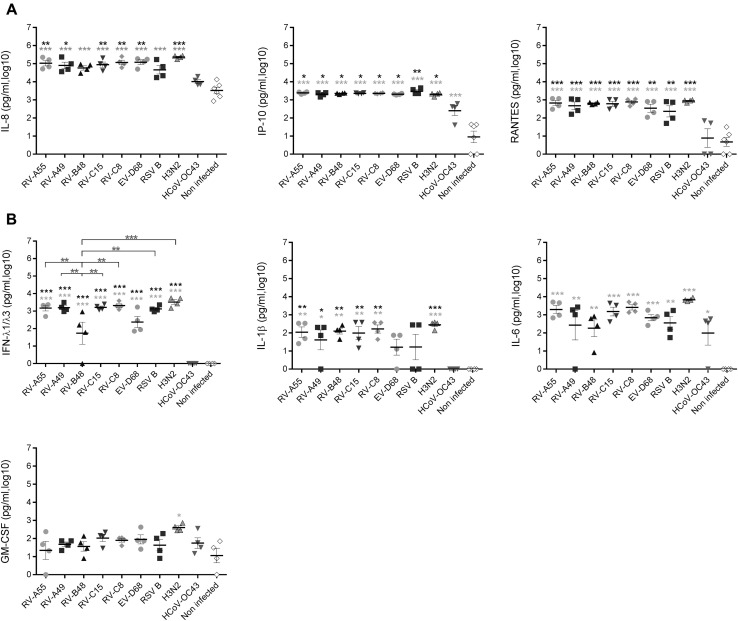
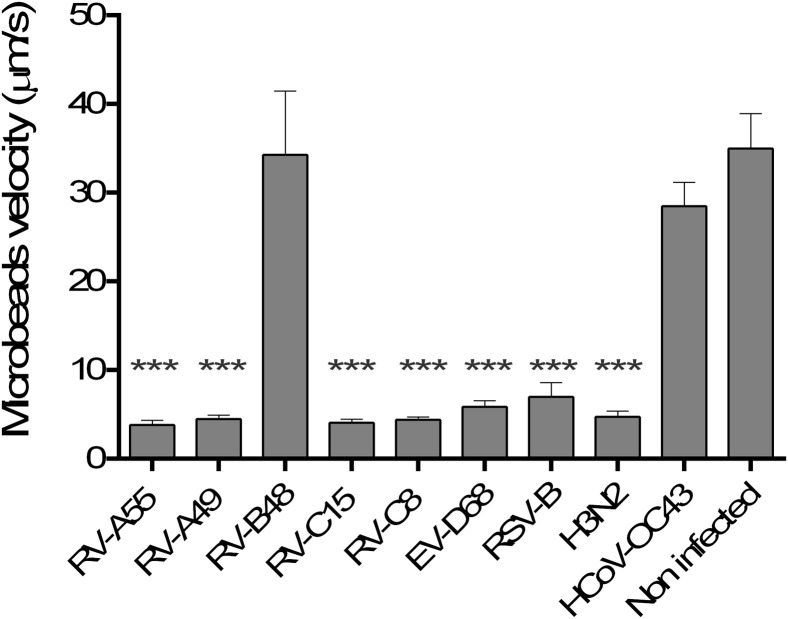
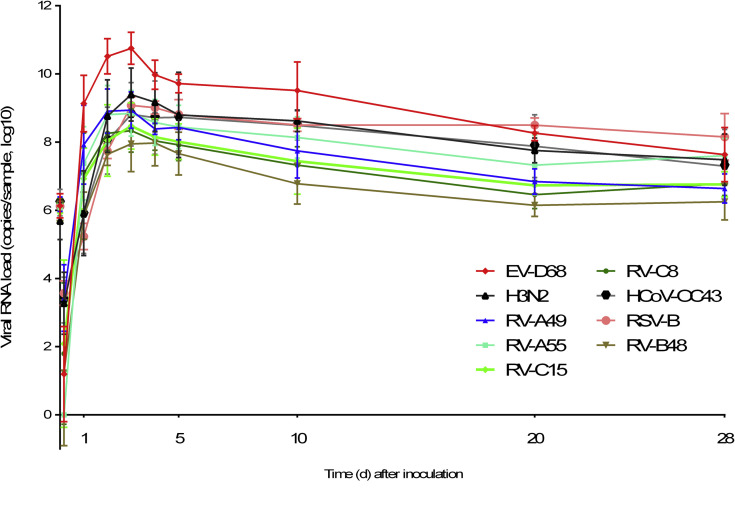
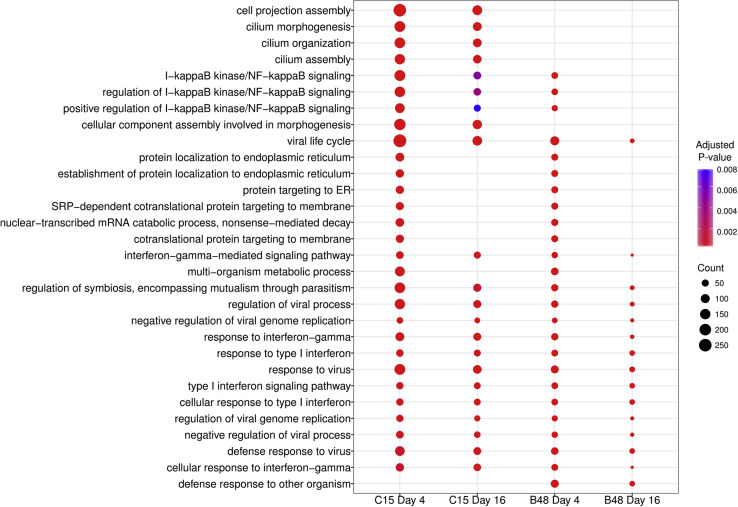
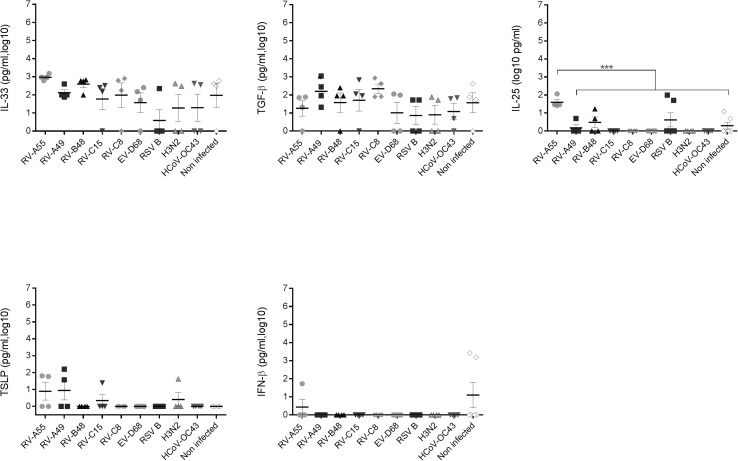
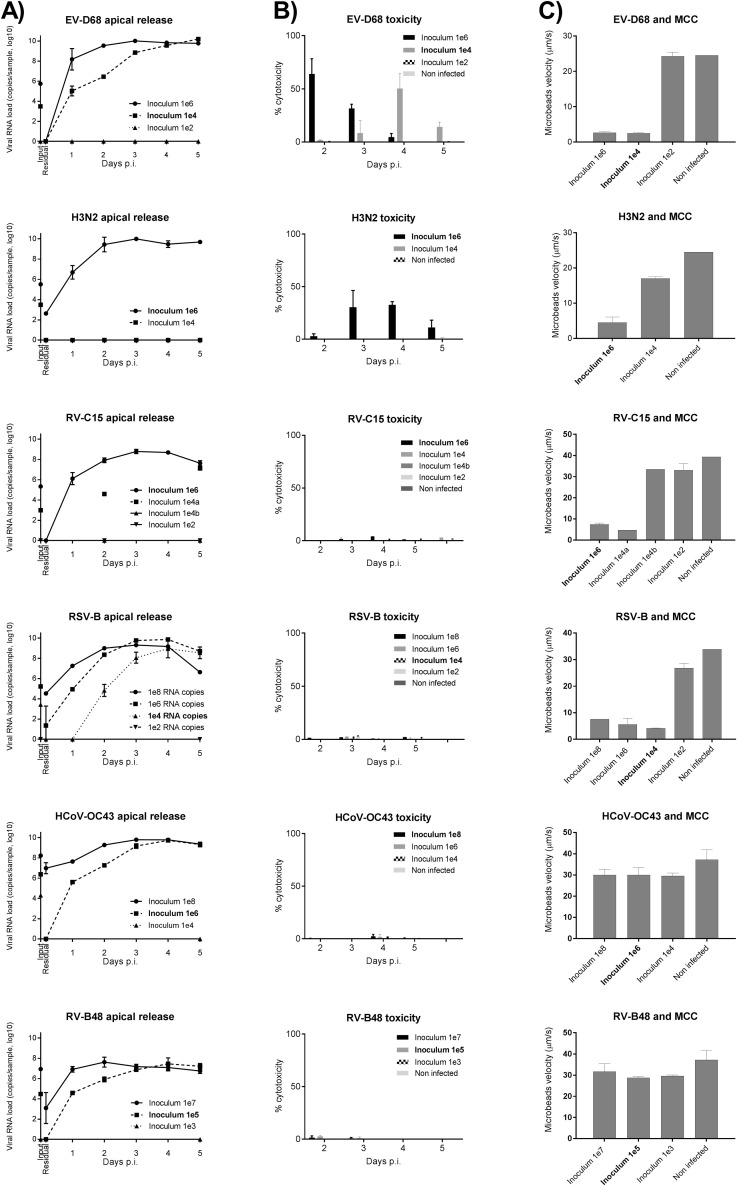
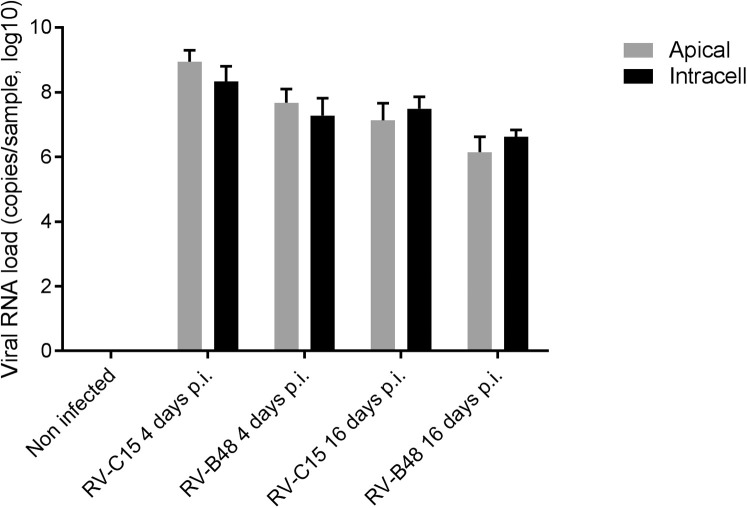
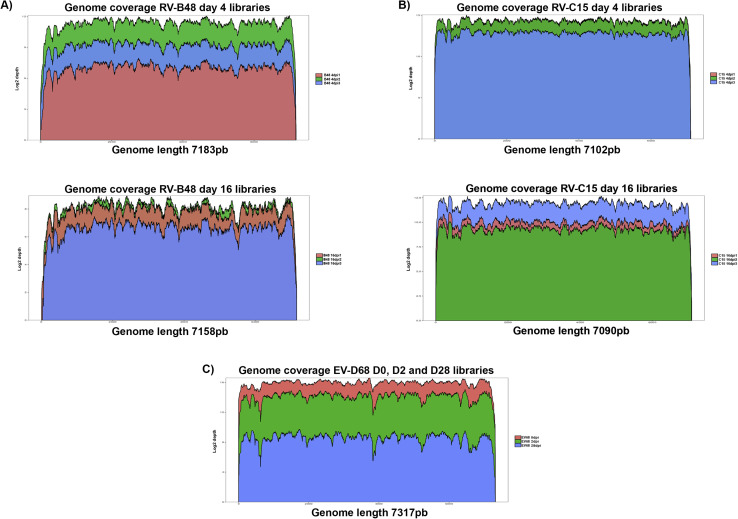
RVs, RSV-B, and HCoV-OC43 infected ciliated cells and caused no major cell death, whereas H3N2 and EV-D68 induced ciliated cell loss and tissue integrity disruption. H3N2 was also detected in rare goblet and basal cells. All viruses, except RV-B48 and HCoV-OC43, altered cilia beating and mucociliary clearance. H3N2 was the strongest cytokine inducer, and HCoV-OC43 was the weakest. Persistent infection was observed in all cases. RNA sequencing highlighted perturbation of tissue metabolism and induction of a transient but important immune response at 4 days after infection. No majority mutations emerged in the viral population.
Our results highlight the differential in vitro pathogenesis of respiratory viruses during the acute infection phase and their ability to persist under immune tolerance. These data help to appreciate the range of disease severity observed in vivo and the occurrence of chronic respiratory tract infections in immunocompromised hosts.
急性疾病的主要病因——呼吸道病毒,通常会导致自限性疾病,但在脆弱的患者中可能会出现严重的并发症。鼻病毒(RV)、呼吸道肠道病毒(EV)、流感病毒、呼吸道合胞病毒(RSV)和冠状病毒是高度流行的呼吸道病原体,但由于缺乏可靠的动物模型,其差异发病机制仍未得到充分描述。
我们试图使用重建的人呼吸道上皮细胞比较从临床标本中分离出的呼吸道病毒感染。
组织感染 RV-A55、RV-A49、RV-B48、RV-C8 和 RV-C15;呼吸道 EV-D68;流感病毒 H3N2;RSV-B;和人类冠状病毒(HCoV)-OC43。比较复制动力学、细胞嗜性、对组织完整性的影响和细胞因子分泌。通过 RNA 测序评估病毒适应和组织反应。
RV、RSV-B 和 HCoV-OC43 感染纤毛细胞,不会导致大量细胞死亡,而 H3N2 和 EV-D68 则导致纤毛细胞丧失和组织完整性破坏。H3N2 也在罕见的杯状细胞和基底细胞中被检测到。除了 RV-B48 和 HCoV-OC43,所有病毒都改变了纤毛的摆动和黏液纤毛清除功能。H3N2 是最强的细胞因子诱导剂,而 HCoV-OC43 是最弱的。在所有情况下都观察到持续感染。RNA 测序突出了组织代谢的紊乱,并在感染后 4 天诱导了短暂但重要的免疫反应。病毒群体中没有出现多数突变。
我们的结果强调了呼吸道病毒在急性感染阶段的不同体外发病机制及其在免疫耐受下持续存在的能力。这些数据有助于了解体内观察到的疾病严重程度范围以及免疫功能低下宿主中慢性呼吸道感染的发生。