Nobs Samuel Philip, Natali Sara, Pohlmeier Lea, Okreglicka Katarzyna, Schneider Christoph, Kurrer Michael, Sallusto Federica, Kopf Manfred
Molecular Biomedicine, Institute of Molecular Health Sciences, Department of Biology, ETH Zurich, Zurich, Switzerland.
Center of Medical Immunology, Institute for Research in Biomedicine, Università della Svizzera Italiana, Bellinzona, Switzerland.
J Exp Med. 2017 Oct 2;214(10):3015-3035. doi: 10.1084/jem.20162069. Epub 2017 Aug 10.
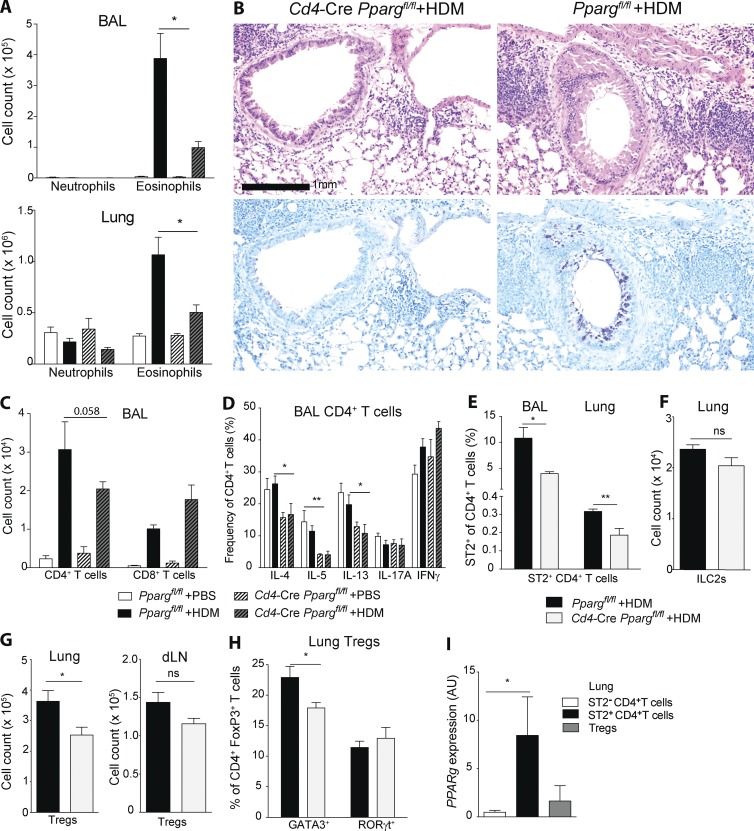
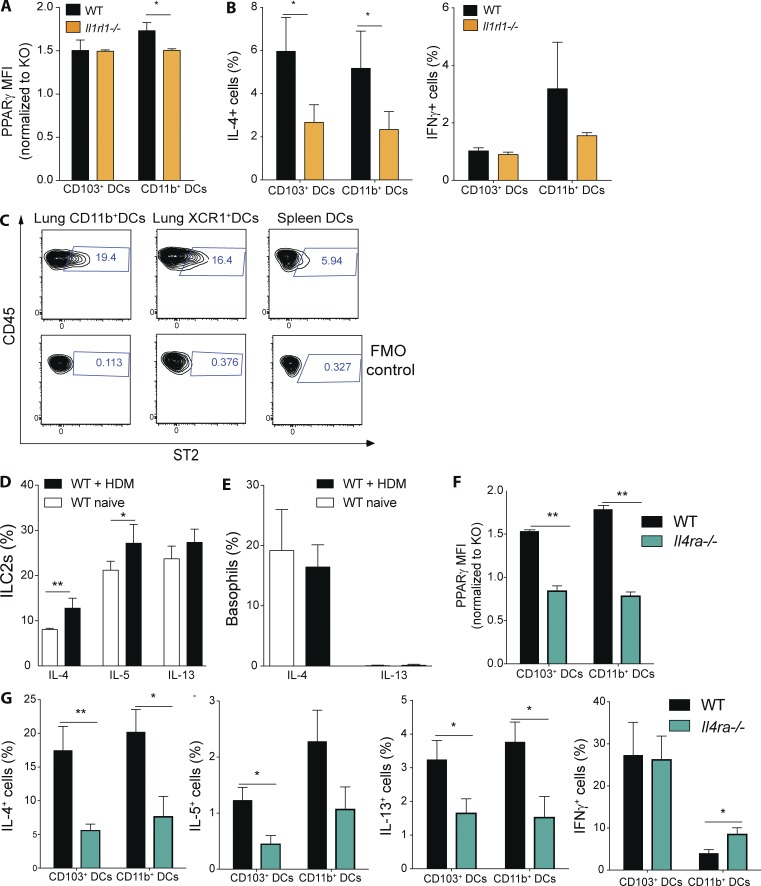
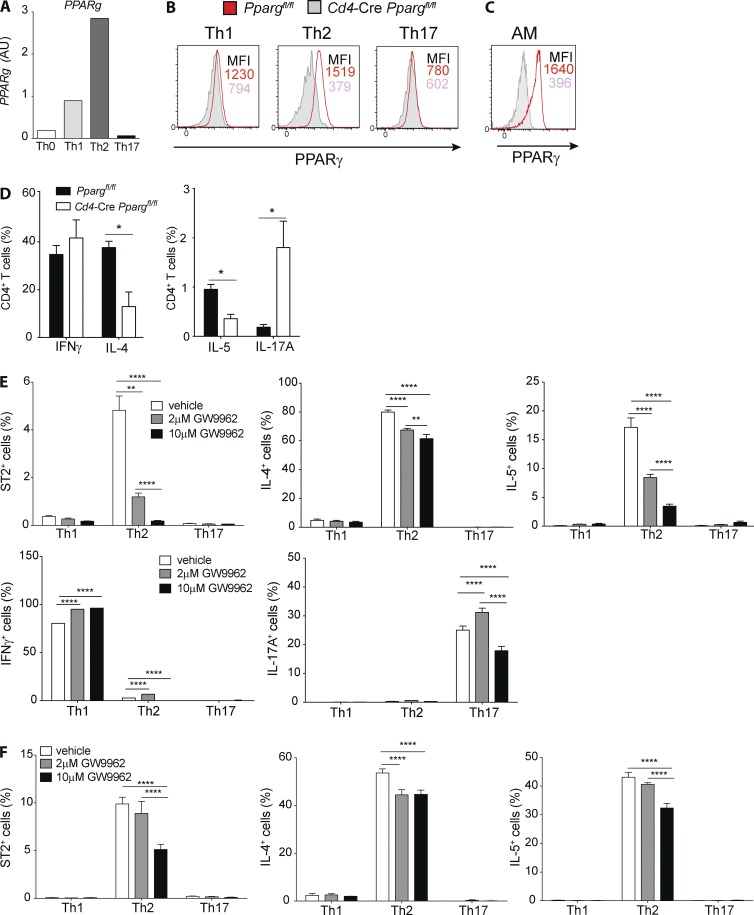
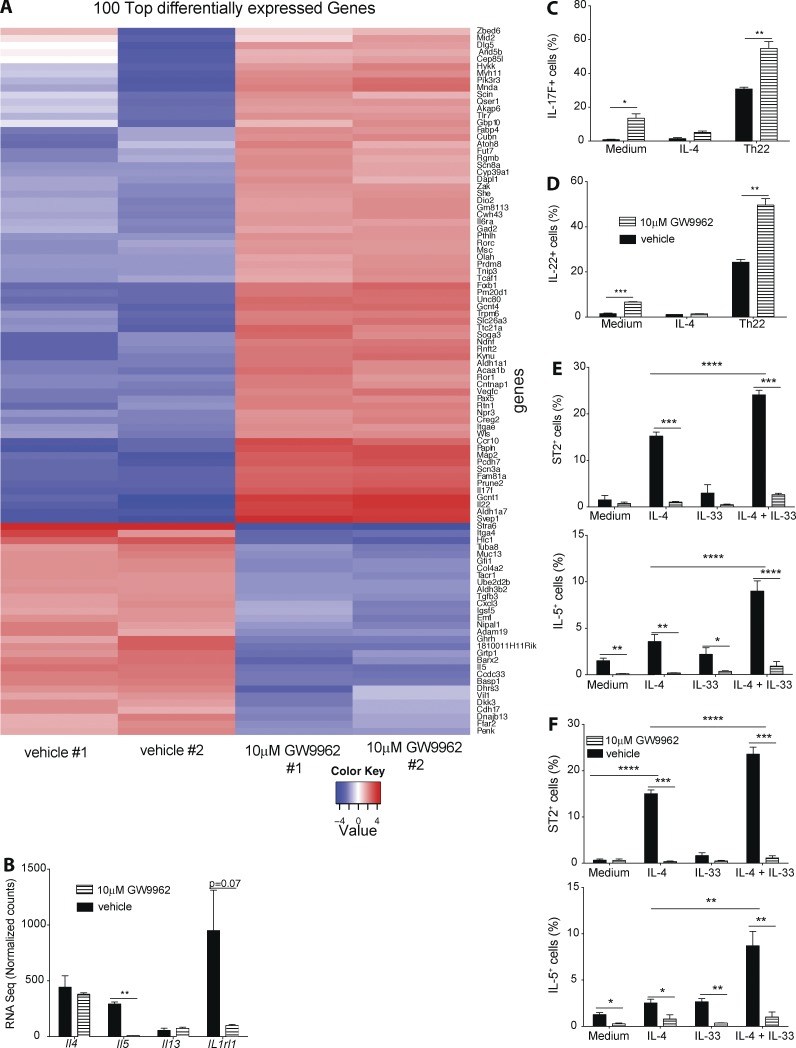
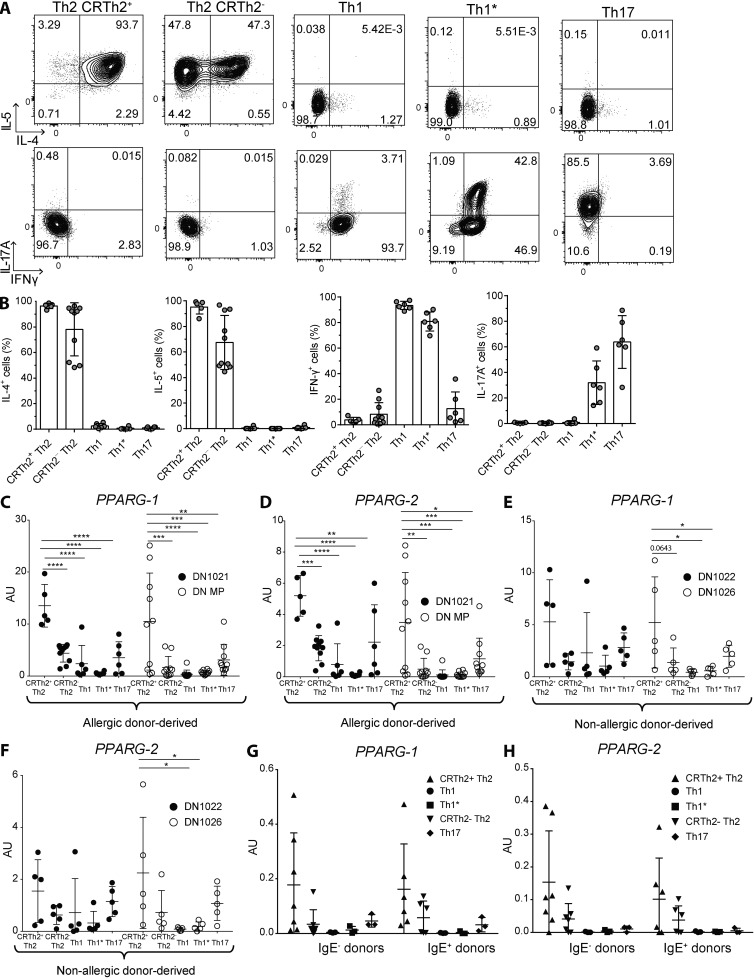
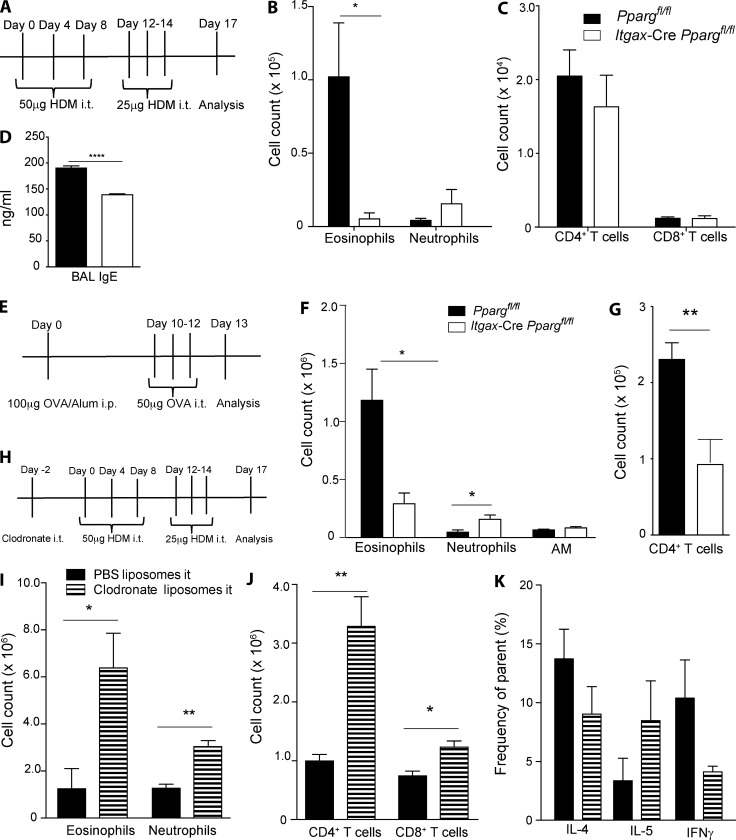
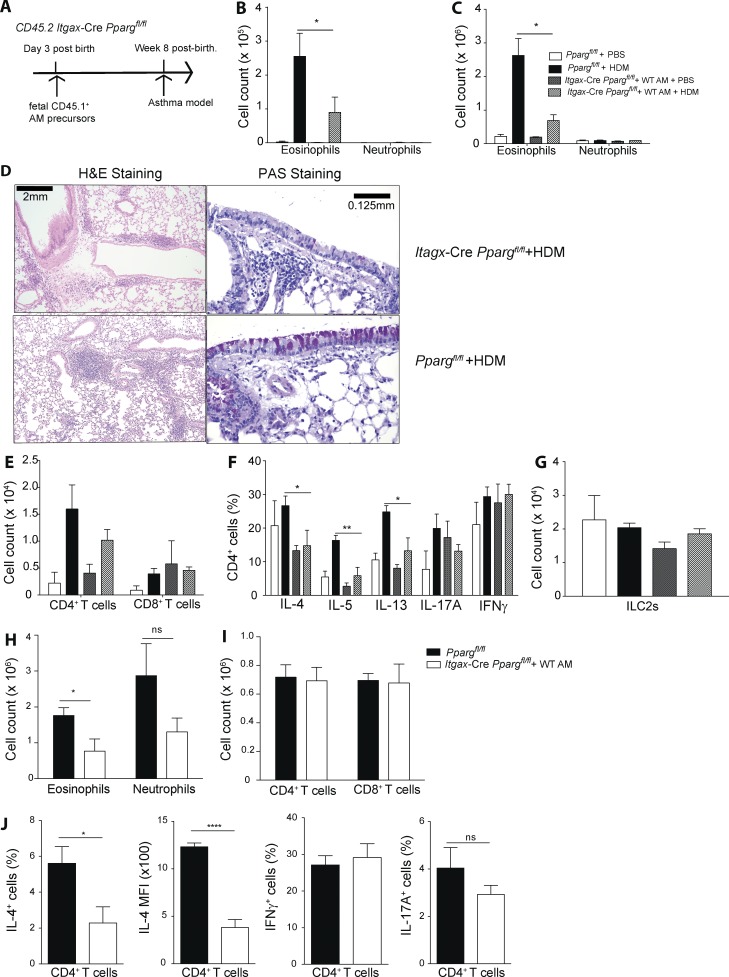
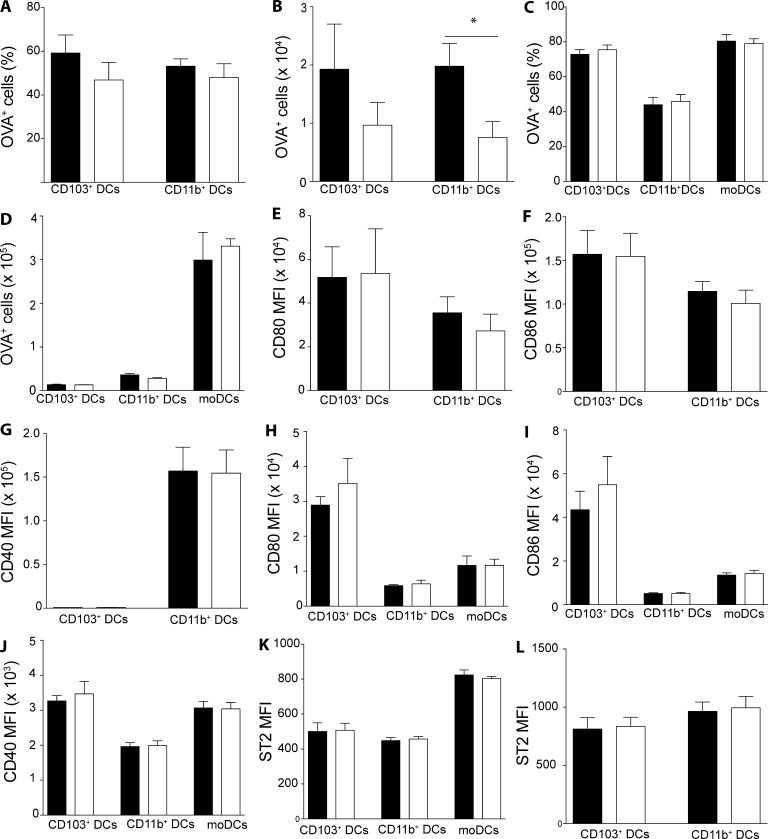
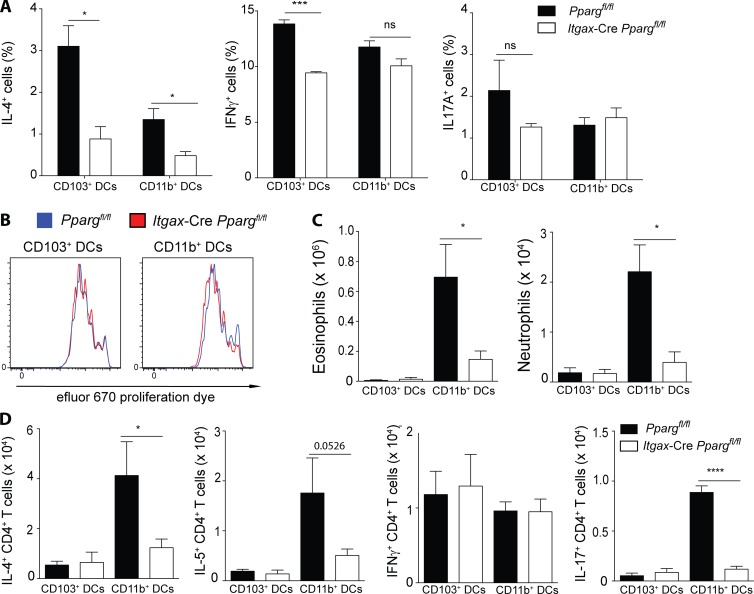
Type-2 immune responses are well-established drivers of chronic inflammatory diseases, such as asthma, and represent a large burden on public health systems. The transcription factor PPARγ is known to promote M2-macrophage and alveolar macrophage development. Here, we report that PPARγ plays a key role in both T cells and dendritic cells (DCs) for development of type-2 immune responses. It is predominantly expressed in mouse Th2 cells in vitro and in vivo as well as human Th2 cells from allergic patients. Using conditional knockouts, we show that PPARγ signaling in T cells, although largely dispensable for IL-4 induction, is critical for IL-33-driven Th2 effector function in type-2 allergic airway responses. Furthermore, we demonstrate that IL-4 and IL-33 promote up-regulation of PPARγ in lung-resident CD11b DCs, which enhances migration to draining lymph nodes and Th2 priming capacity. Thus, we uncover a surprising proinflammatory role for PPARγ and establish it as a novel, important mediator of DC-T cell interactions in type-2 immunity.
2型免疫反应是哮喘等慢性炎症性疾病的既定驱动因素,给公共卫生系统带来了沉重负担。已知转录因子PPARγ可促进M2巨噬细胞和肺泡巨噬细胞的发育。在此,我们报告PPARγ在2型免疫反应的发展中,对T细胞和树突状细胞(DC)均起着关键作用。它在体外和体内的小鼠Th2细胞以及来自过敏患者的人类Th2细胞中均有主要表达。利用条件性基因敲除,我们发现T细胞中的PPARγ信号传导,虽然在很大程度上对IL-4的诱导并非必需,但对于2型过敏性气道反应中IL-33驱动的Th2效应功能至关重要。此外,我们证明IL-4和IL-33可促进肺驻留CD11b DC中PPARγ的上调,这增强了其向引流淋巴结的迁移和Th2启动能力。因此,我们揭示了PPARγ令人惊讶的促炎作用,并并将其确立为2型免疫中DC-T细胞相互作用的一种新型重要介质。