Department of Dentistry, Faculty of Medicine and Dentistry, University of Alberta, Edmonton, T6G 2E1, Alberta, Canada.
Vaccine and Infectious Disease Organization, International Vaccine Centre, University of Saskatchewan, Saskatoon, S7N 53E, SK, Canada.
Sci Rep. 2017 Aug 10;7(1):7728. doi: 10.1038/s41598-017-07938-7.
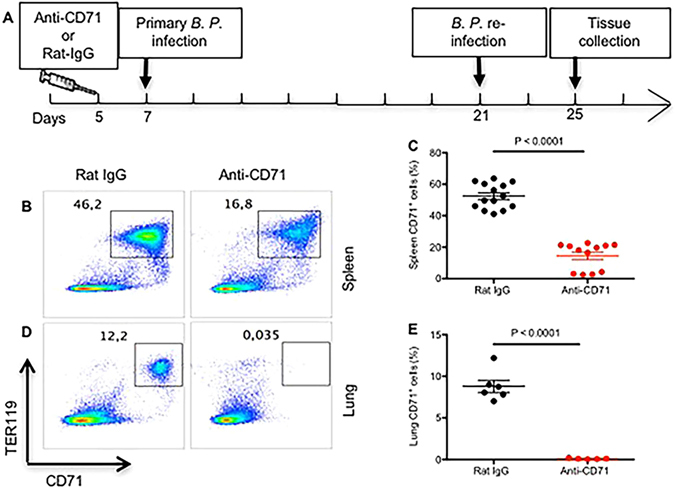
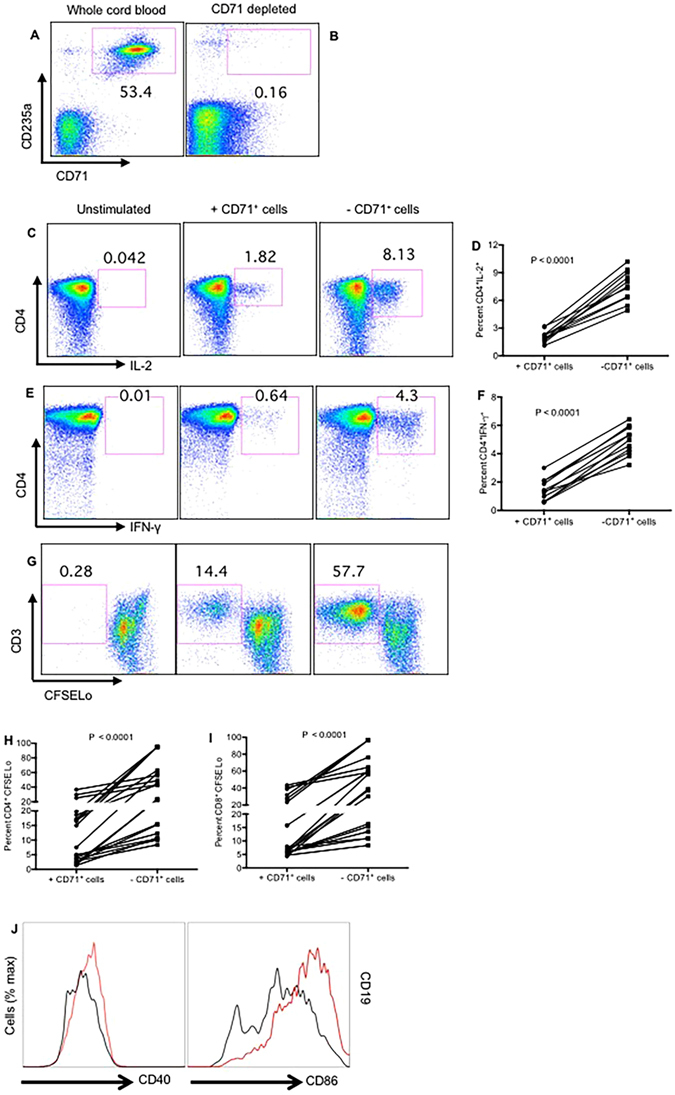
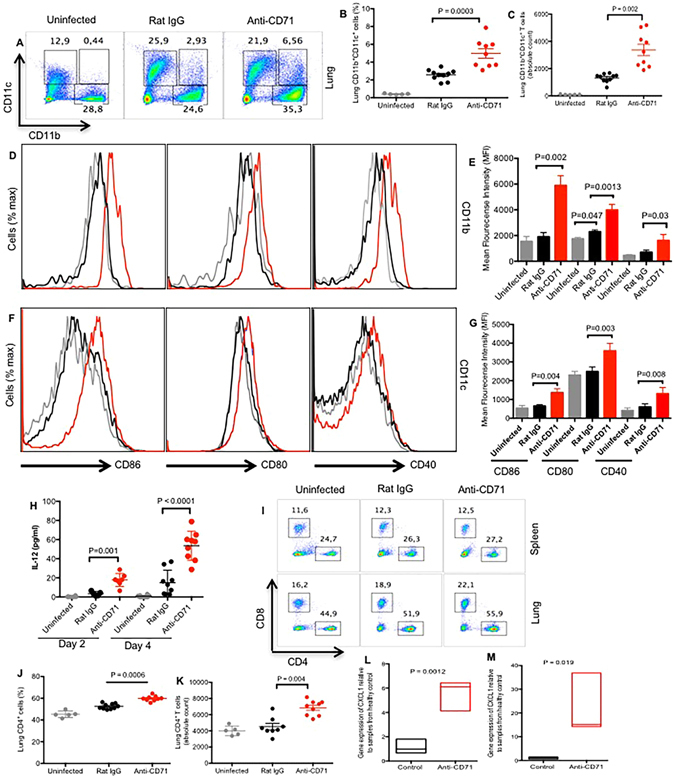
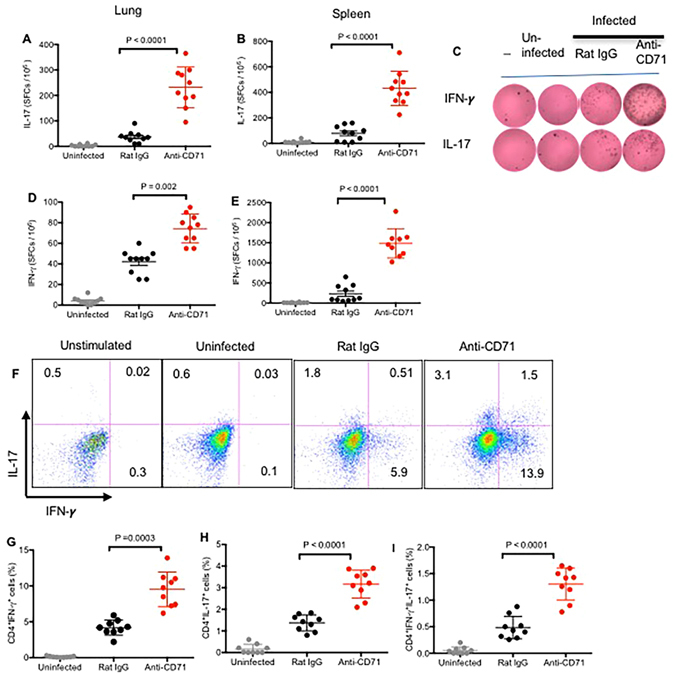
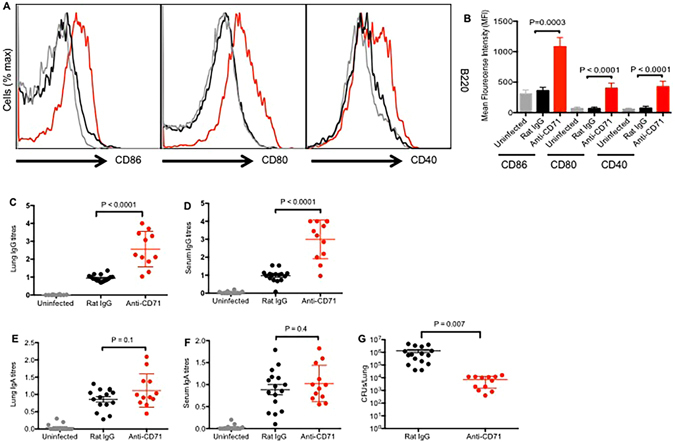
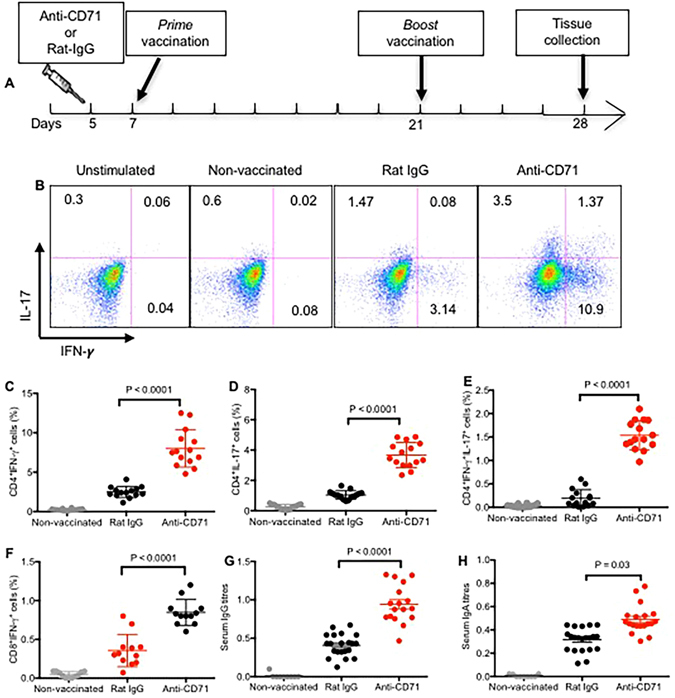
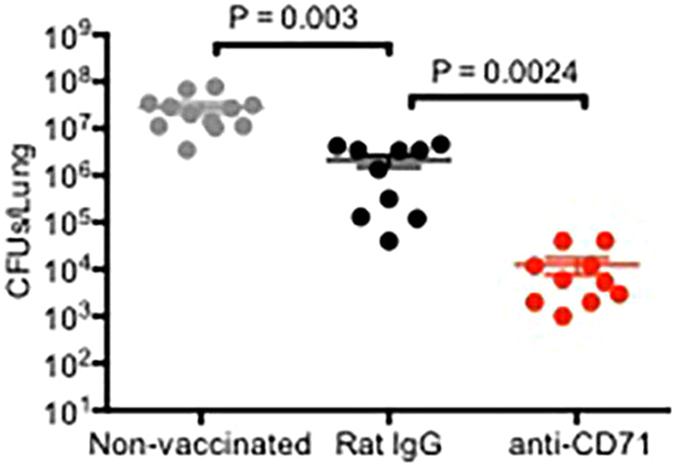
Infant's immune system cannot control infection or respond to vaccination as efficiently as older individuals, a phenomenon that has been attributed to immunological immaturity. Recently, we challenged this notion and proposed the presence of actively immunosuppressive and physiologically enriched CD71 erythroid cells in neonates. Here we utilized Bordetella pertussis, a common neonatal respiratory tract pathogen, as a proof of concept to investigate the role of these cells in adaptive immunity. We observed that CD71 cells have distinctive immunosuppressive properties and prevent recruitment of immune cells to the mucosal site of infection. CD71 cells ablation unleashed induction of B. pertussis-specific protective cytokines (IL-17 and IFN-γ) in the lungs and spleen upon re-infection or vaccination. We also found that CD71 cells suppress systemic and mucosal B. pertussis-specific antibody responses. Enhanced antigen-specific adaptive immunity following CD71 cells depletion increased resistance of mice to B. pertussis infection. Furthermore, we found that human cord blood CD71 cells also suppress T and B cell functions in vitro. Collectively, these data provide important insight into the role of CD71 erythroid cells in adaptive immunity. We anticipate our results will spark renewed investigation in modulating the function of these cells to enhance host defense to infections in newborns.
婴儿的免疫系统无法像成年人那样有效地控制感染或对疫苗产生反应,这种现象归因于免疫不成熟。最近,我们对这一观点提出了挑战,并提出了在新生儿中存在积极的免疫抑制和生理性丰富的 CD71 红细胞的观点。在这里,我们利用百日咳博德特氏菌作为一种概念验证,研究了这些细胞在适应性免疫中的作用。我们观察到 CD71 细胞具有独特的免疫抑制特性,并阻止免疫细胞募集到感染的黏膜部位。CD71 细胞的消融在重新感染或接种疫苗时,在肺部和脾脏中引发了百日咳特异性保护性细胞因子(IL-17 和 IFN-γ)的诱导。我们还发现 CD71 细胞抑制了系统性和黏膜性百日咳特异性抗体反应。CD71 细胞耗竭后增强的抗原特异性适应性免疫增加了小鼠对百日咳博德特氏菌感染的抵抗力。此外,我们发现人类脐带血 CD71 细胞也在体外抑制 T 和 B 细胞功能。总之,这些数据为 CD71 红细胞在适应性免疫中的作用提供了重要的见解。我们预计我们的结果将激发对这些细胞功能的调节的新研究,以增强新生儿对感染的宿主防御。