Department of Chemical and Biomedical Engineering, College of Engineering, University of South Florida, Tampa, FL-33620, USA.
Global Center of Hearing and Speech Research, University of South Florida, Tampa, FL-33612, USA.
Sci Rep. 2017 Aug 10;7(1):7803. doi: 10.1038/s41598-017-08141-4.
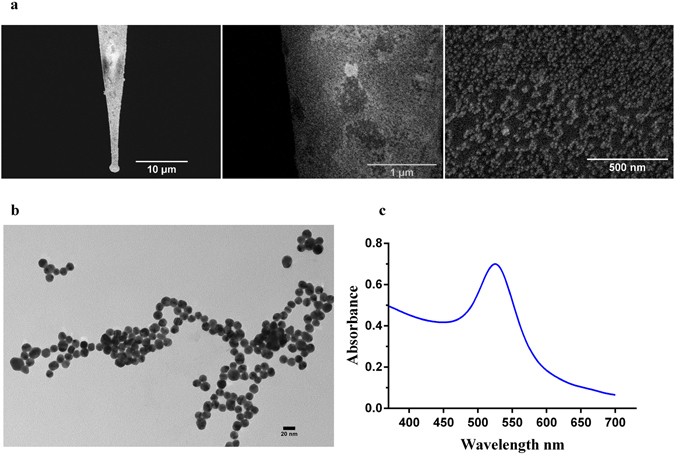
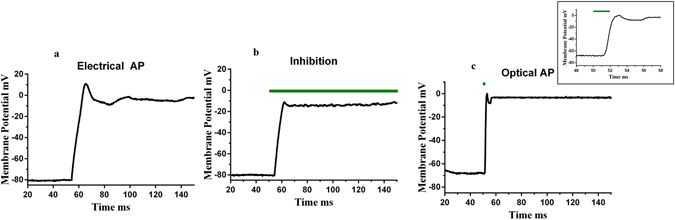
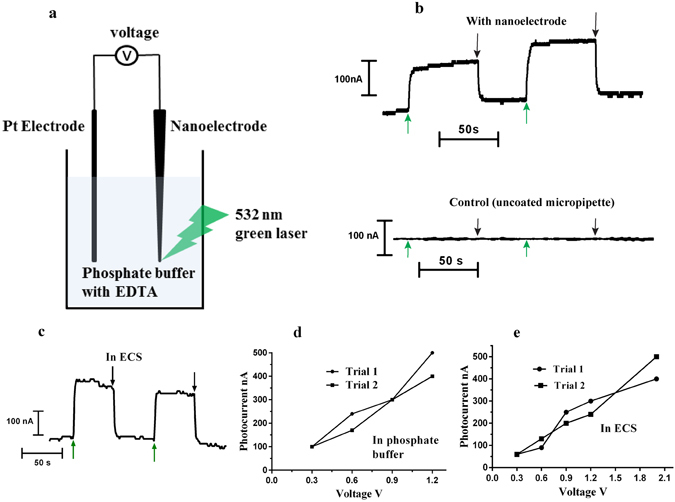
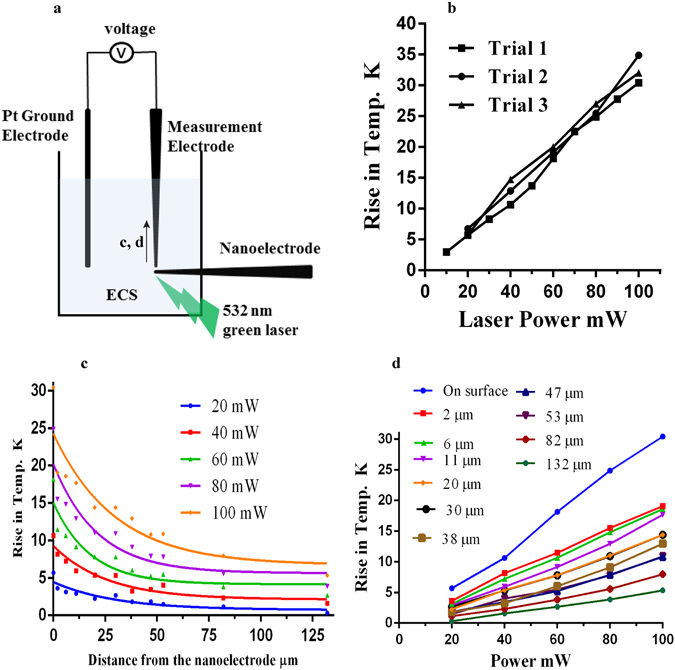
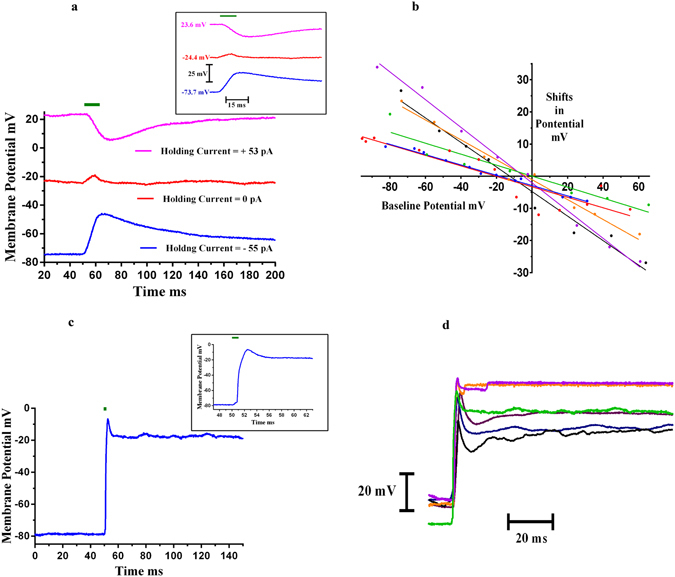
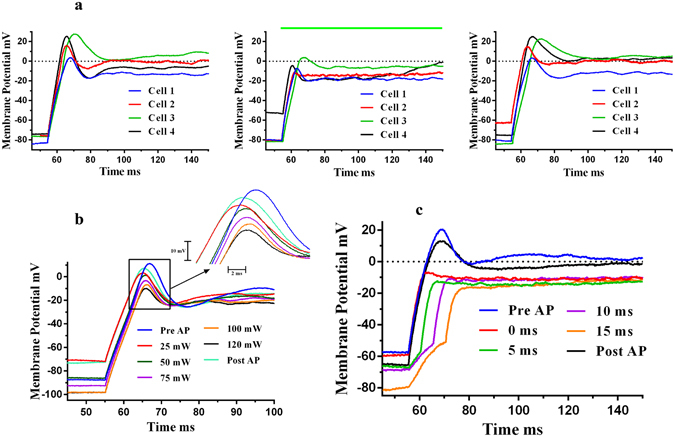
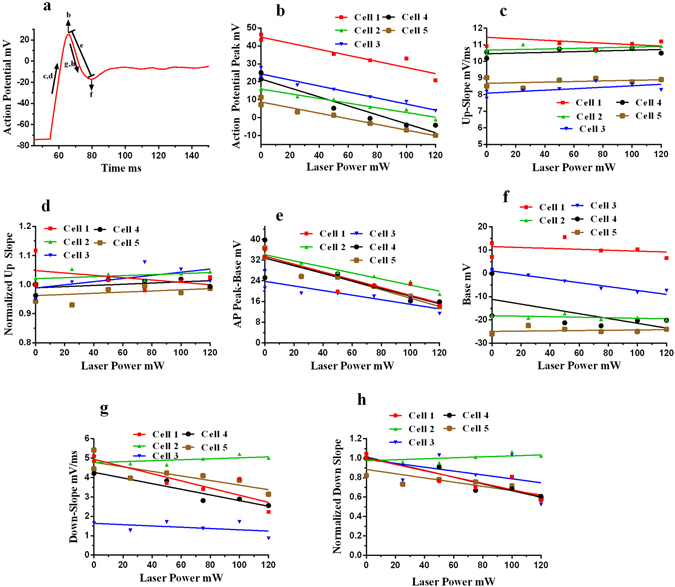
There is a compelling need for the development of new sensory and neural prosthetic devices which are capable of more precise point stimulation. Current prosthetic devices suffer from the limitation of low spatial resolution due to the non-specific stimulation characteristics of electrical stimulation, i.e., the spread of electric fields generated. We present a visible light stimulation method for modulating the firing patterns of electrically-excitable cells using surface plasmon resonance phenomena. In in-vitro studies using gold (Au) nanoparticle-coated nanoelectrodes, we show that this method (substrate coated with nanoparticles) has the potential for incorporating this new technology into neural stimulation prosthetics, such as cochlear implants for the deaf, with very high spatial resolution. Au nanoparticles (NPs) were coated on micropipettes using aminosilane linkers; and these micropipettes were used for stimulating and inhibiting the action potential firing patterns of SH-SY5Y human neuroblastoma cells and neonatal cardiomyocytes. Our findings pave the way for development of biomedical implants and neural testing devices using nanoelectrodes capable of temporally and spatially precise excitation and inhibition of electrically-excitable cellular activity.
非常需要开发新的感觉和神经假体设备,这些设备能够进行更精确的点状刺激。目前的假体设备由于电刺激的非特异性刺激特性(即产生的电场扩散)而受到空间分辨率低的限制。我们提出了一种使用表面等离子体共振现象来调制可兴奋细胞的发射模式的可见光刺激方法。在使用金(Au)纳米粒子涂覆的纳米电极的体外研究中,我们表明,这种方法(涂覆有纳米粒子的基底)有可能将这项新技术纳入神经刺激假体中,例如用于聋人的耳蜗植入物,具有非常高的空间分辨率。使用氨基硅烷连接子将 Au 纳米粒子(NPs)涂覆在微管上;并且这些微管用于刺激和抑制 SH-SY5Y 人神经母细胞瘤细胞和新生心肌细胞的动作电位发射模式。我们的研究结果为使用能够在时间和空间上精确激发和抑制可兴奋细胞活性的纳米电极开发生物医学植入物和神经测试设备铺平了道路。