Kubo Keitaro, Ishigaki Tomonobu, Ikebukuro Toshihiro
Department of Life Science, University of Tokyo, Meguro, Tokyo, Japan
Department of Life Science, University of Tokyo, Meguro, Tokyo, Japan.
Physiol Rep. 2017 Aug;5(15). doi: 10.14814/phy2.13374.
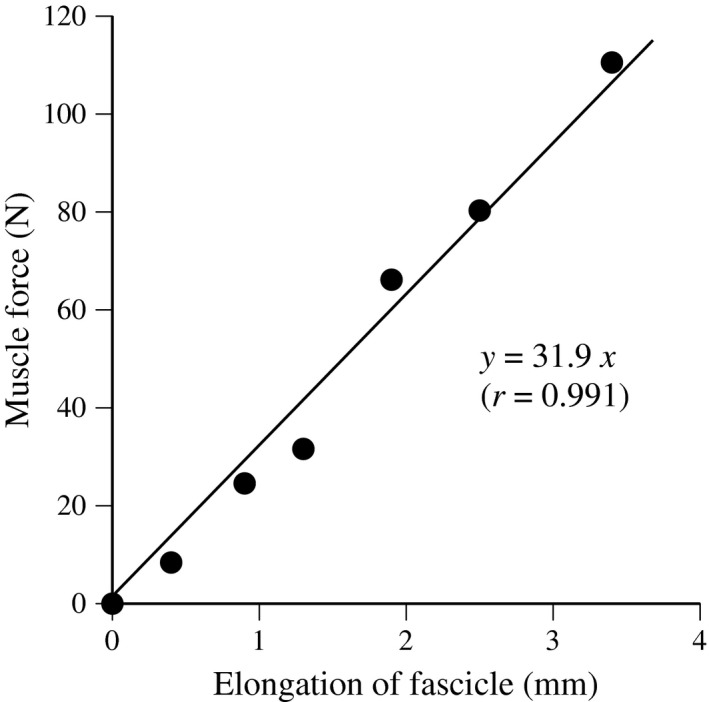
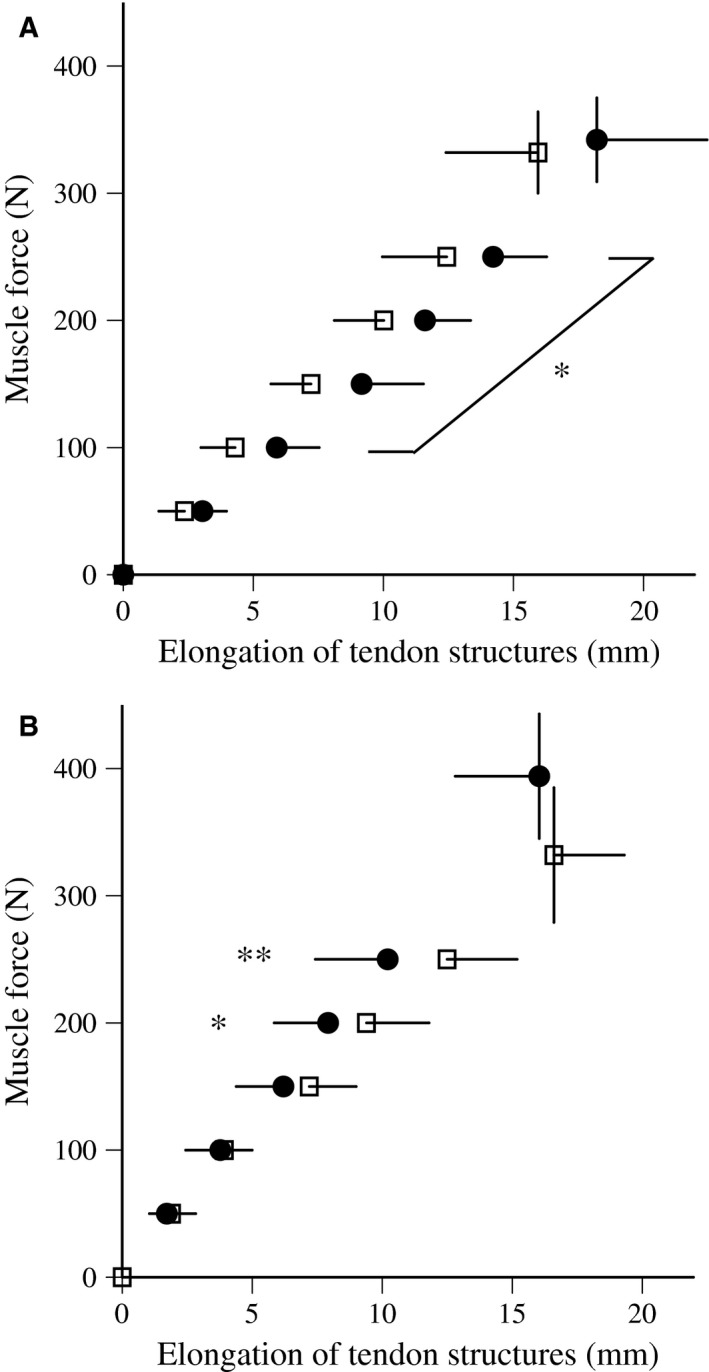
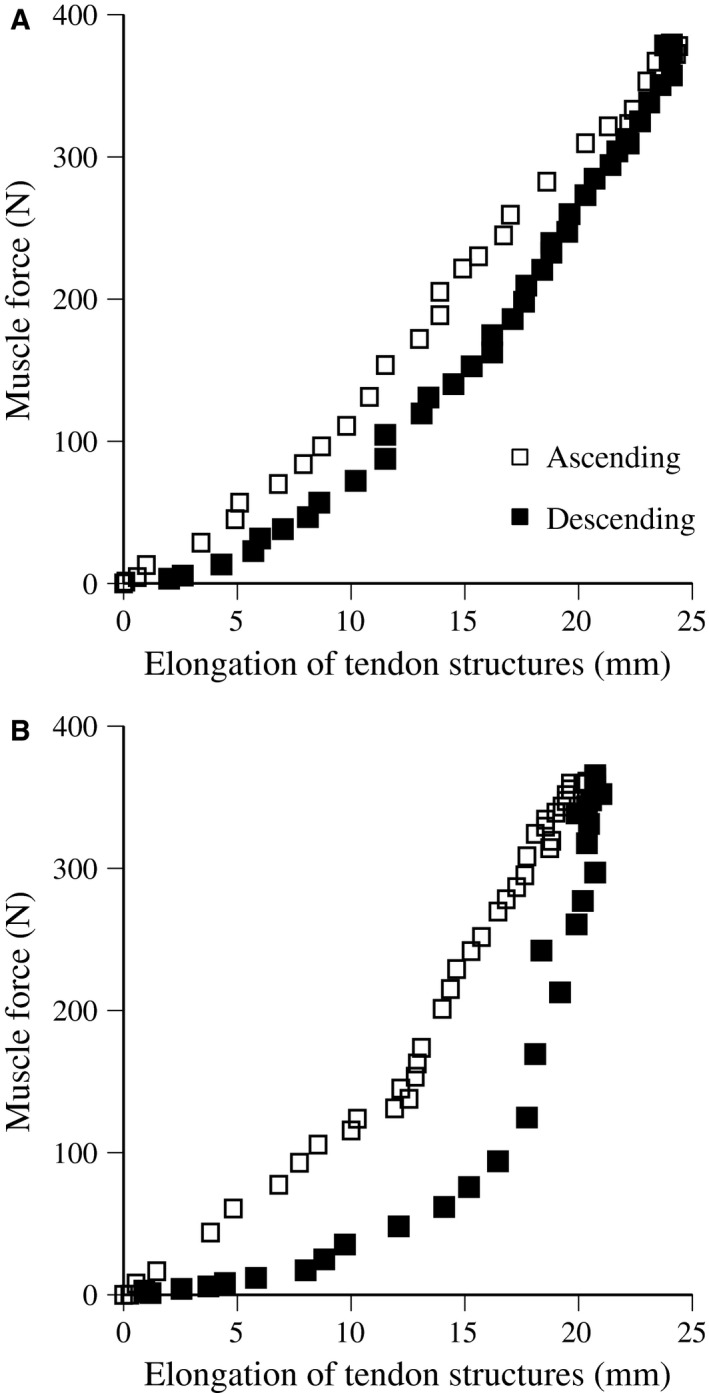
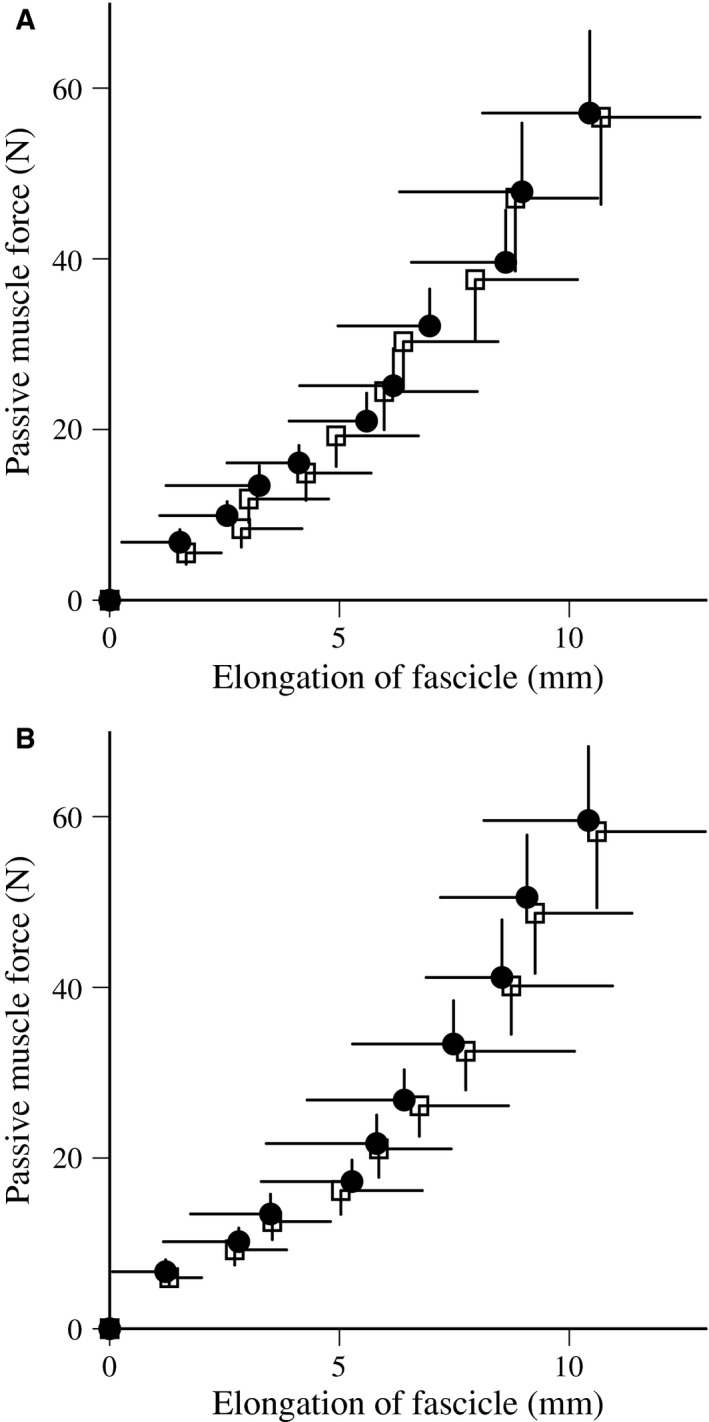
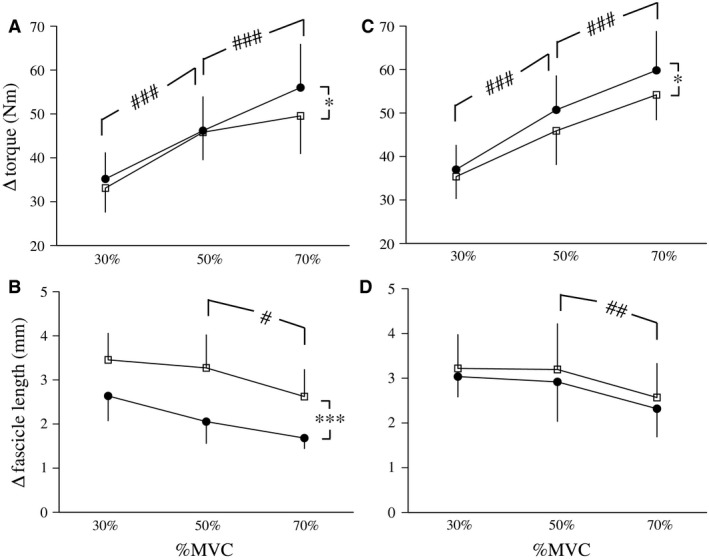
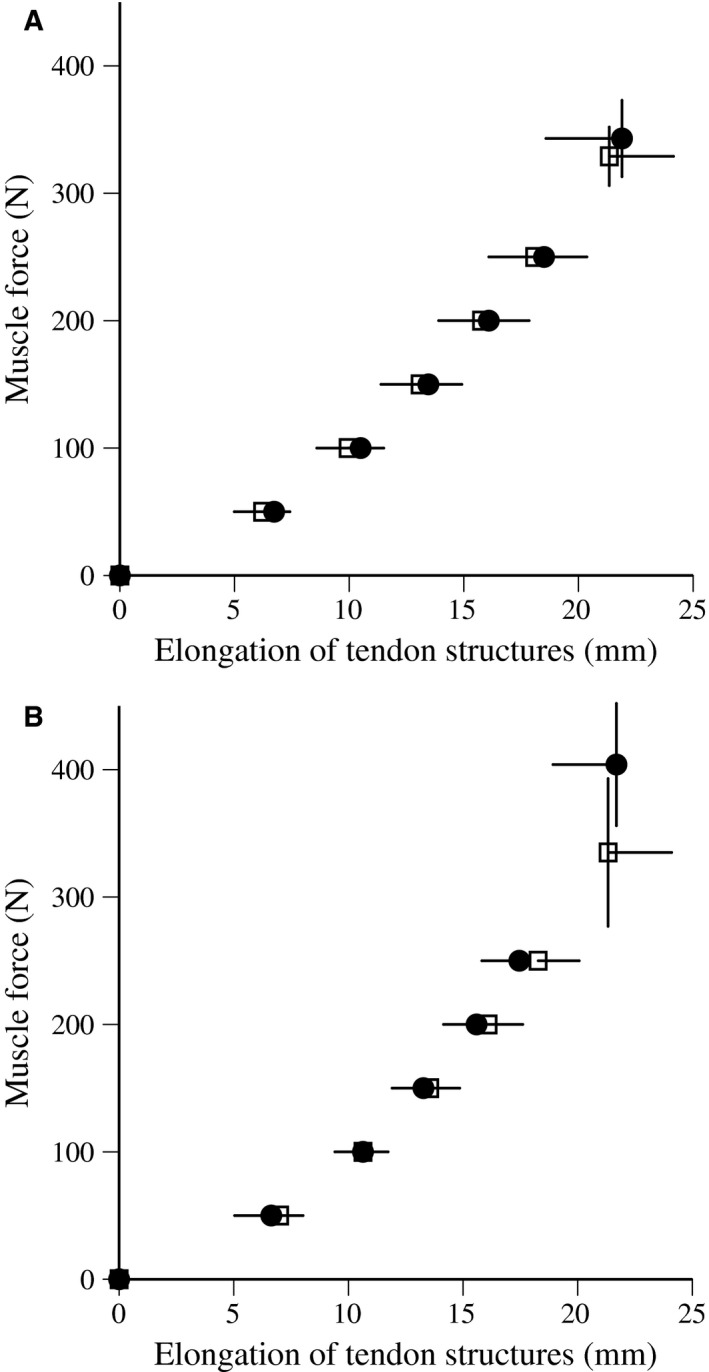
The purpose of this study was to compare the effects of plyometric and isometric training on tendon properties during ramp and ballistic contractions and muscle stiffness under passive and active conditions. Eleven subjects completed 12 weeks (3 days/week) of a unilateral training program for the plantar flexors. They performed plyometric training on one side (PLY) and isometric training on the other side (ISO). Active muscle stiffness in the medial gastrocnemius muscle was calculated according to changes in estimated muscle force and fascicle length during fast stretching after submaximal isometric contractions. Passive muscle stiffness was also calculated from estimated passive muscle force and fascicle length during slow passive stretching. Stiffness and hysteresis of tendon structures were measured using ultrasonography during ramp and ballistic contractions. Passive muscle stiffness and tendon hysteresis did not change for PLY or ISO Active muscle stiffness significantly increased for PLY, but not for ISO Tendon stiffness during ramp and ballistic contractions increased significantly for ISO, but not for PLY In addition, tendon elongation values at force production levels beyond 100 N during ballistic contractions increased for PLY These results suggest that plyometric training (but not isometric training) enhances the extensibility of tendon structures during ballistic contractions and active muscle stiffness during fast stretching, and these changes may be related to improved performances during stretch-shortening cycle exercises.
本研究的目的是比较增强式训练和等长训练对斜坡和弹道式收缩过程中肌腱特性以及被动和主动条件下肌肉刚度的影响。11名受试者完成了为期12周(每周3天)的单侧跖屈肌训练计划。他们在一侧进行增强式训练(PLY),在另一侧进行等长训练(ISO)。根据次最大等长收缩后快速拉伸过程中估计的肌肉力量和肌束长度变化,计算腓肠肌内侧的主动肌肉刚度。被动肌肉刚度也根据缓慢被动拉伸过程中估计的被动肌肉力量和肌束长度来计算。在斜坡和弹道式收缩过程中,使用超声测量肌腱结构的刚度和滞后现象。PLY组或ISO组的被动肌肉刚度和肌腱滞后现象没有变化;PLY组的主动肌肉刚度显著增加,而ISO组没有;ISO组在斜坡和弹道式收缩过程中的肌腱刚度显著增加,而PLY组没有。此外,PLY组在弹道式收缩过程中力产生水平超过100 N时的肌腱伸长值增加。这些结果表明,增强式训练(而非等长训练)可增强弹道式收缩过程中肌腱结构的伸展性以及快速拉伸过程中的主动肌肉刚度,并且这些变化可能与拉长-缩短周期运动中表现的改善有关。