Departments of Medicine, Pharmacology, Molecular Physiology & Biological Physics, Robert M. Berne Cardiovascular Research Center, University of Virginia School of Medicine, Charlottesville, VA, United States.
Department of Health & Human Physiology, Obesity Research and Educational Initiative, Fraternal Order of Eagles Diabetes Research Center, University of Iowa, Iowa City, IA, United States.
Sci Rep. 2017 Aug 11;7(1):7894. doi: 10.1038/s41598-017-08480-2.
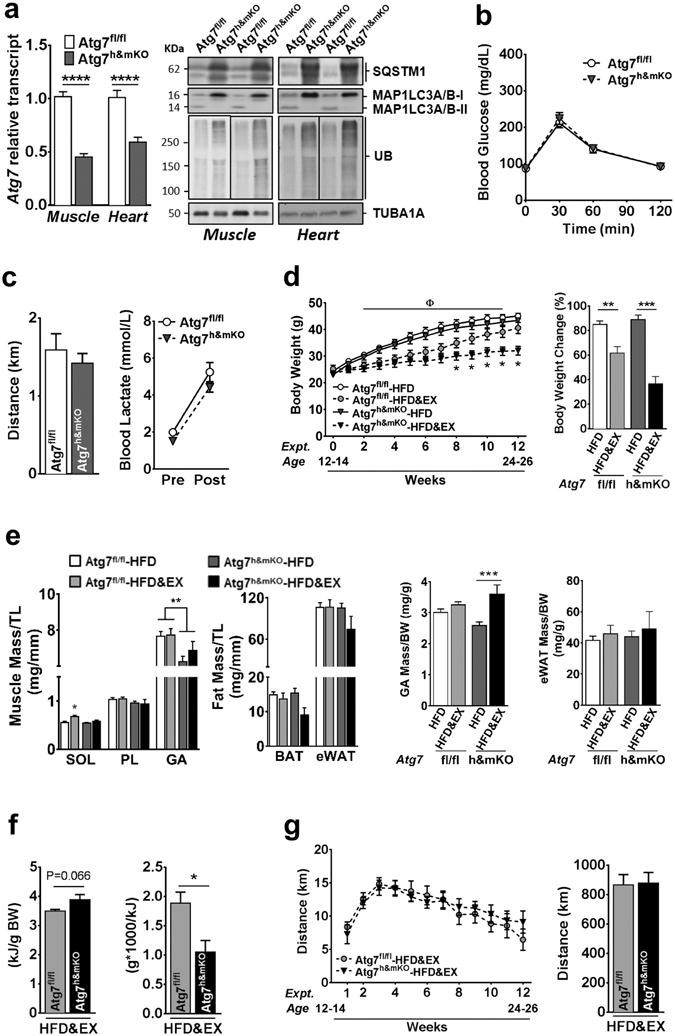
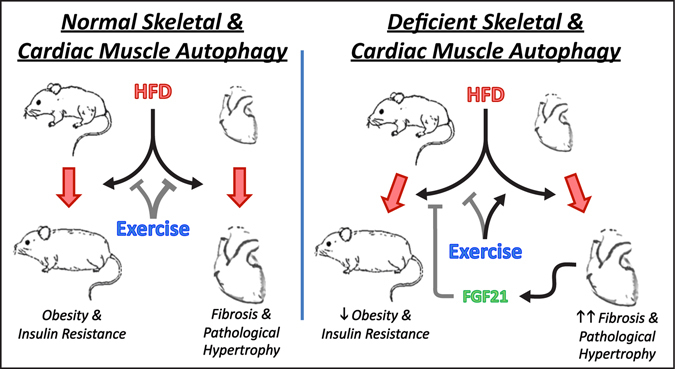
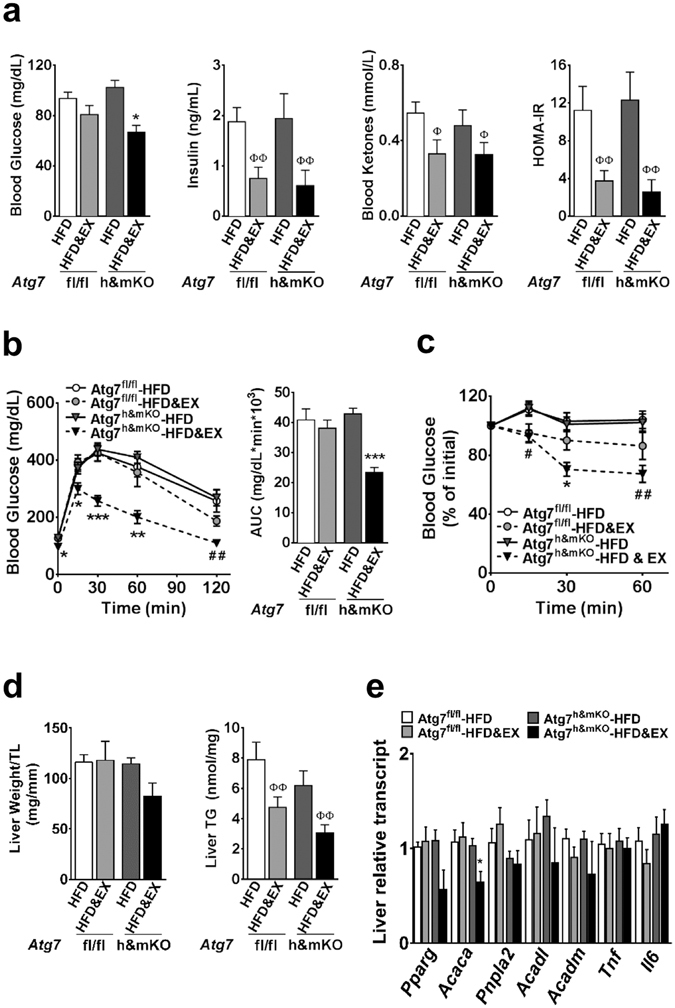
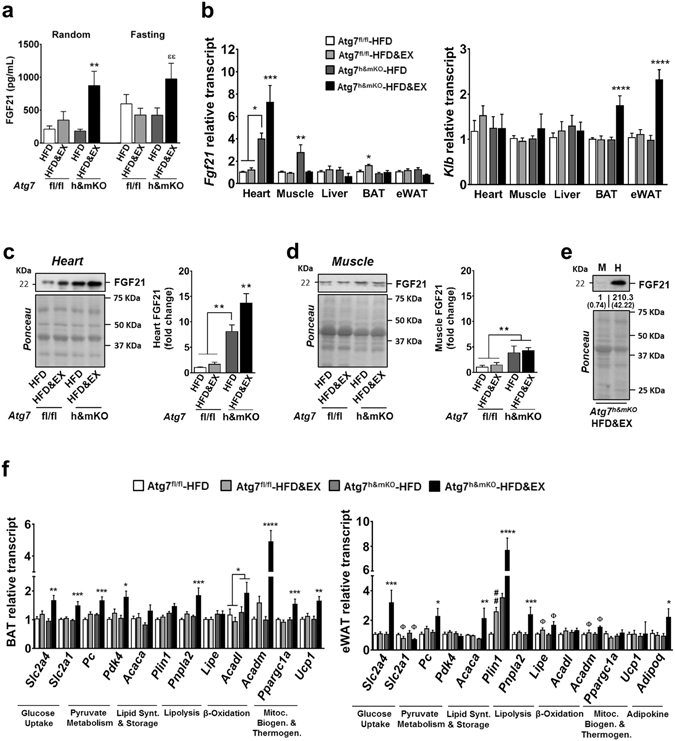
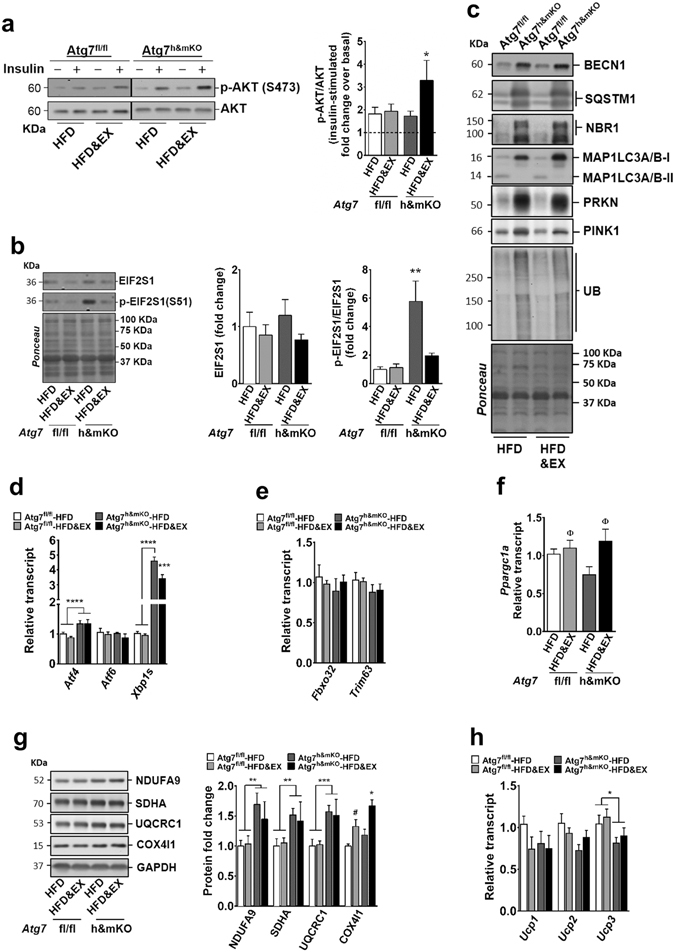
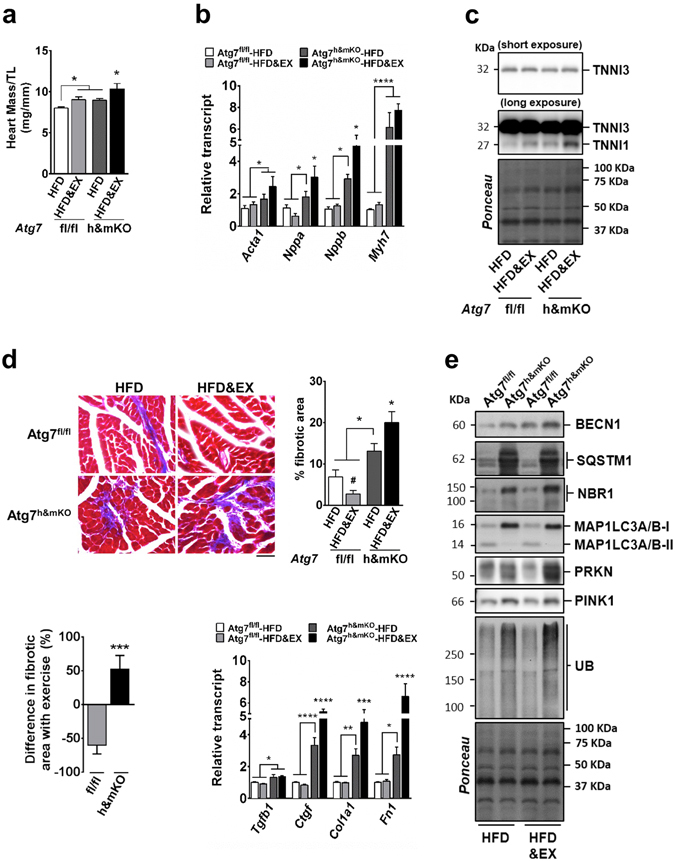
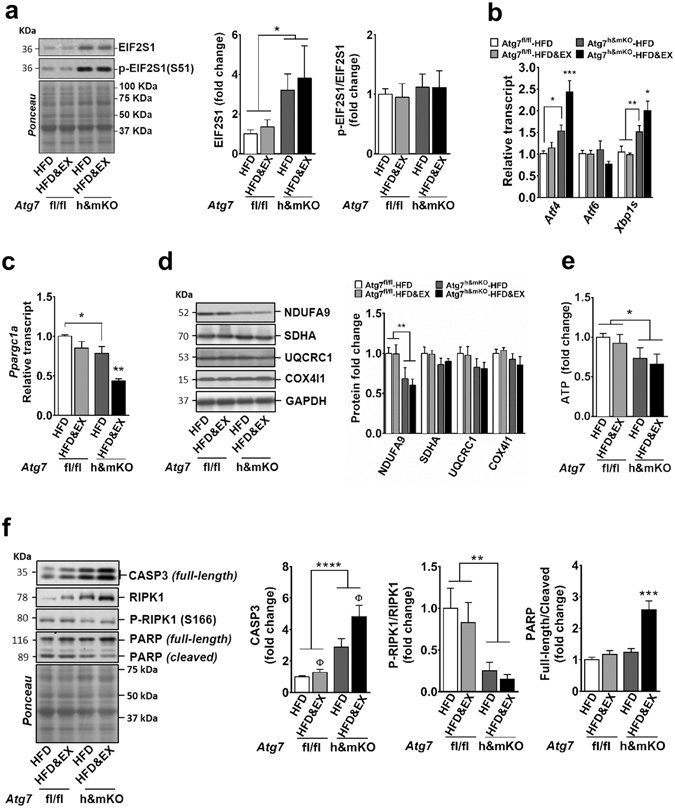
Autophagy is stimulated by exercise in several tissues; yet the role of skeletal and cardiac muscle-specific autophagy on the benefits of exercise training remains incompletely understood. Here, we determined the metabolic impact of exercise training in obese mice with cardiac and skeletal muscle disruption of the Autophagy related 7 gene (Atg7). Muscle autophagy deficiency did not affect glucose clearance and exercise capacity in lean adult mice. High-fat diet in sedentary mice led to endoplasmic reticulum stress and aberrant mitochondrial protein expression in autophagy-deficient skeletal and cardiac muscles. Endurance exercise training partially reversed these abnormalities in skeletal muscle, but aggravated those in the heart also causing cardiac fibrosis, foetal gene reprogramming, and impaired mitochondrial biogenesis. Interestingly, exercise-trained Atg7 mice were better protected against obesity and insulin resistance with increased circulating fibroblast growth factor 21 (FGF21), elevated Fgf21 mRNA and protein solely in the heart, and upregulation of FGF21-target genes involved in thermogenesis and fatty acid oxidation in brown fat. These results indicate that autophagy is essential for the protective effects of exercise in the heart. However, the atypical remodelling elicited by exercise in the autophagy deficient cardiac muscle enhances whole-body metabolism, at least partially, via a heart-brown fat cross-talk involving FGF21.
自噬在几种组织中受到运动的刺激;然而,骨骼肌和心肌特异性自噬对运动训练益处的作用仍不完全清楚。在这里,我们确定了肥胖小鼠中 Autophagy related 7 基因(Atg7)的骨骼肌和心肌破坏对代谢的影响。肌肉自噬缺陷不会影响瘦成年小鼠的葡萄糖清除率和运动能力。在久坐的高脂肪饮食小鼠中,内质网应激和自噬缺陷的骨骼肌和心肌中线粒体蛋白表达异常。耐力运动训练部分逆转了骨骼肌中的这些异常,但也加剧了心脏中的异常,导致心脏纤维化、胎儿基因重编程和线粒体生物发生受损。有趣的是,经过训练的 Atg7 小鼠对肥胖和胰岛素抵抗的保护作用更好,这与循环成纤维细胞生长因子 21(FGF21)增加、心脏中 Fgf21 mRNA 和蛋白水平升高以及棕色脂肪中涉及产热和脂肪酸氧化的 FGF21 靶基因上调有关。这些结果表明,自噬对于运动对心脏的保护作用至关重要。然而,自噬缺陷的心肌中运动引起的非典型重塑通过涉及 FGF21 的心脏-棕色脂肪交叉对话,至少部分地增强了全身代谢。