Pizzi Michael A, Kamireddi Prasuna, Tatum William O, Shih Jerry J, Jackson Daniel A, Freeman William D
Department of Neurology, Mayo Clinic, 4500 San Pablo Road, Jacksonville, FL 32224 USA.
Present Address: Department of Neurology, University of California, San Diego, CA USA.
J Intensive Care. 2017 Aug 8;5:54. doi: 10.1186/s40560-017-0248-6. eCollection 2017.
Nonconvulsive status epilepticus (NCSE) is a diagnosis that is often challenging and one that may progress to refractory NCSE. Ketamine is a noncompetitive -methyl-d-aspartate antagonist that increasingly has been used to treat refractory status epilepticus. Current Neurocritical Care Society guidelines recommend intravenous (IV) ketamine infusion as an alternative treatment for refractory status epilepticus in adults. On the other hand, enteral ketamine use in NCSE has been reported in only 6 cases (1 adult and 5 pediatric) in the literature to date.
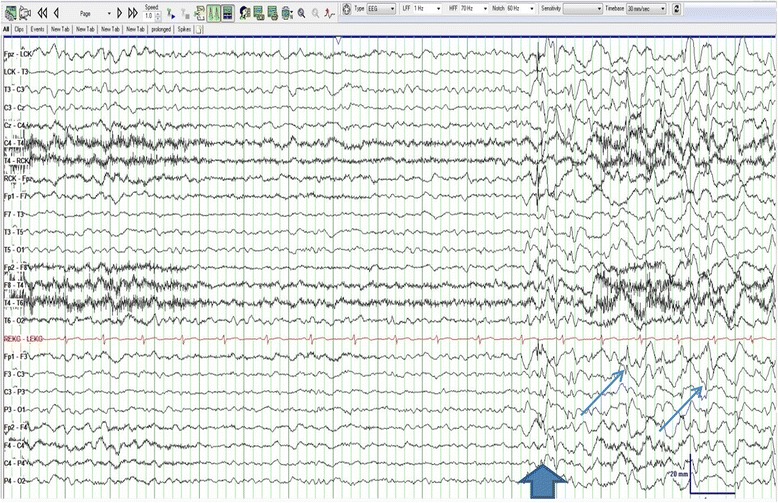
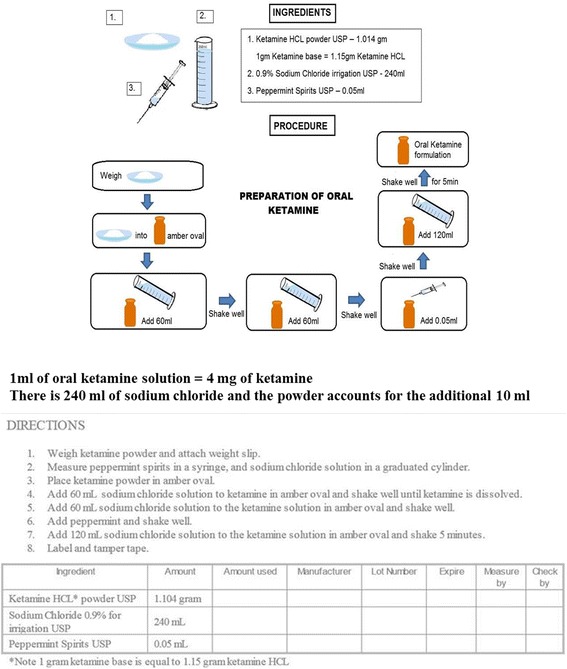
A 33-year-old woman with a history of poorly controlled epilepsy presented with generalized tonic-clonic seizures, followed by recurrent focal seizures that evolved into NCSE. This immediately recurred within 24 h of a prior episode of NCSE that was treated with IV ketamine. Considering her previous response, she was started again on an IV ketamine infusion, which successfully terminated NCSE. This time, enteral ketamine was gradually introduced while weaning off the IV formulation. Treatment with enteral ketamine was continued for 6 months and then tapered off. There was no recurrence of NCSE or seizures and no adverse events noted during the course of treatment.
This case supports the use of enteral ketamine as a potential adjunct to IV ketamine in the treatment of NCSE, especially in cases without coma. Introduction of enteral ketamine may reduce seizure recurrence, duration of stay in ICU, and morbidity associated with intubation.
非惊厥性癫痫持续状态(NCSE)的诊断往往具有挑战性,且可能进展为难治性NCSE。氯胺酮是一种非竞争性N-甲基-D-天冬氨酸拮抗剂,越来越多地被用于治疗难治性癫痫持续状态。目前神经重症监护学会指南推荐静脉注射氯胺酮作为成人难治性癫痫持续状态的替代治疗方法。另一方面,迄今为止,文献中仅报道了6例(1例成人和5例儿童)在NCSE中使用肠内氯胺酮的病例。
一名有癫痫控制不佳病史的33岁女性出现全身强直阵挛性发作,随后反复出现局灶性发作并演变为NCSE。在先前一次用静脉注射氯胺酮治疗的NCSE发作后24小时内,这种情况立即再次出现。考虑到她之前的反应,再次开始静脉注射氯胺酮,成功终止了NCSE。这次,在停用静脉制剂的同时逐渐引入肠内氯胺酮。肠内氯胺酮治疗持续6个月,然后逐渐减量。在治疗过程中未出现NCSE或癫痫复发,也未观察到不良事件。
本病例支持在治疗NCSE时使用肠内氯胺酮作为静脉注射氯胺酮的潜在辅助药物,尤其是在无昏迷的病例中。引入肠内氯胺酮可能会减少癫痫复发、重症监护病房住院时间以及与插管相关的发病率。