Xiang Jing
Criminal Investigation College, Southwest University of Political Science and Law, Chongqing 401120, P.R. China.
Chongqing Institutes of Higher Education Key Forensic Science Laboratory, Chongqing Institutes of Higher Education Center of Forensic Science Engineering and Research, Chongqing 401120, P.R. China.
Exp Ther Med. 2017 Aug;14(2):1321-1326. doi: 10.3892/etm.2017.4661. Epub 2017 Jun 23.
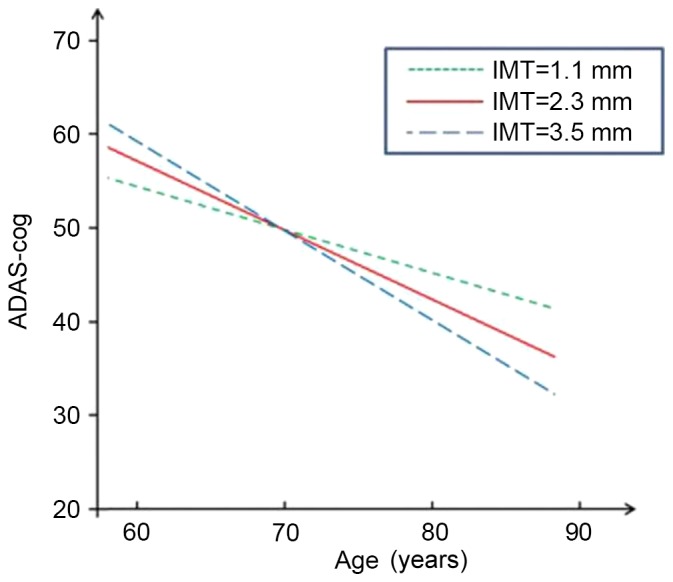
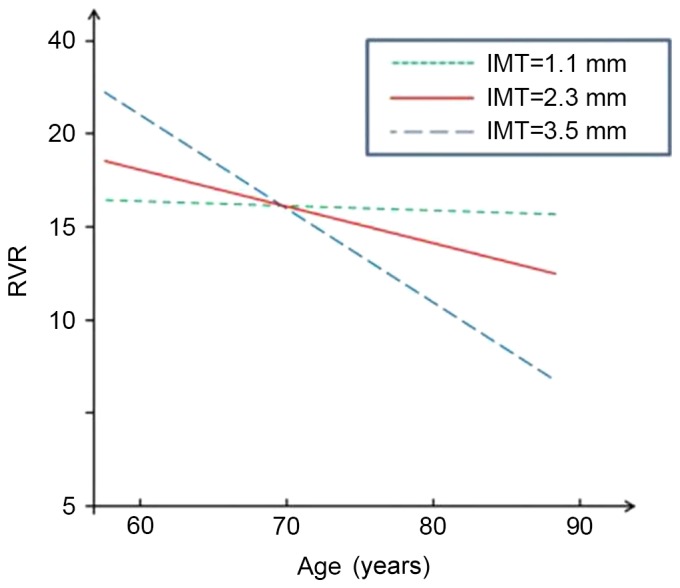
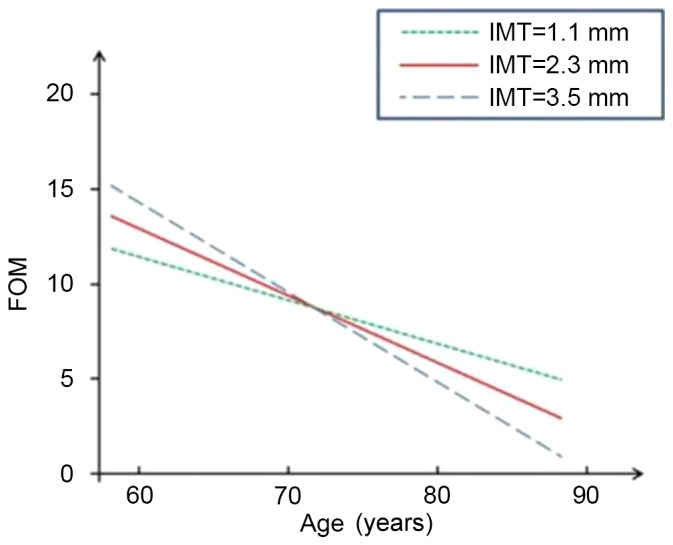
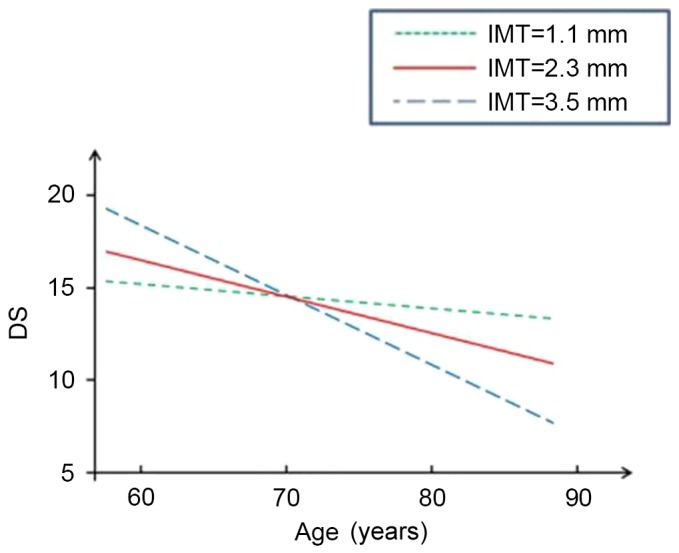
Although cerebrovascular diseases have been considered as risk factors for cognitive decline and dementia, the associations between atherosclerosis and Alzheimer's disease (AD) have not been fully examined and remain controversial. The aim of this three-year prospective study was to investigate whether arotid artery atherosclerosis accelerates cognitive impairment in AD patients. The association of carotid intimal medial thickness (IMT) with prospective trajectories of cognitive function was assessed among 521 patients with light to moderate AD, and 437 AD patients were followed up annually for 3 years. Participants underwent initial carotid ultrasonography and repeated neuropsychological testing every year. Mixed-effects regression analyses were adjusted to estimate the effect of carotid IMT and other adjusting variables. The results of the present study indicated that carotid IMT was significantly associated with various measures of cognitive function. Furthermore, AD patients with higher carotid IMT values had a faster decline in cognitive scores in a variety of neuropsychological tests, particularly in verbal and non-verbal memory, semantic fluency and executive function. The present prospective study showed that carotid atherosclerosis is a predictive factor regarding the progression of cognitive impairment in AD patients, suggesting that early detection and treatment of vascular risk factors may prevent or at least postpone the evolution of the disease.
尽管脑血管疾病一直被视为认知衰退和痴呆的风险因素,但动脉粥样硬化与阿尔茨海默病(AD)之间的关联尚未得到充分研究,仍存在争议。这项为期三年的前瞻性研究旨在调查颈动脉粥样硬化是否会加速AD患者的认知障碍。在521例轻度至中度AD患者中评估了颈动脉内膜中层厚度(IMT)与认知功能前瞻性轨迹的关联,并对437例AD患者进行了为期3年的年度随访。参与者每年接受一次初始颈动脉超声检查和重复的神经心理学测试。采用混合效应回归分析来估计颈动脉IMT和其他调整变量的影响。本研究结果表明,颈动脉IMT与多种认知功能指标显著相关。此外,颈动脉IMT值较高的AD患者在各种神经心理学测试中的认知得分下降更快,尤其是在言语和非言语记忆、语义流畅性和执行功能方面。本前瞻性研究表明,颈动脉粥样硬化是AD患者认知障碍进展的一个预测因素,这表明早期发现和治疗血管危险因素可能预防或至少推迟疾病的进展。