Cheng Nianliang, Zhang Dawei, Li Yunting, Xie Xiaoming, Chen Ziyue, Meng Fan, Gao Bingbo, He Bin
College of Water Sciences, Beijing Normal University, Beijing, 100875, China.
Beijing Municipal Environmental Monitoring Center, Beijing, 100048, China.
Sci Rep. 2017 Aug 15;7(1):8220. doi: 10.1038/s41598-017-08895-x.
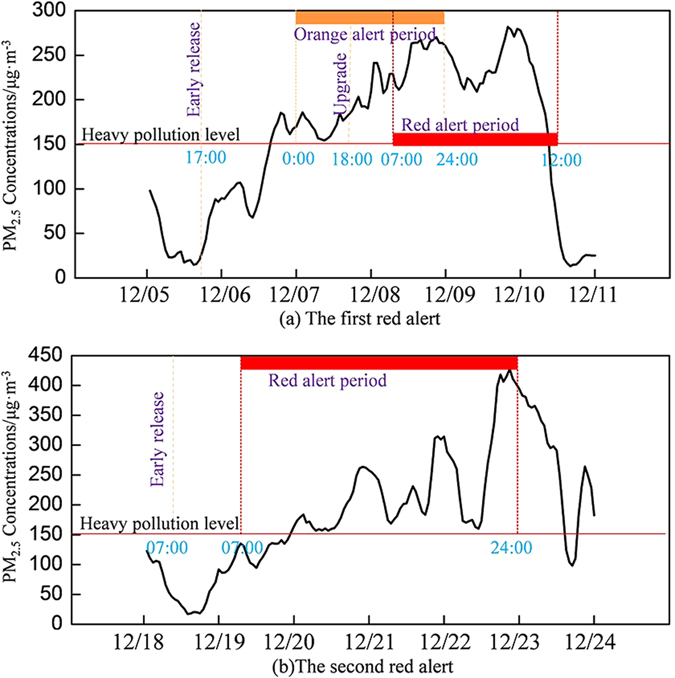
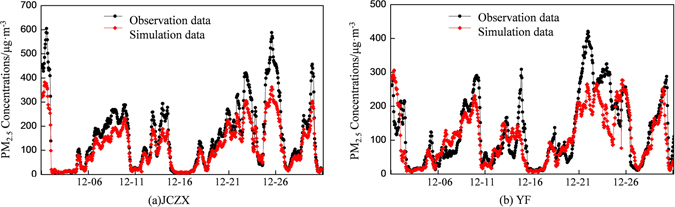
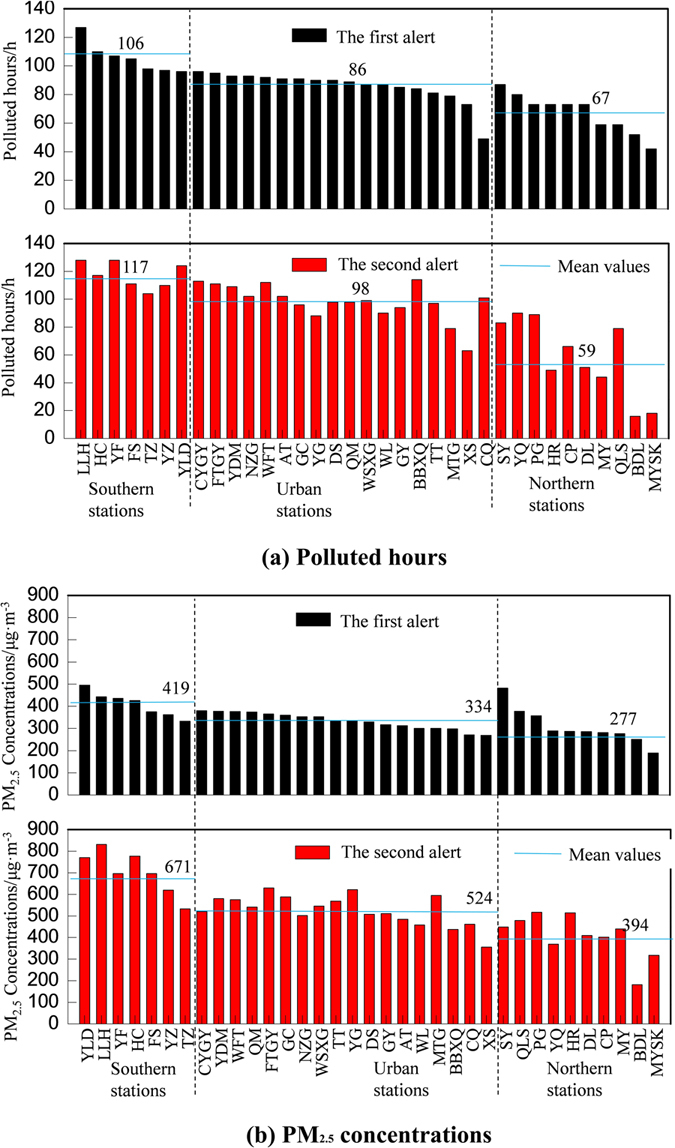
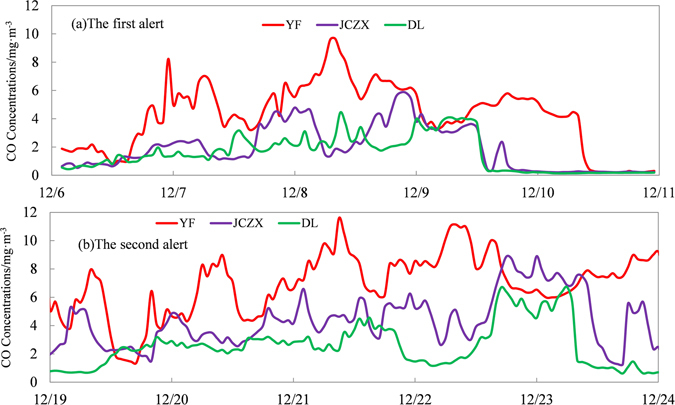
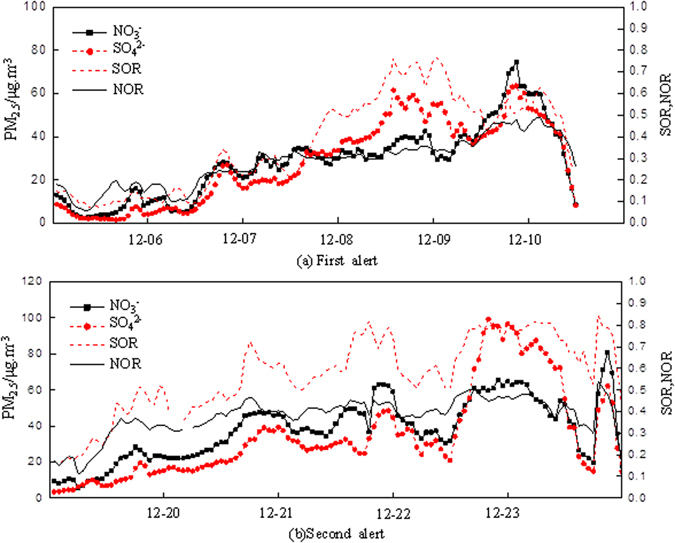
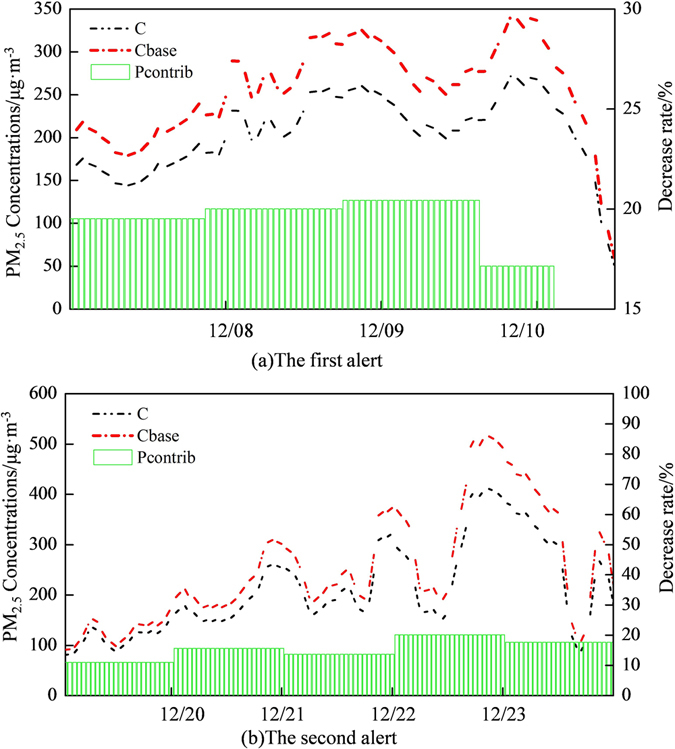
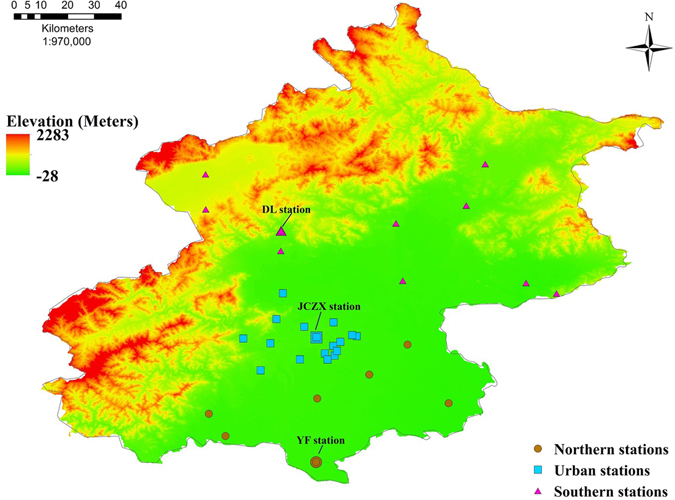
To effectively improve air quality during pollution episodes, Beijing released two red alerts in 2015. Here we examined spatio-temporal variations of PM concentrations during two alerts based on multiple data sources. Results suggested that PM concentrations varied significantly across Beijing. PM concentrations in southern parts of Beijing were higher than those in northern areas during both alerts. In addition to unfavorable meteorological conditions, coal combustion, especially incomplete coal combustion contributed significantly to the high PM concentrations. Through the CAMx model, we evaluated the effects of emission-reduction measures on PM concentrations. Through simulation, emergency measures cut down 10% - 30% of the total emissions and decreased the peaks of PM concentrations by about 10-20% during two alerts. We further examined the scenario if emergency measures were implemented several days earlier than the start of red alerts. The results proved that the implementation of emission reduction measures 1-2 days before red alerts could lower the peak of PM concentrations significantly. Given the difficulty of precisely predicting the duration of heavy pollution episodes and the fact that successive heavy pollution episodes may return after red alerts, emergency measures should also be implemented one or two days after the red alerts.
为有效改善污染期间的空气质量,北京在2015年发布了两次红色预警。在此,我们基于多源数据研究了两次预警期间细颗粒物(PM)浓度的时空变化。结果表明,北京全市的PM浓度差异显著。两次预警期间,北京南部的PM浓度均高于北部地区。除不利的气象条件外,煤炭燃烧,尤其是煤炭不完全燃烧,是导致PM浓度居高不下的重要原因。通过CAMx模型,我们评估了减排措施对PM浓度的影响。通过模拟发现,应急措施使两次预警期间的总排放量减少了10% - 30%,PM浓度峰值降低了约10% - 20%。我们进一步研究了应急措施比红色预警提前几天实施的情况。结果表明,在红色预警前1 - 2天实施减排措施可显著降低PM浓度峰值。鉴于精确预测重污染过程持续时间存在困难,且红色预警后可能会再次出现连续重污染过程,因此在红色预警结束后1 - 2天也应实施应急措施。