Eksmond Urszula, Jenkins Bryony, Merkenschlager Julia, Mothes Walther, Stoye Jonathan P, Kassiotis George
Retroviral Immunology, The Francis Crick Institute, London, United Kingdom.
Department of Microbial Pathogenesis, Yale University School of Medicine, New Haven, Connecticut, USA.
J Virol. 2017 Oct 13;91(21). doi: 10.1128/JVI.01152-17. Print 2017 Nov 1.
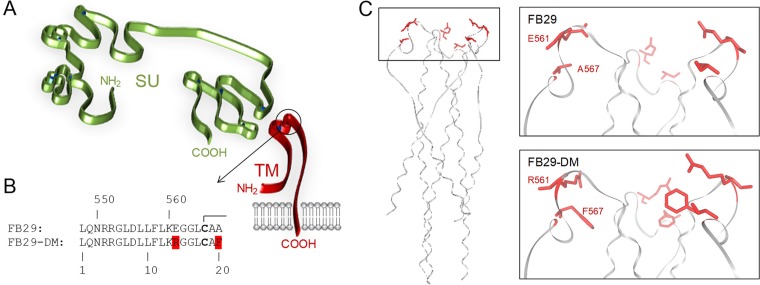
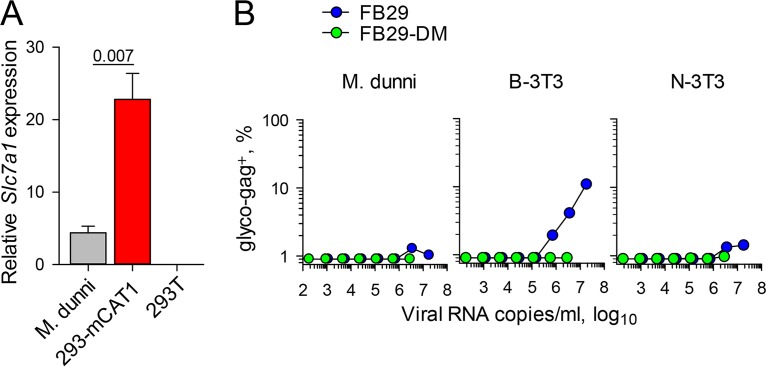
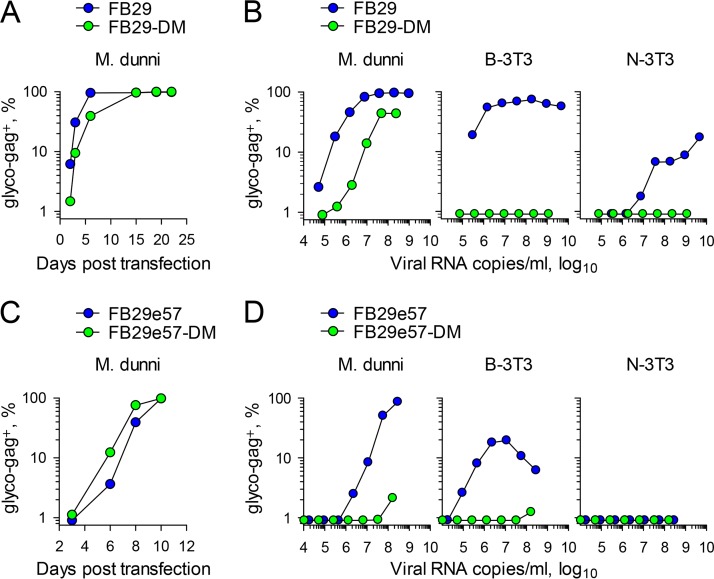
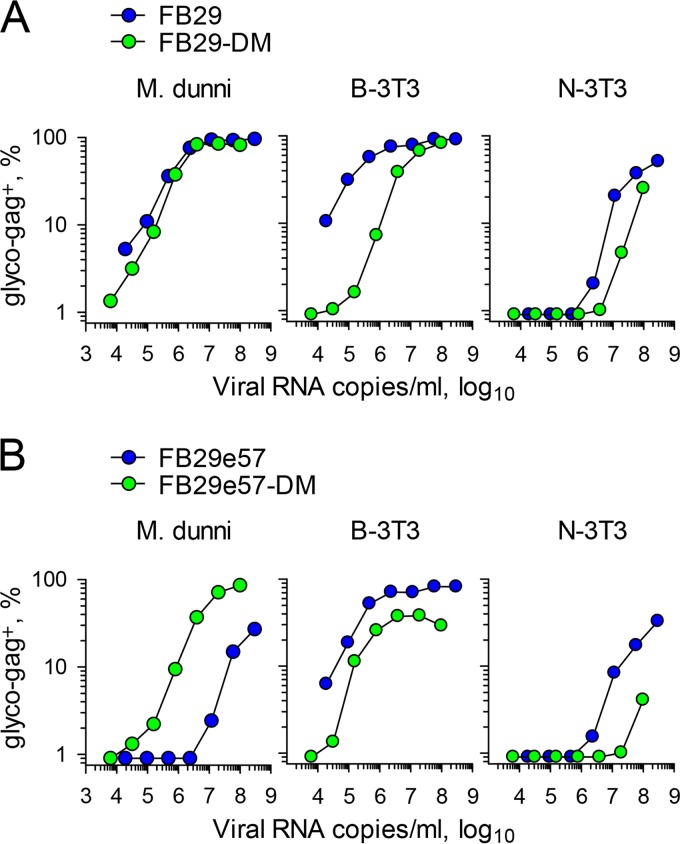
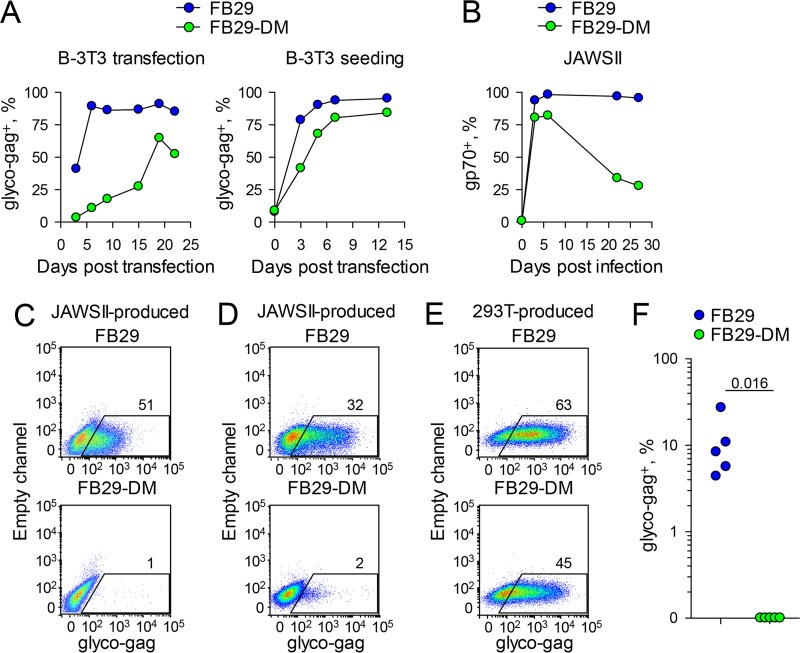
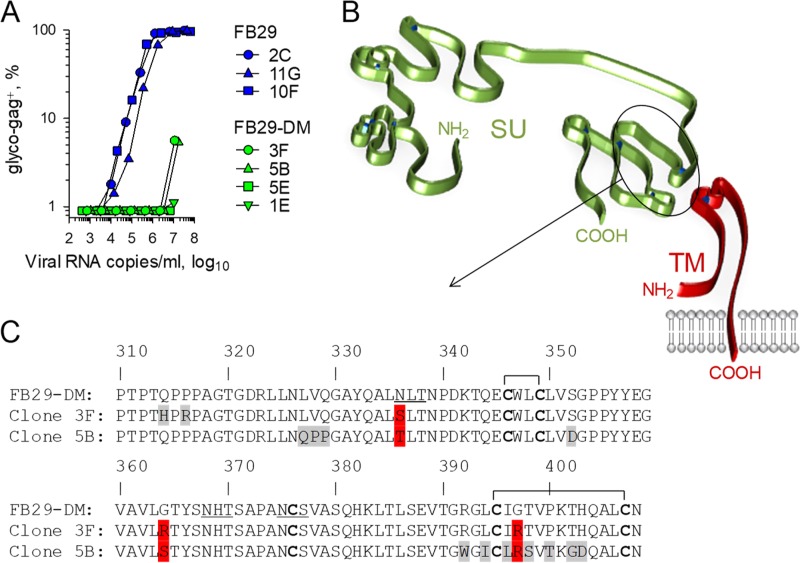
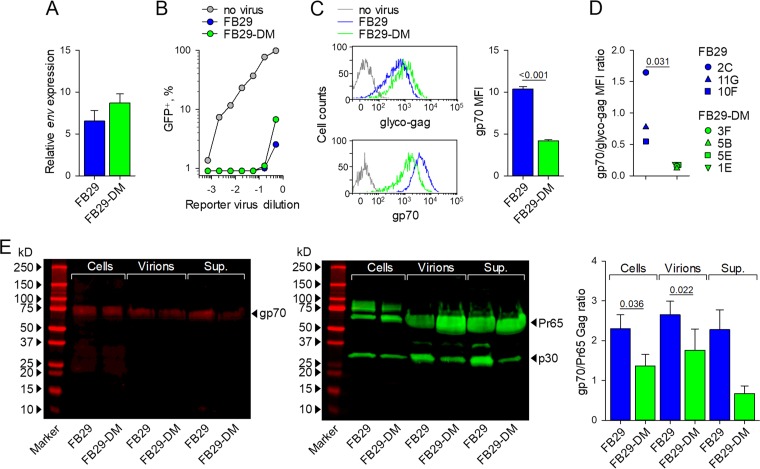
The envelope glycoprotein of diverse endogenous and exogenous retroviruses is considered inherently immunosuppressive. Extensive work mapped the immunosuppressive activity to a highly conserved domain, termed the immunosuppressive domain (ISD), in the transmembrane (TM) subunit of the envelope glycoprotein and identified two naturally polymorphic key residues that afford immunosuppressive activity to distinct envelope glycoproteins. Concurrent mutation of these two key residues (E14R and A20F) in the envelope glycoprotein of the Friend murine leukemia virus (F-MLV) ISD has been reported to abolish its immunosuppressive activity, without affecting its fusogenicity, and to weaken the ability of the virus to replicate specifically in immunocompetent hosts. Here, we show that mutation of these key residues did, in fact, result in a substantial loss of F-MLV infectivity, independently of host immunity, challenging whether associations exist between the two. Notably, a loss of infectivity incurred by the F-MLV mutant with the E14R and A20F double ISD mutation was conditional on expression of the ecotropic envelope receptor murine cationic amino acid transporter-1 (mCAT1) in the virus-producing cell. Indeed, the F-MLV mutant retained infectivity when it was produced by human cells, which naturally lack mCAT1 expression, but not by murine cells. Furthermore, mCAT1 overexpression in human cells impaired the infectivity of both the F-MLV double mutant and the wild-type F-MLV strain, suggesting a finely tuned relationship between the levels of mCAT1 in the producer cell and the infectivity of the virions produced. An adverse effect on this relationship, rather than disruption of the putative ISD, is therefore more likely to explain the loss of F-MLV infectivity incurred by mutations in key ISD residues E14 and A20. Retroviruses can interact with their hosts in ways that, although not entirely understood, can greatly influence their pathogenic potential. One such example is a putative immunosuppressive activity, which has been mapped to a conserved domain of the retroviral envelope glycoprotein of several exogenous as well as endogenous retroviruses. In this study, mutations naturally found in some envelope glycoproteins lacking immunosuppressive activity were shown to affect retrovirus infectivity only if the host cell that produced the retrovirus also expressed the cellular entry receptor. These findings shed light on a novel role for this conserved domain in providing the necessary stability to the envelope glycoprotein in order to withstand the interaction with the cellular receptor during virus formation. This function of the domain is critical for further elucidation of the mechanism of immunosuppression mediated by the retroviral envelope glycoprotein.
多种内源性和外源性逆转录病毒的包膜糖蛋白被认为具有内在的免疫抑制作用。大量研究将免疫抑制活性定位到包膜糖蛋白跨膜(TM)亚基中一个高度保守的结构域,称为免疫抑制结构域(ISD),并确定了两个天然多态性的关键残基,它们赋予不同的包膜糖蛋白免疫抑制活性。据报道,弗氏小鼠白血病病毒(F-MLV)ISD包膜糖蛋白中这两个关键残基(E14R和A20F)的同时突变可消除其免疫抑制活性,而不影响其融合活性,并削弱病毒在免疫活性宿主中特异性复制的能力。在此,我们表明,这些关键残基的突变实际上导致F-MLV感染力大幅丧失,与宿主免疫无关,这对两者之间是否存在关联提出了质疑。值得注意的是,具有E14R和A20F双ISD突变的F-MLV突变体感染力的丧失取决于病毒产生细胞中嗜亲性包膜受体小鼠阳离子氨基酸转运体-1(mCAT1)的表达。事实上,当F-MLV突变体由天然缺乏mCAT1表达的人类细胞产生时,它保留了感染力,但由小鼠细胞产生时则不然。此外,人类细胞中mCAT1的过表达损害了F-MLV双突变体和野生型F-MLV毒株的感染力,这表明产生细胞中mCAT1的水平与所产生病毒粒子的感染力之间存在精细调节的关系。因此,对这种关系的不利影响,而非假定的ISD的破坏,更有可能解释关键ISD残基E14和A20突变导致的F-MLV感染力丧失。逆转录病毒可以以多种方式与宿主相互作用,尽管尚未完全了解,但这些方式可以极大地影响它们的致病潜力。一个这样的例子是假定的免疫抑制活性,它已被定位到几种外源性以及内源性逆转录病毒的逆转录病毒包膜糖蛋白的一个保守结构域上。在这项研究中,发现一些缺乏免疫抑制活性的包膜糖蛋白中天然存在的突变仅在产生逆转录病毒的宿主细胞也表达细胞进入受体时才会影响逆转录病毒的感染力。这些发现揭示了这个保守结构域的一个新作用,即赋予包膜糖蛋白必要的稳定性,以便在病毒形成过程中承受与细胞受体的相互作用。该结构域的这一功能对于进一步阐明逆转录病毒包膜糖蛋白介导的免疫抑制机制至关重要。