Université de Neuchâtel, Institut de Biologie, Eco-Ethologie, Rue Emilie-Argand 11, 2000, Neuchâtel, Switzerland.
Université de Neuchâtel, Institut de Chimie, Neuchâtel Platform of Analytical Chemistry, Avenue de Bellevaux 51, 2000, Neuchâtel, Switzerland.
Sci Rep. 2017 Aug 21;7(1):8425. doi: 10.1038/s41598-017-07128-5.
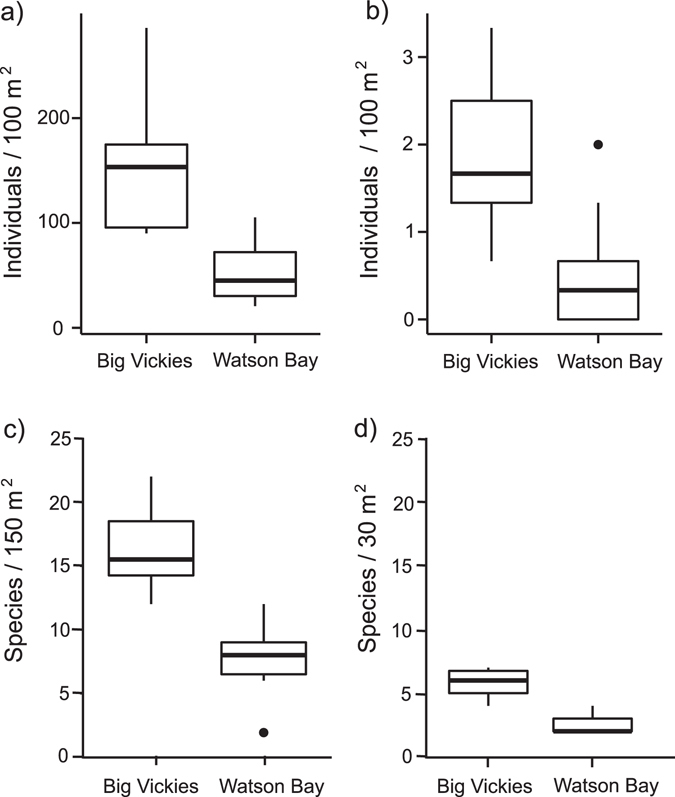
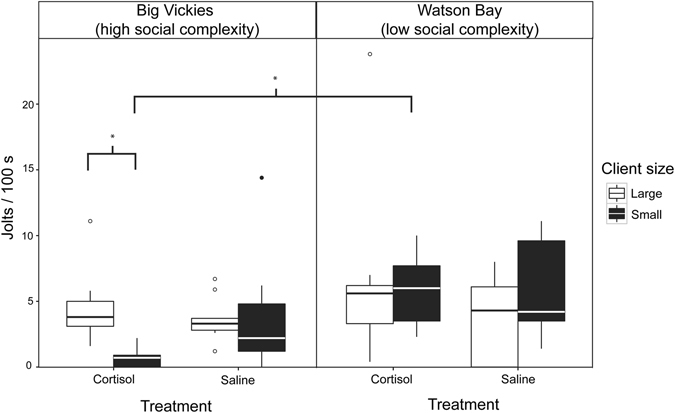
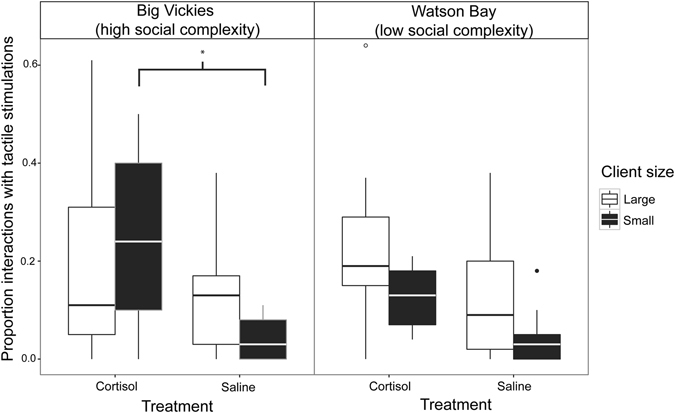
Adjusting one's behaviour in response to eavesdropping bystanders is considered a sophisticated social strategy, yet the underlying mechanisms are not well studied. Cleaner wrasse, Labroides dimidiatus, cooperate by eating ectoparasites off "client" fishes, or cheat (i.e. bite) and eat client mucus. Image scoring by bystander clients generally causes cleaners from socially-complex (i.e. high cleaner and client abundance; high client species richness) habitats to increase levels of cooperation. However, some individuals may periodically provide tactile stimulation to small resident clients, which attract bystanders close that are bitten, a form of tactical deception. Cortisol injection can reproduce this pattern. Here, we tested whether cleaners from socially-complex versus simple habitats respond differently to cortisol injections in terms of their cleaning interactions with clients. We found that only cleaners from the socially-complex habitat respond to cortisol injection with strategies functioning as tactical deception: i.e. increased tactile stimulation to small clients and increased cheating of large clients relative to small ones. At the socially-simple site, where reputation management is less important, cortisol-treated fish increased their overall levels of cheating, especially of small clients. Thus, strategic adjustments to cooperative behaviour and tactical deception are likely context-dependent, forming part of general reputation management abilities in cleaner wrasse.
根据旁观者的偷听行为调整自己的行为被认为是一种复杂的社会策略,但这种策略的潜在机制还没有得到很好的研究。清洁濑鱼通过为“客户”鱼清除外寄生虫或欺骗(即咬伤)和吃掉客户黏液来进行合作。旁观者客户的图像评分通常会导致来自社会复杂(即清洁鱼和客户丰富度高;客户物种丰富度高)栖息地的清洁鱼增加合作水平。然而,一些个体可能会定期为小型常驻客户提供触觉刺激,这会吸引靠近的旁观者被咬伤,这是一种策略性欺骗。皮质醇注射可以复制这种模式。在这里,我们测试了来自社会复杂和简单栖息地的清洁鱼是否会因皮质醇注射而对其与客户的清洁互动产生不同的反应。我们发现,只有来自社会复杂栖息地的清洁鱼会对皮质醇注射做出反应,表现出策略性欺骗:即增加对小型客户的触觉刺激,并增加对大型客户的欺骗,相对于小型客户。在社会简单的栖息地,声誉管理不太重要,皮质醇处理过的鱼会增加其整体的欺骗水平,特别是对小型客户的欺骗。因此,对合作行为和策略性欺骗的策略调整可能是依赖于情境的,这是清洁濑鱼一般声誉管理能力的一部分。