Section of Pediatric Gastroenterology, Hepatology and Nutrition, Digestive Health Institute, Children's Hospital Colorado, Aurora, Colorado, USA.
Gastrointestinal Eosinophilic Diseases Program, Department of Pediatrics, University of Colorado School of Medicine, Aurora, Colorado, USA.
Mucosal Immunol. 2018 Mar;11(2):415-426. doi: 10.1038/mi.2017.72. Epub 2017 Aug 23.
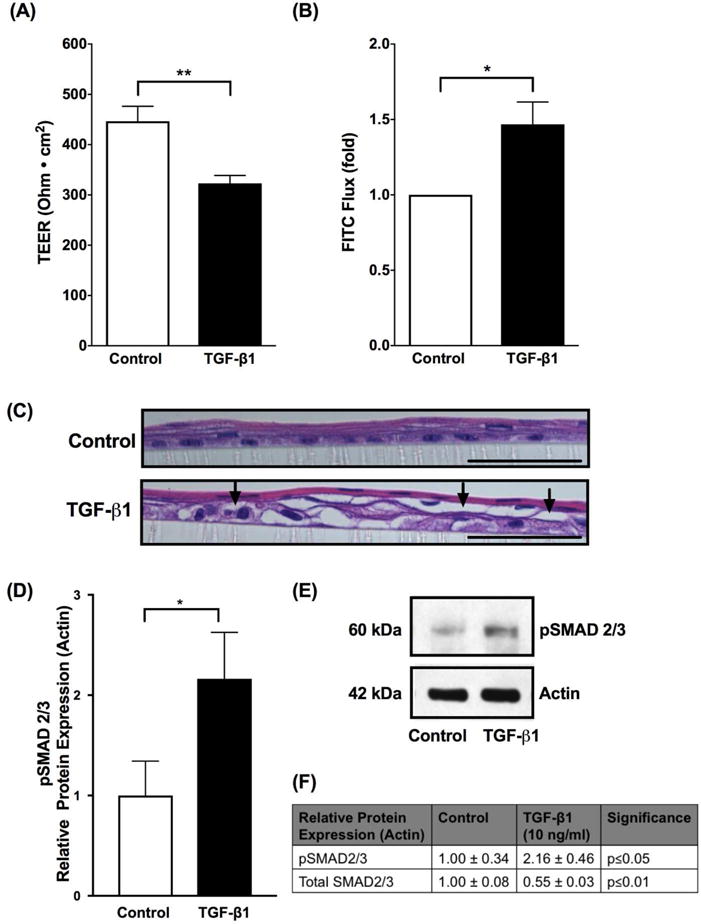
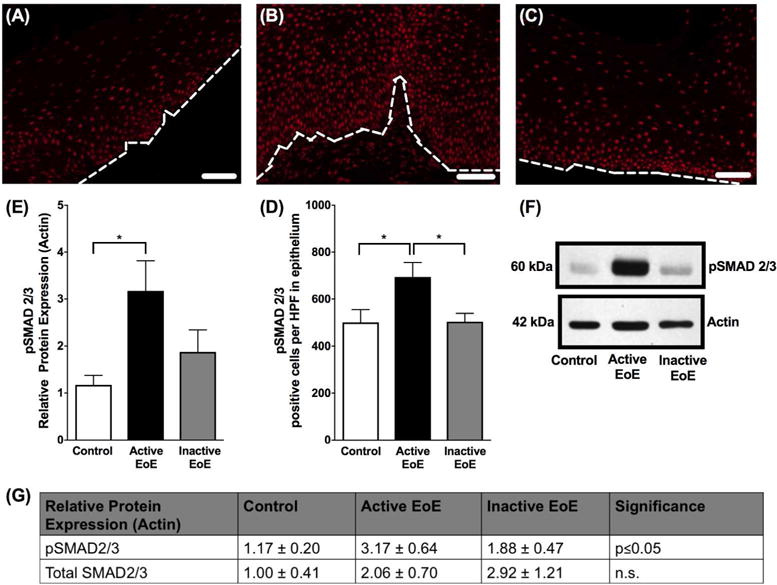
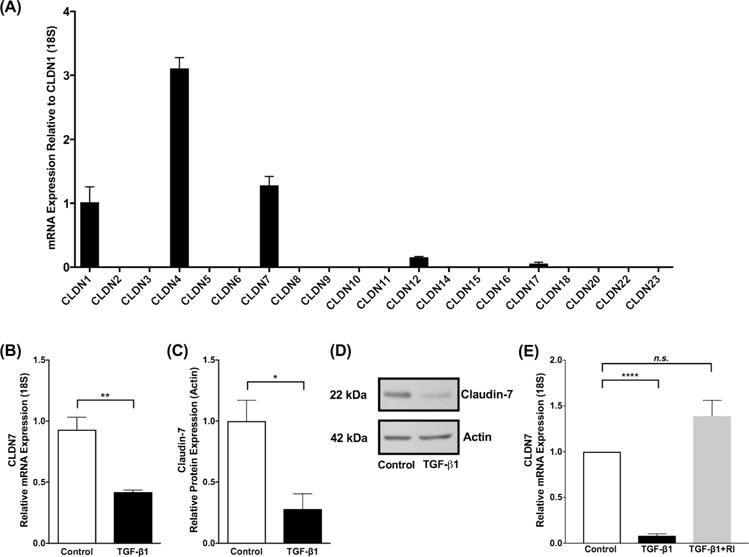
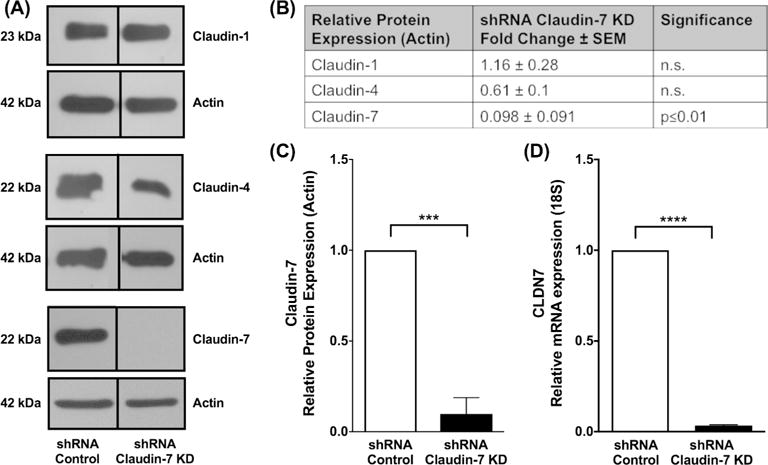
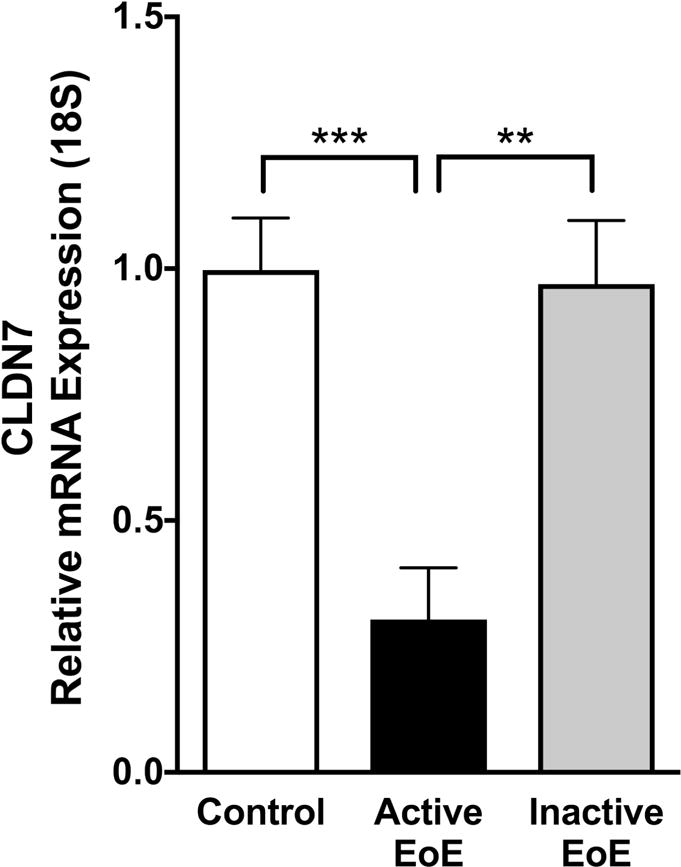
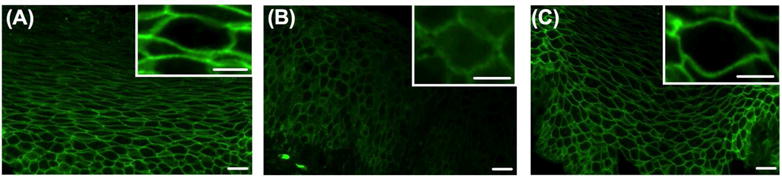
Barrier dysfunction has been implicated in the pathophysiology of eosinophilic esophagitis (EoE). Transforming growth factor-β1 (TGF-β1), a potent pleiotropic molecule, is increased in EoE; however, no study has evaluated its influence on esophageal epithelial barrier. We hypothesized that TGF-β1 regulates barrier dysfunction in EoE. We aimed to determine the role of TGF-β1 in the epithelial barrier in models of EoE. To examine the impact of TGF-β1 on esophageal barrier, immortalized human esophageal epithelial (EPC2-hTERT) cells were exposed to TGF-β1 during the three-dimensional air-liquid interface (3D-ALI) model in vitro. TGF-β1 exposure diminished EPC2-hTERT barrier function as measured by transepithelial electrical resistance (TEER) and 3 kDa Fluorescein isothiocyanate dextran paracellular flux (FITC Flux), and hematoxylin and eosin (H&E) assessment revealed prominent cellular separation. In analysis of epithelial barrier molecules, TGF-β1 led to the specific reduction in expression of the tight-junction molecule, claudin-7 (CLDN7), and this was prevented by TGF-β-receptor I inhibitor. Short hairpin ribonucleic acid (shRNA)-mediated CLDN7 knockdown diminished epithelial barrier function, whereas CLDN7 overexpression resulted in protection from TGF-β1-mediated barrier dysfunction. In pediatric EoE biopsies CLDN7 expression was decreased and altered localization was observed with immunofluorescence analysis, and the TGF-β1 downstream transcription factor, phosphorylated SMAD2/3 (pSMAD2/3), was increased. Our data suggest that TGF-β1 participates in esophageal epithelial barrier dysfunction through CLDN7 dysregulation.
屏障功能障碍与嗜酸性粒细胞性食管炎 (EoE) 的病理生理学有关。转化生长因子-β1 (TGF-β1) 是一种有效的多效分子,在 EoE 中增加;然而,尚无研究评估其对食管上皮屏障的影响。我们假设 TGF-β1 调节 EoE 中的屏障功能障碍。我们旨在确定 TGF-β1 在 EoE 上皮屏障中的作用。为了研究 TGF-β1 对食管屏障的影响,我们在体外三维气液界面 (3D-ALI) 模型中用 TGF-β1 暴露人永生化食管上皮 (EPC2-hTERT) 细胞。TGF-β1 暴露降低了 EPC2-hTERT 屏障功能,如跨上皮电阻 (TEER) 和 3 kDa 荧光素异硫氰酸酯葡聚糖旁流 (FITC 通量) 测量所示,苏木精和伊红 (H&E) 评估显示出明显的细胞分离。在分析上皮屏障分子时,TGF-β1 导致紧密连接分子 Claudin-7 (CLDN7) 的表达特异性降低,而 TGF-β 受体 I 抑制剂可预防这种降低。短发夹核糖核酸 (shRNA) 介导的 CLDN7 敲低降低了上皮屏障功能,而 CLDN7 过表达可防止 TGF-β1 介导的屏障功能障碍。在儿科 EoE 活检中,CLDN7 表达减少,免疫荧光分析观察到其定位改变,TGF-β1 下游转录因子磷酸化 SMAD2/3 (pSMAD2/3) 增加。我们的数据表明,TGF-β1 通过 CLDN7 失调参与食管上皮屏障功能障碍。