Ohkuma Hiroki, Shimamura Norihito, Naraoka Masato, Katagai Takeshi
Department of Neurosurgery, Hirosaki University.
Neurol Med Chir (Tokyo). 2017 Nov 15;57(11):575-583. doi: 10.2176/nmc.ra.2017-0057. Epub 2017 Aug 22.
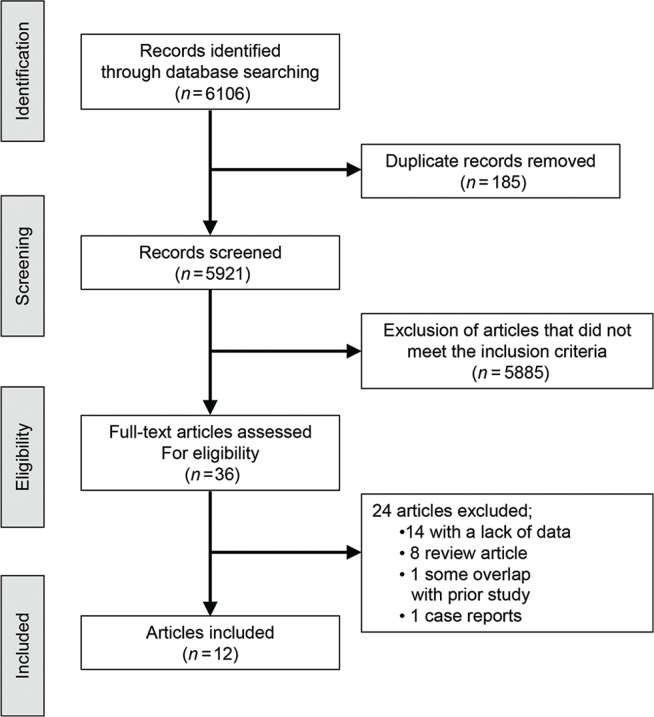
The number of elderly patients with an aneurysmal subarachnoid hemorrhage (aSAH) has been increasing in aging- or aged societies in many countries. A treatment strategy for the elderly with aSAH has not been established, although many studies have been published emphasizing poor outcome for aSAH. The aim of this study was to analyze the factors and treatments affecting outcome in aSAH in the elderly in a systematic review of the literature by investigating patients over age 75. A literature search was done for "elderly aSAH" in PubMed and Embase. Literature with a clear description of treatment measures for aneurysmal occlusion and outcome was selected. Twelve studies, consisted of 816 cases, met the eligibility criteria. Patient characteristics included 83.2% female, 33.8% poor clinical grade on admission, 57.1% Fischer group 3, and 41% internal carotid artery aneurysm. As complications, symptomatic vasospasm was seen in 25.5% of patients, hydrocephalus in 31.1%, and medical complication in 38.4%. Favorable outcome was 35.0% in total, 45.3% for clipping, 36.3% for coiling, and 9.0% for conservative treatment. Several studies by multivariate analysis indicated that poor clinical grade on admission could be a risk factor for neurological outcome and mortality. Advanced age and selection of conservative treatment without aneurysmal occlusion could be a risk factor for mortality. Patients under age 85 with good clinical grade on admission can be candidates for treatment of aneurysm repair. However, treatment for patients over age 85 or with poor clinical grade should be carefully determined.
在许多老龄化或老年化社会中,患有动脉瘤性蛛网膜下腔出血(aSAH)的老年患者数量一直在增加。尽管已经发表了许多强调aSAH预后不良的研究,但针对老年aSAH患者的治疗策略尚未确立。本研究的目的是通过对75岁以上患者进行调查,在系统的文献综述中分析影响老年aSAH患者预后的因素和治疗方法。在PubMed和Embase上对“老年aSAH”进行了文献检索。选择了对动脉瘤闭塞治疗措施和预后有清晰描述的文献。12项研究,共816例患者,符合纳入标准。患者特征包括女性占83.2%,入院时临床分级差的占33.8%,Fischer 3级的占57.1%,颈内动脉瘤的占41%。作为并发症,25.5%的患者出现症状性血管痉挛,31.1%出现脑积水,38.4%出现内科并发症。总体良好预后率为35.0%,夹闭术为45.3%,血管内栓塞术为36.3%,保守治疗为9.0%。多项多因素分析研究表明,入院时临床分级差可能是神经功能预后和死亡率的危险因素。高龄以及选择未进行动脉瘤闭塞的保守治疗可能是死亡率的危险因素。入院时临床分级良好的85岁以下患者可作为动脉瘤修复治疗的候选者。然而,对于85岁以上或临床分级差的患者,治疗应谨慎确定。