Department of Chemical and Biological Engineering, Iowa State University, Ames, IA, 50011, USA.
NSF Engineering Research Center for Biorenewable Chemicals, Ames, IA, 50011, USA.
Nat Commun. 2017 Aug 24;8(1):340. doi: 10.1038/s41467-017-00421-x.
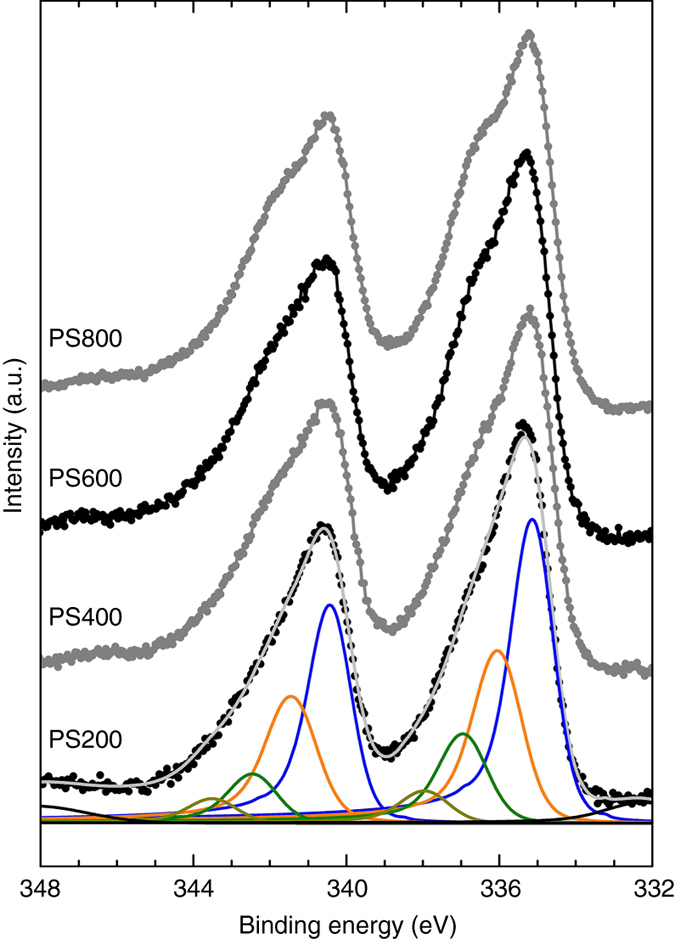
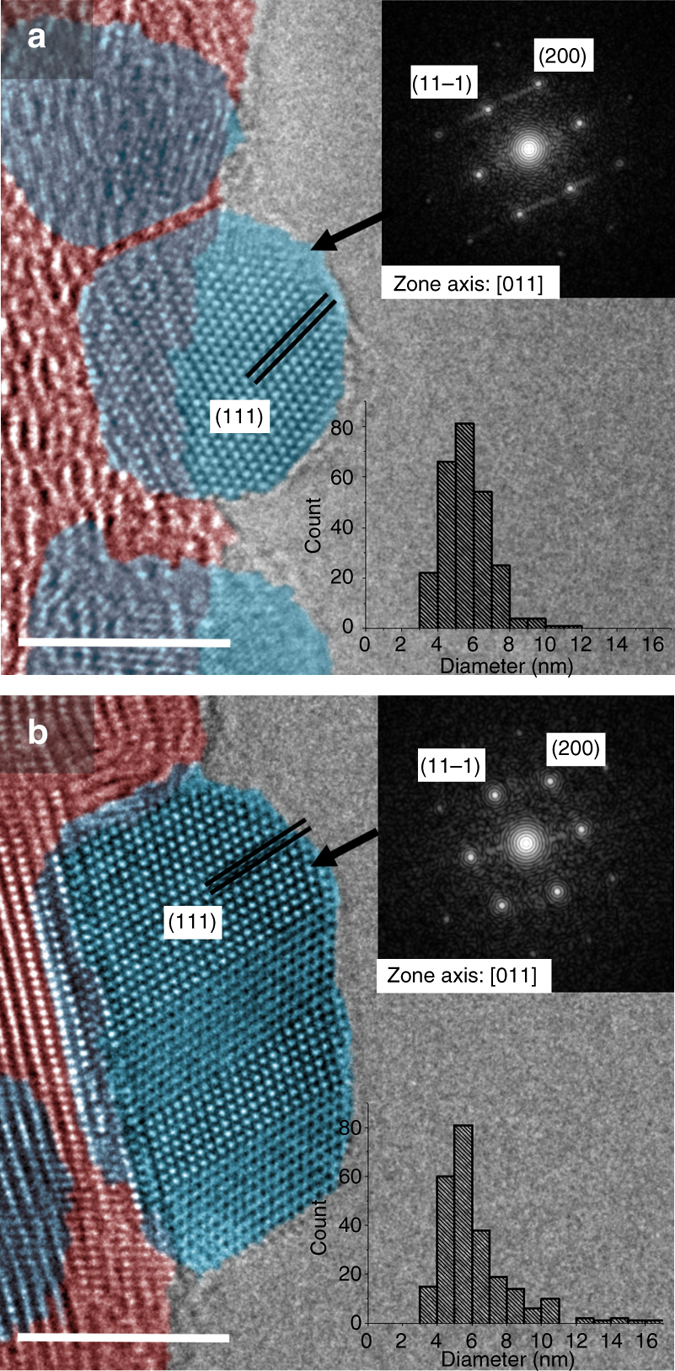
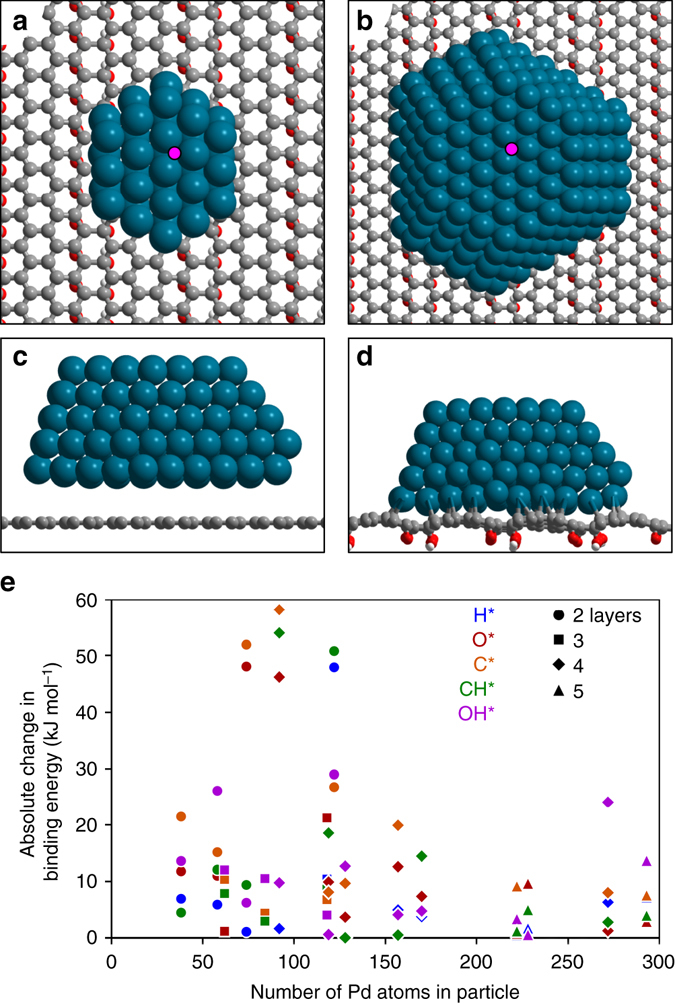
Controlling the charge transfer between a semiconducting catalyst carrier and the supported transition metal active phase represents an elite strategy for fine turning the electronic structure of the catalytic centers, hence their activity and selectivity. These phenomena have been theoretically and experimentally elucidated for oxide supports but remain poorly understood for carbons due to their complex nanoscale structure. Here, we combine advanced spectroscopy and microscopy on model Pd/C samples to decouple the electronic and surface chemistry effects on catalytic performance. Our investigations reveal trends between the charge distribution at the palladium-carbon interface and the metal's selectivity for hydrogenation of multifunctional chemicals. These electronic effects are strong enough to affect the performance of large (~5 nm) Pd particles. Our results also demonstrate how simple thermal treatments can be used to tune the interfacial charge distribution, hereby providing a strategy to rationally design carbon-supported catalysts.Control over charge transfer in carbon-supported metal nanoparticles is essential for designing new catalysts. Here, the authors show that thermal treatments effectively tune the interfacial charge distribution in carbon-supported palladium catalysts with consequential changes in hydrogenation performance.
控制半导体催化剂载体和负载的过渡金属活性相之间的电荷转移是精细调整催化中心电子结构的一种策略,从而影响其活性和选择性。这种现象已经在氧化物载体上进行了理论和实验的阐明,但由于碳的复杂纳米结构,对于碳载体仍然知之甚少。在这里,我们结合先进的光谱和显微镜技术,对模型 Pd/C 样品进行了研究,以解耦电子和表面化学对催化性能的影响。我们的研究揭示了钯-碳界面上电荷分布与金属对多功能化学品加氢选择性之间的趋势。这些电子效应足够强,足以影响~5nm 大的钯颗粒的性能。我们的结果还表明,简单的热处理可以用来调节界面电荷分布,从而提供了一种合理设计碳负载催化剂的策略。控制碳负载金属纳米粒子中的电荷转移对于设计新型催化剂至关重要。在这里,作者表明,热处理可以有效地调节碳负载钯催化剂的界面电荷分布,从而导致加氢性能发生变化。