Strathclyde Institute for Pharmacy and Biomedical Sciences, University of Strathclyde, Glasgow, Scotland G4 0RE, UK.
Cell Death Dis. 2017 Aug 24;8(8):e3014. doi: 10.1038/cddis.2017.416.
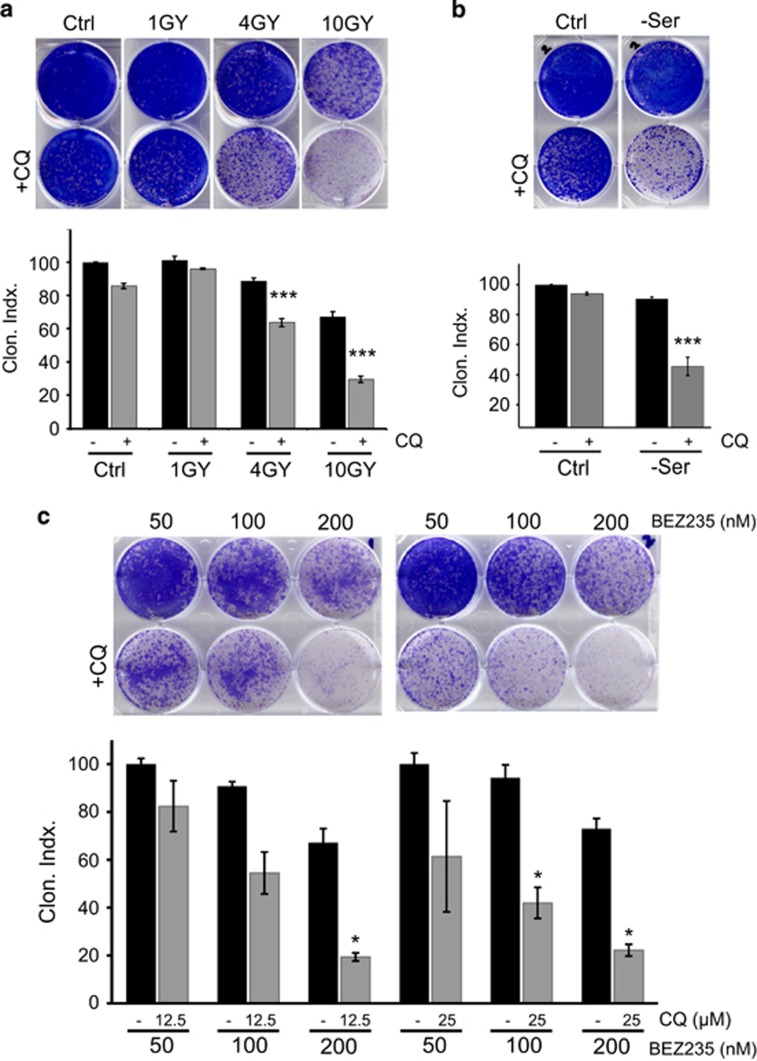
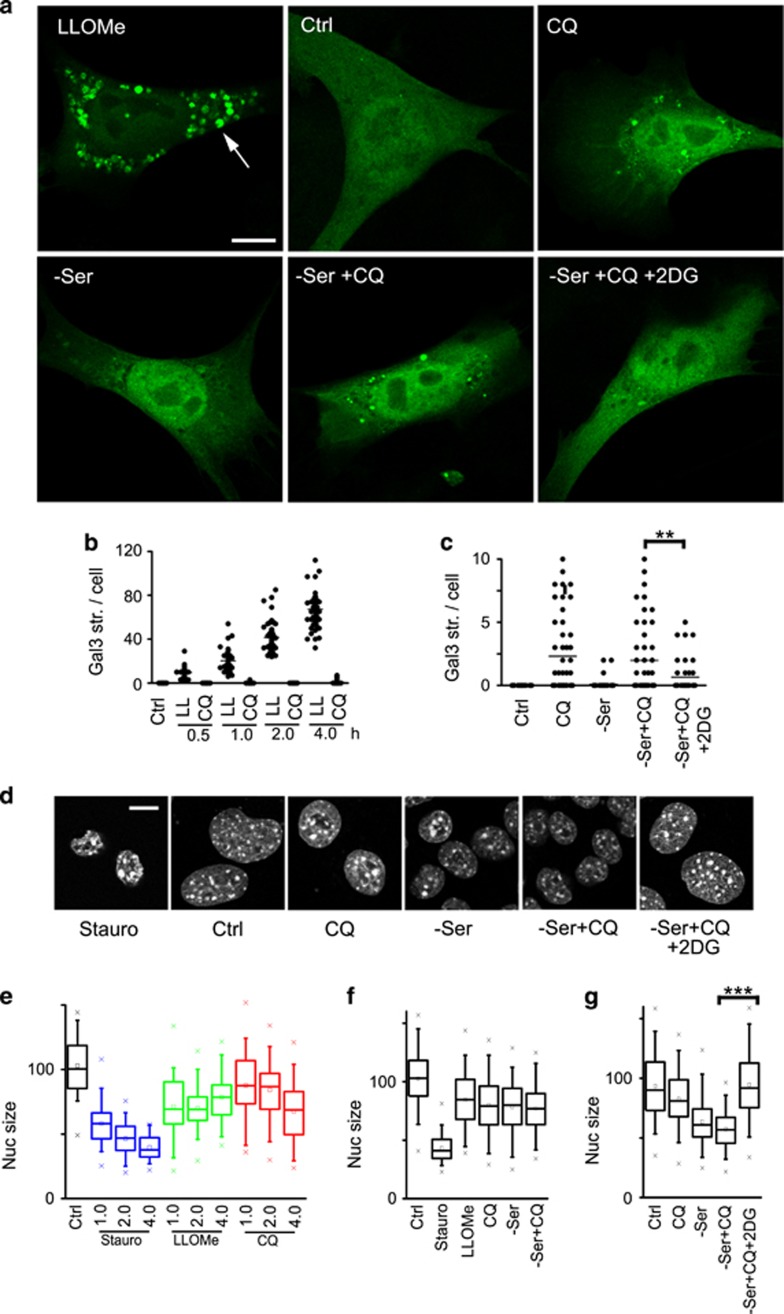
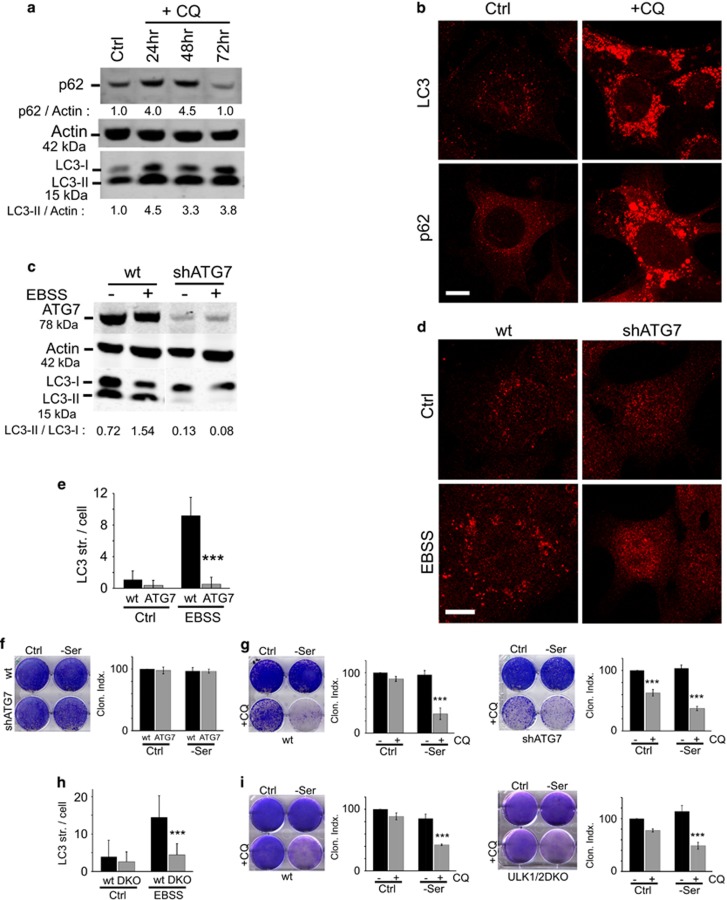
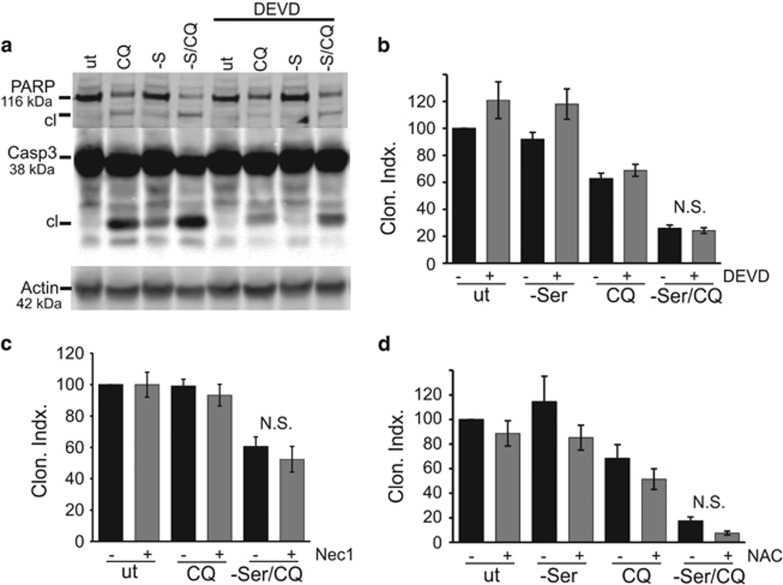
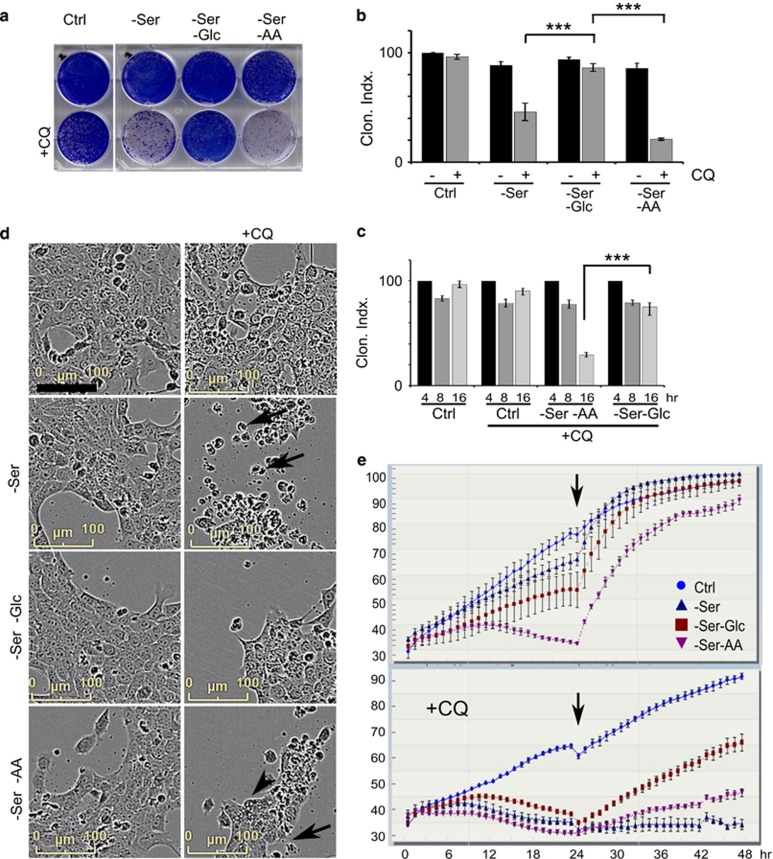
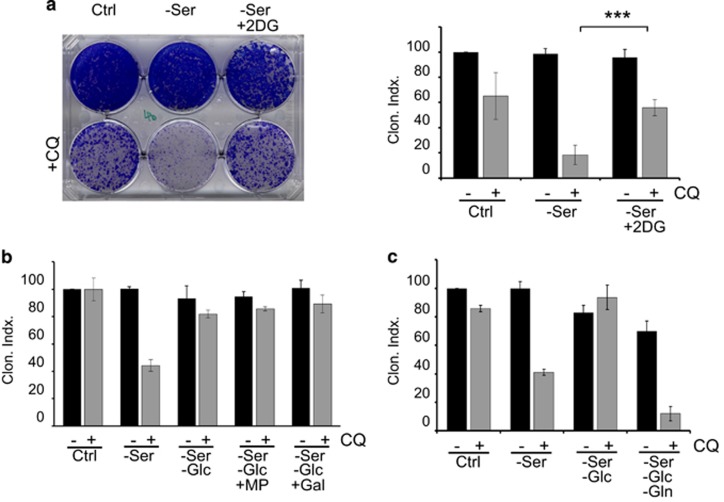
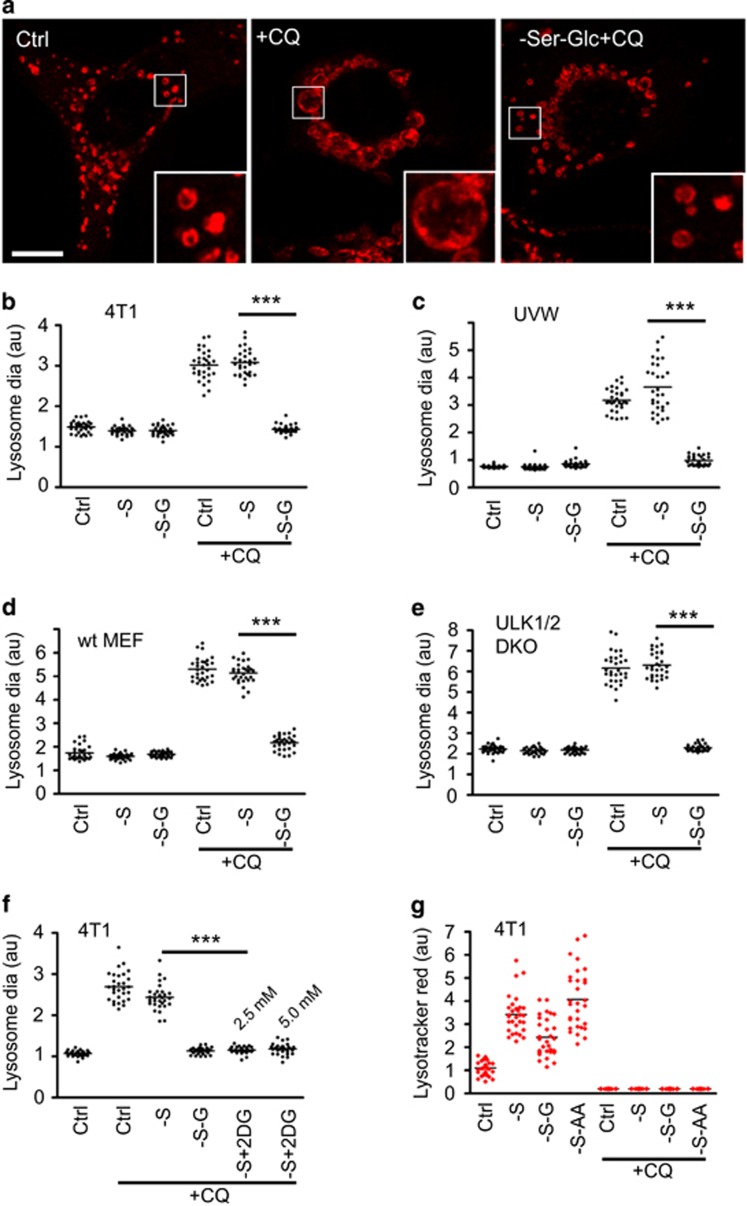
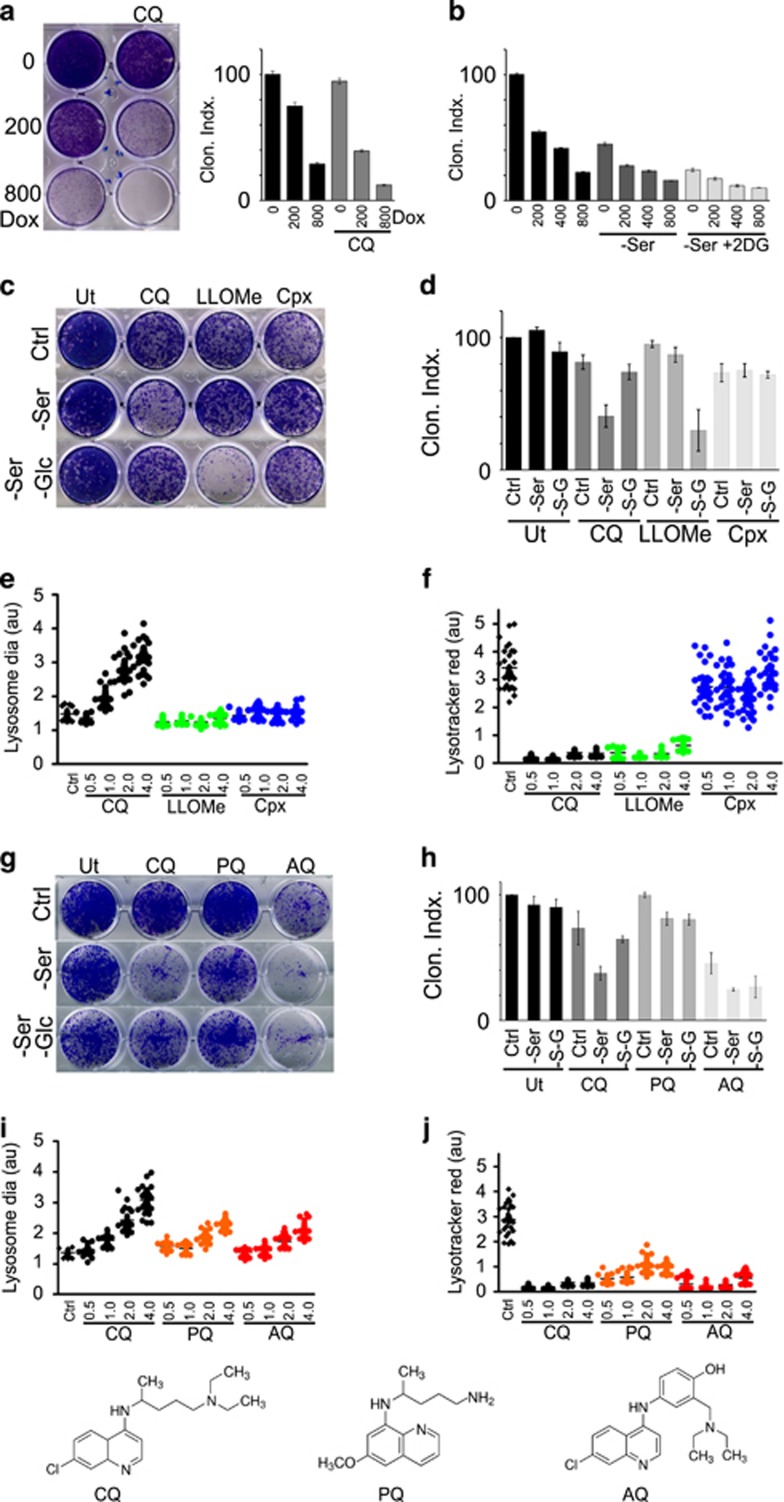
There has been long-standing interest in targeting pro-survival autophagy as a combinational cancer therapeutic strategy. Clinical trials are in progress testing chloroquine (CQ) or its derivatives in combination with chemo- or radiotherapy for solid and haematological cancers. Although CQ has shown efficacy in preclinical models, its mechanism of action remains equivocal. Here, we tested how effectively CQ sensitises metastatic breast cancer cells to further stress conditions such as ionising irradiation, doxorubicin, PI3K-Akt inhibition and serum withdrawal. Contrary to the conventional model, the cytotoxic effects of CQ were found to be autophagy-independent, as genetic targeting of ATG7 or the ULK1/2 complex could not sensitise cells, like CQ, to serum depletion. Interestingly, although CQ combined with serum starvation was robustly cytotoxic, further glucose starvation under these conditions led to a full rescue of cell viability. Inhibition of hexokinase using 2-deoxyglucose (2DG) similarly led to CQ resistance. As this form of cell death did not resemble classical caspase-dependent apoptosis, we hypothesised that CQ-mediated cytotoxicity was primarily via a lysosome-dependent mechanism. Indeed, CQ treatment led to marked lysosomal swelling and recruitment of Galectin3 to sites of membrane damage. Strikingly, glucose starvation or 2DG prevented CQ from inducing lysosomal damage and subsequent cell death. Importantly, we found that the related compound, amodiaquine, was more potent than CQ for cell killing and not susceptible to interference from glucose starvation. Taken together, our data indicate that CQ effectively targets the lysosome to sensitise towards cell death but is prone to a glucose-dependent resistance mechanism, thus providing rationale for the related compound amodiaquine (currently used in humans) as a better therapeutic option for cancer.
长期以来,人们一直对靶向抗细胞生存的自噬作用作为联合癌症治疗策略很感兴趣。目前正在进行临床试验,以测试氯喹(CQ)或其衍生物与化疗或放疗联合用于实体瘤和血液系统癌症。虽然 CQ 在临床前模型中显示出疗效,但它的作用机制仍存在争议。在这里,我们测试了 CQ 如何有效地使转移性乳腺癌细胞对进一步的应激条件(如电离辐射、阿霉素、PI3K-Akt 抑制和血清饥饿)敏感。与传统模型相反,CQ 的细胞毒性作用被发现是不依赖于自噬的,因为 ATG7 或 ULK1/2 复合物的基因靶向不能像 CQ 一样使细胞对血清饥饿敏感。有趣的是,虽然 CQ 与血清饥饿联合使用具有强大的细胞毒性,但在这些条件下进一步的葡萄糖饥饿会完全挽救细胞活力。使用 2-脱氧葡萄糖(2DG)抑制己糖激酶也会导致 CQ 耐药。由于这种形式的细胞死亡不像经典的 caspase 依赖性细胞凋亡,我们假设 CQ 介导的细胞毒性主要是通过溶酶体依赖性机制。事实上,CQ 处理导致明显的溶酶体肿胀和半乳糖凝集素 3(Galectin3)向膜损伤部位募集。引人注目的是,葡萄糖饥饿或 2DG 阻止 CQ 诱导溶酶体损伤和随后的细胞死亡。重要的是,我们发现相关化合物阿莫地喹(amodiaquine)比 CQ 更有效地杀伤细胞,并且不易受到葡萄糖饥饿的干扰。总之,我们的数据表明,CQ 有效地靶向溶酶体以增加对细胞死亡的敏感性,但易受到葡萄糖依赖性耐药机制的影响,因此为相关化合物阿莫地喹(目前在人类中使用)作为癌症更好的治疗选择提供了依据。