Leroy Sabine, Vermassen Aurore, Ras Geoffrey, Talon Régine
Université Clermont-Auvergne, INRA, MEDIS, F-63000 Clermont-Ferrand, France.
Microorganisms. 2017 Aug 29;5(3):52. doi: 10.3390/microorganisms5030052.
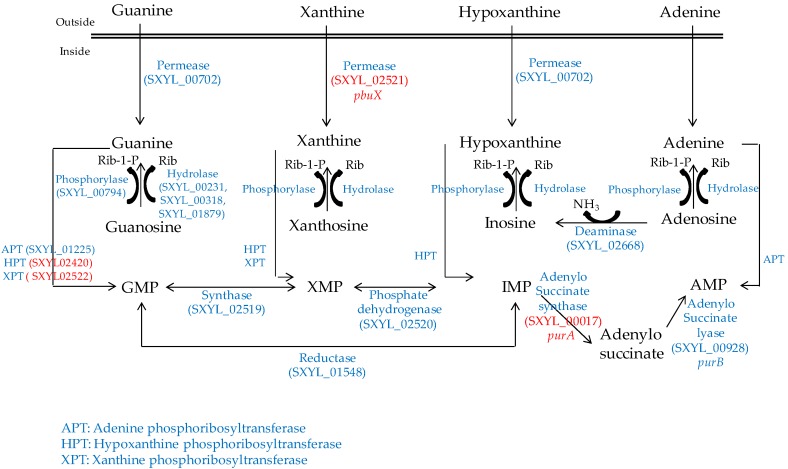
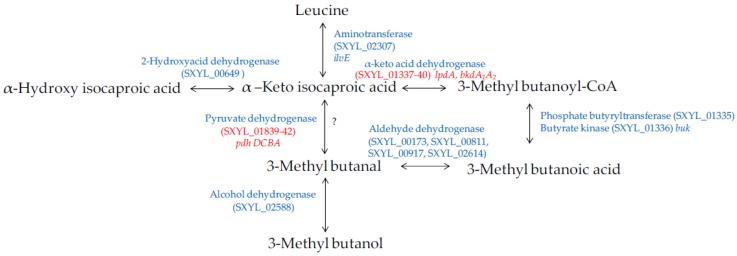
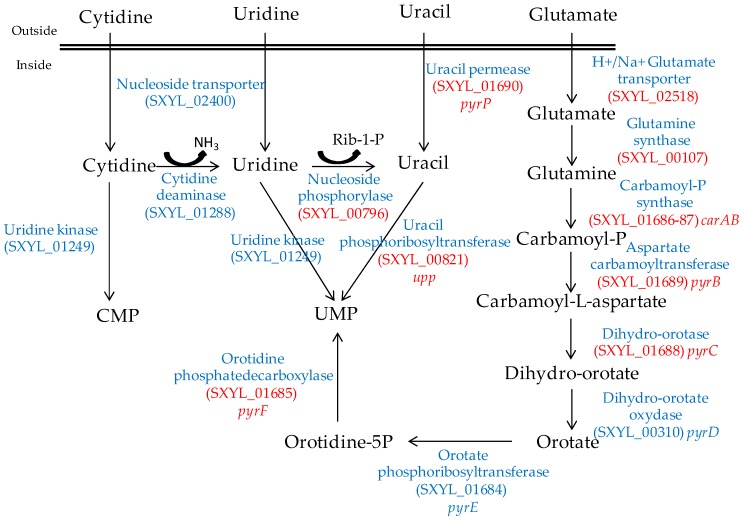
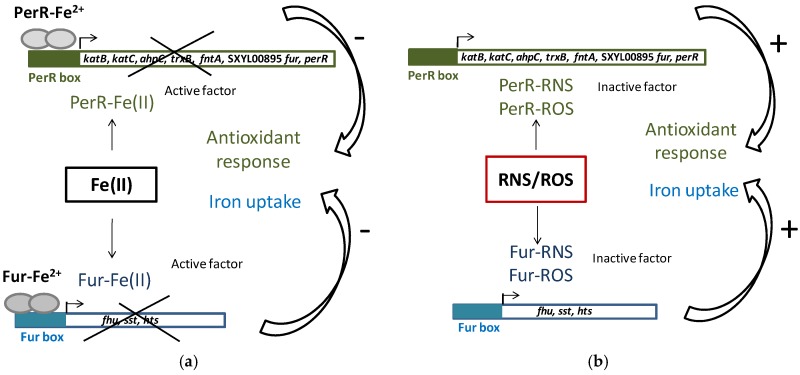
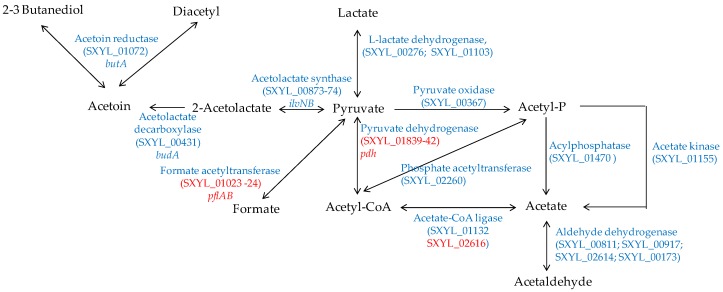
belongs to the vast group of coagulase-negative staphylococci. It is frequently isolated from meat products, either fermented or salted and dried, and is commonly used as starter cultures in sausage manufacturing. Analysis of the genome together with expression in situ in a meat model revealed that this bacterium is well adapted to meat substrates, being able to use diverse substrates as sources of carbon and energy and different sources of nitrogen. It is well-equipped with genes involved in osmotic, oxidative/nitrosative, and acidic stress responses. It is responsible for the development of the typical colour of cured meat products via its nitrate reductase activity. It contributes to sensorial properties, mainly by the the catabolism of pyruvate and amino acids resulting in odorous compounds and by the limiting of the oxidation of fatty acids, thereby avoiding rancidity.
属于凝固酶阴性葡萄球菌这一庞大菌群。它经常从发酵、腌制和干燥的肉制品中分离出来,并且在香肠制造中常用作发酵剂。对该细菌基因组的分析以及在肉类模型中的原位表达表明,这种细菌对肉类底物具有良好的适应性,能够利用多种底物作为碳源和能源以及不同的氮源。它具备参与渗透、氧化/亚硝化和酸性应激反应的基因。它通过其硝酸还原酶活性导致腌制肉制品呈现典型颜色。它主要通过丙酮酸和氨基酸的分解代谢产生有气味的化合物以及限制脂肪酸的氧化从而避免酸败,对感官特性有贡献。