Division of Hematology and Oncology, Brown University Warren Alpert Medical School, Rhode Island Hospital, 593 Eddy Street, Providence, RI, 02903, USA.
J Transl Med. 2017 Aug 29;15(1):183. doi: 10.1186/s12967-017-1281-x.
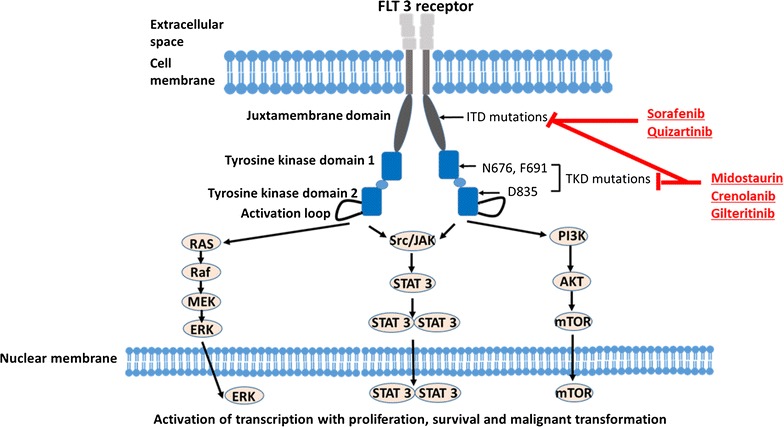
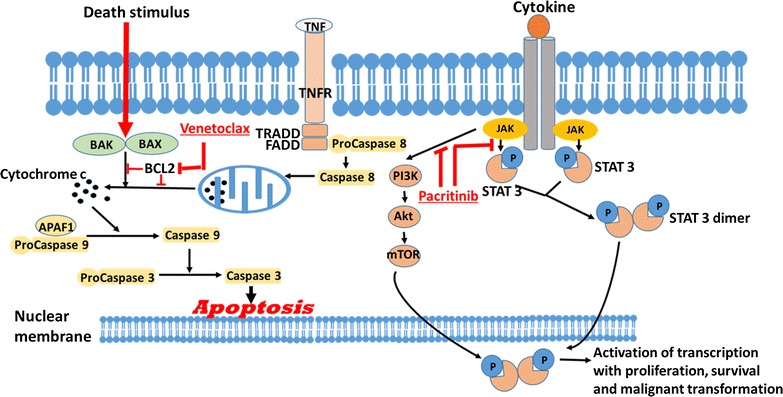
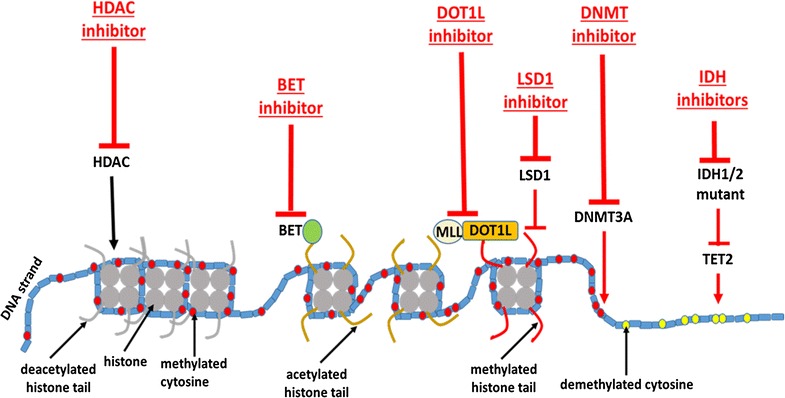
Acute myeloid leukemia (AML) is a heterogenous disease associated with distinct genetic and molecular abnormalities. Somatic mutations result in dysregulation of intracellular signaling pathways, epigenetics, and apoptosis of the leukemia cells. Understanding the basis for the dysregulated processes provides the platform for the design of novel targeted therapy for AML patients. The effort to devise new targeted therapy has been helped by recent advances in methods for high-throughput genomic screening and the availability of computer-assisted techniques for the design of novel agents that are predicted to specifically inhibit the mutant molecules involved in these intracellular events. In this review, we will provide the scientific basis for targeting the dysregulated molecular mechanisms and discuss the agents currently being investigated, alone or in combination with chemotherapy, for treating patients with AML. Successes in molecular targeting will ultimately change the treatment paradigm for the disease.
急性髓细胞白血病(AML)是一种异质性疾病,与独特的遗传和分子异常相关。体细胞突变导致白血病细胞内信号通路、表观遗传学和细胞凋亡的失调。理解失调过程的基础为 AML 患者的新型靶向治疗设计提供了平台。高通量基因组筛选方法的最新进展以及用于设计新型预测可特异性抑制涉及这些细胞内事件的突变分子的新型试剂的计算机辅助技术的可用性,有助于设计新的靶向治疗方法。在这篇综述中,我们将提供针对失调分子机制的科学依据,并讨论目前正在研究的单独或联合化疗治疗 AML 患者的药物。分子靶向的成功最终将改变该疾病的治疗模式。