Bootz Anna, Karbach Astrid, Spindler Johannes, Kropff Barbara, Reuter Nina, Sticht Heinrich, Winkler Thomas H, Britt William J, Mach Michael
Virologisches Institut, Klinische und Molekulare Virologie, Friedrich-Alexander Universität Erlangen-Nürnberg, Erlangen, Germany.
Institut für Biochemie, Friedrich-Alexander Universität Erlangen-Nürnberg, Erlangen, Germany.
PLoS Pathog. 2017 Aug 30;13(8):e1006601. doi: 10.1371/journal.ppat.1006601. eCollection 2017 Aug.
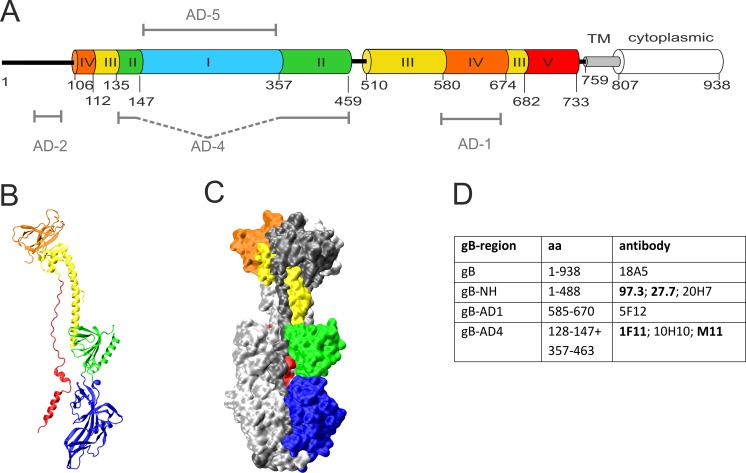
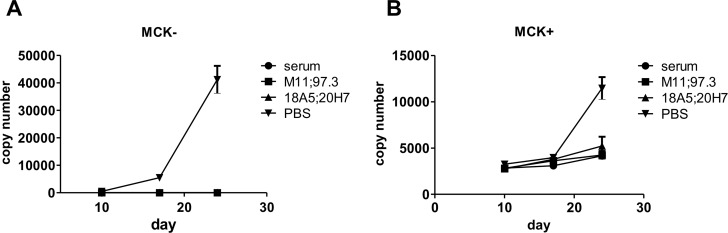
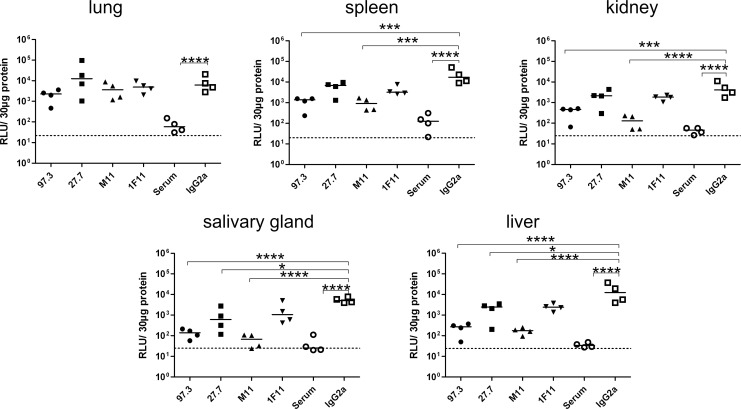
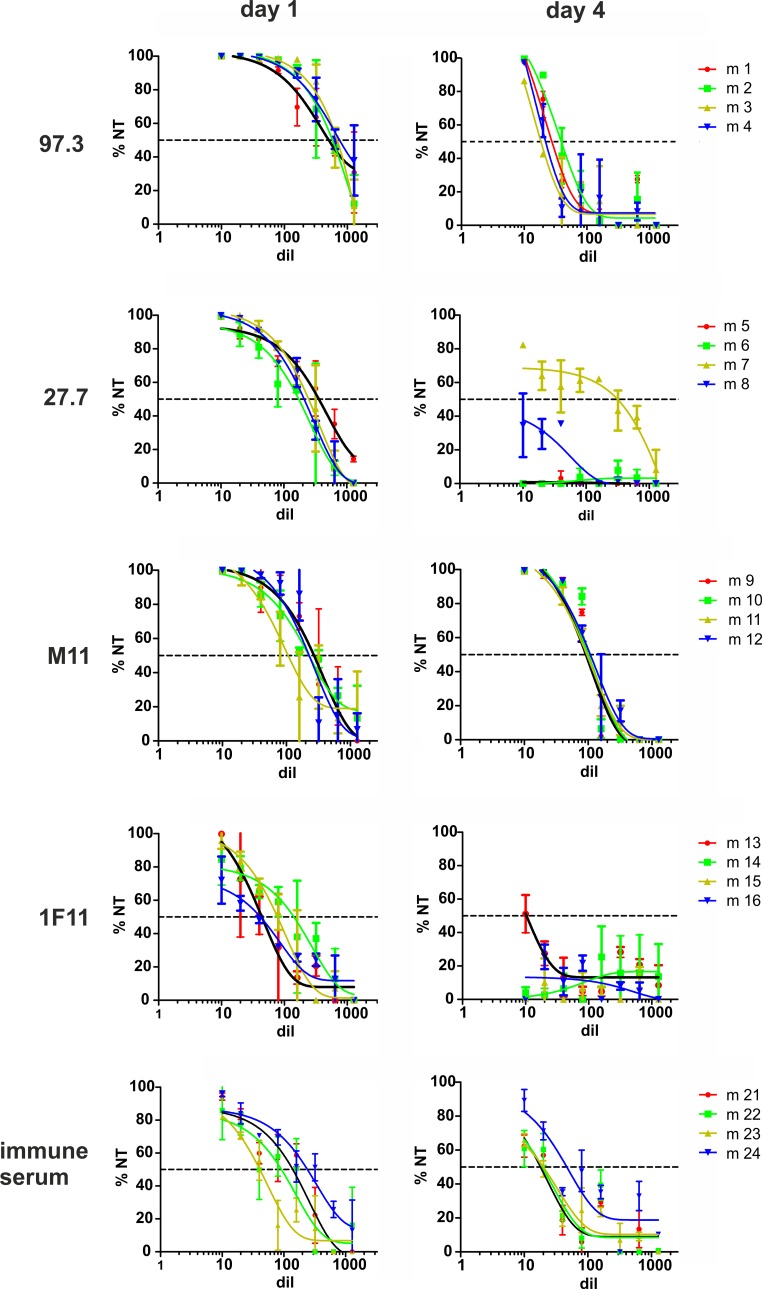
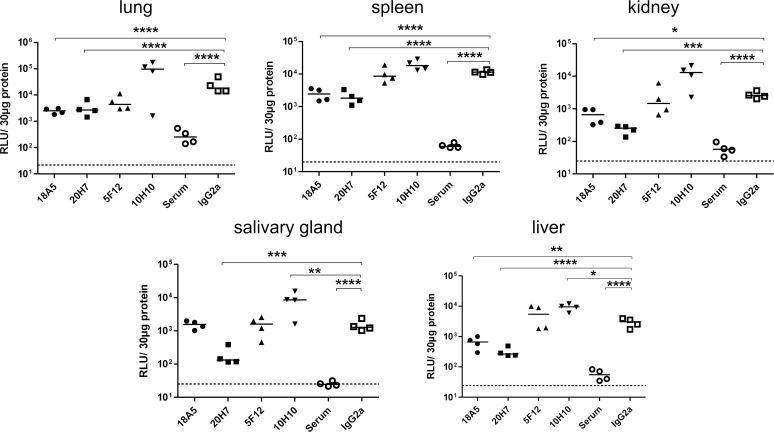
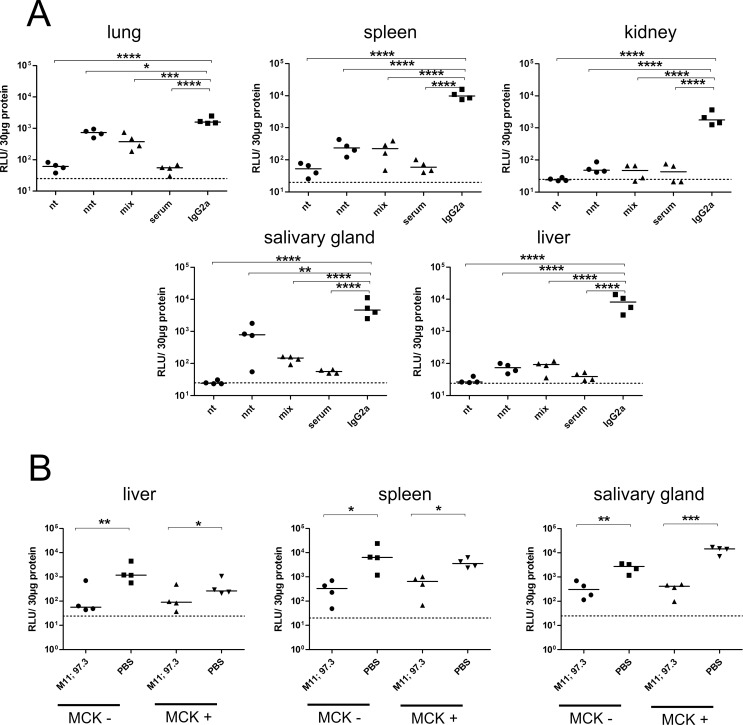
Human cytomegalovirus (HCMV) is an important, ubiquitous pathogen that causes severe clinical disease in immunocompromised individuals, such as organ transplant recipients and infants infected in utero. Antiviral chemotherapy remains problematic due to toxicity of the available compounds and the emergence of viruses resistant to available antiviral therapies. Antiviral antibodies could represent a valuable alternative strategy to limit the clinical consequences of viral disease in patients. The envelope glycoprotein B (gB) of HCMV is a major antigen for the induction of virus neutralizing antibodies. However, the role of anti-gB antibodies in the course of the infection in-vivo remains unknown. We have used a murine CMV (MCMV) model to generate and study a number of anti-gB monoclonal antibodies (mAbs) with differing virus-neutralizing capacities. The mAbs were found to bind to similar antigenic structures on MCMV gB that are represented in HCMV gB. When mAbs were used in immunodeficient RAG-/- hosts to limit an ongoing infection we observed a reduction in viral load both with mAbs having potent neutralizing capacity in-vitro as well as mAbs classified as non-neutralizing. In a therapeutic setting, neutralizing mAbs showed a greater capacity to reduce the viral burden compared to non-neutralizing antibodies. Efficacy was correlated with sustained concentration of virus neutralizing mAbs in-vivo rather than their in-vitro neutralizing capacity. Combinations of neutralizing mAbs further augmented the antiviral effect and were found to be as potent in protection as polyvalent serum from immune animals. Prophylactic administration of mAbs before infection was also protective and both neutralizing and non-neutralizing mAbs were equally effective in preventing lethal infection of immunodeficient mice. In summary, our data argue that therapeutic application of potently neutralizing mAbs against gB represent a strategy to modify the outcome of CMV infection in immunodeficient hosts. When present before infection, both neutralizing and non-neutralizing anti-gB exhibited protective capacity.
人巨细胞病毒(HCMV)是一种重要的、广泛存在的病原体,可在免疫功能低下的个体中引起严重的临床疾病,如器官移植受者和子宫内感染的婴儿。由于现有化合物的毒性以及对现有抗病毒疗法产生耐药性的病毒的出现,抗病毒化疗仍然存在问题。抗病毒抗体可能是一种有价值的替代策略,以限制患者病毒性疾病的临床后果。HCMV的包膜糖蛋白B(gB)是诱导病毒中和抗体的主要抗原。然而,抗gB抗体在体内感染过程中的作用仍不清楚。我们使用小鼠巨细胞病毒(MCMV)模型来产生和研究一些具有不同病毒中和能力的抗gB单克隆抗体(mAb)。发现这些mAb与MCMV gB上的相似抗原结构结合,这些结构也存在于HCMV gB中。当在免疫缺陷的RAG-/-宿主中使用mAb来限制正在进行的感染时,我们观察到具有强大体外中和能力的mAb以及被归类为非中和性的mAb都能使病毒载量降低。在治疗环境中,与非中和抗体相比,中和mAb显示出更大的降低病毒负担的能力。疗效与病毒中和mAb在体内的持续浓度相关,而不是与其体外中和能力相关。中和mAb的组合进一步增强了抗病毒效果,并且发现其保护作用与免疫动物的多价血清一样有效。在感染前预防性给予mAb也具有保护作用,中和性和非中和性mAb在预防免疫缺陷小鼠的致死性感染方面同样有效。总之,我们的数据表明,针对gB的强效中和mAb的治疗应用是一种改变免疫缺陷宿主中CMV感染结果的策略。在感染前存在时,中和性和非中和性抗gB抗体均表现出保护能力。