Neppl Ronald L, Wu Chia-Ling, Walsh Kenneth
Molecular Cardiology, Whitaker Cardiovascular Institute, Boston University School of Medicine, Boston, MA
Department of Orthopedic Surgery, Brigham and Women's Hospital, Harvard Medical School, Boston, MA.
J Cell Biol. 2017 Nov 6;216(11):3497-3507. doi: 10.1083/jcb.201612100. Epub 2017 Aug 30.
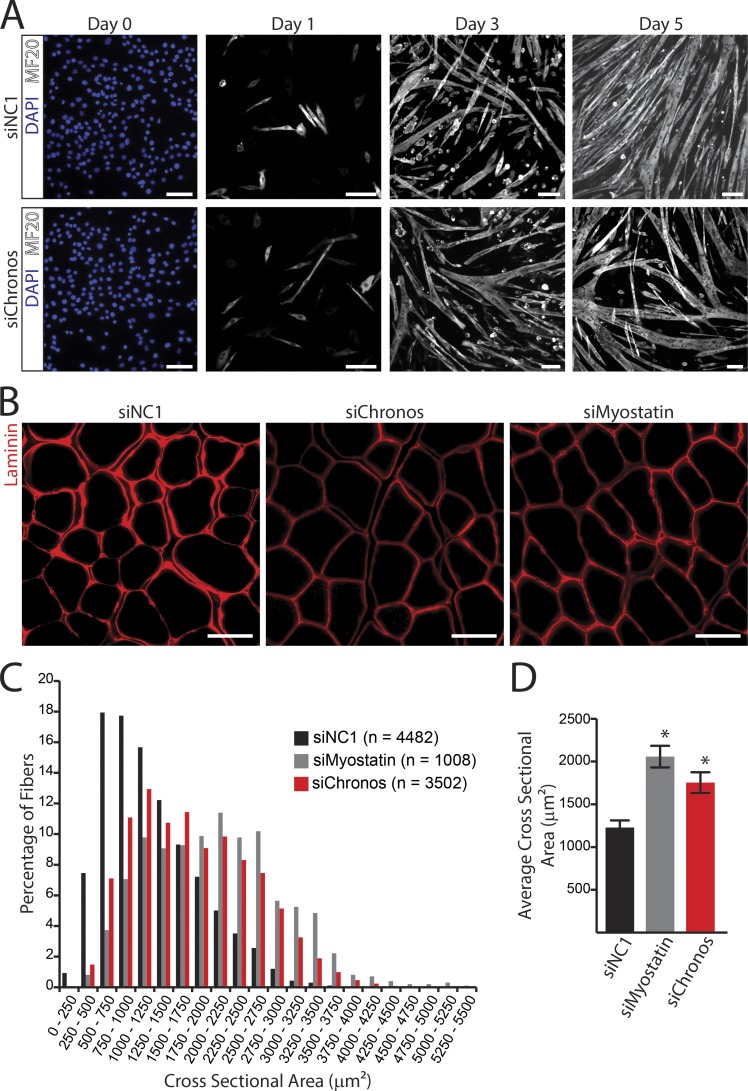
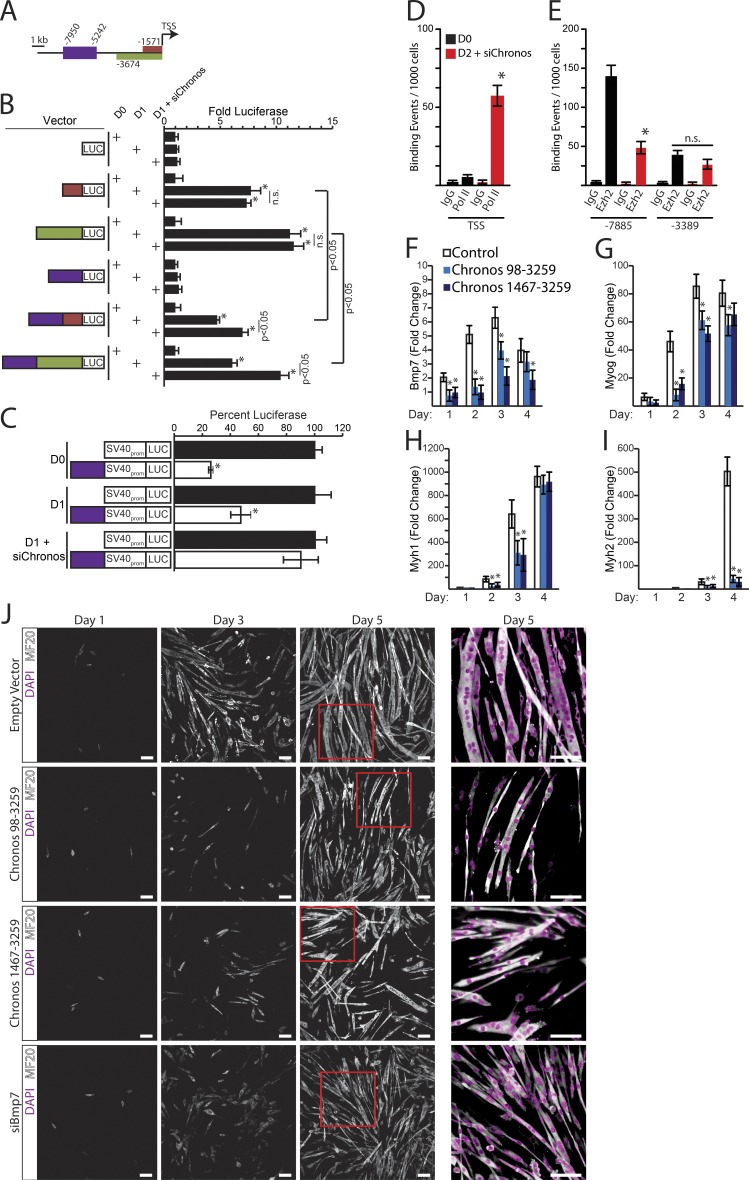
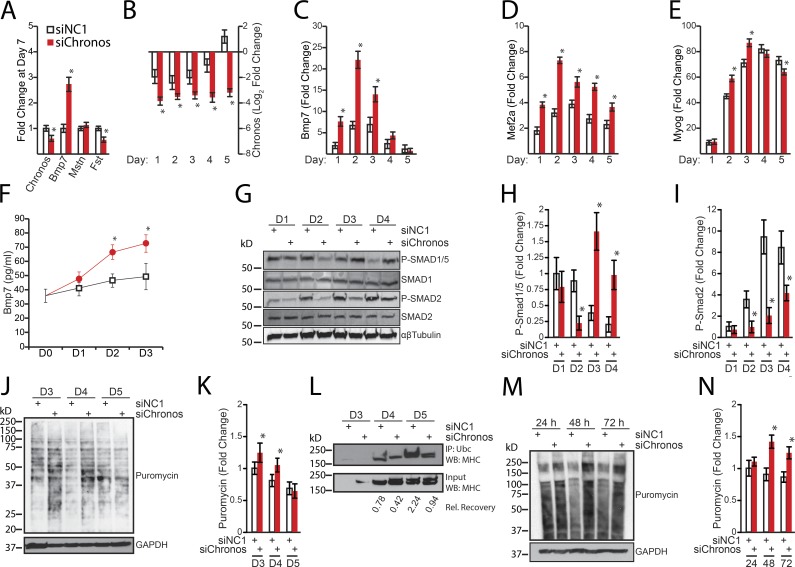
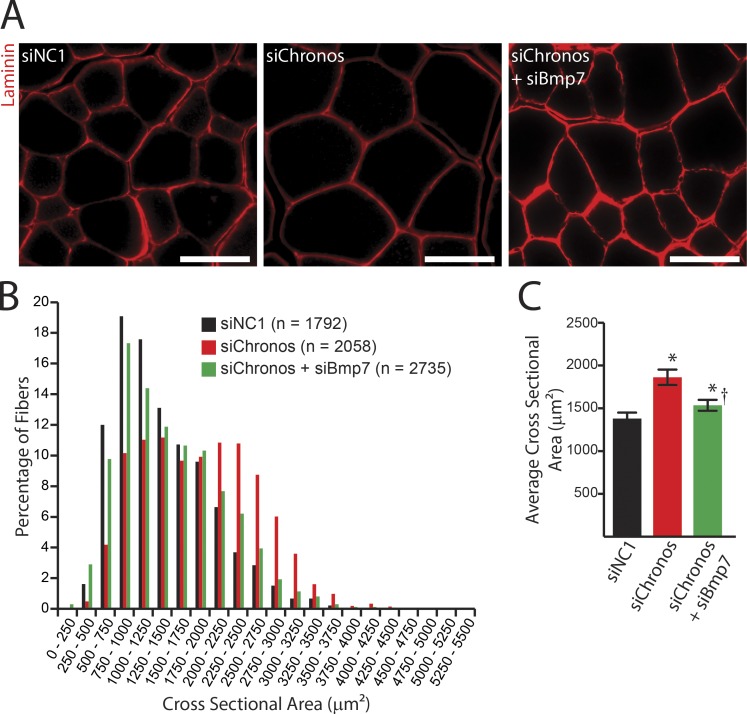
Skeletal muscle exhibits remarkable plasticity in its ability to modulate its mass in response to the physiologic changes associated with functional use, systemic disease, and aging. Although a gradual loss of muscle mass normally occurs with advancing age, its increasingly rapid progression results in sarcopenia in a subset of individuals. The identities of muscle-enriched, long noncoding RNAs that regulate this process are unknown. Here, we identify a long noncoding RNA, named Chronos, whose expression in muscle is positively regulated with advancing age and negatively regulated during Akt1-mediated growth. Inhibition of Chronos induces myofiber hypertrophy both in vitro and in vivo, in part, through the epigenetic modulation of Bmp7 signaling.
骨骼肌在响应与功能使用、全身性疾病和衰老相关的生理变化时,调节其质量的能力表现出显著的可塑性。虽然随着年龄增长肌肉质量通常会逐渐丧失,但其进展加速会导致一部分个体出现肌肉减少症。调节这一过程的肌肉富集长链非编码RNA的身份尚不清楚。在这里,我们鉴定出一种名为Chronos的长链非编码RNA,其在肌肉中的表达随年龄增长而正向调节,在Akt1介导的生长过程中负向调节。抑制Chronos在体外和体内均能诱导肌纤维肥大,部分是通过对Bmp7信号的表观遗传调控实现的。