Balakrishnan Arjun, Chakravortty Dipshikha
Department of Microbiology and Cell Biology, Indian Institute of ScienceBangalore, India.
Centre for Biosystems Science and Engineering, Indian Institute of ScienceBangalore, India.
Front Microbiol. 2017 Aug 15;8:1567. doi: 10.3389/fmicb.2017.01567. eCollection 2017.
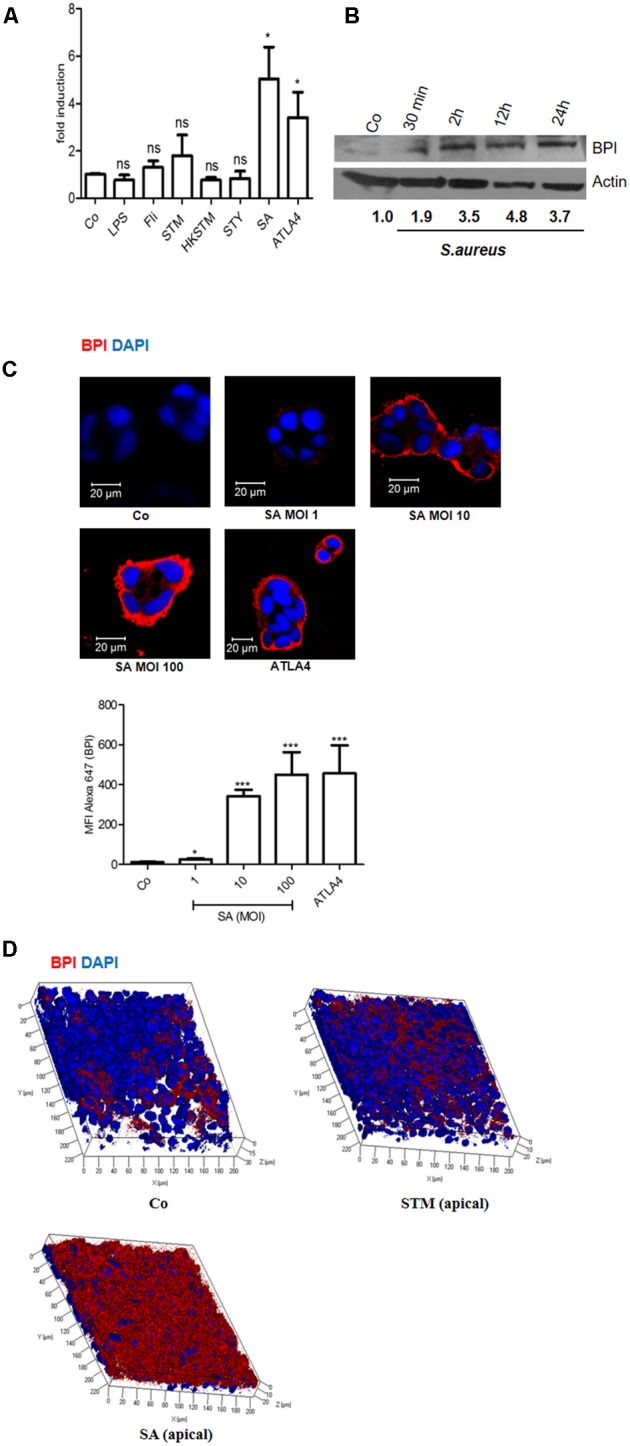
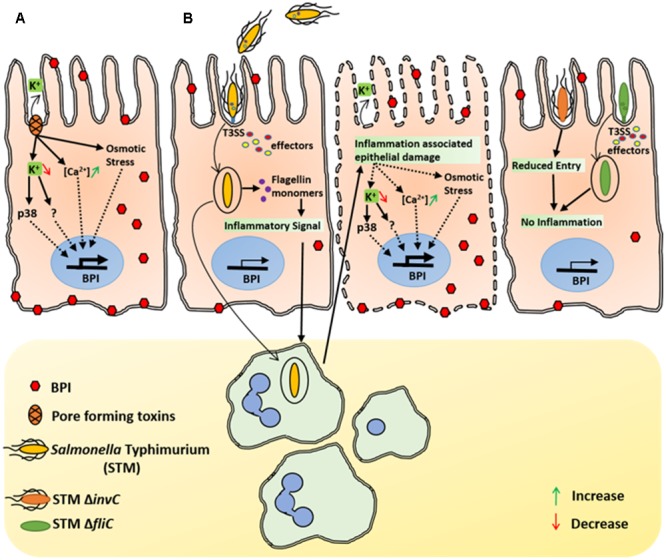
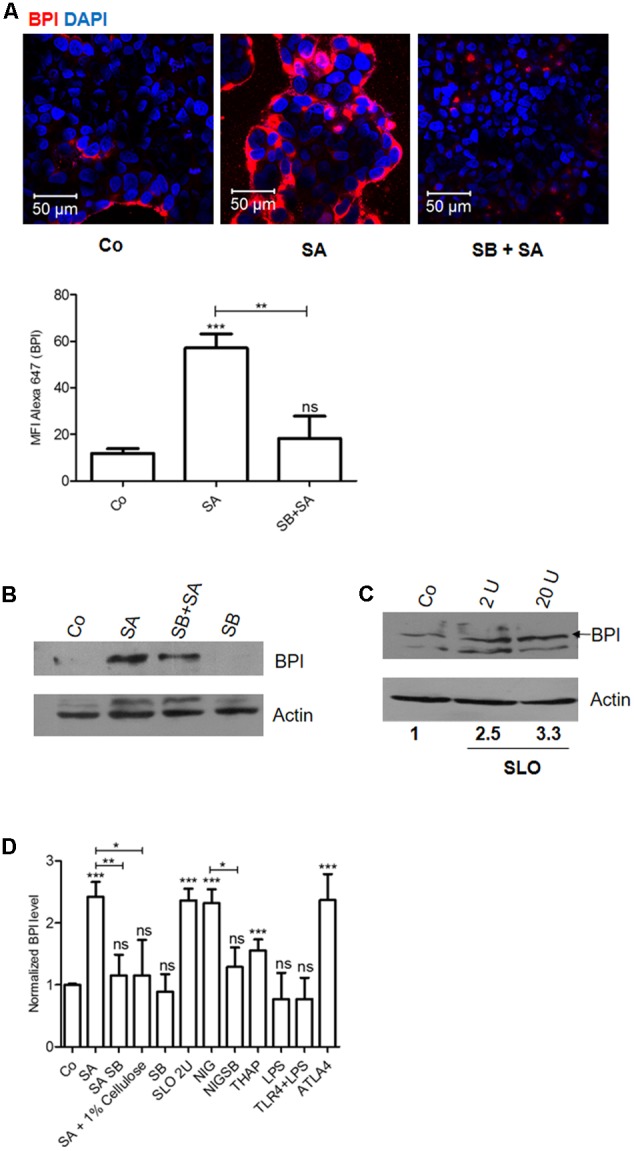
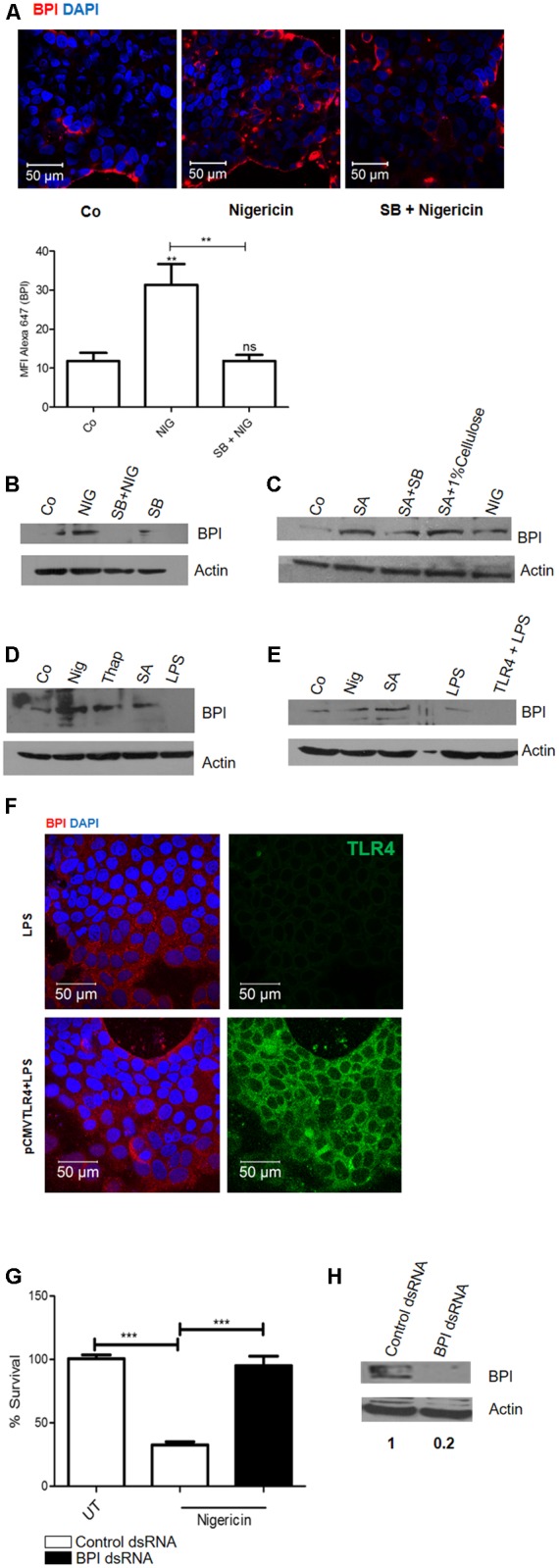
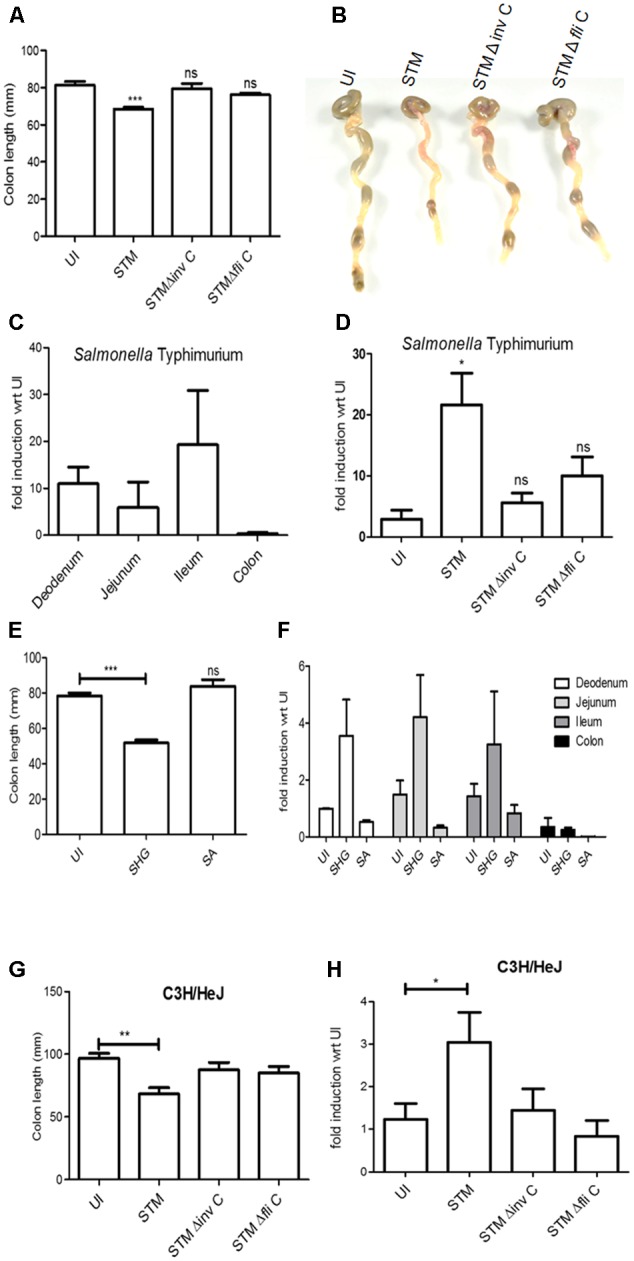
As the first line of defense against invading pathogen, intestinal epithelium produces various antimicrobial proteins (AMP) that help in clearance of pathogen. Bactericidal/permeability-increasing protein (BPI) is a 55 kDa AMP that is expressed in intestinal epithelium. Dysregulation of BPI in intestinal epithelium is associated with various inflammatory diseases like Crohn's Disease, Ulcerative colitis, and Infectious enteritis's. In this paper, we report a direct correlation between intestinal damage and BPI expression. In Caco-2 cells, we see a significant increase in BPI levels upon membrane damage mediated by infection and pore-forming toxins (Streptolysin and Listeriolysin). Cells detect changes in potassium level as a Danger-associated molecular pattern associated with cell damage and induce BPI expression in a p38 dependent manner. These results are further supported by findings that the BPI expression in murine intestinal epithelium is induced upon infection with bacteria which cause intestinal damage ( Typhimurium and ) whereas mutants that do not cause intestinal damage (STM Δ and STM Δ did not induce BPI expression. Our results suggest that epithelial damage associated with infection act as a signal to induce BPI expression.
作为抵御入侵病原体的第一道防线,肠道上皮细胞会产生多种抗菌蛋白(AMP),有助于清除病原体。杀菌/通透性增加蛋白(BPI)是一种55 kDa的AMP,在肠道上皮细胞中表达。肠道上皮细胞中BPI的失调与多种炎症性疾病有关,如克罗恩病、溃疡性结肠炎和感染性肠炎。在本文中,我们报告了肠道损伤与BPI表达之间的直接关联。在Caco-2细胞中,我们发现由感染和形成孔道的毒素(链球菌溶血素和李斯特菌溶血素)介导的膜损伤会使BPI水平显著升高。细胞将钾离子水平的变化检测为与细胞损伤相关的危险相关分子模式,并以p38依赖的方式诱导BPI表达。这些结果进一步得到以下发现的支持:在感染导致肠道损伤的细菌(鼠伤寒沙门氏菌等)后,小鼠肠道上皮细胞中的BPI表达会被诱导,而不会导致肠道损伤的突变体(STM Δ和STM Δ不会诱导BPI表达。我们的结果表明,与感染相关的上皮损伤作为一种信号诱导BPI表达。