McGreevy Paul D, Tzioumis Vicky, Degeling Chris, Johnson Jane, Brown Robert, Sands Mike, Starling Melissa J, Phillips Clive J C
Sydney School of Veterinary Science, The University of Sydney, Camperdown 2006, NSW, Australia.
Sydney Health Ethics, The University of Sydney, Camperdown 2006, NSW, Australia.
Animals (Basel). 2017 Sep 2;7(9):68. doi: 10.3390/ani7090068.
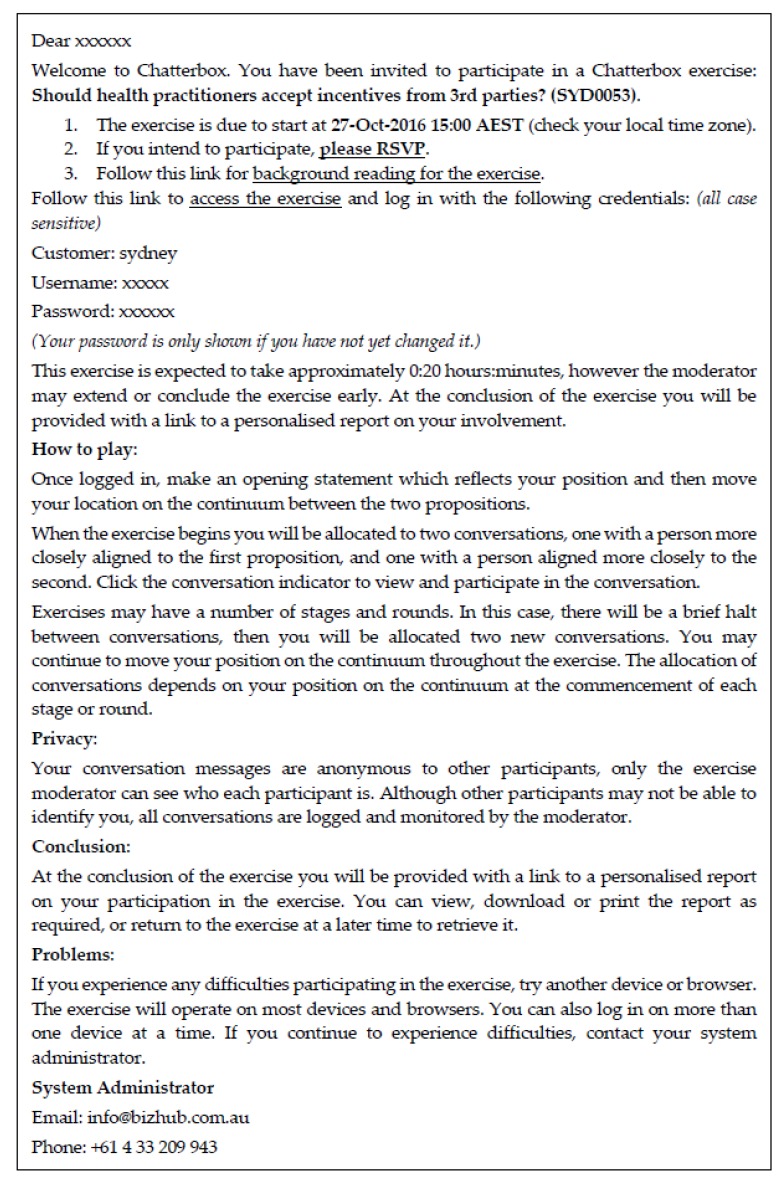
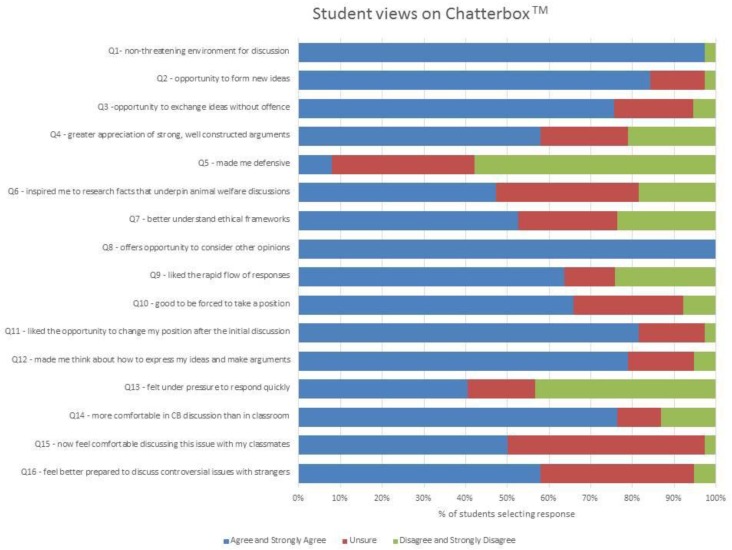
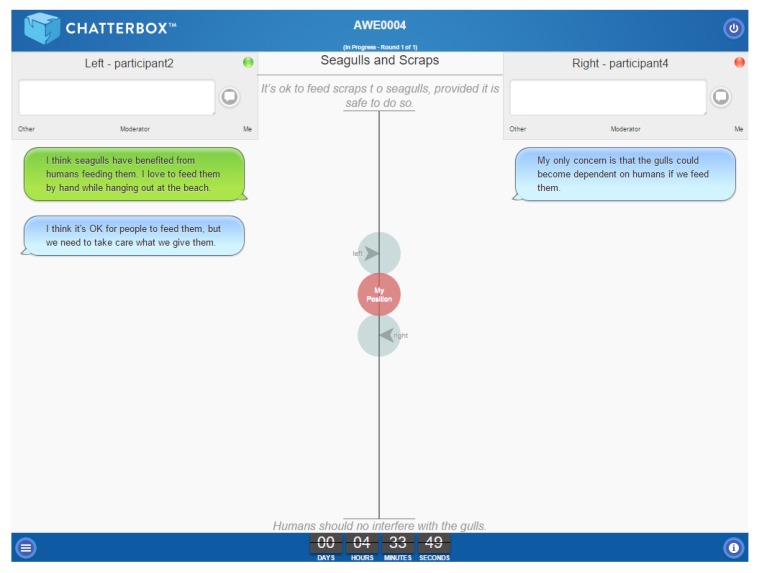
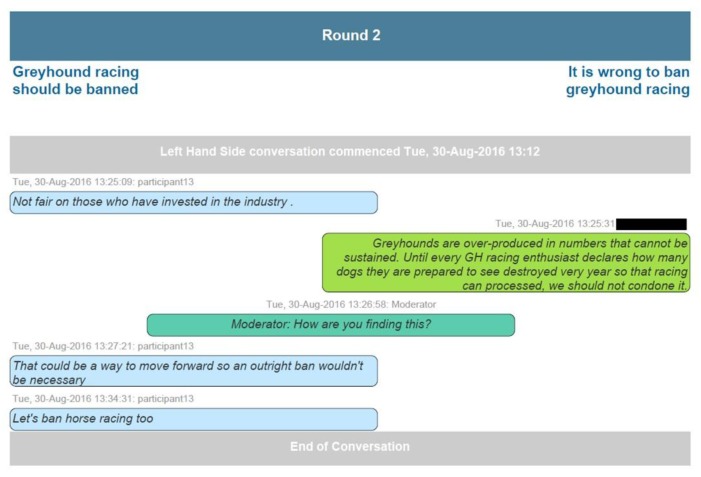
The merits of students exchanging views through the so-called human continuum exercise (HCE) are well established. The current article describes the creation of the virtual human continuum (VHC), an online platform that facilitates the same teaching exercise. It also reports feedback on the VHC from veterinary science students ( = 38). First-year Doctor of Veterinary Medicine students at the University of Sydney, Australia, trialed the platform and provided feedback. Most students agreed or strongly agreed that the VHC offered: a non-threatening environment for discussing emotive and challenging issues; and an opportunity to see how other people form ideas. It also made them think about how to express their ideas and make arguments; and left them feeling more comfortable about expressing their views using it than they would discussing ideas face-to-face (98%, 84%, 79% and 76%, respectively). All respondents agreed or strongly agreed that the VHC encouraged them to consider other opinions. These data suggest that the transition of the HCE to an online platform facilitates dialogue on difficult ethical issues in a supportive environment.
学生通过所谓的人际连续体练习(HCE)交流观点的优点已得到充分证实。本文描述了虚拟人际连续体(VHC)的创建,这是一个便于进行相同教学练习的在线平台。文章还报告了来自38名兽医学专业学生对VHC的反馈。澳大利亚悉尼大学的兽医学一年级博士生试用了该平台并提供了反馈。大多数学生同意或强烈同意VHC提供了:一个讨论情感和具有挑战性问题的无威胁环境;以及一个了解他人如何形成想法的机会。它还促使他们思考如何表达自己的想法并进行论证;并且让他们感觉使用该平台表达观点比面对面讨论想法更自在(分别为98%、84%、79%和76%)。所有受访者都同意或强烈同意VHC鼓励他们考虑其他意见。这些数据表明,将HCE转换到在线平台有助于在支持性环境中就棘手的伦理问题展开对话。