Chen Juerong, Zhong Bing, Wang Yong
Department of Rheumatology, Southwest Hospital, Third Military Medical University, Chongqing, China (mainland).
Am J Case Rep. 2017 Sep 6;18:959-962. doi: 10.12659/ajcr.904519.
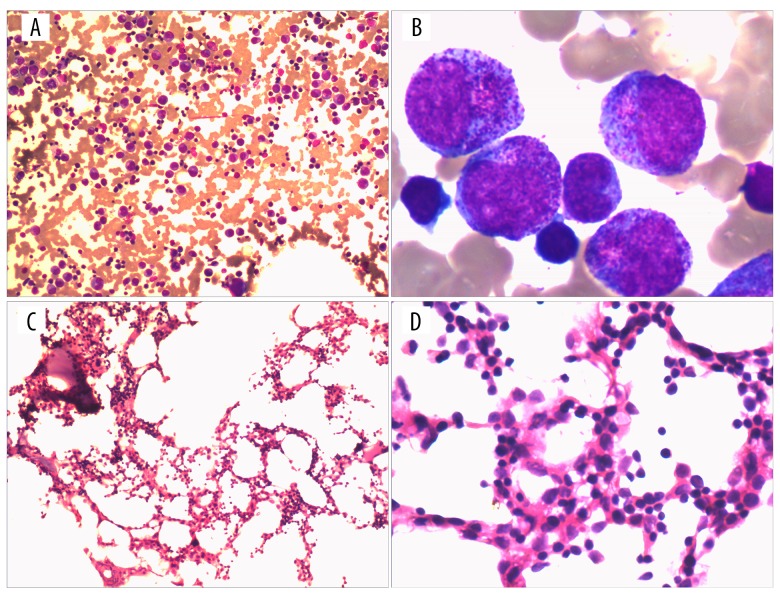
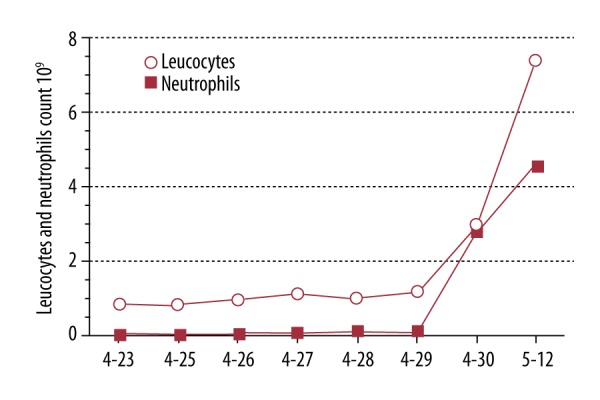
BACKGROUND Sinomenine hydrochloride is an alkaloid that is extracted from the Chinese herbal plant Sinomenium acutum, and is used as a herbal medicine in the treatment or rheumatic disease. This report is the first to describe a case of sinomenine hydrochloride-induced agranulocytosis. CASE REPORT A 44-year-old woman with systemic lupus erythematosus (SLE) and systemic sclerosis (SSc) was treated with sinomenine hydrochloride and developed agranulocytosis with a neutrophil count of 0.01×10^9/L. She subsequently developed an opportunistic bacterial infection. Bone marrow aspiration showed a severe reduction in the proportion of mature granulocytes. The patient discontinued sinomenine hydrochloride therapy and was treated with granulocyte colony-stimulating factor (G-CSF) and antibiotics. The patient showed a return to normal granulocyte levels within ten days of discontinuing treatment with sinomenine hydrochloride. CONCLUSIONS The findings of this case report show that monitoring of bone marrow function and granulocyte levels should be performed during treatment with sinomenine hydrochloride.
盐酸青藤碱是从中国草药植物青风藤中提取的一种生物碱,用作治疗风湿性疾病的草药。本报告首次描述了一例盐酸青藤碱引起的粒细胞缺乏症。病例报告:一名44岁患有系统性红斑狼疮(SLE)和系统性硬化症(SSc)的女性接受盐酸青藤碱治疗后出现粒细胞缺乏症,中性粒细胞计数为0.01×10^9/L。随后她发生了机会性细菌感染。骨髓穿刺显示成熟粒细胞比例严重降低。患者停用盐酸青藤碱治疗,并接受粒细胞集落刺激因子(G-CSF)和抗生素治疗。在停用盐酸青藤碱治疗十天内,患者粒细胞水平恢复正常。结论:本病例报告结果表明,在盐酸青藤碱治疗期间应监测骨髓功能和粒细胞水平。