Key Laboratory of Beijing for Identification and Safety Evaluation of Chinese Medicine, Institute of Chinese Materia Medica, China Academy of Chinese Medical Sciences, Beijing 100700, China.
Stritch School of Medicine, Loyola University Chicago, Chicago, IL 60153, USA.
Int J Mol Sci. 2018 Dec 24;20(1):70. doi: 10.3390/ijms20010070.
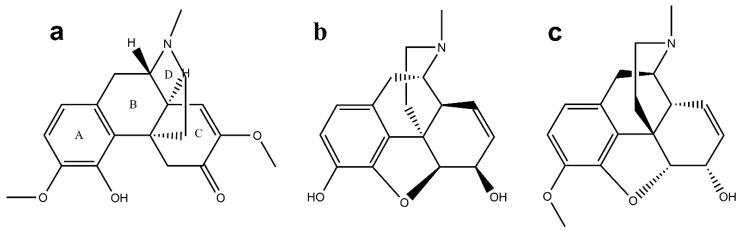
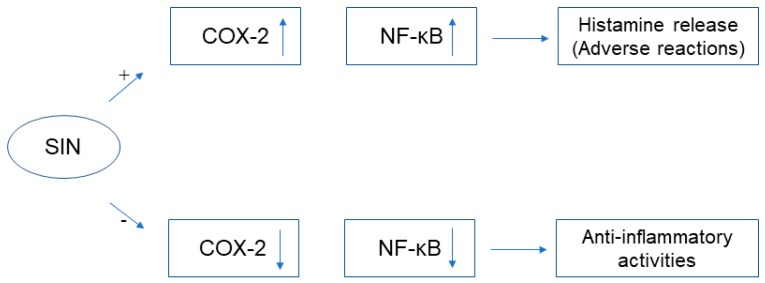
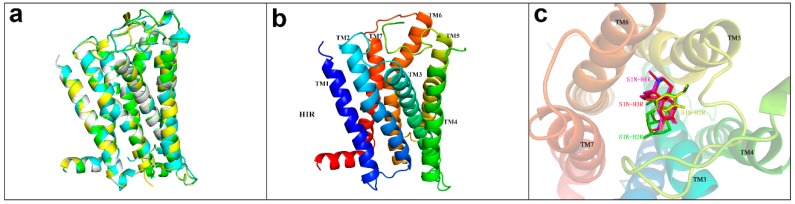
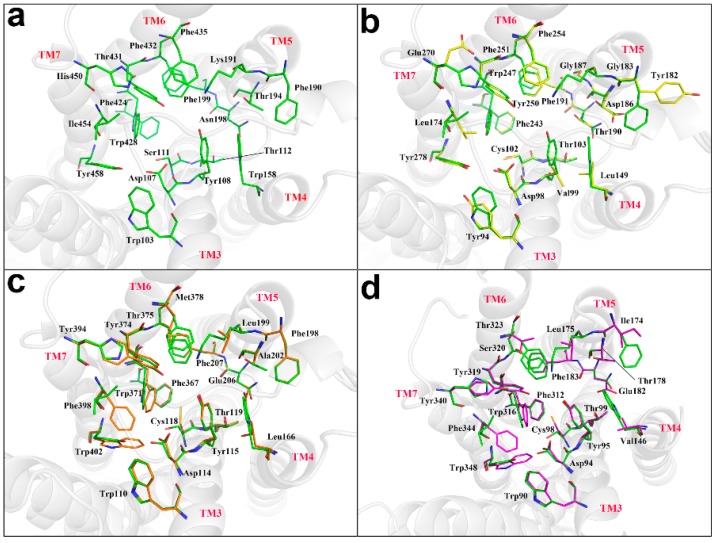
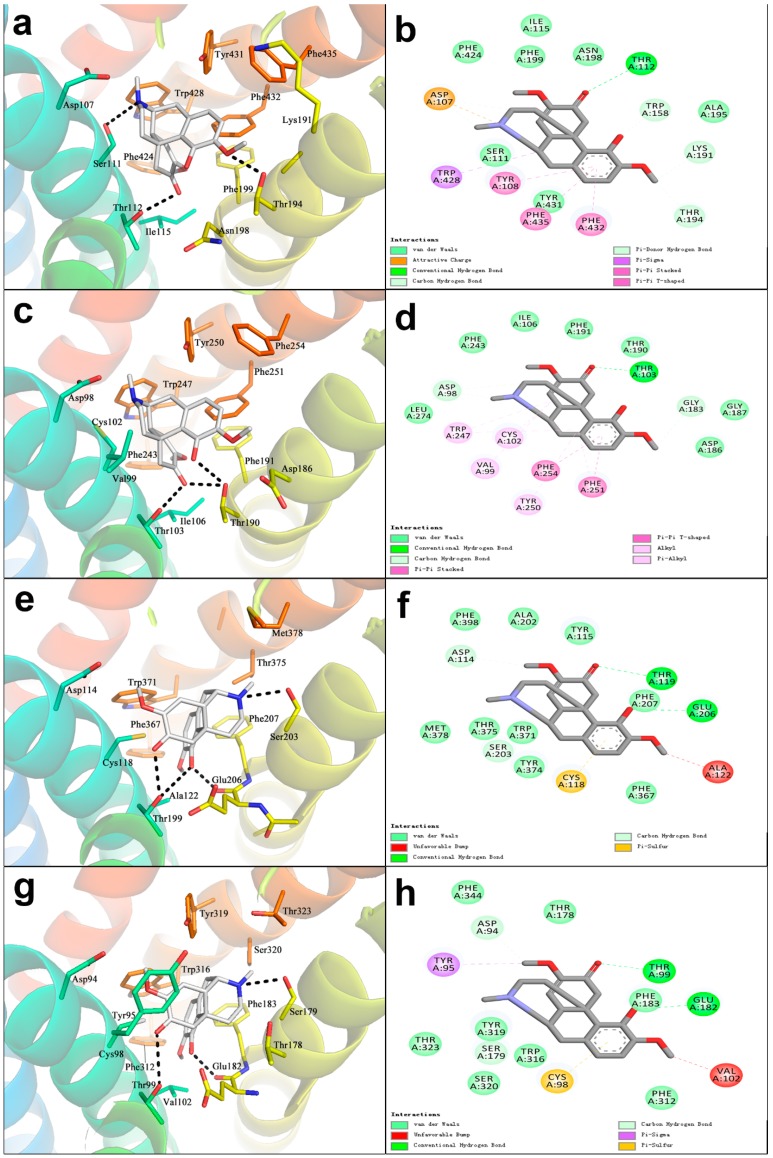
Sinomenine (SIN) is widely used in China to treat a variety of rheumatic diseases (RA), and has various pharmacological effects such as anti-inflammatory, analgesic, and anti-tumor effects. However, due to the histamine release characteristics of SIN, its adverse reactions such as allergic reactions, gastrointestinal reactions, and circulatory systemic reactions have been drawing increasing attention. We present here a systematic review of the chemical structure, pharmacological effects, clinical application, and adverse reactions of SIN, a detailed discussion on the relationship between histamine/histamine receptor and mechanism of action of SIN. In addition, we simulated the binding of SIN to four histamine receptors by using a virtual molecular docking method and found that the bonding intensity between SIN and receptors varied in the order shown as follows: H1R > H2R ~ H3R > H4R. The docking results suggested that SIN might exhibit dual regulatory effects in many processes such as cyclooxygenase-2 (COX-2) expression, NF-κB pathway activation, and degranulation of mast cells to release histamine, thereby exhibiting pro-inflammatory (adverse reactions)/anti-inflammatory effects. This study provides a theoretical basis for the clinical treatment of inflammations seen such as in RA using SIN, and also suggests that SIN has great potential in the field of cancer treatment and will have very important social and economic significance.
青藤碱(SIN)在中国被广泛用于治疗各种风湿性疾病(RA),具有抗炎、镇痛、抗肿瘤等多种药理作用。然而,由于 SIN 具有释放组胺的特点,其不良反应,如过敏反应、胃肠道反应和循环系统反应,引起了越来越多的关注。我们在这里对 SIN 的化学结构、药理作用、临床应用和不良反应进行了系统评价,详细讨论了组胺/组胺受体与 SIN 作用机制之间的关系。此外,我们还通过虚拟分子对接方法模拟了 SIN 与四个组胺受体的结合,发现 SIN 与受体的结合强度依次为:H1R>H2R~H3R>H4R。对接结果表明,SIN 可能在环氧化酶-2(COX-2)表达、NF-κB 通路激活和肥大细胞脱颗粒释放组胺等许多过程中表现出双重调节作用,从而表现出促炎(不良反应)/抗炎作用。该研究为 SIN 治疗 RA 等炎症性疾病的临床治疗提供了理论依据,同时也表明 SIN 在癌症治疗领域具有巨大潜力,将具有非常重要的社会和经济效益。