Newby Brittney N, Brusko Todd M, Zou Baiming, Atkinson Mark A, Clare-Salzler Michael, Mathews Clayton E
Department of Pathology, Immunology and Laboratory Medicine, University of Florida, Gainesville, FL.
Department of Biostatistics, College of Public Health and Health Professions & College of Medicine, University of Florida, Gainesville, FL.
Diabetes. 2017 Dec;66(12):3061-3071. doi: 10.2337/db17-0106. Epub 2017 Sep 6.
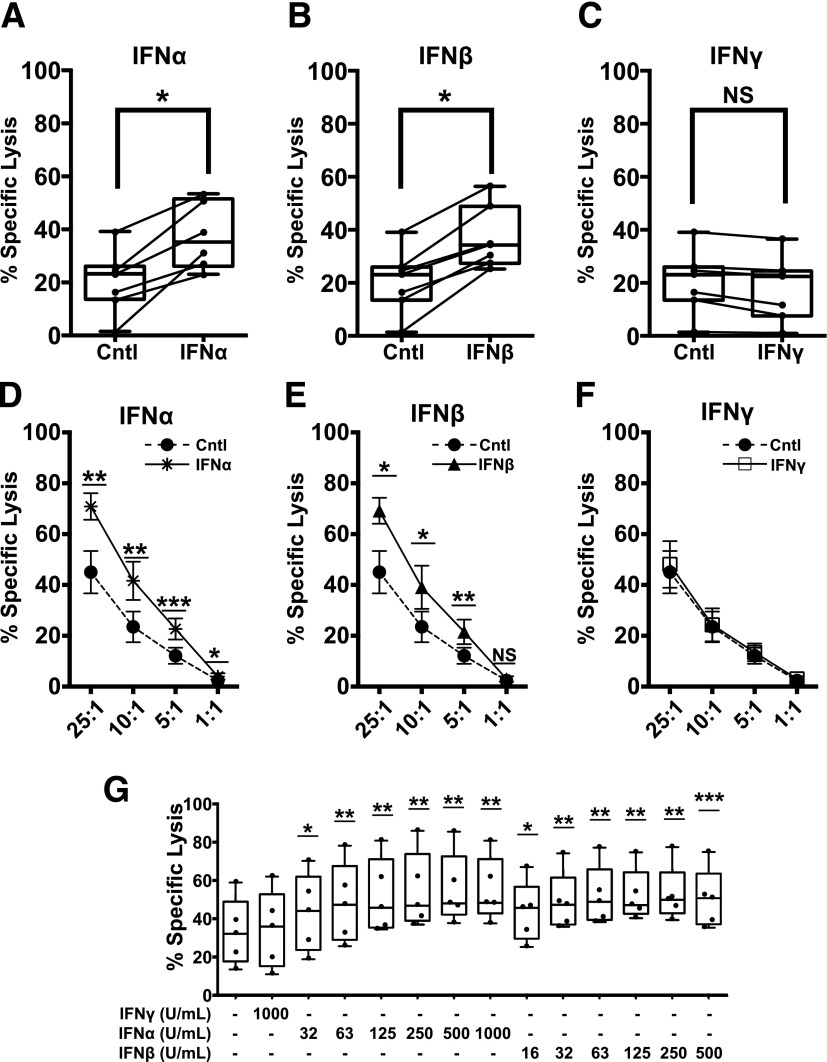
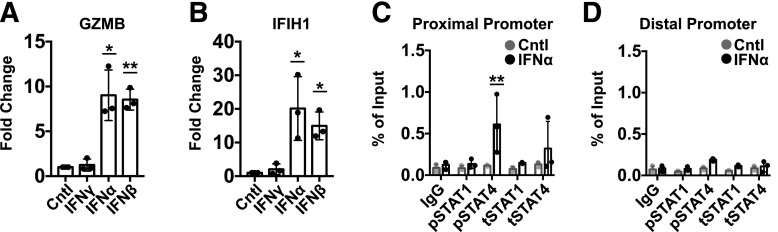
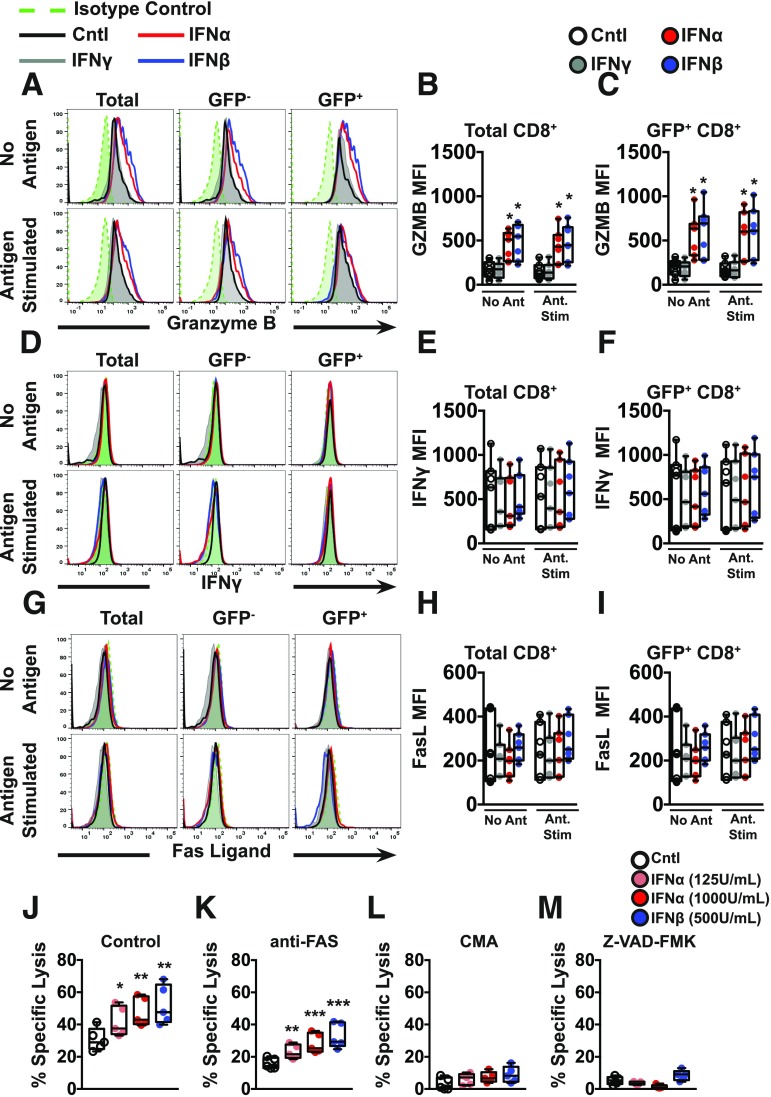
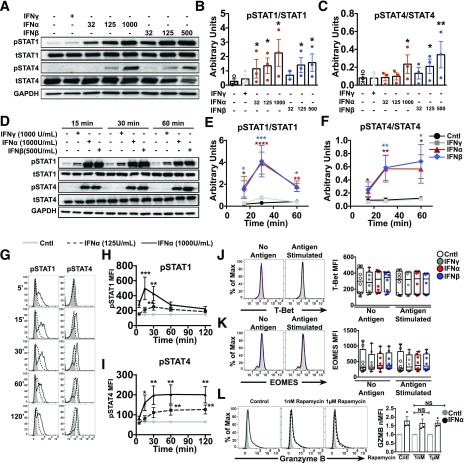
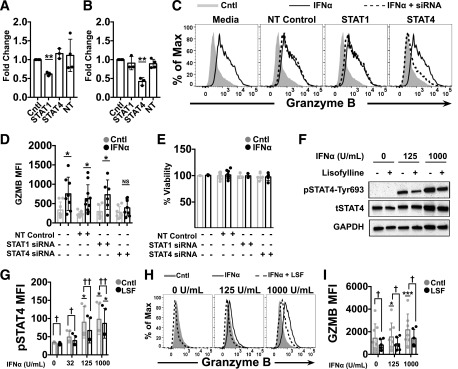
Events defining the progression to human type 1 diabetes (T1D) have remained elusive owing to the complex interaction between genetics, the immune system, and the environment. Type 1 interferons (T1-IFN) are known to be a constituent of the autoinflammatory milieu within the pancreas of patients with T1D. However, the capacity of IFNα/β to modulate human activated autoreactive CD8 T-cell (cytotoxic T lymphocyte) responses within the islets of patients with T1D has not been investigated. Here, we engineer human β-cell-specific cytotoxic T lymphocytes and demonstrate that T1-IFN augments cytotoxicity by inducing rapid phosphorylation of STAT4, resulting in direct binding at the granzyme B promoter within 2 h of exposure. The current findings provide novel insights concerning the regulation of effector function by T1-IFN in human antigen-experienced CD8 T cells and provide a mechanism by which the presence of T1-IFN potentiates diabetogenicity within the autoimmune islet.
由于遗传、免疫系统和环境之间复杂的相互作用,界定人类1型糖尿病(T1D)进展的事件一直难以捉摸。已知1型干扰素(T1-IFN)是T1D患者胰腺内自身炎症环境的一个组成部分。然而,IFNα/β调节T1D患者胰岛内人类活化的自身反应性CD8 T细胞(细胞毒性T淋巴细胞)反应的能力尚未得到研究。在此,我们构建了人类β细胞特异性细胞毒性T淋巴细胞,并证明T1-IFN通过诱导STAT4快速磷酸化增强细胞毒性,导致在暴露后2小时内直接结合颗粒酶B启动子。目前的研究结果为T1-IFN在人类经历抗原的CD8 T细胞中调节效应功能提供了新的见解,并提供了一种机制,通过该机制T1-IFN的存在增强了自身免疫性胰岛内的糖尿病致病性。