Cuellar Trinna L, Herzner Anna-Maria, Zhang Xiaotian, Goyal Yogesh, Watanabe Colin, Friedman Brad A, Janakiraman Vasantharajan, Durinck Steffen, Stinson Jeremy, Arnott David, Cheung Tommy K, Chaudhuri Subhra, Modrusan Zora, Doerr Jonas Martin, Classon Marie, Haley Benjamin
Department of Molecular Biology, Genentech, Inc., South San Francisco, CA
Department of Human Genetics, Genentech, Inc., South San Francisco, CA.
J Cell Biol. 2017 Nov 6;216(11):3535-3549. doi: 10.1083/jcb.201612160. Epub 2017 Sep 8.
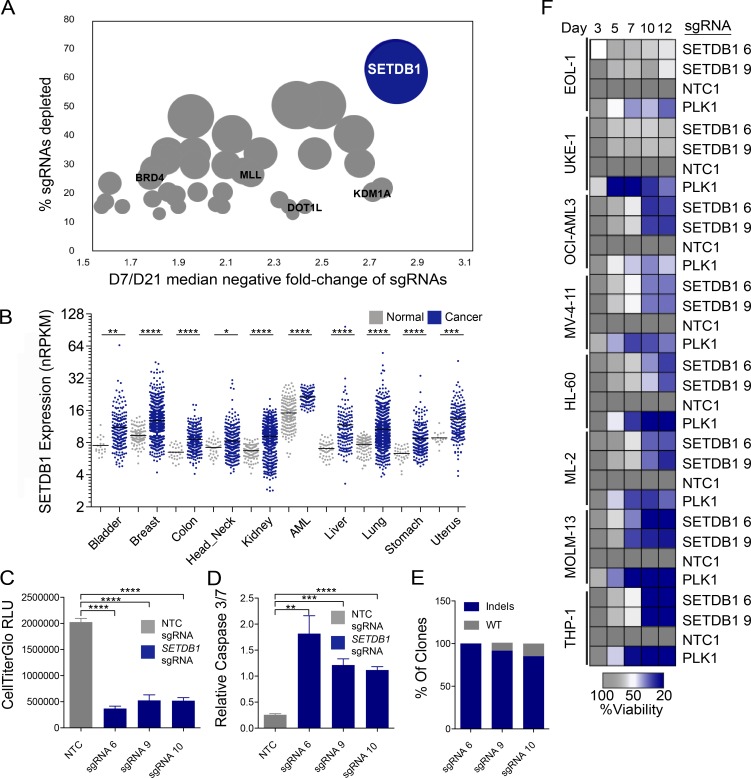
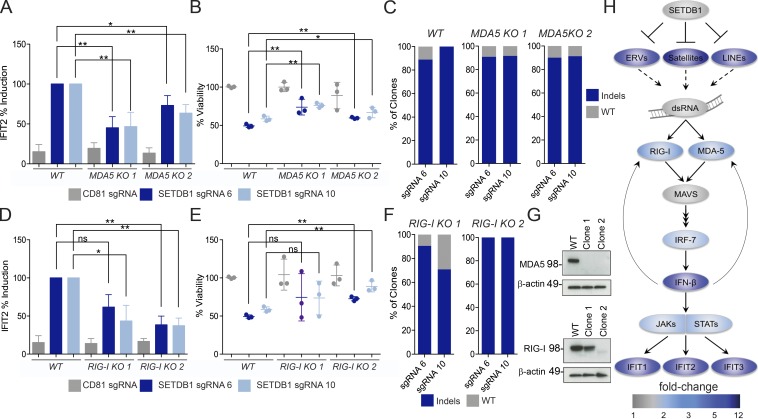
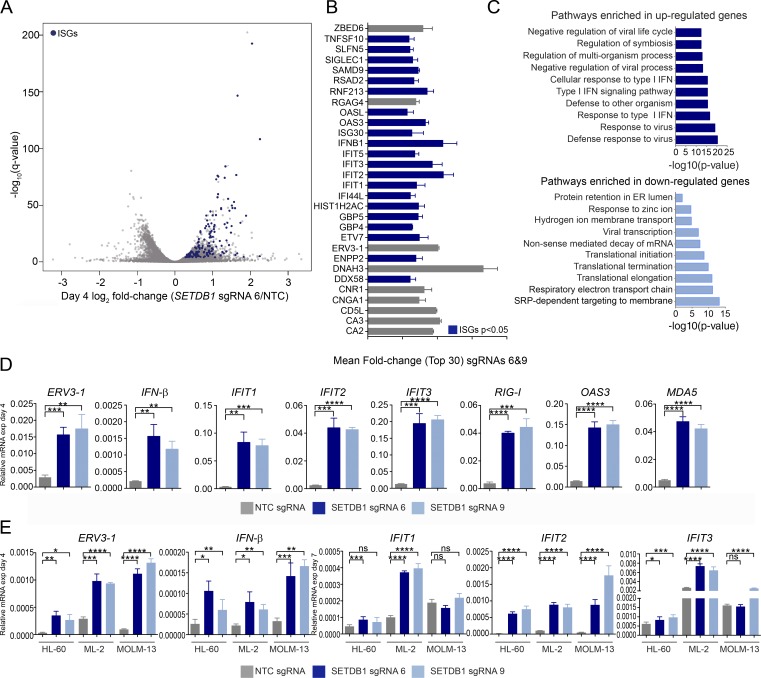
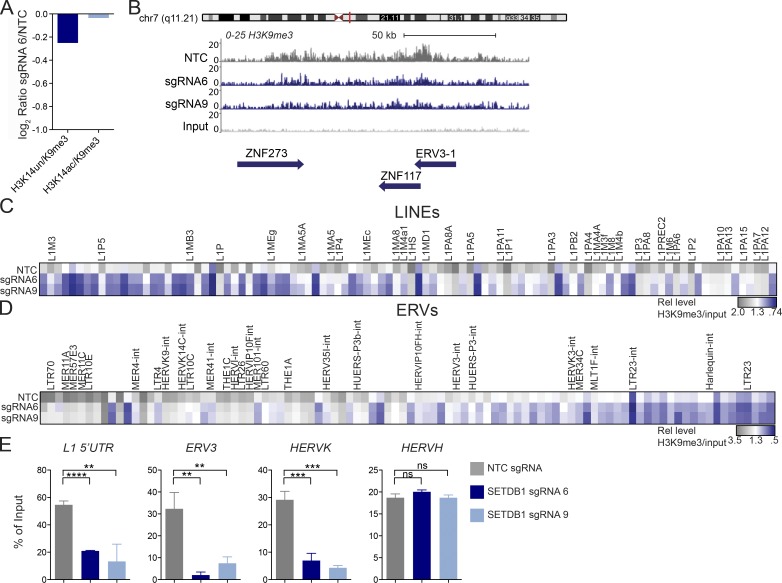
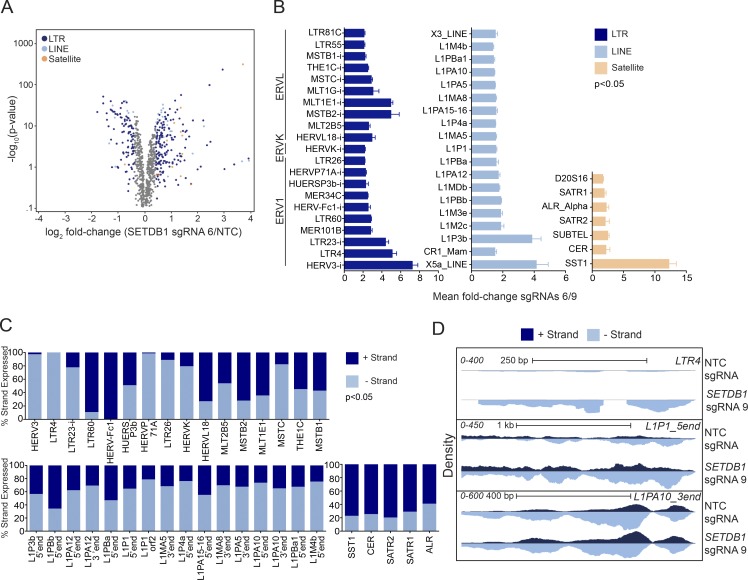
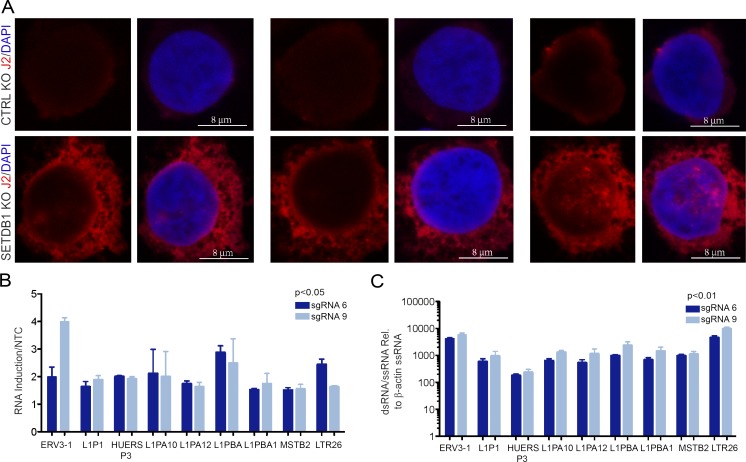
A propensity for rewiring genetic and epigenetic regulatory networks, thus enabling sustained cell proliferation, suppression of apoptosis, and the ability to evade the immune system, is vital to cancer cell propagation. An increased understanding of how this is achieved is critical for identifying or improving therapeutic interventions. In this study, using acute myeloid leukemia (AML) human cell lines and a custom CRISPR/Cas9 screening platform, we identify the H3K9 methyltransferase SETDB1 as a novel, negative regulator of innate immunity. SETDB1 is overexpressed in many cancers, and loss of this gene in AML cells triggers desilencing of retrotransposable elements that leads to the production of double-stranded RNAs (dsRNAs). This is coincident with induction of a type I interferon response and apoptosis through the dsRNA-sensing pathway. Collectively, our findings establish a unique gene regulatory axis that cancer cells can exploit to circumvent the immune system.
重新连接遗传和表观遗传调控网络的倾向,从而实现持续的细胞增殖、抑制细胞凋亡以及逃避免疫系统的能力,对癌细胞的增殖至关重要。深入了解这一过程是如何实现的,对于识别或改进治疗干预措施至关重要。在本研究中,我们使用急性髓系白血病(AML)人类细胞系和定制的CRISPR/Cas9筛选平台,确定H3K9甲基转移酶SETDB1是一种新型的先天免疫负调节因子。SETDB1在许多癌症中过度表达,AML细胞中该基因的缺失会引发逆转录转座元件的去沉默,从而导致双链RNA(dsRNA)的产生。这与通过dsRNA感应途径诱导I型干扰素反应和细胞凋亡同时发生。总的来说,我们的研究结果建立了一个独特的基因调控轴,癌细胞可以利用该轴来规避免疫系统。