Division of Pulmonary Diseases, State Key Laboratory of Biotherapy, and the Department of Respiratory and Critical Care Medicine, West China Hospital of Sichuan University, Chengdu, China; Department of Microbiology and Physiological Systems, University of Massachusetts Medical School, Worcester, Mass.
Department of Medicine, University of California, San Diego, La Jolla, Calif.
J Allergy Clin Immunol. 2018 Jul;142(1):207-218.e6. doi: 10.1016/j.jaci.2017.08.015. Epub 2017 Sep 7.
Airway hyperresponsiveness is a major feature of asthma attributed predominantly to an extrinsic immune/inflammatory response increasing airway smooth muscle (ASM) contractility.
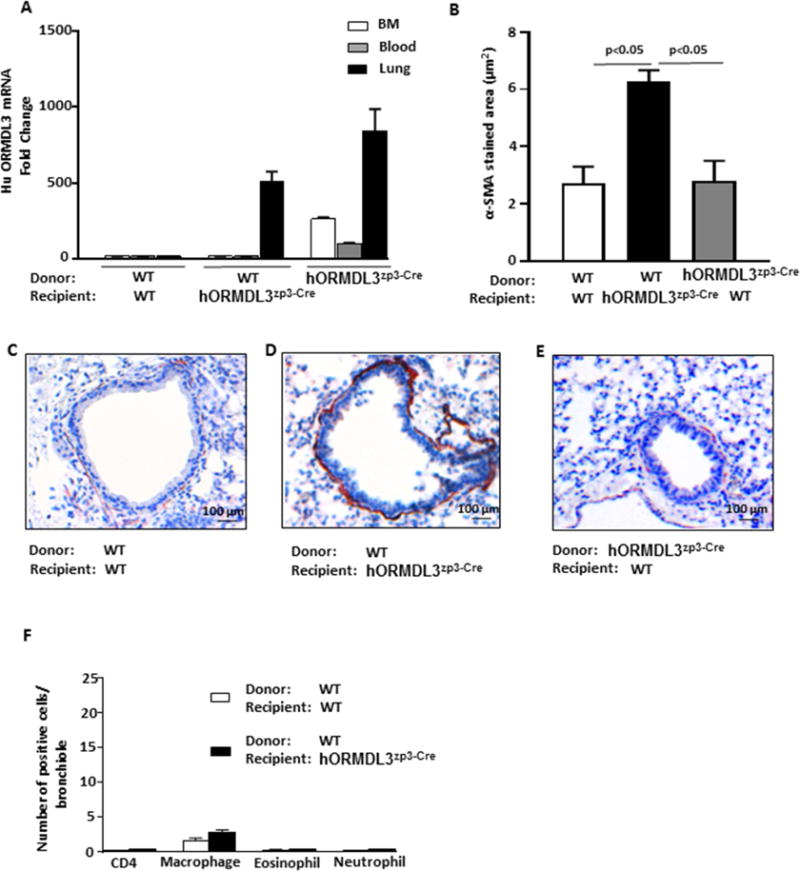
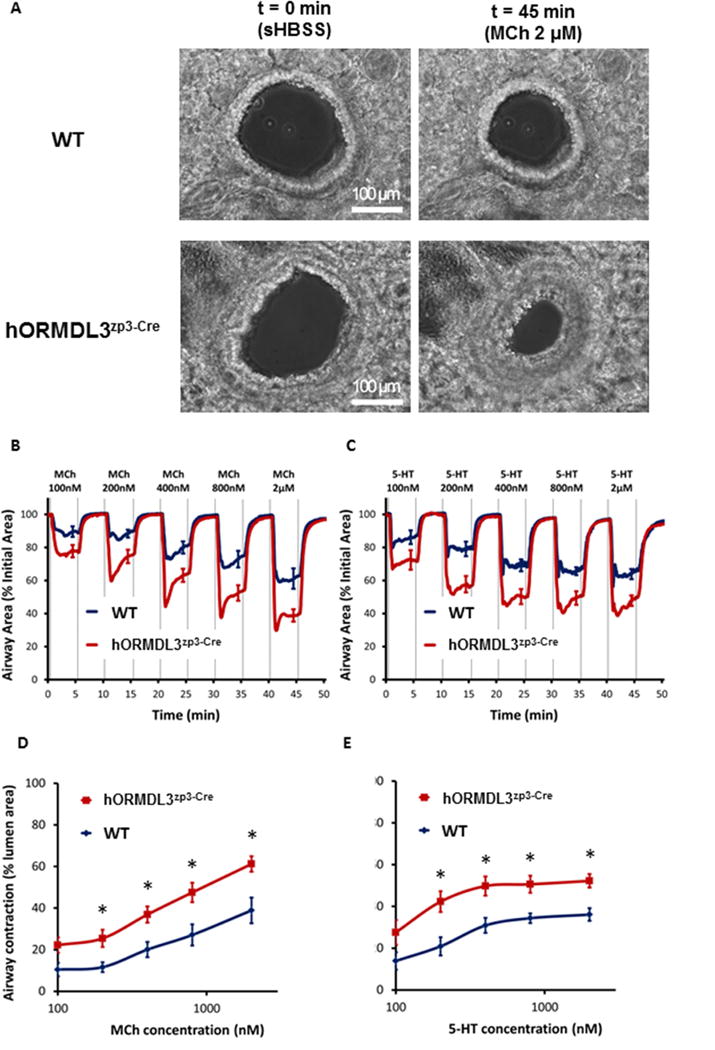
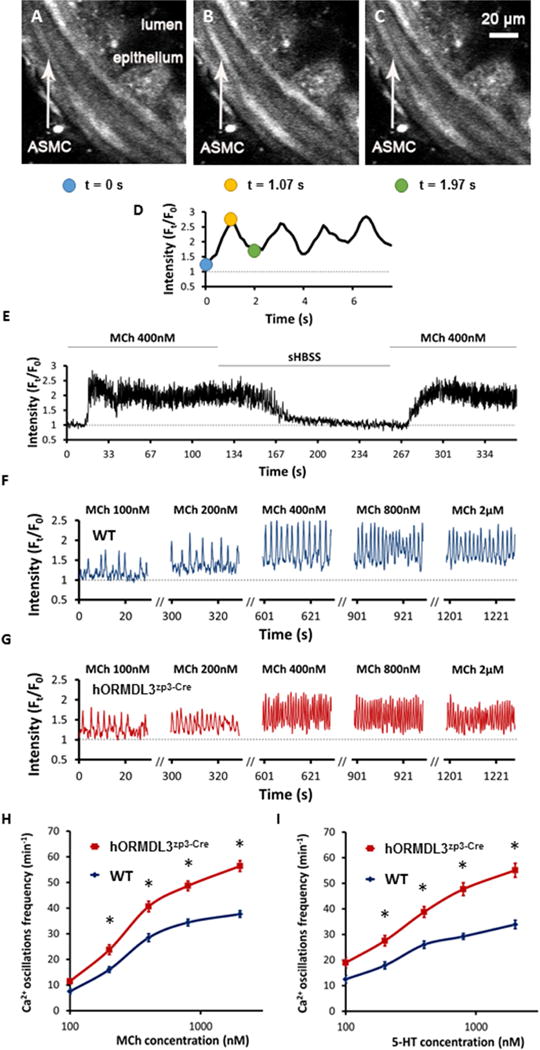
We investigated whether increased ASM expression of orosomucoid-like 3 (ORMDL3), a gene on chromosome 17q21 highly linked to asthma, induced increased ASM proliferation and contractility in vitro and influenced airway contractility and calcium flux in ASM in precision-cut lung slices (PCLSs) from wild-type and hORMDL3 mice (which express increased levels of human ORMDL3 [hORMDL3]).
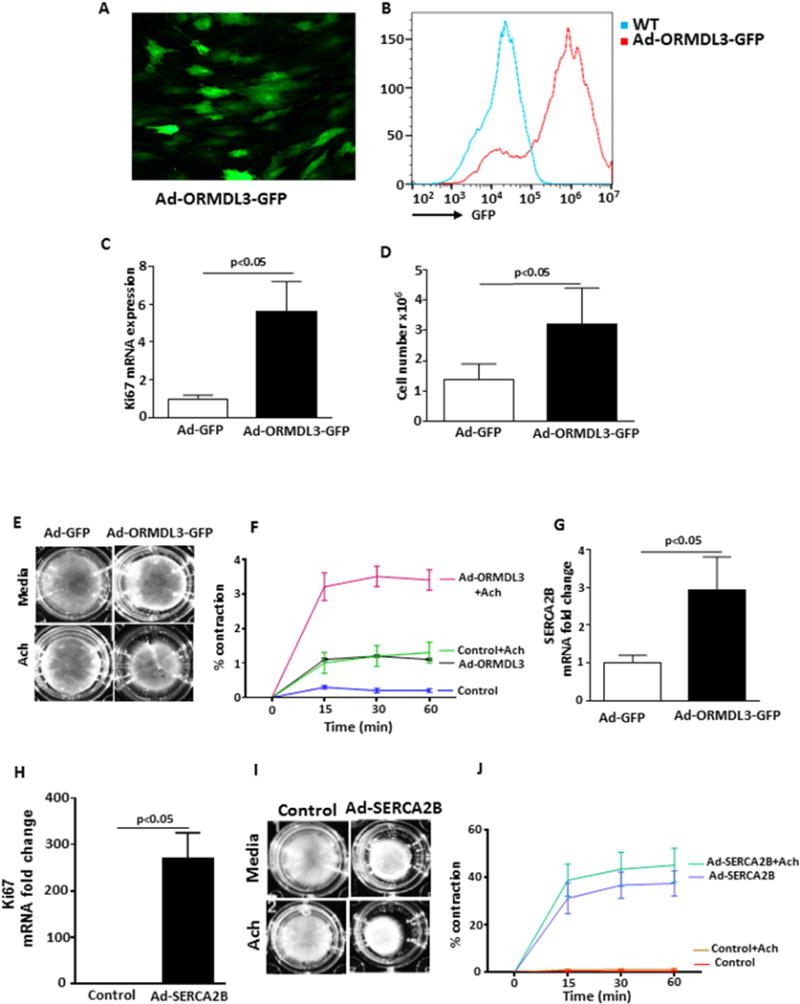
Levels of ASM proliferation and contraction were assessed in ASM cells transfected with ORMDL3 in vitro. In addition, airway contractility and calcium oscillations were quantitated in ASM cells in PCLSs derived from naive wild-type and naive hORMDL3 mice, which do not have a blood supply.
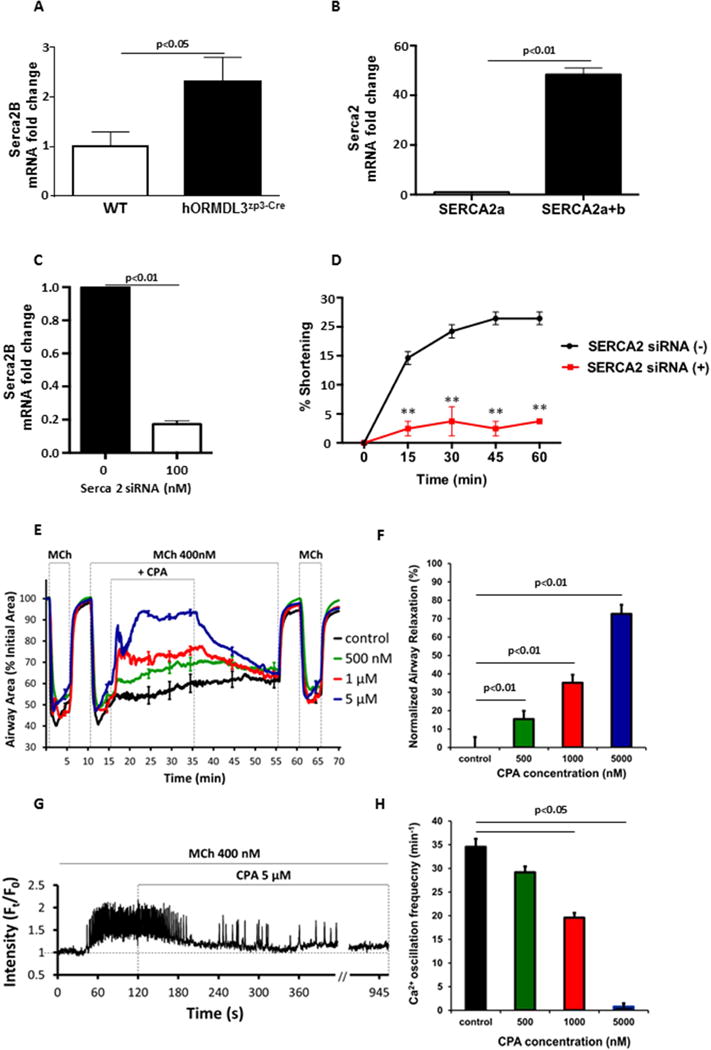
Increased ASM expression of ORMDL3 in vitro resulted in increased ASM proliferation and contractility. PCLSs derived from naive hORMDL3 mice, which do not have airway inflammation, exhibit increased airway contractility with increased calcium oscillations in ASM cells. Increased ASM ORMDL3 expression increases levels of ASM sarcoplasmic reticulum Ca ATPase 2b (SERCA2b), which increases ASM proliferation and contractility.
Overall, these studies provide evidence that an intrinsic increase in ORMDL3 expression in ASM can induce increased ASM proliferation and contractility, which might contribute to increased airway hyperresponsiveness in the absence of airway inflammation in asthmatic patients.
气道高反应性是哮喘的主要特征,主要归因于外在的免疫/炎症反应增加气道平滑肌(ASM)的收缩性。
我们研究了染色体 17q21 上高度与哮喘相关的粘蛋白样 3(ORMDL3)基因的 ASM 表达增加是否会导致 ASM 增殖和收缩性增加,以及是否会影响野生型和高表达人源 ORMDL3(hORMDL3)的 hORMDL3 小鼠的 PCLS 中的气道收缩性和钙流。
在体外转染 ORMDL3 的 ASM 细胞中评估 ASM 增殖和收缩水平。此外,在没有血液供应的原代野生型和原代 hORMDL3 小鼠的 PCLS 中,定量评估 ASM 细胞中的气道收缩性和钙振荡。
体外 ORMDL3 表达增加导致 ASM 增殖和收缩性增加。没有气道炎症的原代 hORMDL3 小鼠的 PCLS 表现出气道收缩性增加,ASM 细胞中的钙振荡增加。ASM ORMDL3 表达增加导致 ASM 肌浆网 Ca ATP 酶 2b(SERCA2b)水平增加,从而增加 ASM 增殖和收缩性。
总之,这些研究提供了证据表明,ASM 中 ORMDL3 表达的内在增加可以诱导 ASM 增殖和收缩性增加,这可能导致哮喘患者在没有气道炎症的情况下气道高反应性增加。