Lauzon Anne-Marie, Bates Jason H T, Donovan Graham, Tawhai Merryn, Sneyd James, Sanderson Michael J
Meakins-Christie Laboratories, Department of Medicine, McGill University Montreal, QC, Canada.
Front Physiol. 2012 Jun 11;3:191. doi: 10.3389/fphys.2012.00191. eCollection 2012.
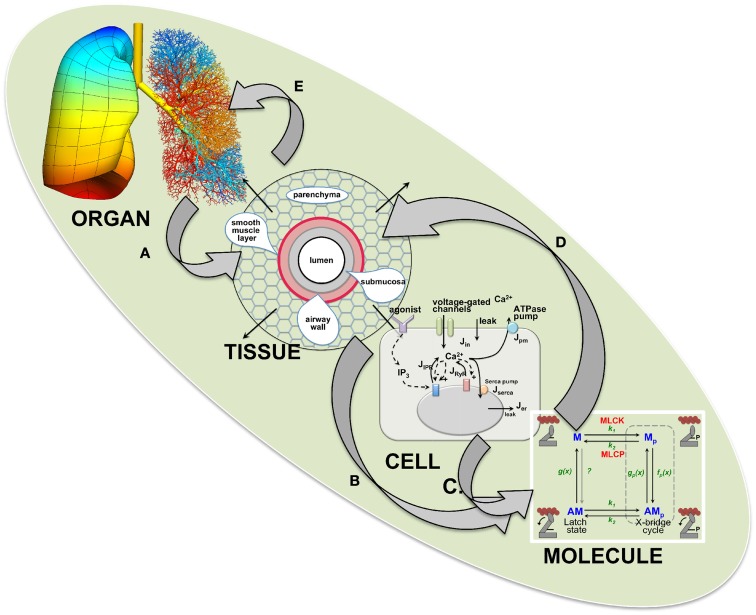
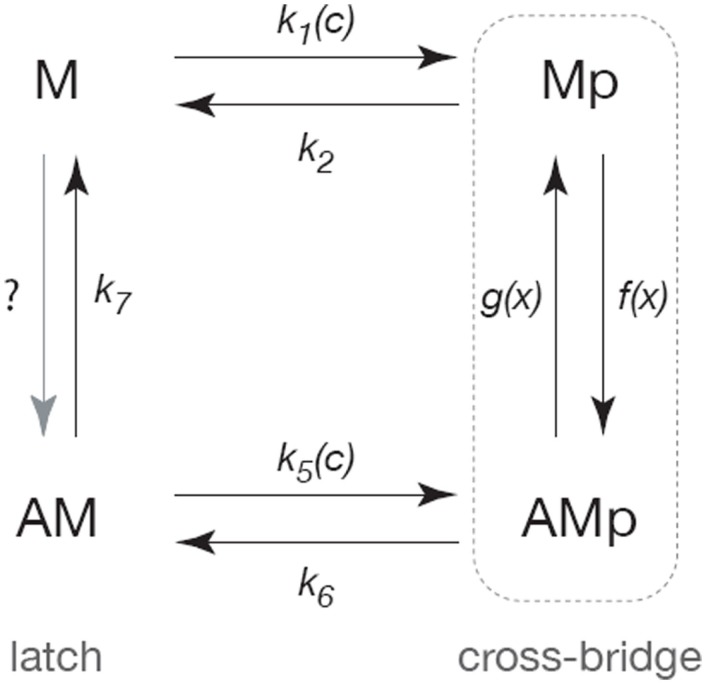
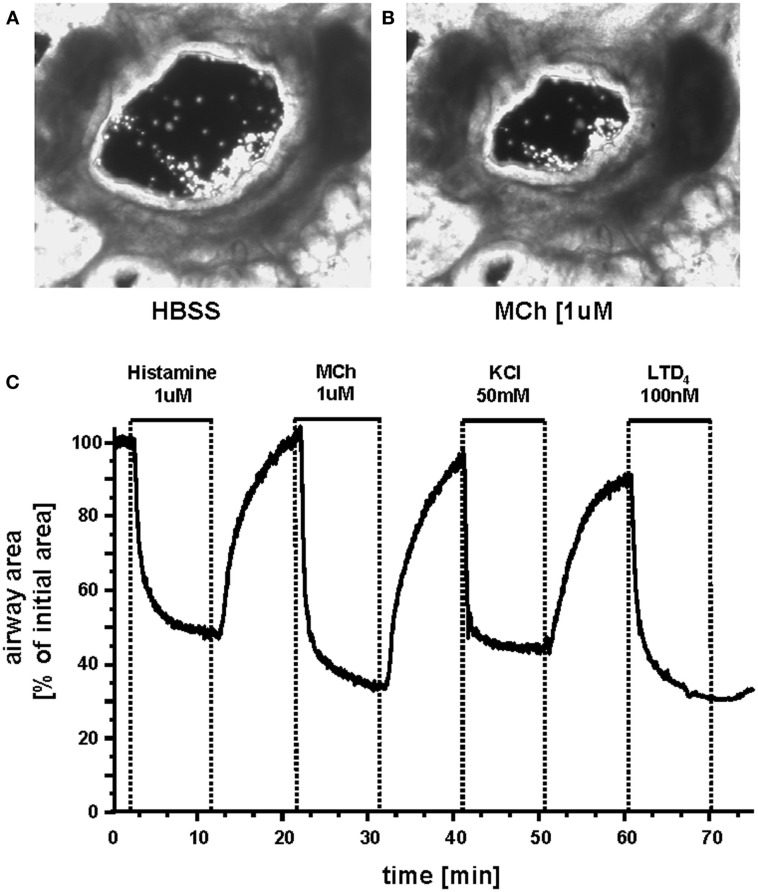
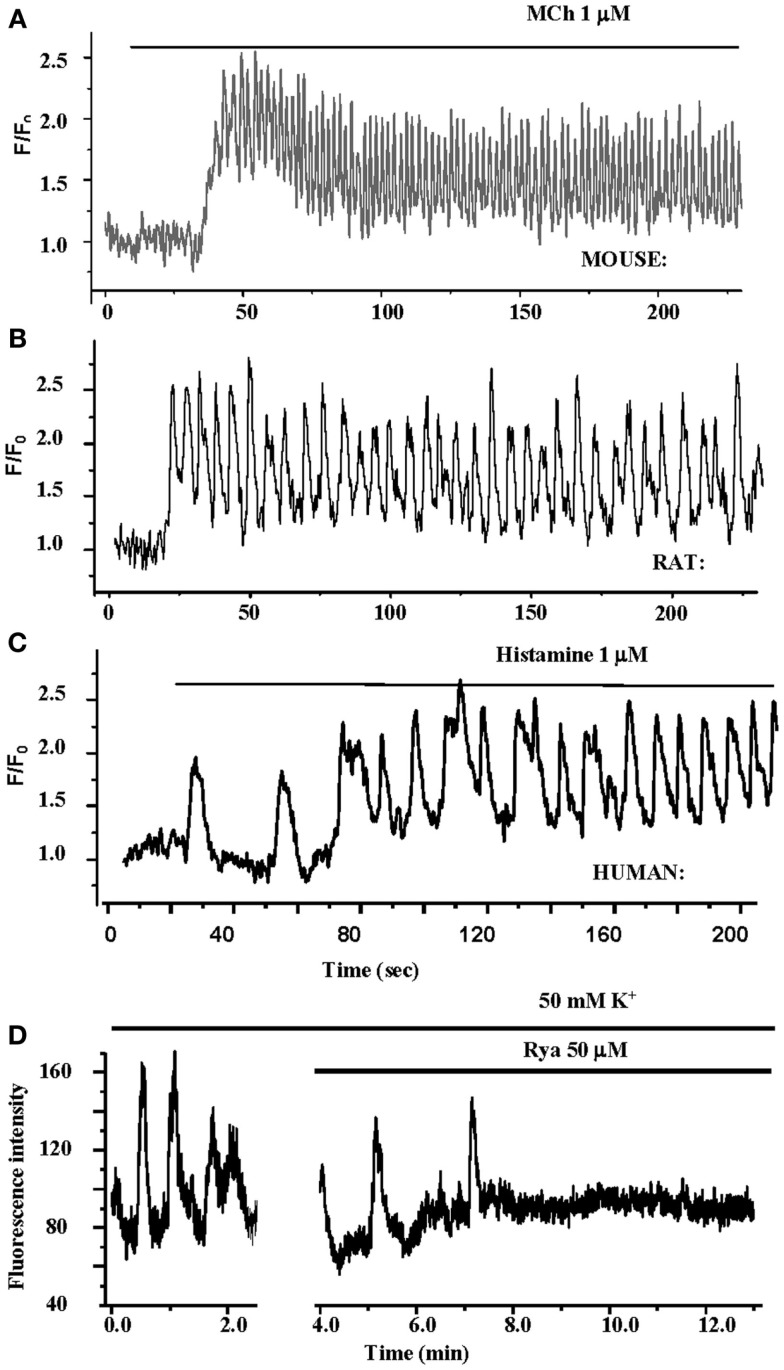
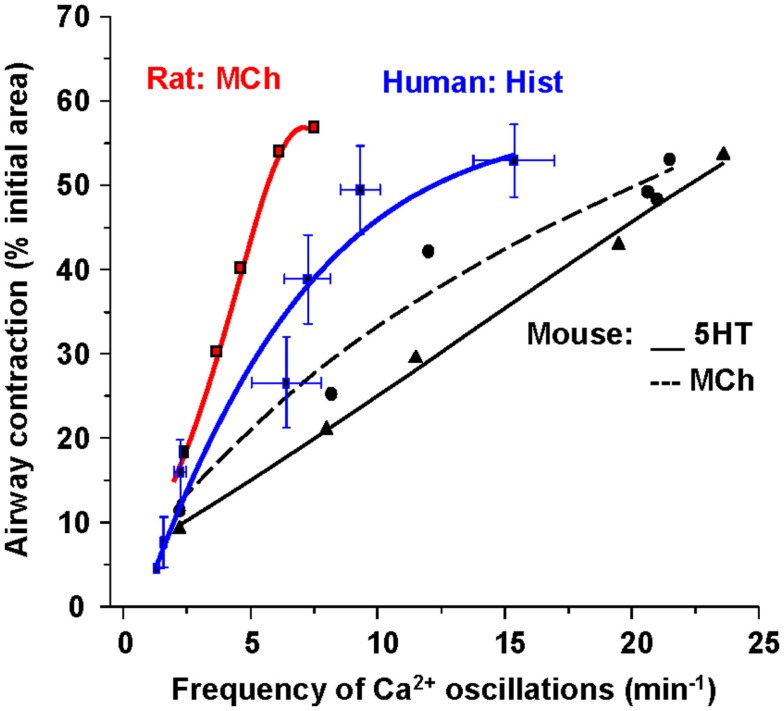
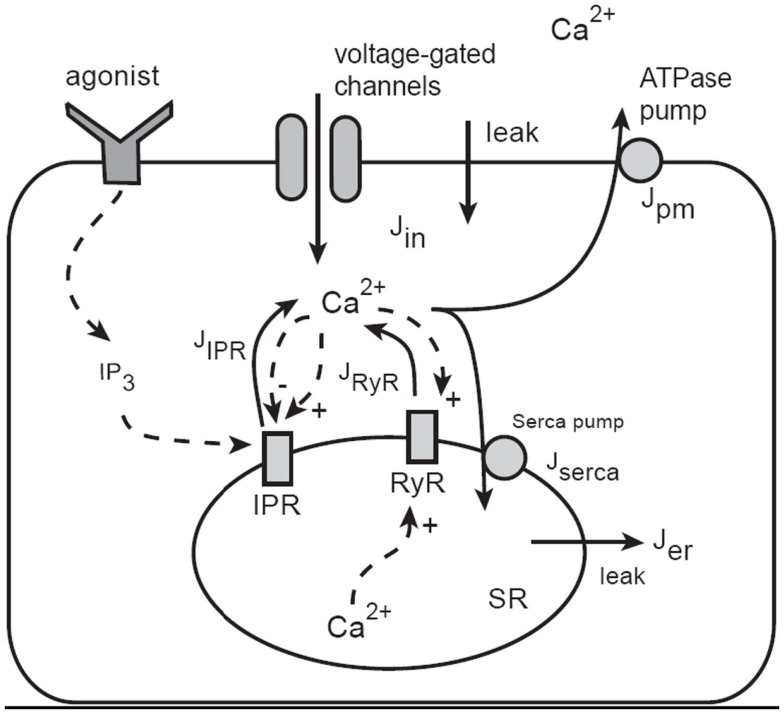
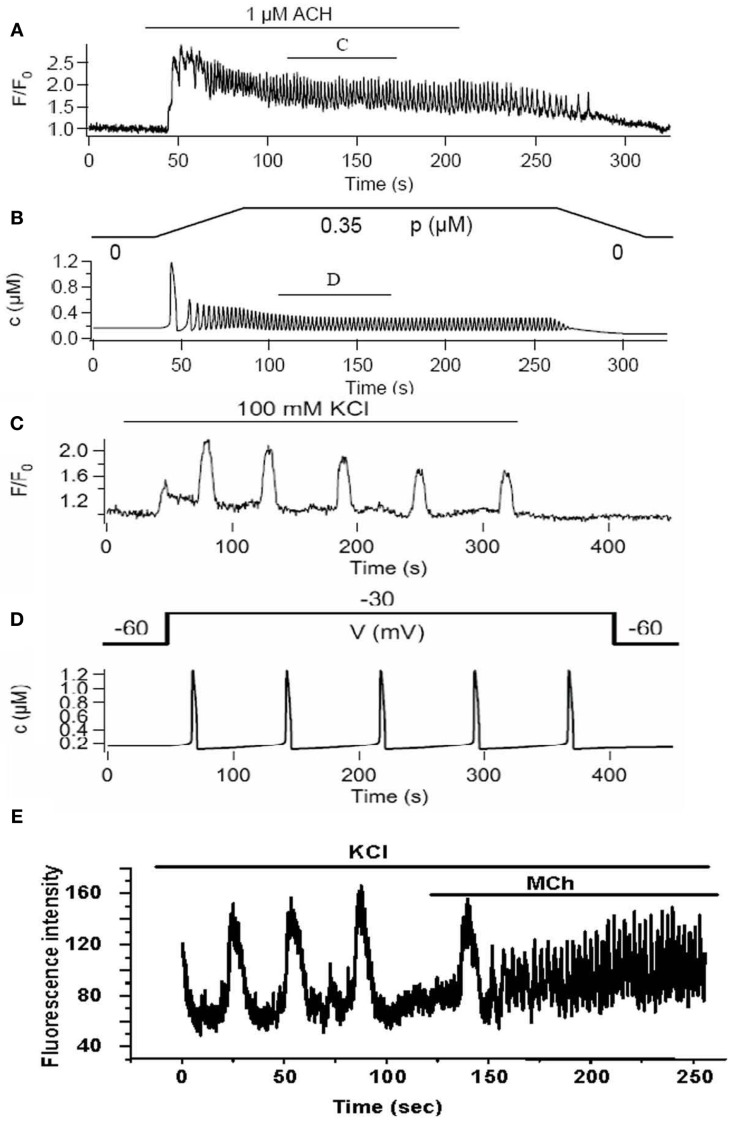
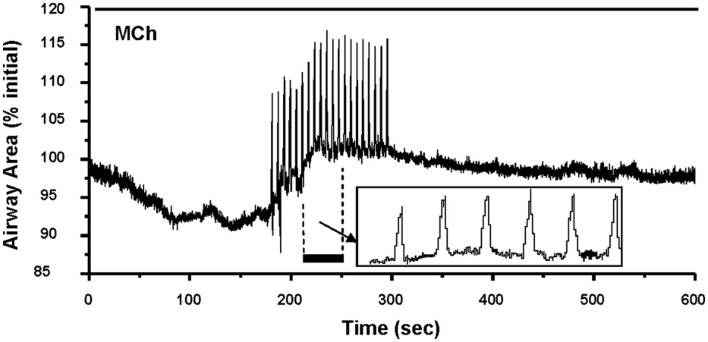
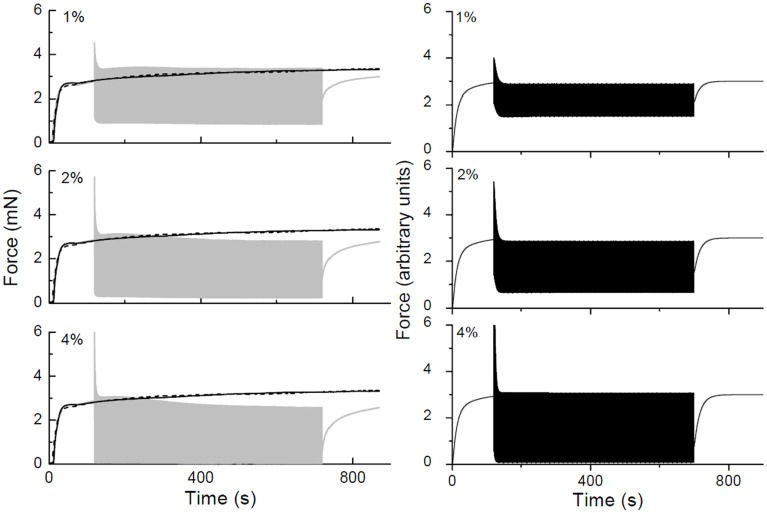
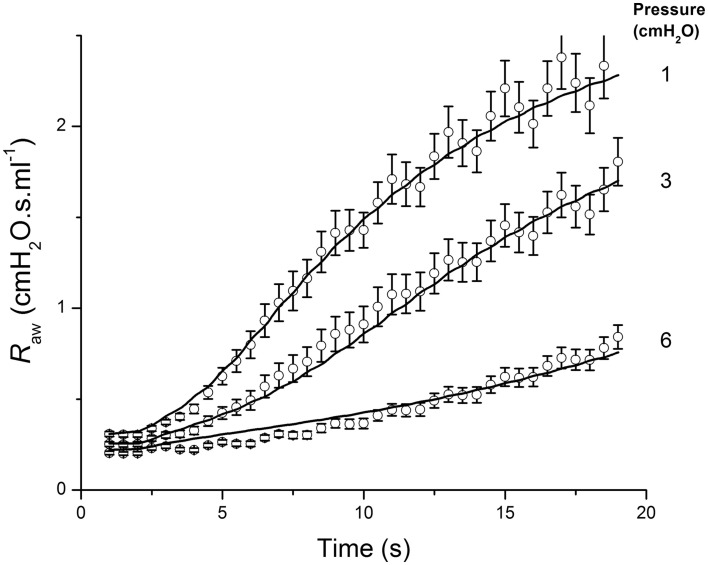
Airway hyperresponsiveness (AHR), a characteristic of asthma that involves an excessive reduction in airway caliber, is a complex mechanism reflecting multiple processes that manifest over a large range of length and time scales. At one extreme, molecular interactions determine the force generated by airway smooth muscle (ASM). At the other, the spatially distributed constriction of the branching airways leads to breathing difficulties. Similarly, asthma therapies act at the molecular scale while clinical outcomes are determined by lung function. These extremes are linked by events operating over intermediate scales of length and time. Thus, AHR is an emergent phenomenon that limits our understanding of asthma and confounds the interpretation of studies that address physiological mechanisms over a limited range of scales. A solution is a modular computational model that integrates experimental and mathematical data from multiple scales. This includes, at the molecular scale, kinetics, and force production of actin-myosin contractile proteins during cross-bridge and latch-state cycling; at the cellular scale, Ca(2+) signaling mechanisms that regulate ASM force production; at the tissue scale, forces acting between contracting ASM and opposing viscoelastic tissue that determine airway narrowing; at the organ scale, the topographic distribution of ASM contraction dynamics that determine mechanical impedance of the lung. At each scale, models are constructed with iterations between theory and experimentation to identify the parameters that link adjacent scales. This modular model establishes algorithms for modeling over a wide range of scales and provides a framework for the inclusion of other responses such as inflammation or therapeutic regimes. The goal is to develop this lung model so that it can make predictions about bronchoconstriction and identify the pathophysiologic mechanisms having the greatest impact on AHR and its therapy.
气道高反应性(AHR)是哮喘的一个特征,涉及气道管径过度缩小,是一种复杂的机制,反映了在大范围的长度和时间尺度上表现出的多个过程。在一个极端情况下,分子相互作用决定气道平滑肌(ASM)产生的力量。在另一个极端,分支气道的空间分布性收缩会导致呼吸困难。同样,哮喘治疗作用于分子尺度,而临床结果则由肺功能决定。这些极端情况通过在中间长度和时间尺度上发生的事件联系起来。因此,AHR是一种新兴现象,限制了我们对哮喘的理解,并混淆了在有限尺度范围内研究生理机制的解释。一个解决方案是一个模块化的计算模型,它整合了来自多个尺度的实验和数学数据。这包括在分子尺度上,肌动蛋白-肌球蛋白收缩蛋白在横桥和闩锁状态循环期间的动力学和力量产生;在细胞尺度上,调节ASM力量产生的Ca(2+)信号机制;在组织尺度上,收缩的ASM与对抗的粘弹性组织之间的作用力,这决定了气道狭窄;在器官尺度上,ASM收缩动力学的地形分布,这决定了肺的机械阻抗。在每个尺度上,通过理论与实验之间的迭代构建模型,以确定连接相邻尺度的参数。这个模块化模型建立了在广泛尺度上进行建模的算法,并为纳入其他反应(如炎症或治疗方案)提供了框架。目标是开发这个肺模型,使其能够对支气管收缩做出预测,并确定对AHR及其治疗影响最大的病理生理机制。