Sugizaki Taichi, Zhu Shunshun, Guo Ge, Matsumoto Akiko, Zhao Jiabin, Endo Motoyoshi, Horiguchi Haruki, Morinaga Jun, Tian Zhe, Kadomatsu Tsuyoshi, Miyata Keishi, Itoh Hiroshi, Oike Yuichi
Department of Molecular Genetics, Graduate School of Medical Sciences, Institute of Resource Development and Analysis, Kumamoto University, 1-1-1 Honjo, Chuo-ku, Kumamoto, 860-8556 Japan.
Department of Immunology, Allergy and Vascular Medicine, Graduate School of Medical Sciences, Institute of Resource Development and Analysis, Kumamoto University, 1-1-1 Honjo,Chuo-ku, Kumamoto, 860-8556 Japan.
NPJ Aging Mech Dis. 2017 Sep 8;3:12. doi: 10.1038/s41514-017-0012-0. eCollection 2017.
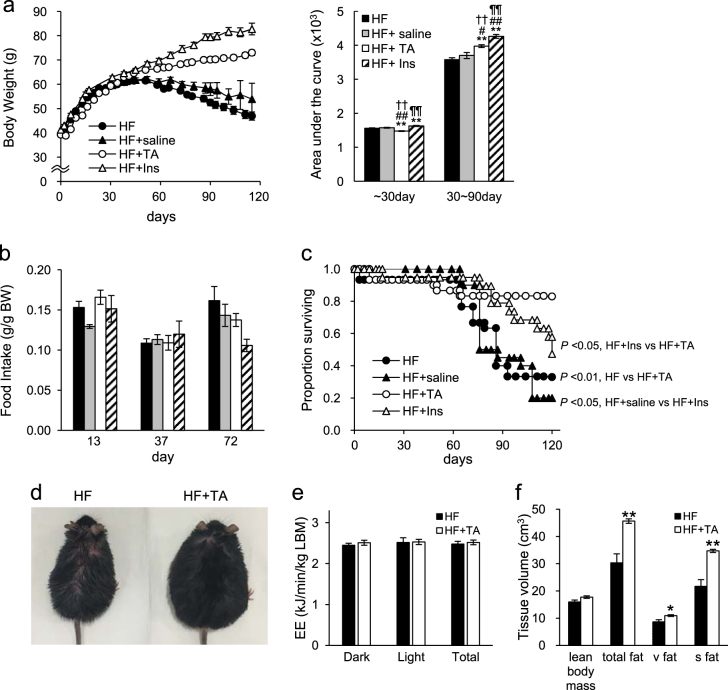
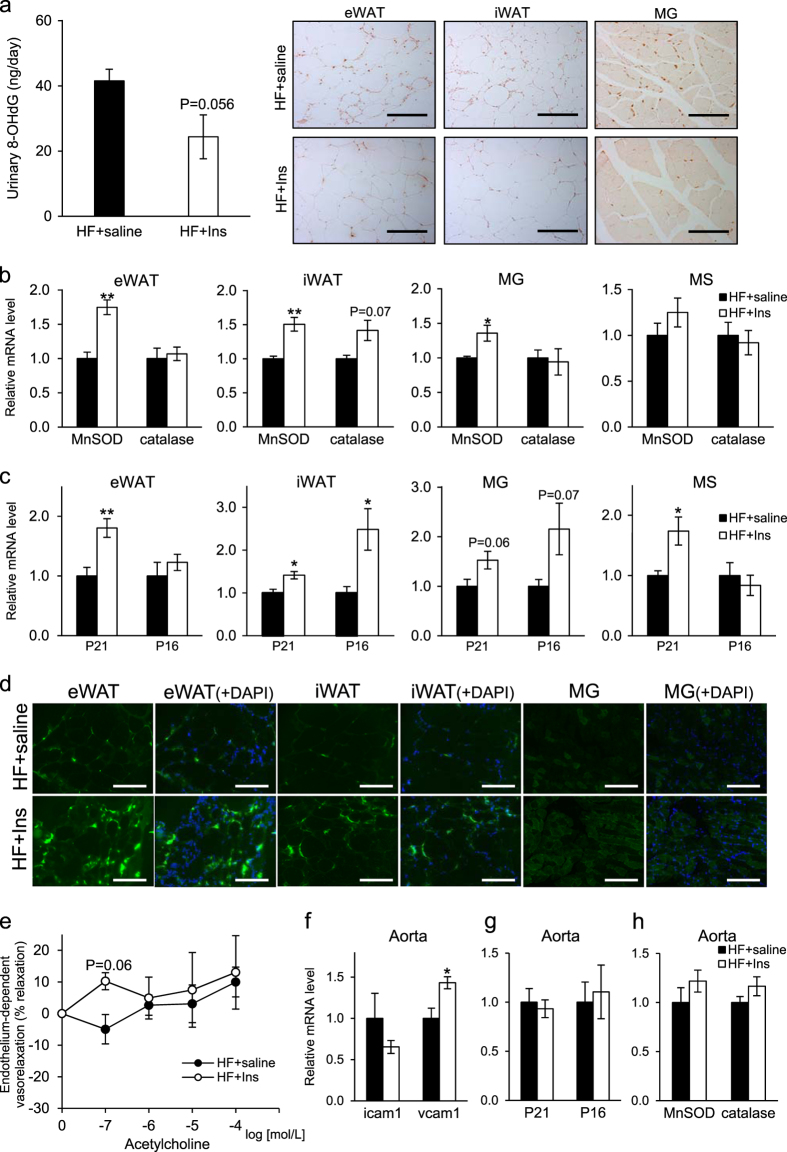
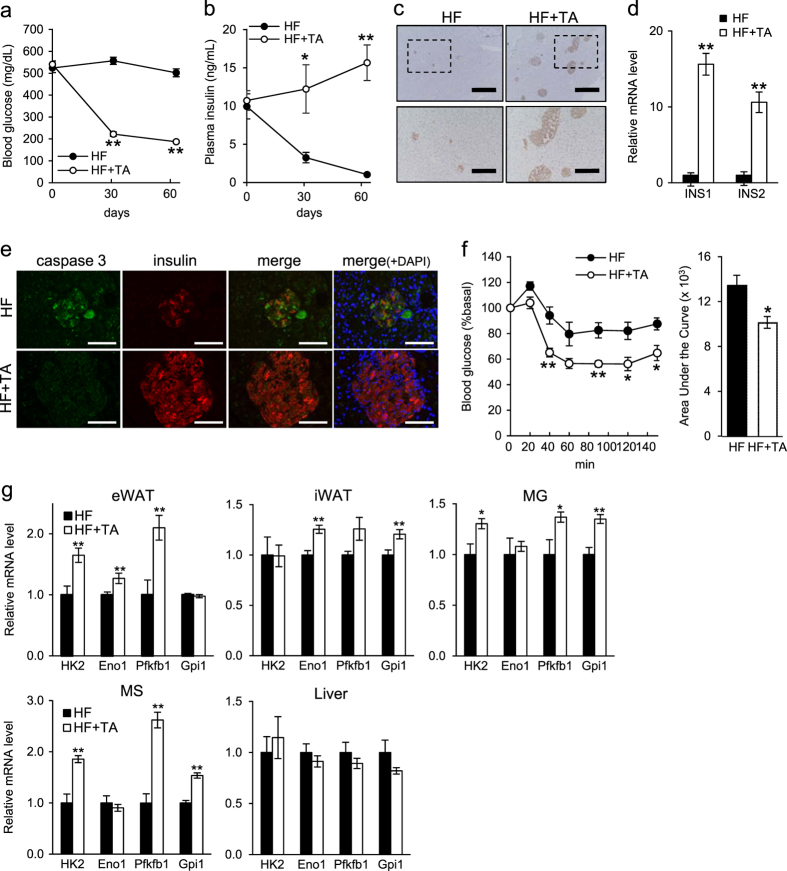
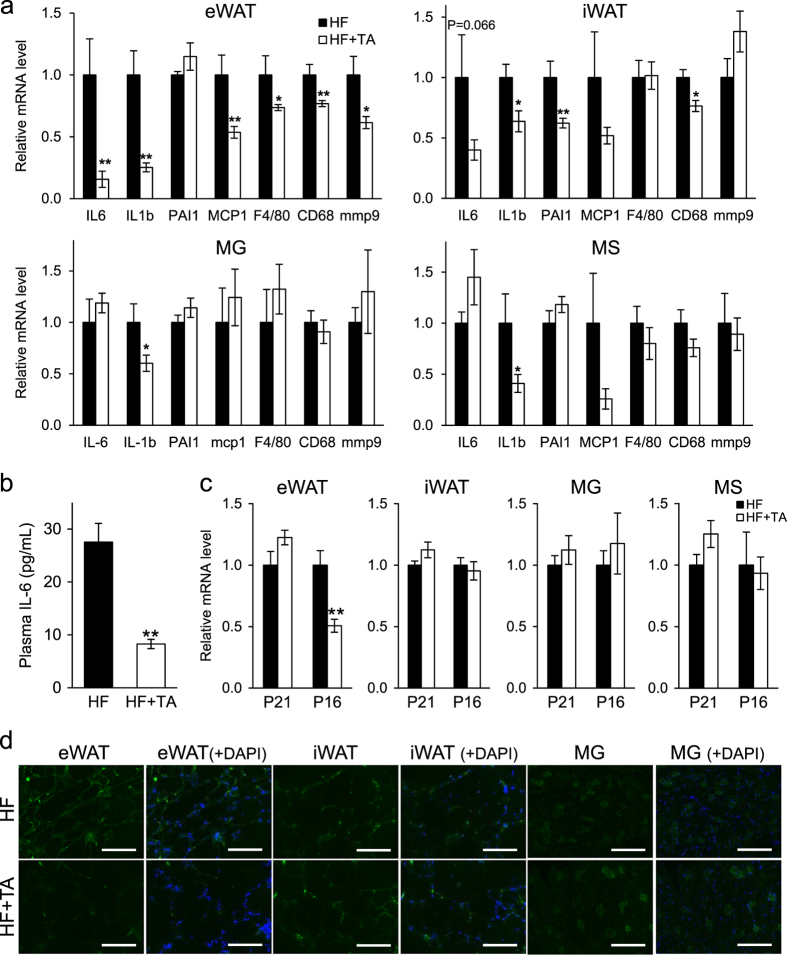
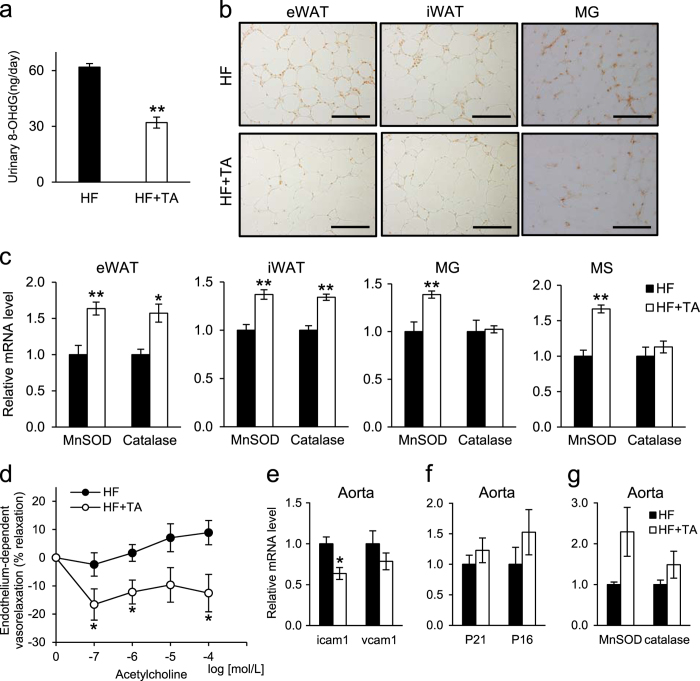
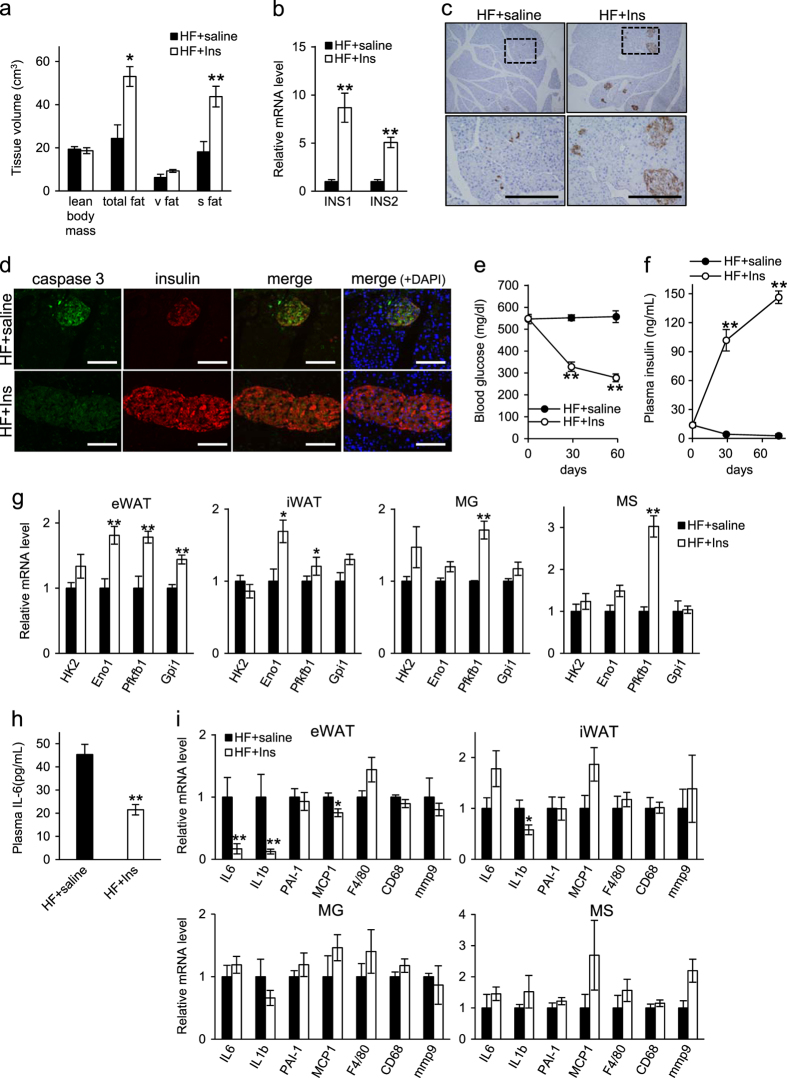
A favorable effect of an inhibitor of the sodium-glucose cotransporter 2 (SGLT2i) on mortality of diabetic patients was recently reported, although mechanisms underlying that effect remained unclear. Here, we examine SGLT2i effects on survival of diabetic mice and assess factors underlying these outcomes. To examine SGLT2i treatment effects in a model of severe diabetes, we fed genetically diabetic mice a high-fat diet and then assessed outcomes including diabetic complications between SGLT2i TA-1887-treated and control mice. We also compare effects of SGLT2i TA-1887 with those of lowering blood glucose levels via insulin treatment. Untreated mice showed remarkable weight loss, or cachexia, while TA-1887-treated mice did not but rather continued to gain weight at later time points and decreased mortality. TA-1887 treatment prevented pancreatic beta cell death, enhanced preservation of beta cell mass and endogenous insulin secretion, and increased insulin sensitivity. Moreover, TA-1887 treatment attenuated inflammation, oxidative stress, and cellular senescence, especially in visceral white adipose tissue, and antagonized endothelial dysfunction. Insulin treatment of mice also prevented weight loss and antagonized inflammation and oxidative stress. However, insulin treatment had less potent effects on survival and prevention of cellular senescence and endothelial dysfunction than did TA-1887 treatment. SGLT2i treatment prevents diabetic cachexia and death by preserving function of beta cells and insulin target organs and attenuating complications. SGLT2i treatment may be a promising therapeutic strategy for type 2 diabetes patients with morbid obesity and severe insulin resistance.
最近有报道称,钠-葡萄糖协同转运蛋白2抑制剂(SGLT2i)对糖尿病患者死亡率有有利影响,但其潜在机制尚不清楚。在此,我们研究SGLT2i对糖尿病小鼠生存的影响,并评估这些结果背后的因素。为了在严重糖尿病模型中研究SGLT2i的治疗效果,我们给基因性糖尿病小鼠喂食高脂饮食,然后评估SGLT2i TA - 1887治疗组和对照组小鼠的糖尿病并发症等结果。我们还比较了SGLT2i TA - 1887与胰岛素治疗降低血糖水平的效果。未治疗的小鼠体重显著减轻,即恶病质,而TA - 1887治疗的小鼠则没有,反而在后期继续体重增加且死亡率降低。TA - 1887治疗可防止胰腺β细胞死亡,增强β细胞质量和内源性胰岛素分泌的保存,并提高胰岛素敏感性。此外,TA - 1887治疗减轻了炎症、氧化应激和细胞衰老,尤其是在内脏白色脂肪组织中,并对抗了内皮功能障碍。胰岛素治疗小鼠也可防止体重减轻并对抗炎症和氧化应激。然而,胰岛素治疗在生存以及预防细胞衰老和内皮功能障碍方面的效果不如TA - 1887治疗。SGLT2i治疗通过保留β细胞和胰岛素靶器官的功能并减轻并发症来预防糖尿病恶病质和死亡。SGLT2i治疗可能是患有病态肥胖和严重胰岛素抵抗的2型糖尿病患者的一种有前景的治疗策略。